The AI Billboard Craze and What Do These Things Mean?

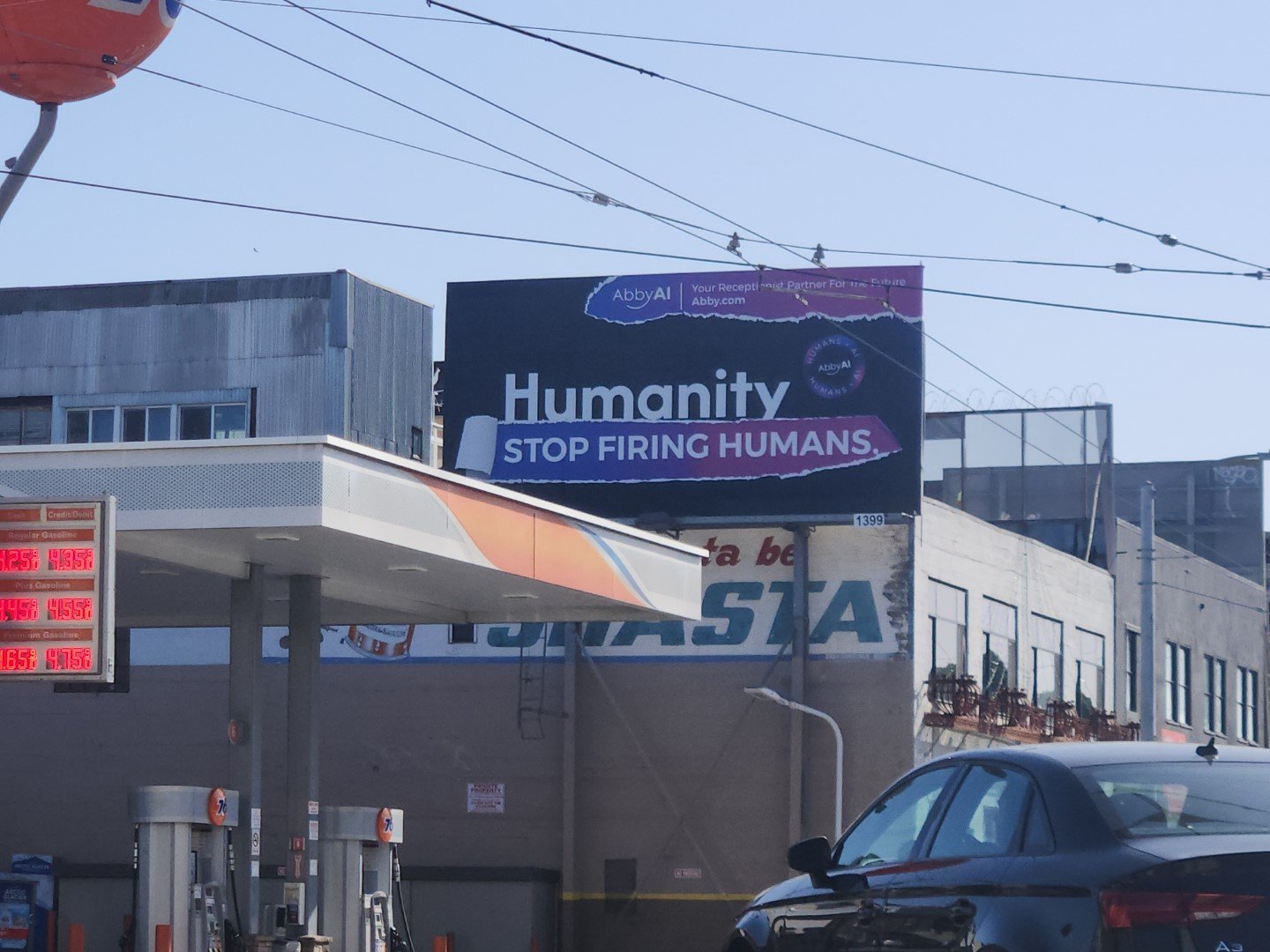
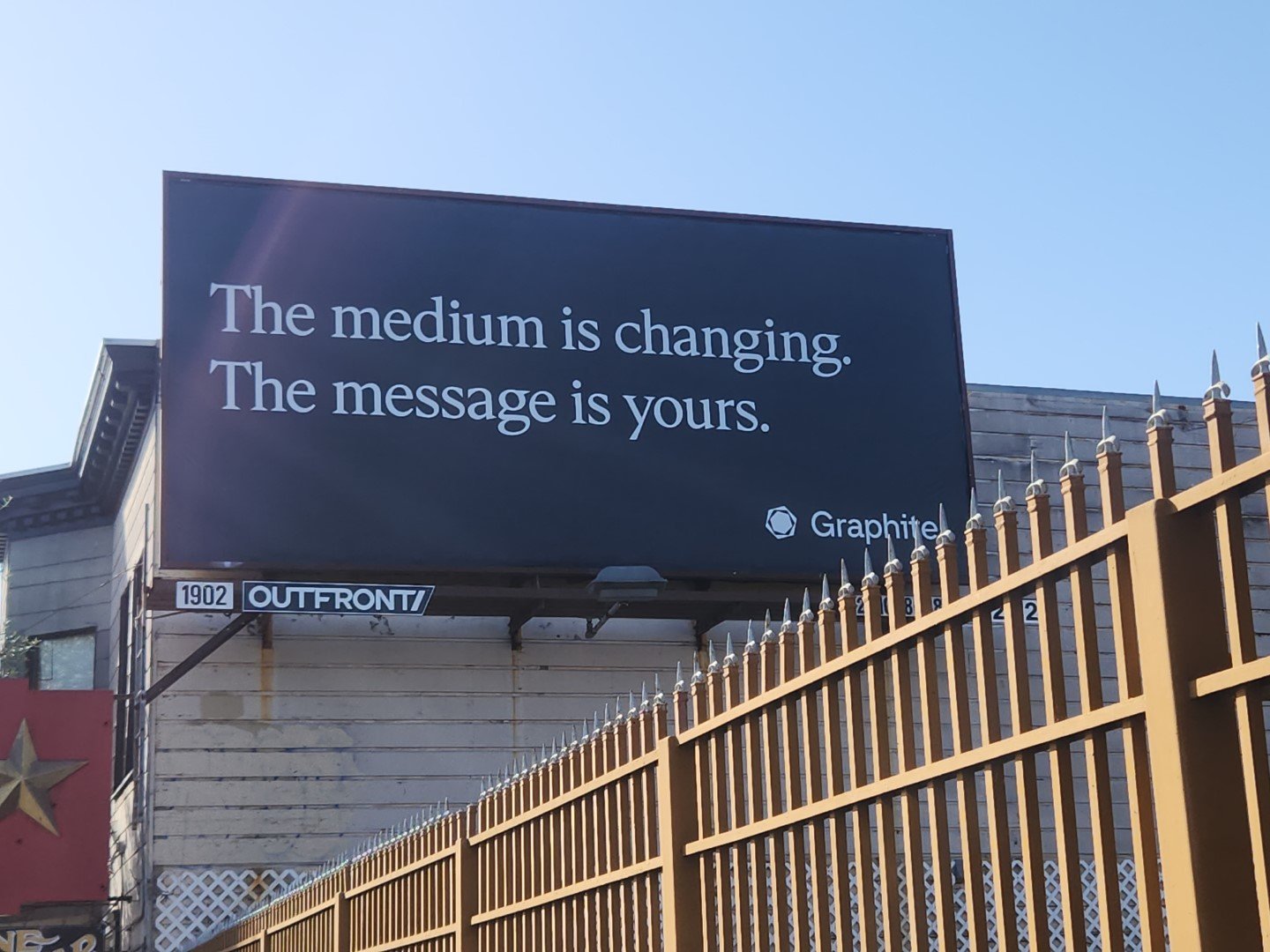
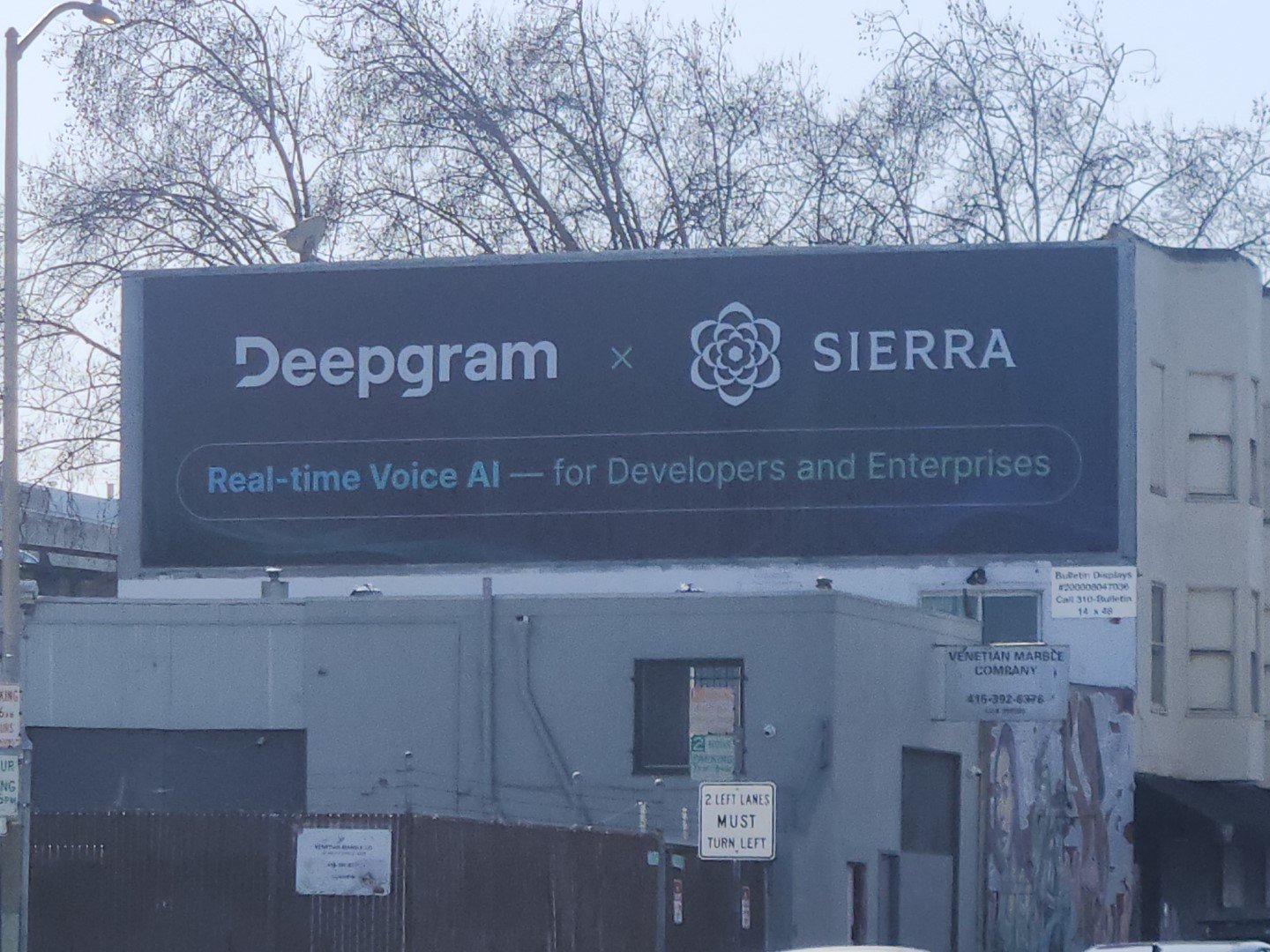
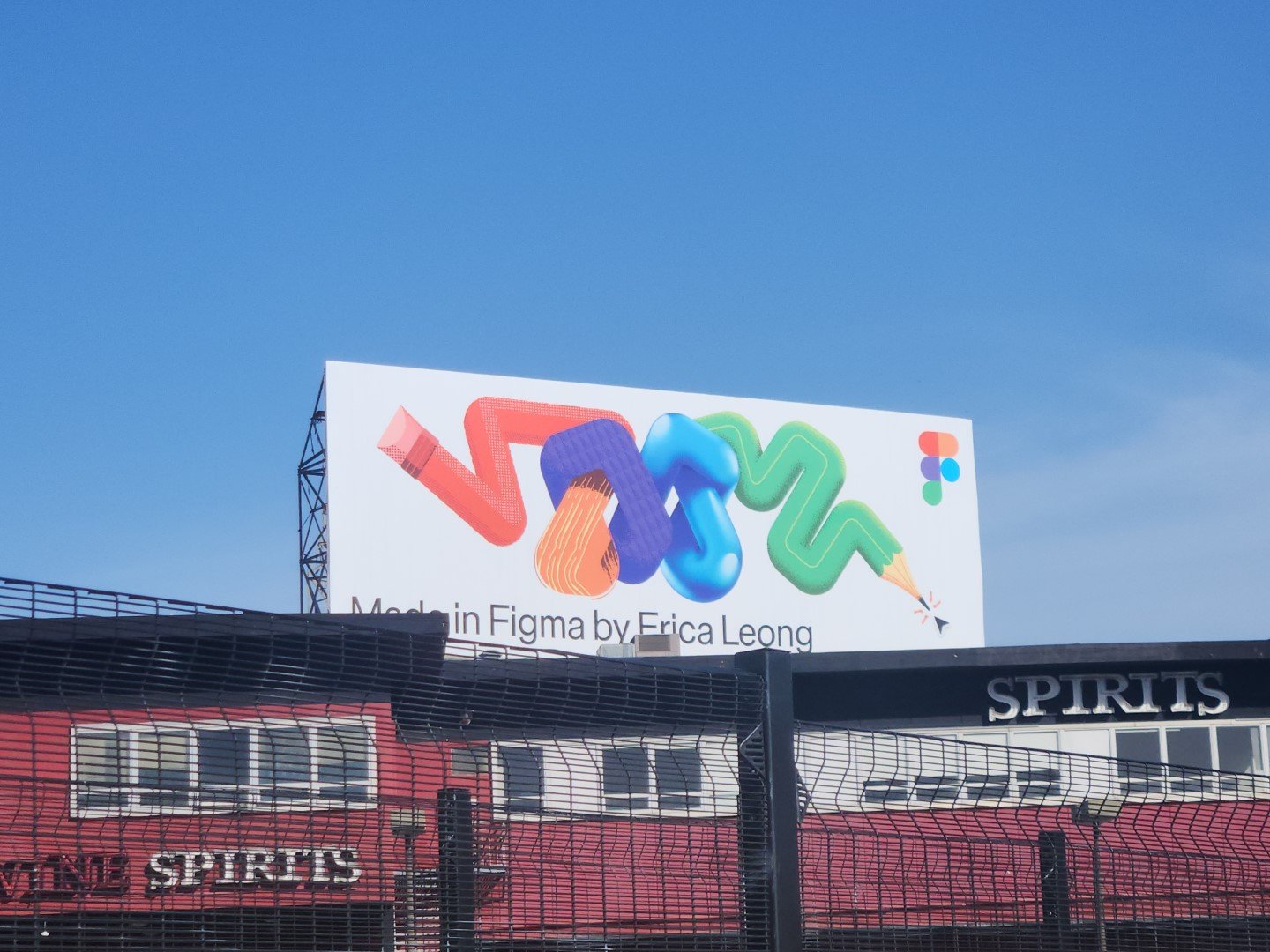
Billboards often seem to say more about the rich and powerful in a city than the actual messages. In Los Angeles there are often large expenditures for billboards promoting new movies. It is a “movie town” and the powerful would be remiss if they did not see a large photo of their multimillion dollar project along the Interstate. In San Francisco for the last few years it has all been about Artificial Intelligence or AI. Instead of billboards advertising shampoo, beer or whiskey, travel destinations or even the latest iPhones, the landscape is littered with signs for AI. It seems that almost a hundred percent of the billboards in San Francisco are AI companies. This surely tells us something about the deep pockets of the venture capital in the Bay Area that they can outbid General Mills, Coca Cola, United Airlines and Ford Motor Company for this advertising space.

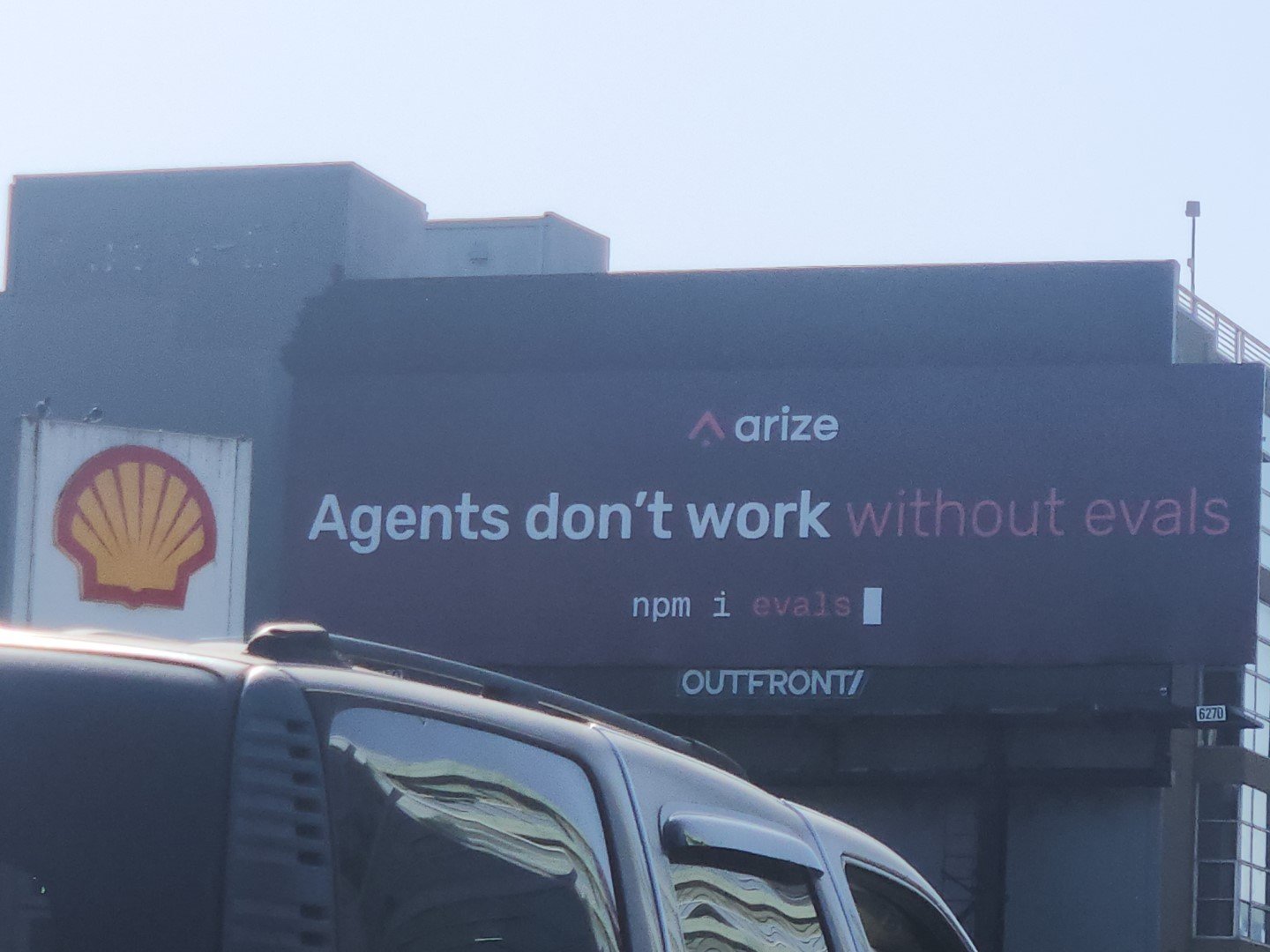
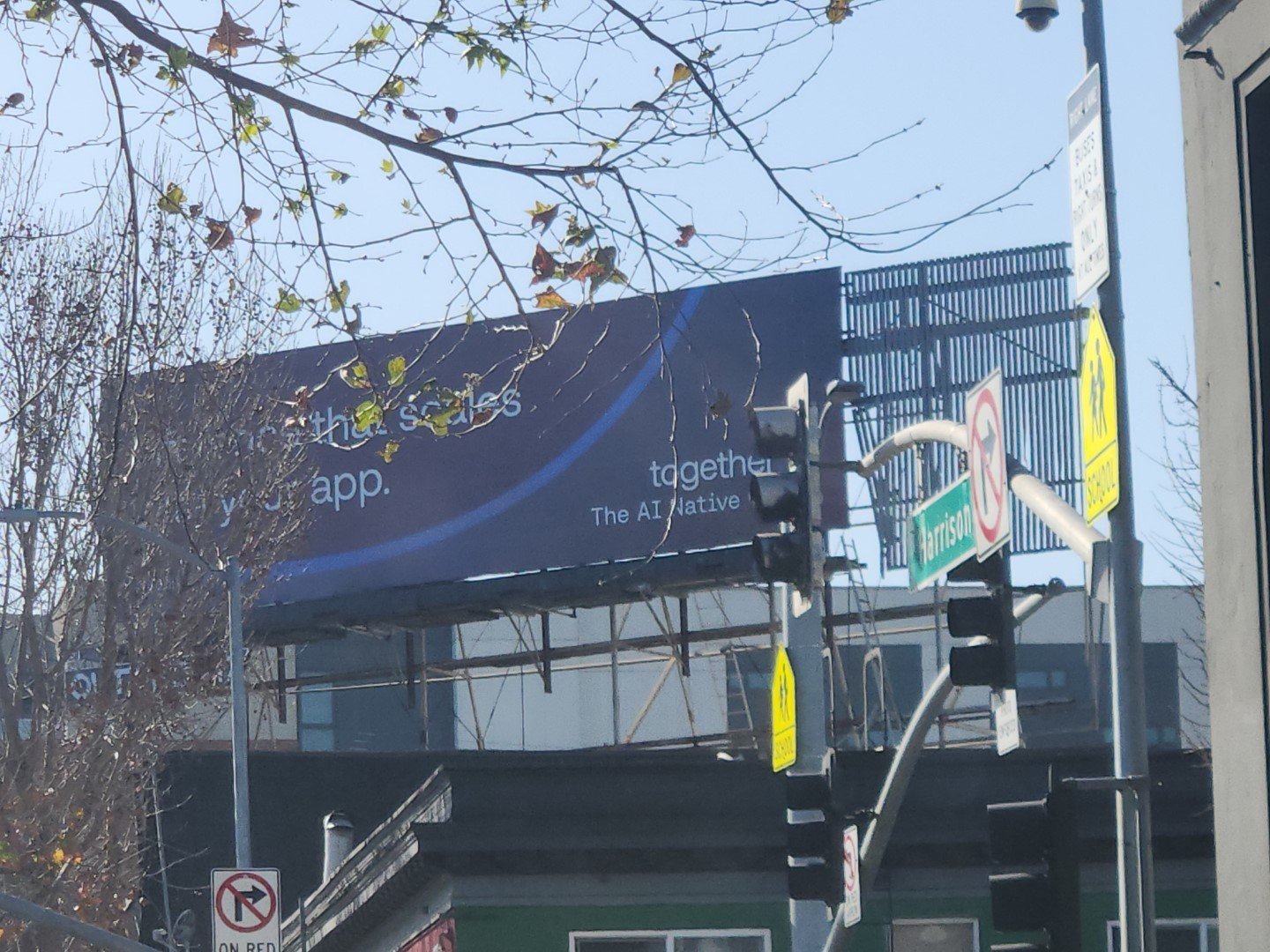
In the past, billboards would have some sort of meaning to the average person on the street. Look at this great phone. Those Doritos do look pretty tasty. I really do need to use Yahoo as my search engine. But now, most of these billboards have absolutely no meaning to the average person on the street. Perhaps most are meant to build a brand or name with the hopes of getting into the subconscious of the general populous. But often the language of these billboards is programming lingo and surely is a foreign language to most. Targeted advertising? Probably not for the tech workers looking at their phones, making their way to Menlo Park on the Google buses.
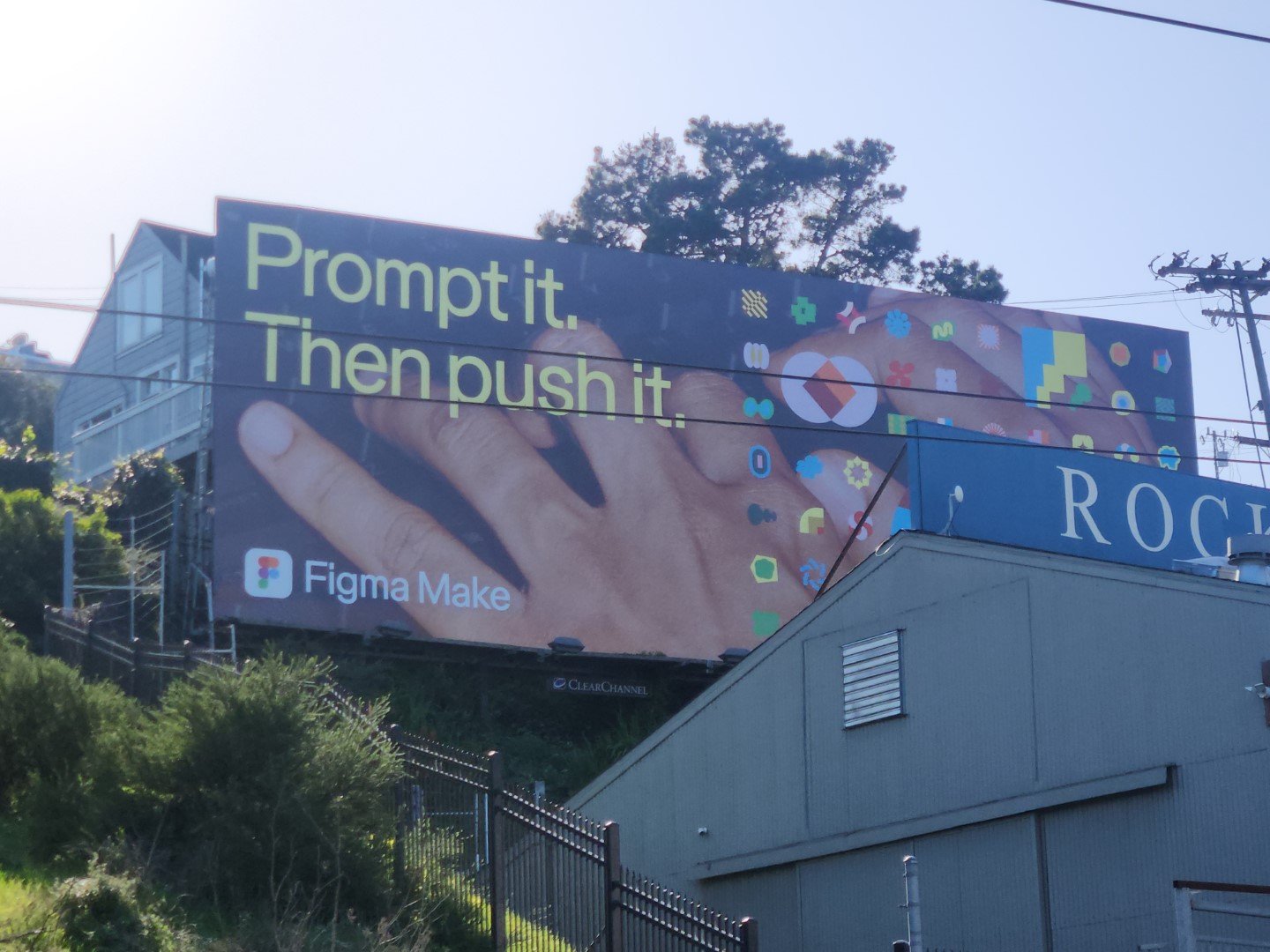
AI Billboard along Interstate 101 in San Francisco

So what does Prompt it. Then push it. actually mean?

In source control like git, you have a repository of code. Here you can see the changes that have been made over time. It makes ir so you do not lose any work and when there are bugs you can figure out what went wrong and perhaps revert to a previous version.

A command-line prompt would be something like:

git commit -m “I did all this work on my new app. Soon I shall be a billionaire.”

The “commit -m” is the “prompt” where “-m” stands for “message.” There are all kinds of prompts. It is 2026 and even though there are IDE (Integrated Development Environments) software to make things easier, programmers still use command-line prompts, like the early years of COBAL and UNIX programming.

And then to make sure none of your code gets lost somewhere, you “push” it up to the repository, often called server, now “the cloud.”

git push origin main

What is funny about the billboard that says “Prompt it. Then push it” is that in a different decade someone who was priced-out of the neighborhood might have replied “No buddy, do not Prompt it. Then push it. How about just shove it… and you know where!”

“No buddy, do not Prompt it. Then push it. How about just shove it… and you know where!”

That’s the joke in this rant.
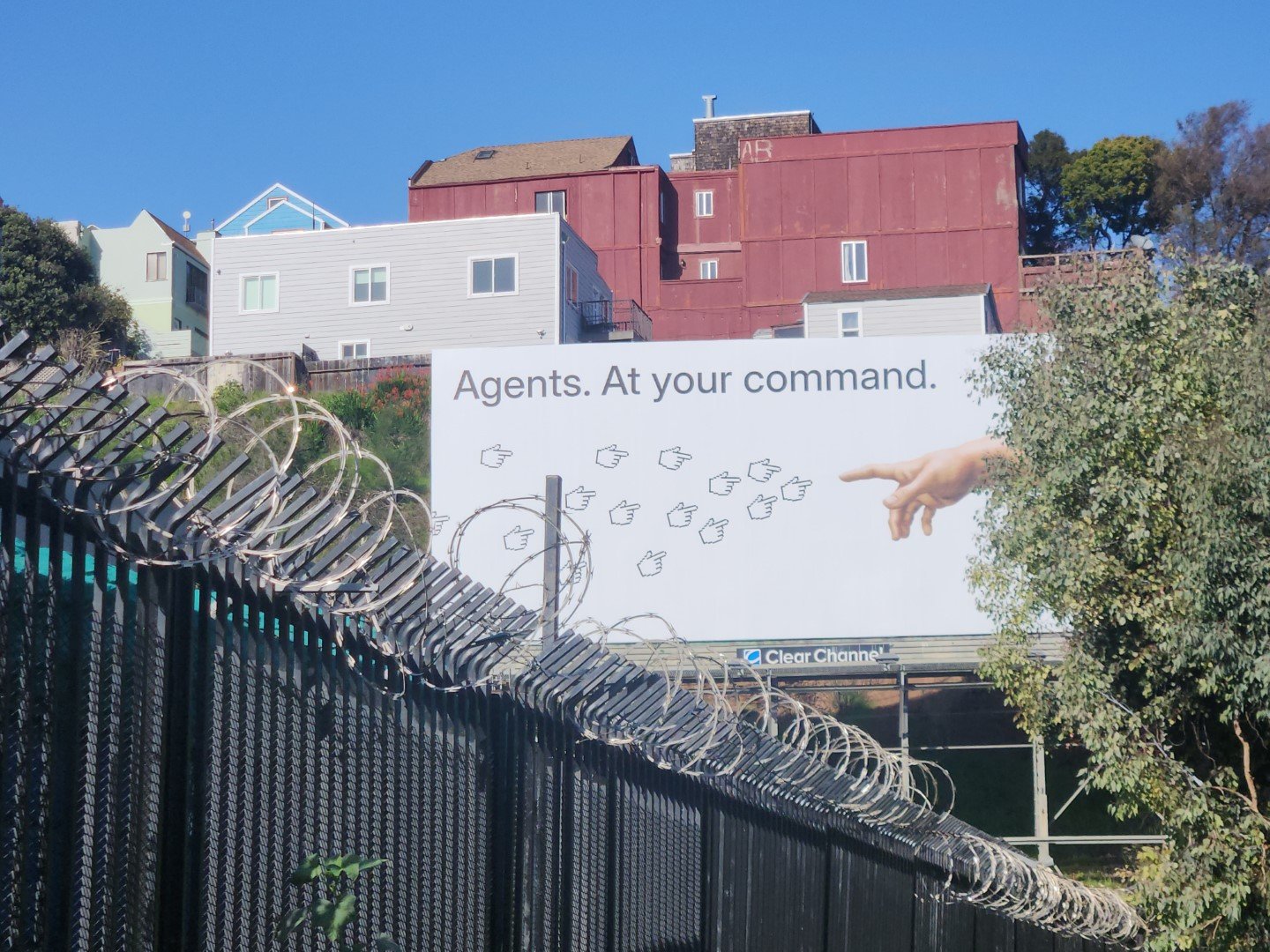
Agents. At your command.

Often there are hands on a keyboard or sometimes even hands with religious connotations in the sky looking a bit like a Leonardo Da Vinci’s Creation of Adam painting.  Another word that is used all the time is Agents.  
Modern computer culture and an excess of hubris seem to be a constant theme. Trust us. We will solve all your woes.
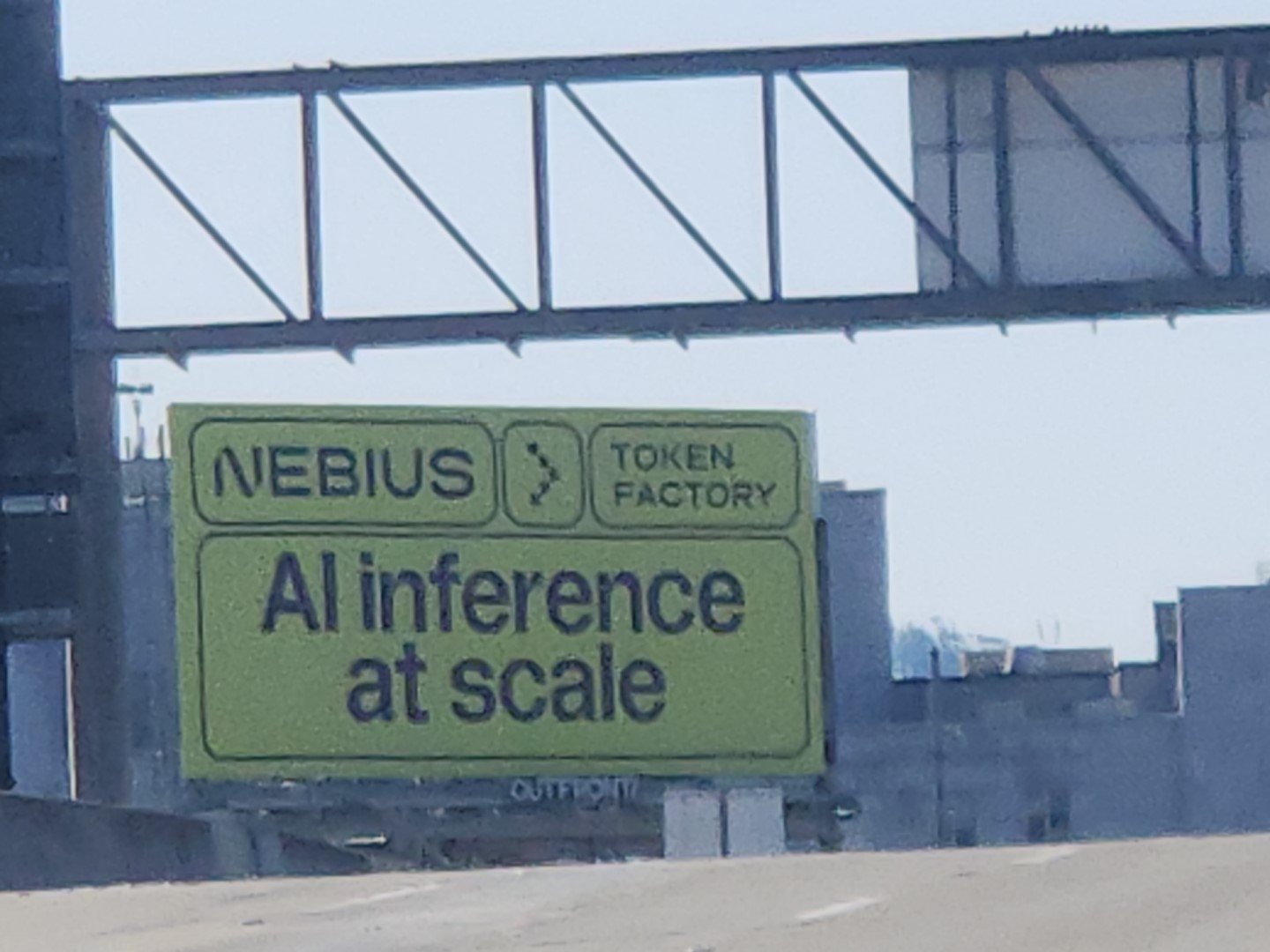
Now there is a “TOKEN FACTORY.” I am not sure what that is but I hope they have a union. Maybe ask your nephew?
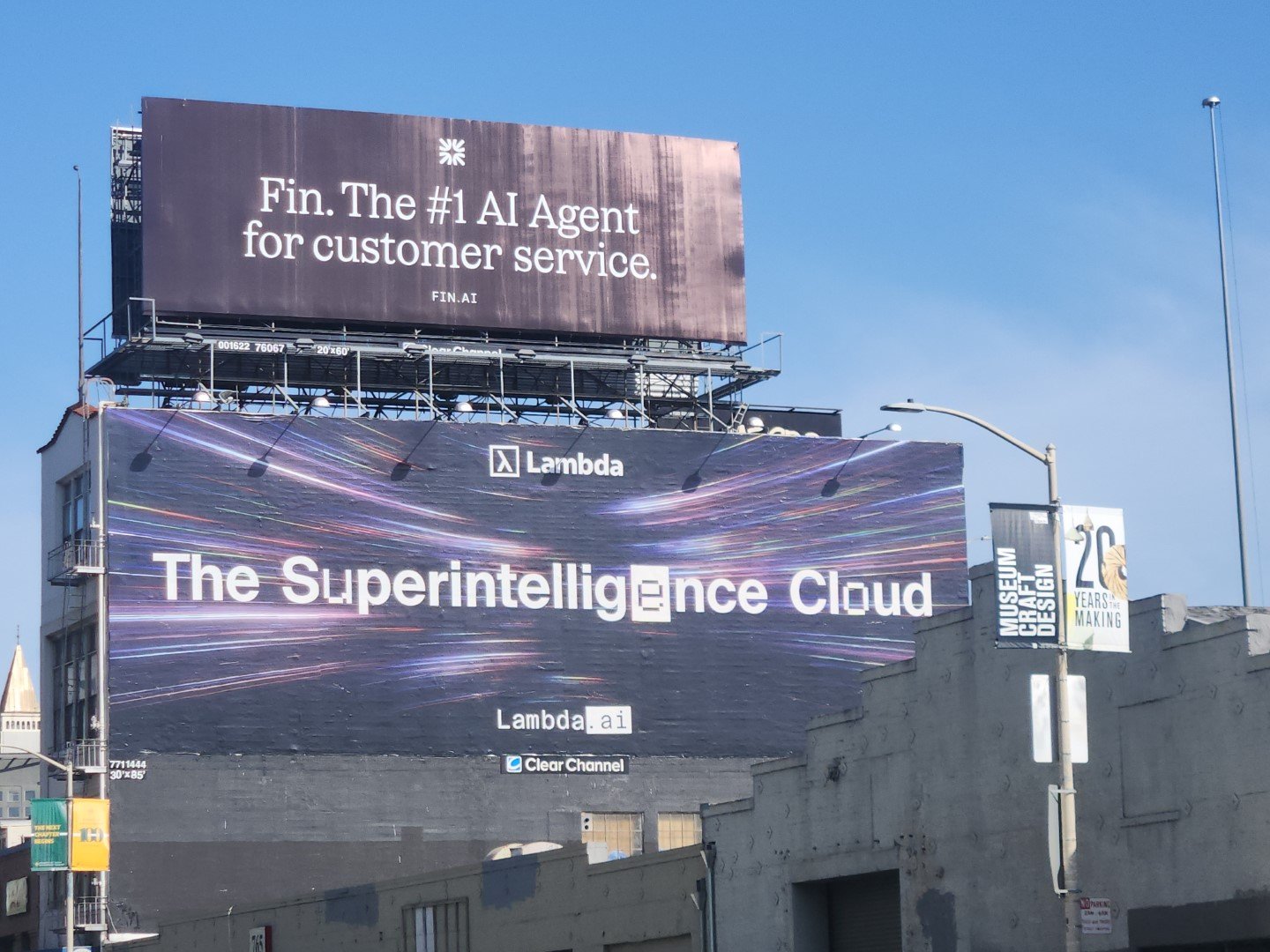
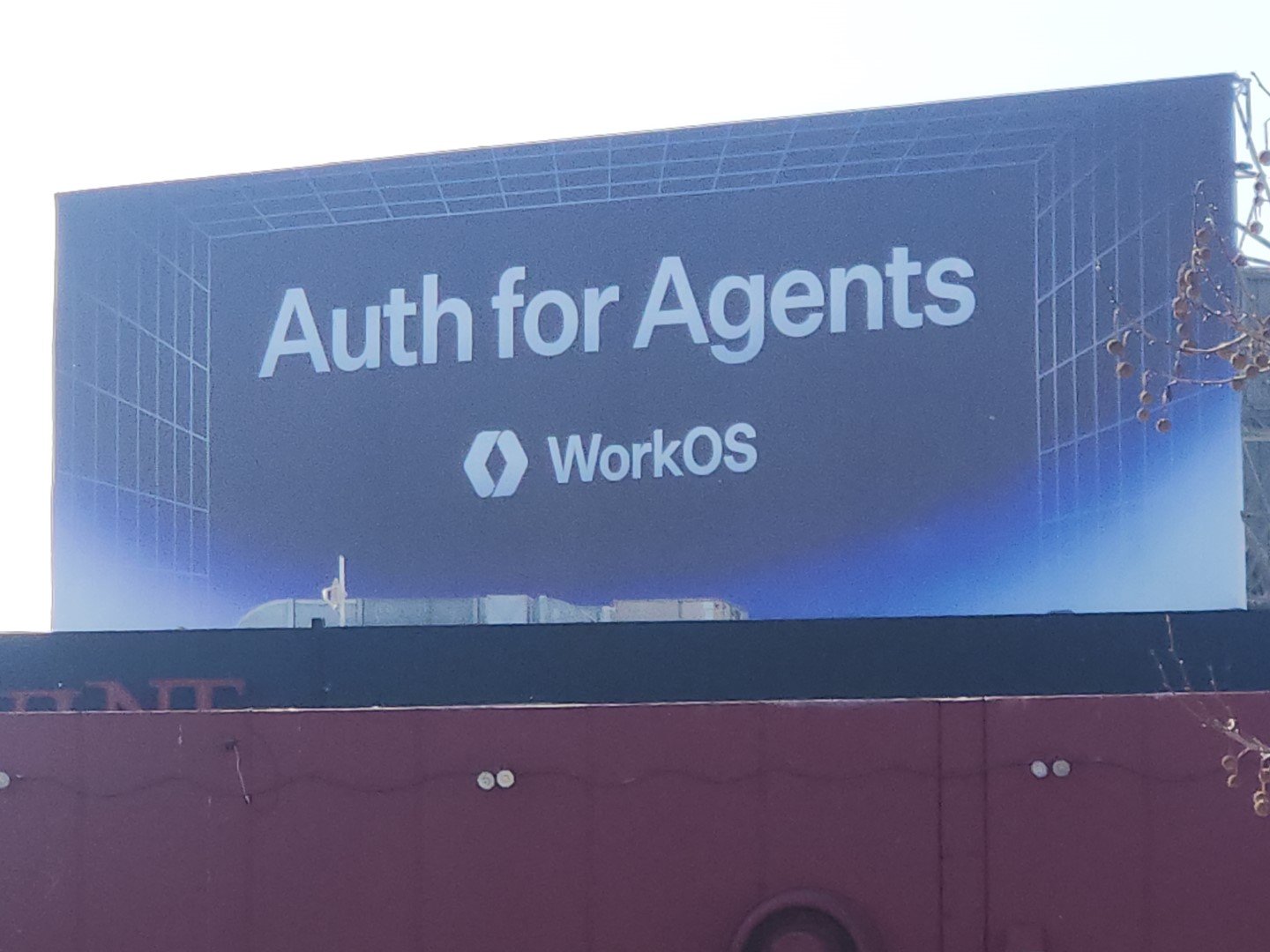
Not sure what these two mean but I suspect that the customer service jobs in the Philippines, India and Texas may be getting some layoffs in the near future. Unlike the movie The Graduate where Ben gets advised by Mr. Robinson about the one word, plastics, the new word seems to be agents.
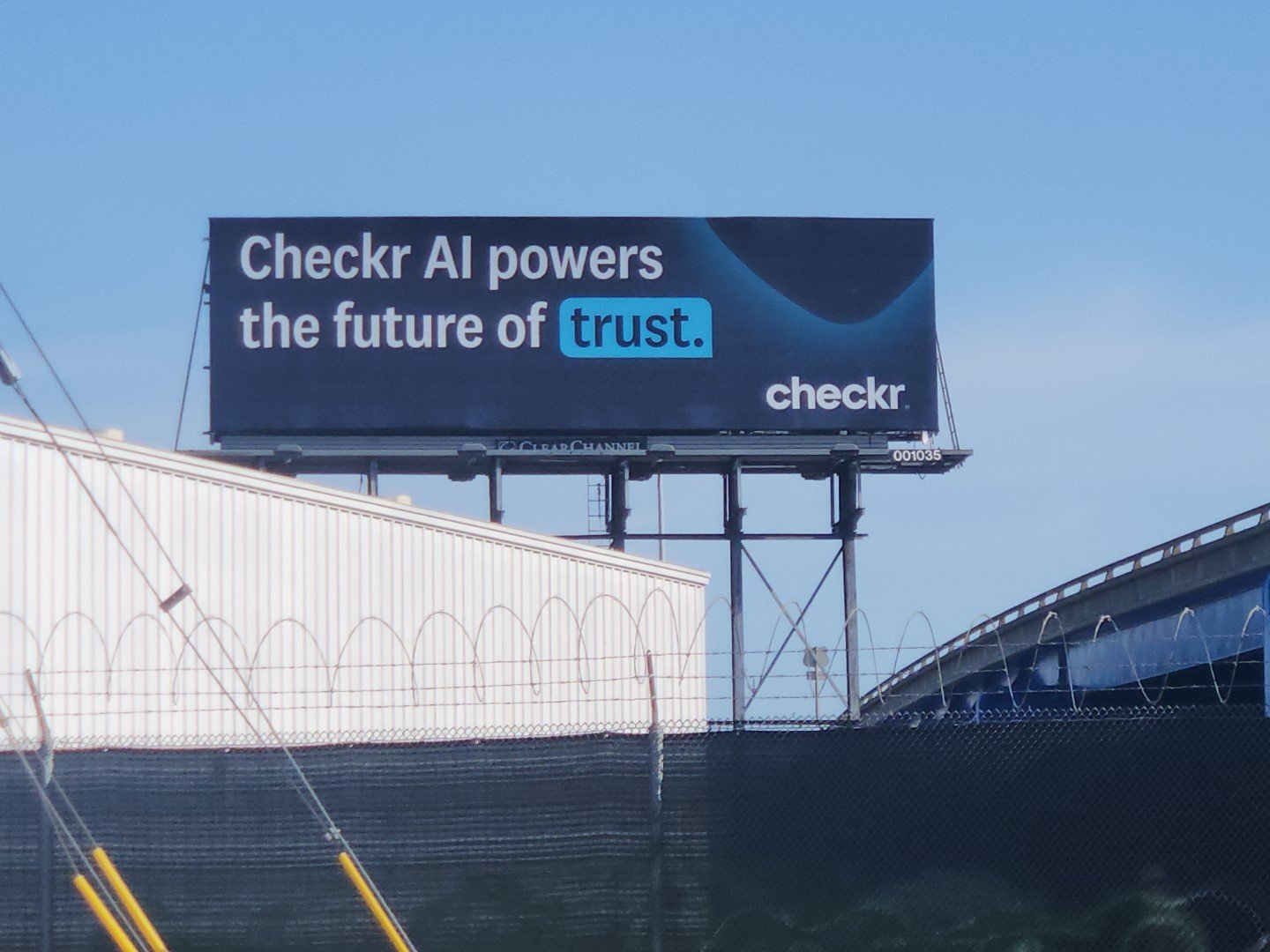

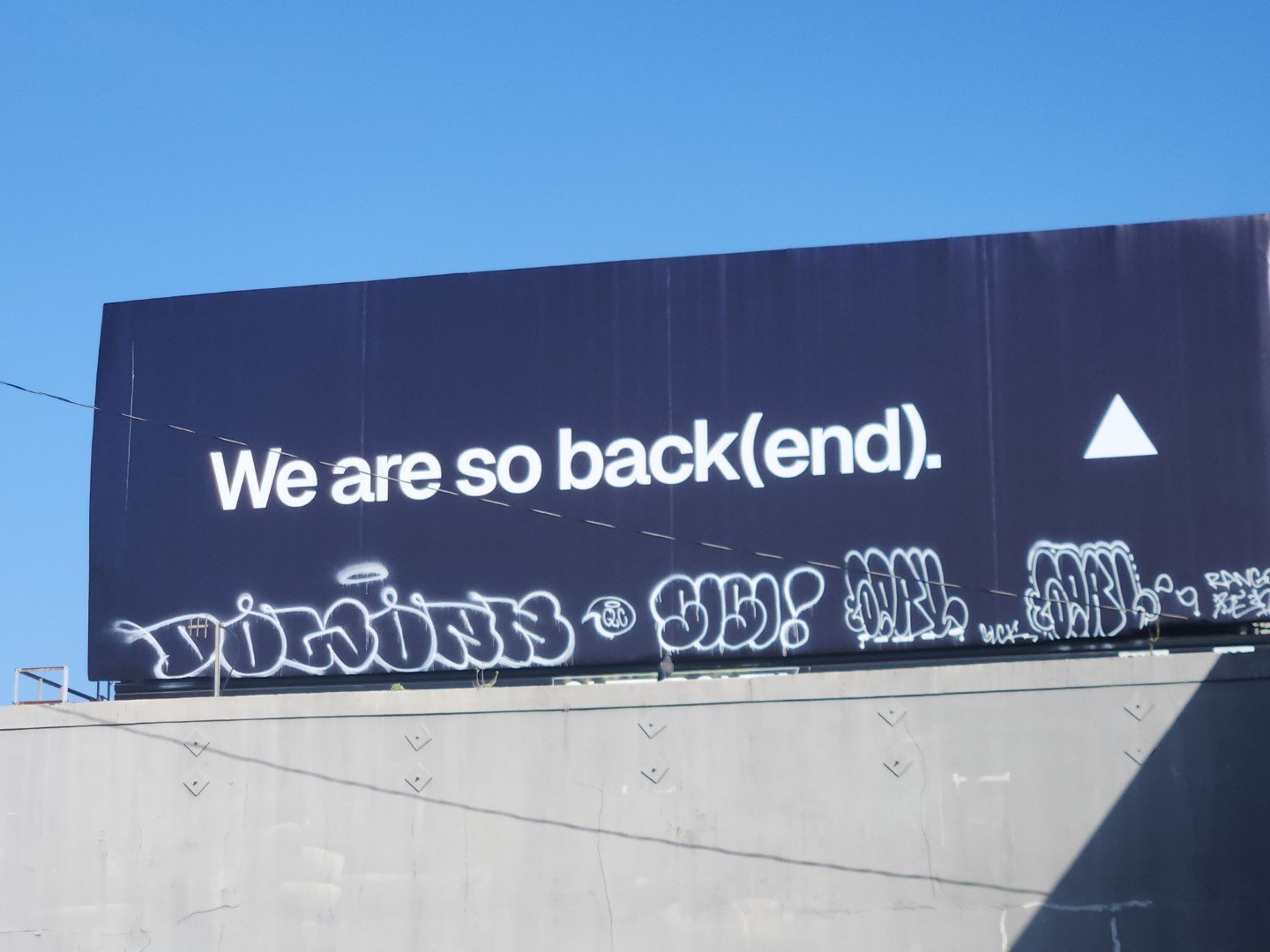
All the images above are just some of the billboards that I documented along the 101 interstate highway in San Francisco. There surely are more. One billboard actually got tagged. Not sure what that means about their “backend” but that was very “frontend.” Some things do stay the same.
In Defense of Knobs

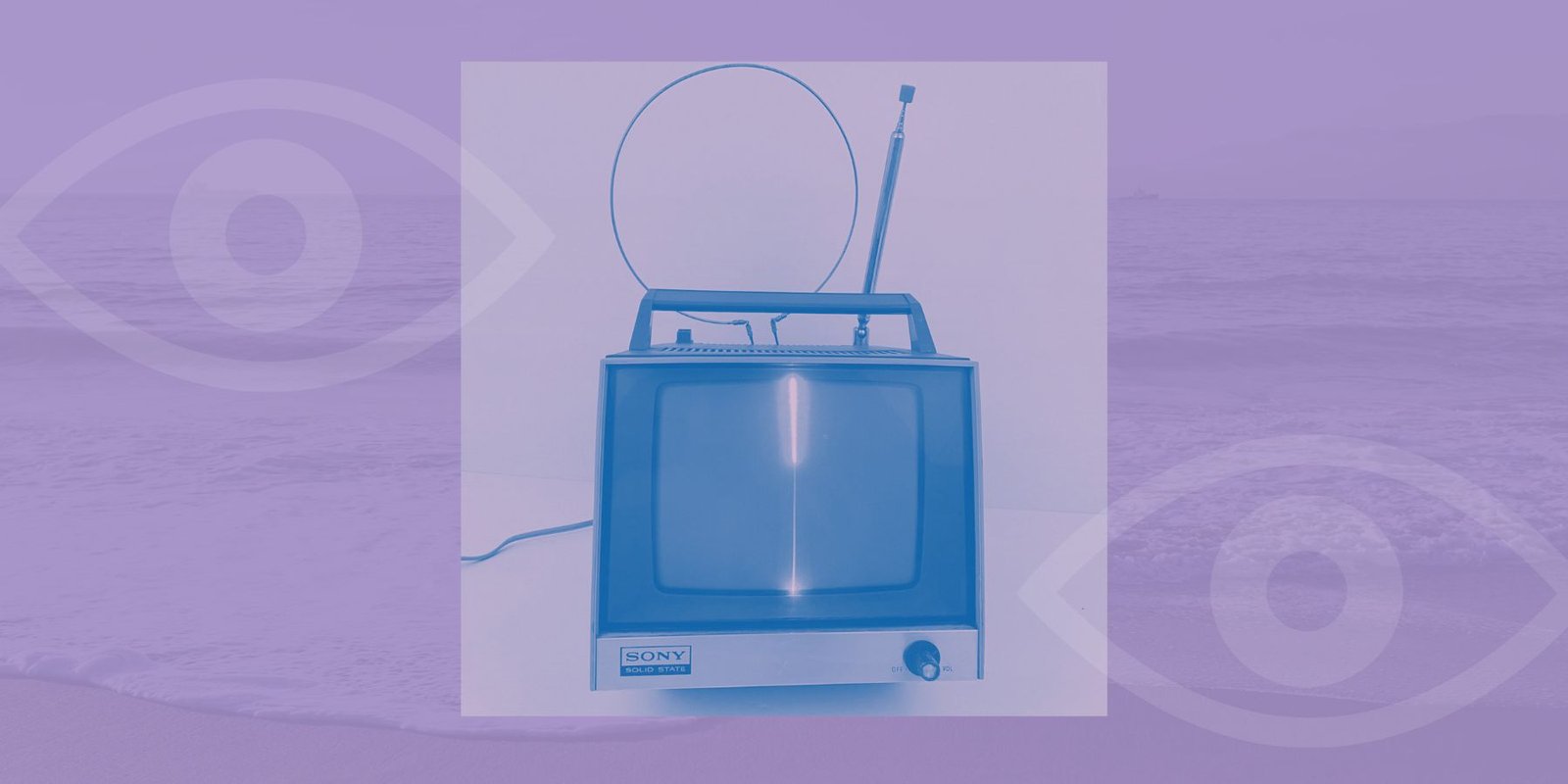
Eventually it happens. Your perfectly functioning, twenty-year-old TV becomes obsolete. When it was born it was state-of-the-art. Great color. Big screen. A remote that had the channels, the volume control and the all-important mute button. There were other buttons but they were never pushed. No need. The game is on. Let’s make some popcorn. But that old SONY is not “smart.” It does not connect to the internets. Out with the old. In with the new. A rather large Smart TV is but $200 these days. A pleasant but rather laconic young gentleman at Best Buy will get you all set up. Bring in your old set. They will recycle it for free.

The new model is a Samsung. A very nice picture and when turned on greets you with an assortment of options for entertainment that would leave you with no time to bathe, sleep or go to work. YouTube. Netflix, Hulu, Disney, AppleTV – just for starters. Anything seems possible on this thing but as time goes by you realize that you begin to feel like Humphry Bogart in the African Queen, hacking your way with a machete out of the swamp, picking leaches off your back, regretting that Kathern Hepburn dumped out all that fine gin into the river. There is no way to easily control the menu items. No way to get rid of things you will never use. New things are marketed to you like you are in a Vegas casino. Go for broke. Roll the dice. Various shows you have no interest in automatically play while you try to figure out the search features. The voice activation only works with the proper remote (not included in the box). When you do click on a “platform” you get a spinning icon with a bunch of blue juggling balls. This can go on for a 10 to 40 seconds until things load. Evidently intelligence takes time. Could I have purchased the Moderately Smart TV? Did she graduate from Smart TV University? What were her grades by the way? And what is strange is that simply playing a slideshow of your Google Photos Album is next to impossible. Once you get it working, you realize that it only plays in portrait mode. No bueno.

After a few months, I began to reminisce about the old TVs. The ones with tubes, dials and knobs. As a user you were in complete control of these beasts. Finding your show was instantaneous and automatic. UHF, VHF. Two dials and you had your channels memorized. You could turn the dial and “bamm” you were there. If the picture got fuzzy or began to float up and down, usually a swift angry bang on the side of the box would fix the matter. Was is great? No. Did the technology work? Most of the time quite well. Was it smart? Seemingly more intelligent than many of the current models.

Recently Cory Doctorow came up with the term “enshittification” for the three-stage process whereby online platforms become progressively worse for users as companies prioritize profits. The companies lock customers in, often simply by controlling their personal connections and address book and then they begin selling more ads and littering your channel. To this observer, the new “Smart TVs” are really no different. Users get locked in, then they start selling subscriptions. In some ways this “enshittification” has been going on for a long time. I remember when cable TV first started, the big sell was no ads! That did not last long. Like cable TV your Amazon Prime subscription now lets you watch many movies with this same caveat: there are ads.

Many years ago, in the 1980s, out of pity, we were given a little fourteen inch black and white model. We watched Star Trek Next Generation on that thing. Jean Luc Picard took on the Borg and came out with his brain still intact.  Joe Montana made amazing fourth quarter drives, winning games with seconds left on that box. Somehow that fourteen inch screen was larger than life. The old black and white movies, late at night on Channel 9, obviously looked authentic. And when you had had enough, all you had to do is get out of your chair and turn the knob that controlled the volume counter-clockwise all the way to the left. You heard a decisive click and the screen would flash for a second and disappear. No one knew you had turned the dial. All was quiet. I miss knobs.

Baseball, Big Pharma, 30 second ads and We Must All Just Be Sick

At one point it seemed that when you watched sports on television all you saw were either car commercials, truck commercials, insurance company commercials or fast food commercials. Everyone seemed to need both a Ford F150 truck towing off-terrain vehicles and of course – a Big Mac, fries and super-sized Coke. Some gravel road in a mythical mountain scenery with junk food trash strewn around the floor of your vehicle was the idea of nirvana. Those ads have not exactly gone away but now about a third of the commercials seem to be for pharmaceuticals whos names are as forgettable as they are sometimes impossible to pronounce.  Are these the new Greek gods of our era? “Dear Camzyos. Must I have this splitting headache for days? Ask my doctor?” Of course, at some point during the ads you get the warning about side effects. These always include nausea and dizziness, anxiety, diarrhea, muscle aches and frequently unfortunate side effects, things like death.  Oh well. Mortality has arrived, but at least my eczema cleared up and my poops were fine.

During the MLB Playoffs and World Series I have been keeping track of all the drugs advertised. Below is my running list. Remember to ask your doctor, provider or now prescriber about the list below and whether you need any of them.

Calquence – ask your doctor
Camzyos – ask your doctor
Dupixent – skin medicine
Ebdyss – skin medicine
Entyvio – ulcerative colitis
Keytruda – cancer
Panvorya – ask your doctor
Pluvicto – prostate
Ro – weight loss, Serina Williams endoresed
Skyrizi – chrons disease
Sublicade – opioid dependence
Tremphya – ulcerative colitis
Vandos – In the pursuit of happiness (this is a pharmaceutical company)
wegovy – weight loss
Xiafra – eye medicine

The irony of this advertising on such a large stage is that we live in an age of targeted advertising. Online we see ads dependent on what web sites we have visited and what products are in our “carts.” That a company has such deep pockets with niche “products” to buy ads in the expensive World Series market says something about the chicanery in our healthcare system. Health insurance premiums are going up.  Soon, many people will not have health insurance at all. Sorry for the buzz-kill folks. It may be time to pop a few Vandos.

Rants and More Rants – Everyone is a Customer

We live in a time when everyone is a customer. People are no longer citizens, patients or students.

People do not see themselves as citizens. Sacrifices are just for suckers. Many people voted for Donald Trump because they liked his brand and product and did not like Harris’s laugh. They chose a president like they would toilet paper. They identified with his selfishness and saw themselves or a version of themselves.  Rich, selfish, scatterbrained, pugnacious, white, demanding and full of ego. Game the system. Look out for number one. Greed is the new virtue.

The health care world no longer has patients. Now they are customers. “Would you like a pill for that problem? On a scale of one to ten, what is your pain level? After the visit, please fill out this survey to let us know how we are doing.” It is not about health care but more about money.  Customer satisfaction is our goal! Oh. Sorry about that opioid epidemic and all those dead people. We got them hooked on those funny pills.

In universities people are no longer students. If a professor can no longer entertain the class, she gets bad reviews. Make students read books. You must be out of your mind! With the advent of the cellphone, the majority of students go to college having never read a single book from cover to cover. I brought this up online about five years and the parents got quite defensive. It has just gotten worse.

No, our average graduate literally could not read a serious adult novel cover-to-cover and understand what they read. They just couldn’t do it. They don’t have the desire to try, the vocabulary to grasp what they read, and most certainly not the attention span to finish. For them to sit down and try to read a book like The Overstory might as well be me attempting an Iron Man triathlon: much suffering with zero chance of success.
Hilarius Bookbinder Mar 31 Guest post – Persuasion Newsletter

The student is now a customer. Anything that makes them uncomfortable and they simply do not show up. An opposing point of view? An angle that is perhaps rarely seen? Reading that is difficult with big words? Learning to expand the mind? No. Sorry. I am here because if I get this degree it will hopefully mean I will not have to work in fast food, microwaving hamburgers for the next thirty years.

The irony is that we live in a world when in past times you were actually a customer. Gas stations pumped your gas. Baggers in grocery stores were common. A travel agent would make sure you got the right flights when things got complicated. When you called a company for information, you could actually talk to a real person. Maybe now we are often just disgruntled customers.

Keep it small and in the neighborhood. That’s what I say.

That is my rant for today. I am sticking with it.

Rants and More Rants – February 2025

I have created a new category Rants and More Rants. It is where I can write rambling screeds and jump from topic to topic. In George Carlin’s monologues he would often break into these types of rants by starting with “whhhhhhhhhhy”?  Sometimes in this crazy world, you have to just freestyle it.

I don’t know anything and have no perspective, but here is my comment…. I feel better now.
Barnstorm in 2013 on the defunct website Stoke Report

Why do the security people at federal buildings allow Elon Musk and his henchmen in the door? How is it possible that a private citizen can access government systems without security clearances? It is more difficult for a seventeen year-old to get into a bar these days.

Why are half the people interviewed on news shows from the Heritage Foundation?  Does the Heritage Foundation have a monopoly on white guys in ties talking about politics or the state of the news? Rarely do you get the likes of Ralph Nadar, Noam Chomsky or hundreds of other qualified and intelligent people on the main-stream press. Why does David Brookes always get the mic? He is one guy. We all know what he is going to say.

Why was there so little reporting about the avian flu before the election? Before the election many people thought the price of eggs was all Joe Biden’s fault. The media did little to report on what was actually happening. The larger issue is about large agribusinesses and large egg farms with 10.000 chickens all coughing in each other’s beaks in unison.

Why does the media rarely delve into the history of a subject but instead writes about personal narratives and a conflict? You see this with wars, environmental tragedies and the medical world. One after another stories about a transgender person struggles or running from a hostel environment. Endless pictures of transgender people and the narrative is always right versus left. Conservatives versus liberals. Never in the discussion is the recent history of the 2013 DSM 5 which is the real reason for this sea change. Rarely do you hear of the AMA (American Medical Association) or the AAP (American Academy of Pediatrics) and their medicalization of gender and their ability to profit off of the DSM 5.  Why not interview right-wing doctors and their take on the AMA? Why are the pharmaceutical companies not held to account for the fentanyl crisis? In 2025 the media seems to think that its goal is simply to confirm people’s biases, make issues into binary conflicts and do corporate America’s bidding.

Why are street cleaning tickets in San Francisco $97?
Seems a bit extreme for a situation where the city drives a truck around and mostly just blows the trash and leaves from one side of the street to another. Knock on wood. I have not had a ticket in a long while.

Those are my rants. “I don’t know anything and have no perspective, but here is my comment…. I feel better now.”