The Atlantic – How to Stop a Civil War – The December 2019 Issue

The Atlantic

Totally redesigned with a custom typeface. Magazine journalism at its best. Subscribe to The Atlantic today!

With the rapid decline of thoughtful, diverse journalism, The Atlantic’s latest issue is excellent, taking on the current volatile political and cultural climate as a theme. The articles are always at least a few pages long and seem to go a bit under the hood. Many pieces are collaborative ventures with two or more writers. This brings a depth that you would not get with a single voice.

Below are some quotes from “The Dark Psychology of Social Networks.” by Jonathan Haidt,
Tobias Rose-Stockwell


From The Decline of Wisdom from The Dark Psychology of Social Networks – The Atlantic

In 1790, the Anglo-Irish philosopher and statesman Edmund Burke wrote, “We are afraid to put men to live and trade each on his own private stock of reason; because we suspect that this stock in each man is small, and that the individuals would do better to avail themselves of the general bank and capital of nations and of ages.” Thanks to social media, we are embarking on a global experiment that will test whether Burke’s fear is valid. Social media pushes people of all ages toward a focus on the scandal, joke, or conflict of the day, but the effect may be particularly profound for younger generations, who have had less opportunity to acquire older ideas and information before plugging themselves into the social-media stream.


Our cultural ancestors were probably no wiser than us, on average, but the ideas we inherit from them have undergone a filtration process. We mostly learn of ideas that a succession of generations thought were worth passing on. That doesn’t mean these ideas are always right, but it does mean that they are more likely to be valuable, in the long run, than most content generated within the past month. Even though they have unprecedented access to all that has ever been written and digitized, members of Gen Z (those born after 1995 or so) may find themselves less familiar with the accumulated wisdom of humanity than any recent generation, and therefore more prone to embrace ideas that bring social prestige within their immediate network yet are ultimately misguided.

JONATHAN HAIDT,
TOBIAS ROSE-STOCKWELL
From The Decline of Wisdom from The Dark Psychology of Social Networks – The Atlantic


The polar icecaps are melting, the world is now run by reality TV stars,  Mark Zuckerberg and Facebook peddle lies, Jeff Bezos is the “borg” and now wisdom is in sad shape. Keep positive.

Theodore Roosevelt and Elizabeth Warren – The Similarities Abound

An angle not represented in the media is the similarities in the policies and platforms of Theodore Roosevelt and Elizabeth Warren.  In the media, most often there is this constant score keeping of who is on the left or right and how someone went further in a certain “directon.” Elizabeth Warren’s proposal for universal healthcare put the media in a tizzy.  “Good grief! That is socialism! Elizabeth Warren has gone further to the left!”  In the New York Times you can read The Billionaires Are Getting Nervous about the possibility that they would be taxed more than they are now and how the economy will be in shambles if we help poor people with healthcare. A pretty odd headline when you consider that billionaires have in essence little to be be nervous about. They do not have to worry about their next meal, surely have a fancy private doctor and will always have a roof over their heads – probably three or four mansions. Really? Nervous? That Trump slashed the marginal tax rate by 21% for billionaires  just increased the inequities in the United States. Let’s not worry about the billionaires and their anxieties that they may one day be simply millionaires and maybe even have to stand in line at the DMV.

In all aspects of modern life and especially in marketing, social media and politics the maxim that “perception is reality” seems to gain more and more traction.  The phrase “perception is reality”  is a simplification  of an 18th century theory called “immaterialism” or “subjective idealism.”  It’s the childish notion that something does not exist if it is not perceived. It elevates reality to only things that are registered in our senses.

Theodore Roosevelt was male. Elizabeth Warren is female. How could these two people be possibly similar? They look so different. One is a vigorous macho male who traveled to Africa to shoot wild elephants. The other a very smart, experienced, competent woman who probably has never shot a wild boar, a deer or even a pheasant! Simply look beyond the covers and the similarities abound. Let me list out the similarities. I will put Roosevelt’s name first just because he came first and is now dead, not because he is a guy.

Both Theodore Roosevelt and Elizabeth Warren where once Republicans who left the Republican party.

After being the youngest president and a Republican, in 1912 Roosevelt left the party and helped formed the Progressive “Bull Moose” Party which called for wide-ranging progressive reforms.

Elizabeth Warren was a registered Republican from 1991 to 1996. She now is running for president as a Democrat.

Both Theodore Roosevelt and Elizabeth Warren proposed universal healthcare.

Roosevelt saw the government as a crucial force in regulating industries to improve the health of people. He saw through the Pure Food and Drug Act, Meat Inspection Act. While Theodore Roosevelt lived at a time before antibiotics and had infected abscesses in his leg craved out with a sharp knife,  you get a sense that he believed in some form of universal health care with the government playing the prime role.

“Of all the questions which can come before this nation, short of the actual preservation of its existence in a great war, there is none which compares in importance with the great central task of leaving this land even a better land for our descendants than it is for us. Let me add that the health and vitality of our people are at least as well worth conserving as their forests, waters, lands, and minerals, and in this great work the national government must bear a most important part.” Theodore Roosevelt – 1910

Elizabeth Warren has a  Medicare for All plan which gives everyone good insurance and cuts their health care costs to nearly zero – without increasing middle-class taxes one penny.

Elizabeth supports Medicare for All, which would provide all Americans with a public health care program. Medicare for All is the best way to give every single person in this country a guarantee of high-quality health care. Everybody is covered. Nobody goes broke because of a medical bill. No more fighting with insurance companies. Elizabeth Warren – 2019

Both Theodore Roosevelt and Elizabeth Warren saw the monopolies of their day as a problem.

Roosevelt through anti-trust laws was able to break up the railroads and regulate food industries and big-oil.  The list is long and complicated, but like our present era of vast income inequities, the early 20th century had its similarities with vast fortunes in very few hands

Elisabeth Warren wants to breakup the tech monopolies like Facebook, Amazon and Google. If Teddy Roosevelt were alive today, he would do the same thing.

Perception is not reality. Reality is the actual stuff that exists even if we do not see it. It is the stuff under the glossy cover.

The 2019 World Series and a Geography Lesson Ignored

It is October 30th, 2019 and the Washington Nationals have won the World Series in seven games over the Houston Astros. The winning coach, Dave Martinez is the first manager of Puerto Rican decent to win a World Series. Washington has not won a World Series since they were the Washington Senators in 1930. This years’  Washington Nationals won all their games in the Astros’ ballpark. In any major sport, the visiting team always winning away games in a series playoff is a first. Baseball, though there are but four bases and one simple objective – to run around them and get home, always has a way of  discovering the unusual and the unlikely.

One thing that was not unusual and unlikely, but clearly in view, were all the Latinos on both teams. The list of countries are many –  Mexico, Venezuela, Puerto Rico, Cuba, Dominican Republic and even Brazil.

Houston Astros 40 Man Roster
5 Cubans
3 Dominicans
2 Mexicans
1 Puerto Ricans

Washington Nationals 40 Man Roster
1 Cuban
5 Dominicans
2 Venezuelans
1 Brazilian

That the Fox news coverage just ignored the geographic and cultural origins of these professional baseball players that come from the West Indies was strange but perhaps predictable for a network that  is often xenophobic and has an uncanny ability to ignore the obvious. It was a great learning moment lost. North Americans’ knowledge about geography has for many years been very poor.

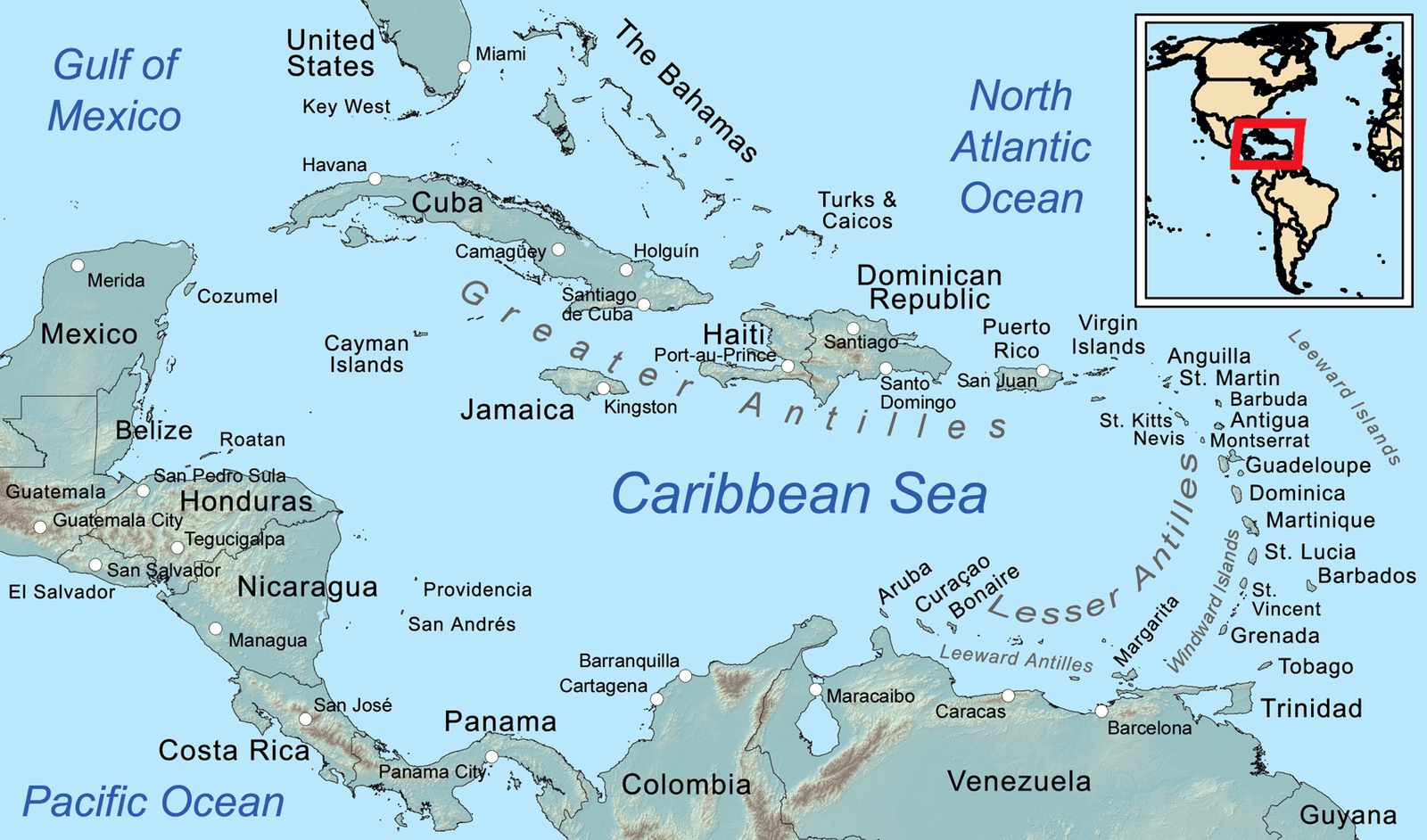
Let’s review a map of the Caribbean

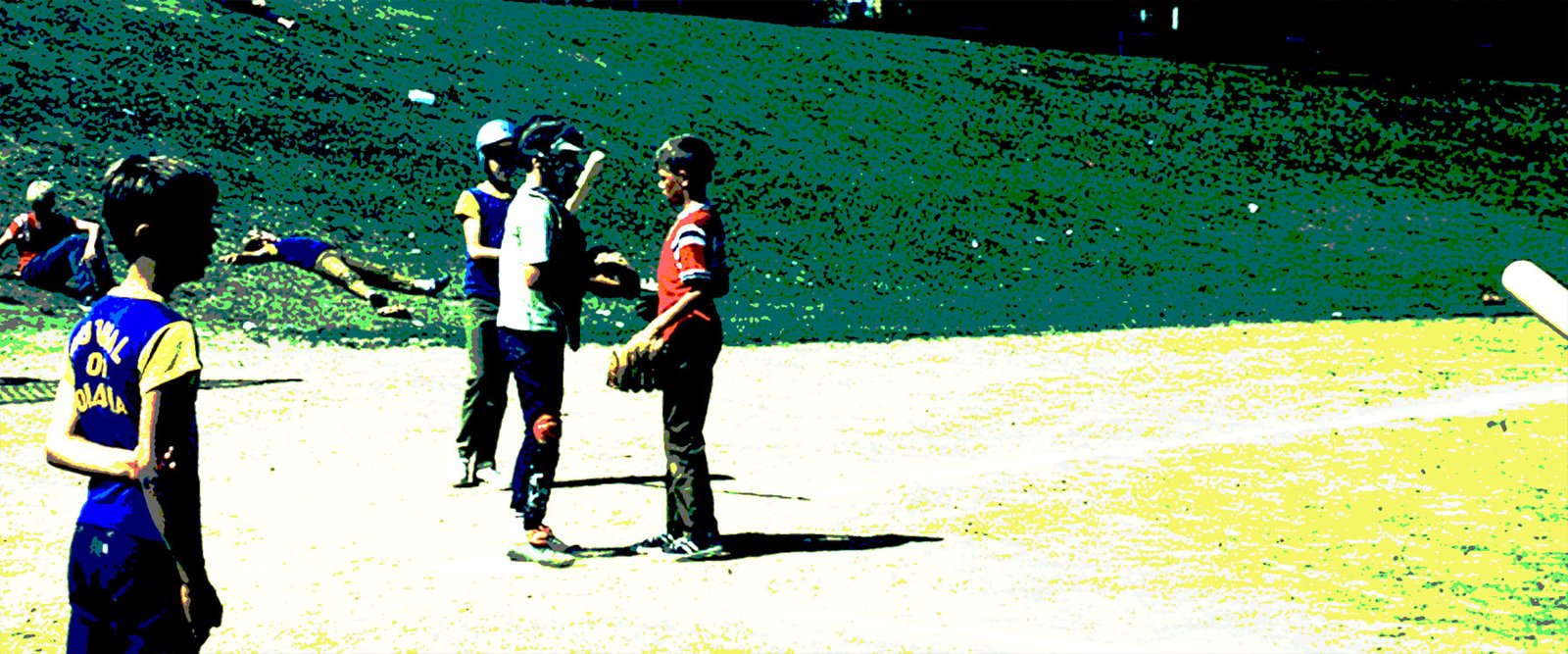
That about a quarter of all the players in the 2019 MLB World Series came from the Caribbean. One can just imagine these players as kids being outside all day, playing with whatever gear was available. Perhaps at times rags or socks for the ball. A broomstick for the bat.

Besides players that were born in the Caribbean, many players were of Latino decent. Anthony Rendon is a third generation Mexican-American from the visiting teams hometown of Houston, Texas. I think that Rendon should have been named the  MVP of the series. His incredible Zen-like detachment was amazing to behold. It did not matter whether he hit a home run or struck out, he maintained the same steady detached demeanor – in the midst of the unknown, tranquility was not to be disturbed. Marcus Aurelius, the great Stoic philosopher would have enjoyed his approach.  George Springer on the Astros, while raised in Connecticut, has Latino roots. His father’s family is from Panama and is mother is Puerto Rican. There were probably more examples, but that is what I found.

The baseball season is over, the autumn chill is in the air and winter is around the corner.

There were three men down
And the season lost
And the tarpaulin was rolled
Upon the winter frost – Night Game – Paul Simon

Harry Belafonte – My Song: A Memoir of Art, Race, and Defiance – A Review

A good friend recommended Harry Belafonte’s  My Song: A Memoir of Art, Race, and Defiance. Knowing little about Belafonte beyond songs like Jamaica’s Farewell and Day-0.,  I bought it online for around five bucks with free shipping – basically I got the book for free. It is a hard cover version on that luxurious linen paper with wide margins –  a library discard from the Southwood Library in Calgary Canada.  That a book from 2012 is so soon discarded seems odd. That it is a memoir of Harry Belafonte, one of the most successful entertainers of the 20th century with an incredible life of civil rights work and activism, adds to the mystery. Everyone, including the dear Canadians – slow down. Indeed, value has been turned upside down. In the end, it was my gain and Calgary’s loss.

It is possible to learn a great deal about the civil rights era simply through the lens of My Song: A Memoir of Art, Race, and Defiance.  It is safe to say that Harry Belafonte not only was in the middle of the civil rights movement, he was a key historical figure and instrumental in the struggle for justice and equality. The book begins in 1964 like a screenplay.  Harry Belafonte  is attempting to convince his long time friend Sidney Poitier to help him on an unusual mission. He has $70,000 in cash in a leather doctor’s bag that he has raised and needs to deliver the money in person to the  SNCC (Student Non-Violent Coordinating Committee) who at the time where doing lunch counter sit-ins and other non-violent acts of civil disobedience. The money was to help the SNCC in many ways but most  often for legal support and bail.  It was not the first time that Harry Belafonte had financially supported people and organizations in the “movement” during the civil rights era.  It would not be his last.

The beginning of the book is meant to draw you in to a defining moment in Harry’s life. This dramatic start of the book helps pull the reader in and is effective, but many other moments and amazing happenstances fill the pages.  When people live to be over ninety, often their lives take on an unreal, mythical,  Forrest Gump-type of narrative. Their lives become like historical fiction, similar to an E.L. Doctorow novel, where meetings and scenarios seem made up and impossible. These unbelievable scenes fill the pages. Not to spoil the book, let me recount a few in the remarkable life of Harry Belafonte.


Late 1940’s – Early 1950’s

After returning from his deployment in World War II, Harry studied acting in New York City on the GI Bill. In his class were Marlon Brando, Walter Matthau and Tony Curtis to name a few.  Pretty fine acting company. He then would go on to be friends with this group for his entire life.

At the same time, when he was but twenty years old, Harry would hang out at the Royal Roost in Harlem with the likes of Lester Young and other be-bop legends who encouraged his talents. Harry Belafonte was crazy about Lester Young. According to the memoir, the first time that Harry sang on stage, which happened to be an intermission gig at the Royal Roost, the entire Charlie Parker band, Tommy Potter, Al Haig and Max Roach got up on stage and backed him up.  You cannot make this stuff up. The musicians did it just to help the new kid out.

Early 1960’s

In little time his singing career took off and Harry was a leading voice in the folk revival of the early sixties.  It was a dynamic time when folk music had made its way into all parts of society.  In Vegas you could get the whole room to join you in Pete Seeger songs like If I Had a Hammer.  The next week Harry would be speaking at a demonstration,  on the street perhaps leading a song. The idealism must have been intoxicating.

Soon you learn that Harry’s hero is Paul Robeson, the great singer and political activist. He learns a lot from Robeson and is moved to activism by his spirit. Major figures of the 1960’s are his close friends.  Harry becomes the conduit between his good friend Martin Luther King and John F. Kennedy, oddly bridging the racial and cultural divide between a Southern Baptist preacher and a blue-blooded northern Irish Catholic. He also talked regularly with Bobby Kennedy, then the Attorney General.

Another, interesting week is when he was asked to host the Tonight Show in the early 1970’s for and entire week  Harry was allowed to have control of the guests. He had Martin Luther King, Bobby Kennedy, Paul Newman and many others on. A week of interviews that would be interesting to revisit.

Beyond

There are many other interesting turns during this memoir, including all the work Harry did in Africa, his visits to Cuba and his relationship with Fidel Castro. The last fifty pages become less compelling reading, but you do learn that Harry Belafonte regards George W. Bush as a terrorist for invading Iraq – as always a pretty accurate assessment of the facts. Harry Belafonte – committed, intelligent and honest to the very end.

The memoir is a modern vehicle for story telling. With every memoir there is a natural tendency to tell the story from the most forgiving and perhaps self-serving perspective. Surely, history is part what actually happened but also the lens through which it is retold. His voice, now gone after decades of work as an entertainer, actor and singer, Harry Belafonte as of this writing is still alive, fighting the good fight. A remarkable life and a book well worth the read. It is almost 500 pages long, and when the book finishes you do not want it to end. Excellent story telling from the source.

FIVE STARS!


MY SONG : A Memoir
By Harry Belafonte with Michael Shnayerson
2012 – Knopf. 469 pp


El Tapatio Closed for Good – Another Live Music Venue in SF Gone

SCENE 1:  Heraclitus and the River of Time

Cities change. Over time buildings are torn down. Businesses close. People move or get pushed out. New structures rise out of the ground. People move in. In San Francisco buildings and warehouses are being torn down and replaced at an alarming pace with large condos (most of them market or luxury rate). All that is left are the memories, echos and  photos of bygone eras. One such place is a large working-class dance hall in the outer Mission, a few blocks past Ocean Avenue but before Daly City called El Tapatio

At one point El Tapatio was a rock & roll spot.

“In 1967 it was called The Rock Garden. The Grateful Dead performed in this building 4 times in 1967. Jerry Garcia’s Mom was in the audience.” – slip n.- Laytonville, CA – Yelp Comment

SCENE II:  Five Sets a Night

In its last incarnation it was mostly frequented by folks from Central America and Mexico out on the town, all dressed up to go dancing, trying to forget the drudgery of life. There was a large wooden dance floor but outside of that the carpet floor of El Tapatio was a mosaic of discard chewing gum, so plentiful it looked like a pointillist painting. After visiting the club, the next day you would often have to scrape gum off the sole of your shoes. In the 1980’s and 90’s you could dance to a ten piece salsa band four nights a week. How do I know this? I played in a band that did five sets a night, Thursday through Sunday.  The gig started a 9 pm sharp and ended at bar-time around 2 am.

  • Two lead singers
  • Piano
  • Bass
  • Timbales
  • Congas
  • Four Horns – Alto and Tenor Sax, Trumpet and Trombone

In that band were some solid players. Bill Theurer played lead trumpet. Mario Vega on tenor, Donaldo on timbales. Carlos Ramirez, rest his soul, now deceased, held down the bass. Playing twenty hours a week the band got pretty good. We played the hits of the day. Bamboleo, Devorame Otra Vez, Lluvia probably.  Some salsa classics no doubt. Oscar De Leon. El Gran Combo, Hector LaVoe. Being in the Outer Mission we would also play a lot of cumbias and even Mexican rancheras. A lot of songs about food – Sopa de Caracoles, Patacon Pisao. I remember Perez Prado mambos and other odd classics from the 1940’s and 50’s.  Nelson, one of the lead singers had this huge voice and could sing bel canto. He would belt out, very dramatically, beautiful Mexican ballads.  The gig paid $55 a night. It covered my rent and helped put my wife through grad school. Friday and Saturday nights were packed and the owner at one point surely enjoyed the ride.

SCENE III:  All Night Long

San Francisco during the 1980’s and 90’s was buzzing with salsa and cumbia bands.  After working the El Tapatio we would sometimes head down to Ceasar’s Latin Palace, now Rocapolco, and hang out and hear such great players as Orestes Vilato, Anthony Carillo and Raul Rico.  At Ceasar’s you could still get a drink after hours but the liquor often seemed like something they found in the cleaning supply closet – dangerous concoctions that tasted like lighter fluid and could easily wear a hole in your stomach.

SCENE IV:  The Ghost of Perez Prado in the Halls

A friend of mine in the trades said that they are tearing down El Tapatio and building the tallest building on Mission Street, meaning at least six stories tall. It will be a large housing complex of some kind. I doubt that the first floor will feature a large dance hall, but probably the ubiquitous cold glassy retail space with the “for lease” signs in the window for perhaps years. Time will tell, but one thing is for certain – the ghost of Perez Prado will be wandering the halls late into the night shouting out mambos.

Still alive down the block is Taqueria Guadalajara, that has been there for at least thirty years. People “in the know” travel miles for Guadalajara. I walked by last week and a line stretched out the door.  Some things do stay the same. A carnitas burrito “super” hopeful never goes out of business.

Taqueria Guadalajara
4798 Mission St, San Francisco, CA
Closes at  1 AM


The “Prime Directive” and the Master Plan – Atlantic Magazine

PART I: Jeff Bezos is The Borg

Some quotes from a great article about Jeff Bezos in the Atlantic Magazine Jeff Bezos’s Master Plan (November 2019). I never knew that the merchant to the world, Jeff Bezos is evidently  a huge Jean-Luc Picard fan and with their perfectly smooth, hairless heads, look somewhat like relatives. But unlike Jean-Luc Picard, thwarting evil, as  the quote cleverly points out, Amazon is the Borg!

If a business hopes to gain access to Amazon’s economies of scale, it has to pay the tolls. The man who styles himself as the heroic Jean-Luc Picard has built a business that better resembles Picard’s archenemy, the Borg, which informs its victims, You will be assimilated and Resistance is futile.

PART II: Taxes and the Front Seat in The Bus

And then there is that strange tax situation in the United States of America where companies run by billionaires and gazillionaires pay no, zero, zippo, nada in taxes. While Donald Trump tries to throw Jeff Bezos under the bus, one thing they have in common is tax avoidance. True villains… the both of them.

At the heart of Amazon’s growing relationship with government is a choking irony. Last year, Amazon didn’t pay a cent of federal tax. The company has mastered the art of avoidance, by exploiting foreign tax havens and moonwalking through the seemingly infinite loopholes that accountants dream up. Amazon may not contribute to the national coffers, but public funds pour into its own bank accounts. Amazon has grown enormous, in part, by shirking tax responsibility. The government rewards this failure with massive contracts, which will make the company even bigger.

PART III: Irony – Amazon Prime and the Prime Directive

Not brought up in the Atlantic article is that one of the important driving principles behind Star Trek Next Generation was the Prime Directive. The Prime Directive is defined as:

The Prime Directive prohibits Starfleet personnel and spacecraft from interfering in the normal development of any society, and mandates that any Starfleet vessel or crew member is expendable to prevent violation of this rule

which is the antithesis of amazon.com. Amazon sees all “channels” and businesses as fair-game.  Invade the channel. Destroy the merchants scraping by.  Make merchants sell on ridiculously small margins.  Take over the channel.

One wonders if Jeff Bezos will finally get it. Imagine a far off deserted island. The inhabitants have never interacted with the outside world. They live an idyllic life eating pineapples, yucca and wild boar. They fish ten minutes a day and have all the food they need for the entire day. The rest of the days they weave baskets, make love, sing, drum and dance.

That Amazon chose the name “Prime” for their service to subscribers is a bit ironic. Will Jeff Bezos allow a Prime Delivery van to crash the party and the Prime Directive or will Jeff Bezos simply push for next day delivery on Mars?

2019 Hardly Strictly Bluegrass Festival Awards

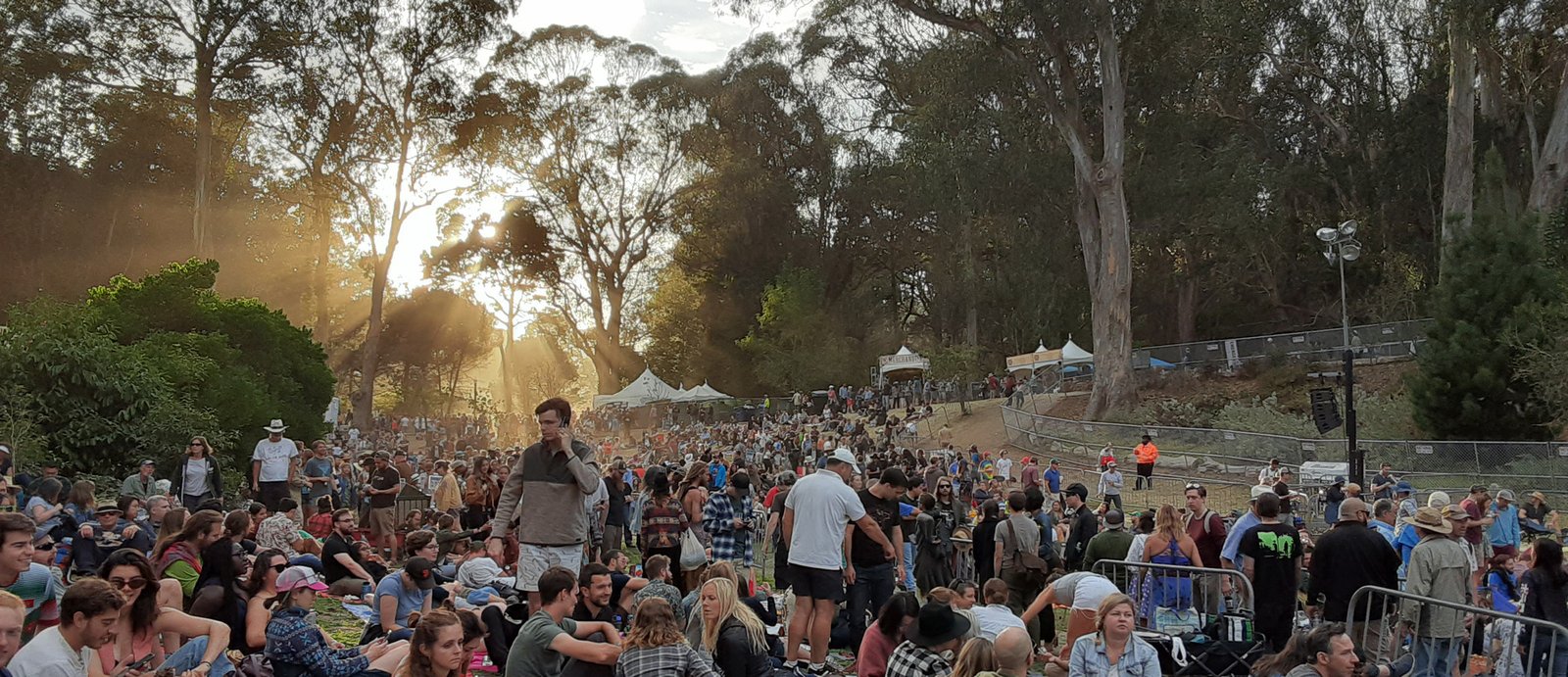
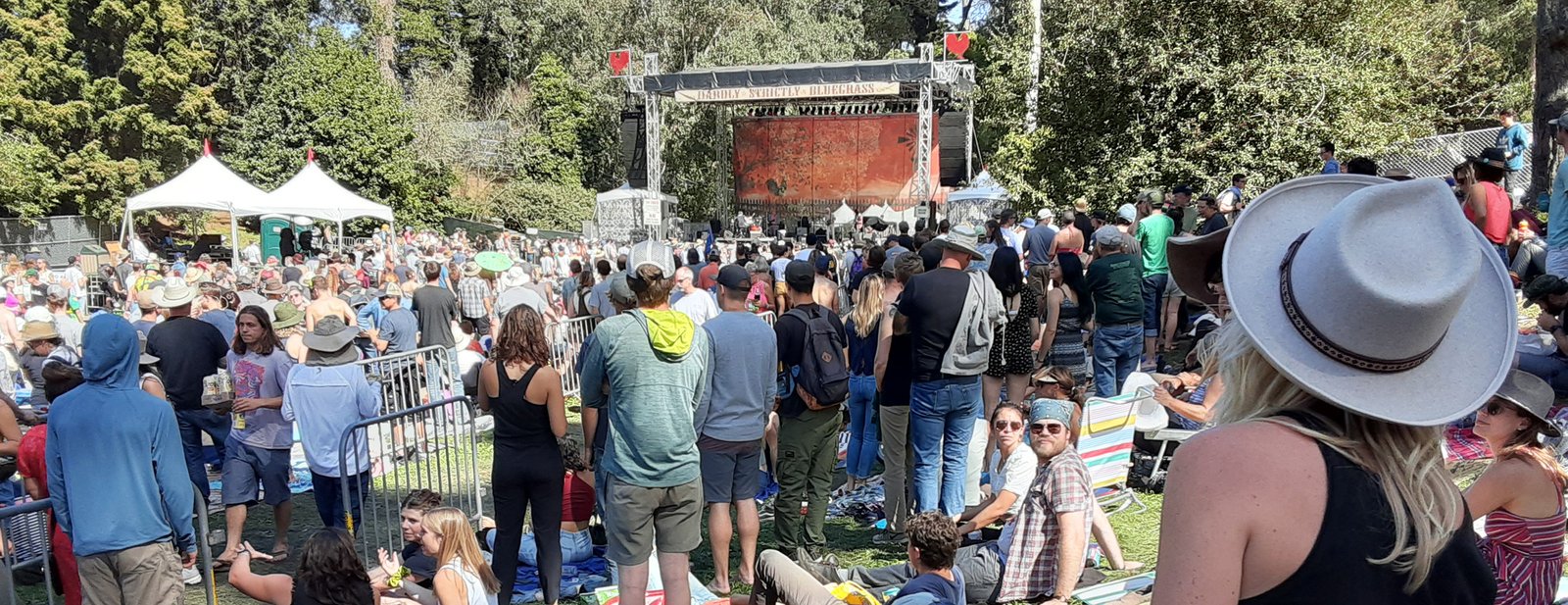
The 2019 Hardly Strictly Bluegrass Festival in Golden Gate Park took place under clear skies, gentle 3 foot surf and mostly light winds and warm temperatures. For the last few years, the festival no longer has the Arrow Stage but replaced it with a much smaller Bandwagon Stage. Not to worry, all the stages were packed with incredible lineups of working bands. I went for three days and saw a total of 17 shows. Here is the 2019 Hardly Strictly Bluegrass Festival SF Journal Awards.

In the past, these awards where the “Pelican Cafe Hardly Strictly Bluegrass Festival  Awards,” but the Pelican Cafe got bought out by the San Francisco Journal, so the awards will take up this new moniker.
BEST SOLOIST – Adam MacDougall- Lebo and Friends

Adam MacDougall was playing the keys with Lebo and Friends Sunday on the Gold Stage. Behind what seemed to be about eight keyboards, Adam had command of each one. He would go back and forth between a Fender Rhodes and a Hammond B3 and then something else.  In a day when music is streamed endlessly and often becomes like wallpaper to people’s lives, Adam played solos from another era when really being able to play and having a distinct voice were the main objectives. Great solos with soul and chops.

SONG OF THE FESTIVAL – We Shall Overcome

Friday is probably the best day to go to the festival. Crowds are lighter and less rambunctious. The programming is less rock and roll and often a bit highbrow but always top-notch. During Bill Fisell’s set they did We Shall Overcome and sort of got the audience to sing along.  I then left and headed to the Banjo Stage where the Kronos Quartet did a tribute to Pete Seeger – Seeger at 100. Soon the Kronos Quartet did We Shall Overcome and this time the audience joined in with a bit more punch and participation. I forgot that Pete Seeger wrote so many  great songs. One that was sung was Where Have All the Flowers Gone.  It is an anti-war anthem that is timeless.

Where Have All The Flowers Gone
Pete Seeger

Where have all the flowers gone?
Long time passing
Where have all the flowers gone?
Long time ago

Where have all the flowers gone?
Girls have picked them every one
When will they ever learn?

Where have all the young girls gone?
Long time passing
Where have all the young girls gone?
Long time ago

Where have all the young girls gone?
Taken husbands every one
When will they ever learn?

Where have all the young men gone?
Long time passing
Where have all the young men gone?
Long time ago

Where have all the young men gone?
Gone for soldiers every one
When will they ever learn?

Where have all the soldiers gone?
Long time passing
Where have all the soldiers gone?
Long time ago

Where have all the soldiers gone?
Gone to graveyards every one
When will they ever learn?

Where have all the graveyards gone?
Long time passing
Where have all the graveyards gone?
Long time ago

Where have all the graveyards gone?
Covered with flowers every one
When will we ever learn?

MOST TREACHEROUSLY CROWDED SHOW – Robert Plant

Somehow the word got out that Robert Plant was playing Saturday. The entire field by the Gold Stage was packed to capacity. Just getting up and down the hill was a strange exercise in physics. It was as if the entire area was some sort of new-found organism, thinking from some central command. You could sense a sort of claustrophobic anxiety in some people in the crowd. Fortunately, I made it to a good spot of the hill and was able to take in the entire set.  What a great band! The violin player was simply outstanding and a real powerhouse dancing and playing her fiddle with amazing sound and rhythm.

As the show went on people started jumping the newly installed fence that keep people off the back hill. In years past it was always good to take in a show from these hills where the eucalyptus grows. Though a bit far away, you can get your own space and often a very good view of the band.

BAND WITH THE MOST RAW ENERGY – Poor Man’s Whiskey

Sometimes your best-laid plans just take a detour. This happens most the time when you are entering the festival.  Heading in Saturday we passed by the Swan Stage and were drawn to the sounds of  Poor Man’s Whiskey. Poor Man’s Whiskey has played HSB so many times you lose count. They are one of the few local area bands beside Laurie Lewis that seem to play the festival every year. What is so charming about Poor Man’s Whiskey at HSB is that they bring the A team to the gig. Their music goes back and forth between electrified Irish fiddle tunes played at break-neck speed,  like a group of 20 somethings on an all night bender, to original ballads that are played with subtlety. Raw Northern California energy. I once was a bluegrass festival and hanging around the campfire were a few people from Southern California. One of the guys had an observation – “Southern California is where they sell the music. In Northern California is where they play – up here they pick.” Poor Man’s Whiskey keeps that tradition alive.

BEST CHORUS OF ANY SONG – Jesus and Elvis by Hayes Carll

Jesus and Elvis

Jesus and Elivs
Painted on velvet
Hanging at the bar here every night
It’s good to be back again
Oh, me and my old friends
Beneath the neon cross and the string of Christmas lights

Another anti-war song that is picturesque and very clever in that country sort of way.

BAND I MISSED THAT I WISH I SAW – Flor De Toloache

I am not sure how a mariachi band made it on the bill, but Flor De Toloache worked the Bandwagon Stage on Sunday. I was at a great set by Joan Osborne at the Rooster Stage where Joan eventually passed out with heat stroke. A good friend said that the all-woman band Flor De Toloache based in New York crammed the group on the tiny stage and played a great set.  In music festivals, with six stages, you cannot be two places at once.

BEST PICKERS – The Punch Brothers

I ended the festival at the Rooster Stage and heard the Punch Brothers. Every member of this quartet is simply outstanding. They redefine music and take it in directions that are new and original. You definitely had to be close up to hear this group as they play with a nuance, subtlety and ensemble that the SF Symphony only dreams about.

PROLOGUE

This year there was added security to the festival. National Rent-a-Fence surely made a lot of money fencing in the entire festival. This was a minor inconvenience but marked an end of an era where the festival had this magical pre-2001 vibe. Thankfully, there were no violent incidences. Perhaps instead of paying hundreds of extra policeman to stand around the festival, the festival could provide another water station out on the road by the Gold Stage. They had a water station at the Banjo Stage. It seems odd that that is the only one. In the hot sun you definitely need the hydration after all your beer and water runs out.

Until next year, that is the SF Journal 2019 Hardly Strictly Bluegrass Festival Awards.

ABOUT
The Hardly Strictly Bluegrass Festival in San Francisco is a little like Jazz Fest in New Orleans. Big-name bands, many kinds of music and a festive atmosphere. One of the amazing things about Hardly Strictly Bluegrass Festival is that even though there are tens of thousands of people, it is always a  peaceful event, and in the end people seem to get along just fine and often make new friends. Everyone seems to pack out the trash pretty well too. Hardly Strictly Bluegrass Festival. Warren Hellman’s party.  Communal music therapy.

PAST AWARDS

The Quarterly Report – October 2019

As the news cycle gets even shorter and shorter but justice and real change seem to take longer and longer,  and identity politics rules the day, here is your “slow news” report. In actuality, most news today is simply distraction and entertainment controlled by fewer and fewer very wealthy players. That people use social media as a news source is unfortunate and simply a “school for scandal. ” When high ranking officials actually go to jail that is news. When large icebergs fall off a  Greenland glacier that is news. When PG&E shuts off power to 300,000 people that is news. Otherwise, it all seems to be conjecture and a circus.

Weather

“I get the news I need on the weather report”
– Paul Simon – The Only Living Boy In New York

Late September and early October the Indian Summer snuck up on us folks in San Francisco. It is that magical time before the winter rains when the days are still long enough to surf either before work or after work.  The light is often golden and there is a peacefulness in the air. It is reassuring with all the uncertainty in the world that the seasons go on unchanged.

The first weekend of October is the Hardly Strictly Bluegrass Festival in Golden Gate park. There was not too much bluegrass  as Ralph Stanley, Doc Watson and Earl Scruggs are all under ground and the booking committee seems to turn a deaf ear on the local young pickers – why A.J Lee and Blue Summit, Front Country never get a spot is just strange. Instead of bluegrass there was a lot of rock and roll, folk, Alabama soul and even some Americana jazz. An all-woman mariachi band from New York played as well. All together I saw 17 shows and will give a run down in a future post.

Politics

“Make sure you have the record player on.”
– Joe Biden ( at a Democratic Party Debate)

There is little to report on the political front. That Joe Biden is into turntables and record players was news to me. I agree completely with Joe. Get off your cellphone and your selfies and check out the whole vinyl experience. It will slow you down a bit and definitely improve your mental health.

Governor Gavin Newsom signed a bill making it so presidential candidates will be required to submit the last five years of their taxes in order to appear on the state primary ballot. The Presidential Tax Transparency and Accountability Act requires a candidate for president or California governor to file copies of their Internal Revenue Service filings for the most recent five years at least 98 days ahead of the primary election. Sounds like a good idea. Why would someone running for  the highest office in the land have any financial matters to hide. If they need to hide stuff, they probably should not run for office. The bill was immediately held up in court by the Trump lawyers.

On Tuesday, November 5th, 2019 there will be an election in San Francisco. One of the seats is for District Attorney. The San Francisco Journal is endorsing  Chesa Boudin for District Attorney 2019. Chesa Boudin parents (dad, still in jail) were in The Weather Underground, the radical political group in the early 70’s. Chesa is a very smart guy who is a good speaker, well read and knows what he is talking about and qualified to be District Attorney. He has lived the criminal justice system his entire life visiting his parents in prison.  Some of his major ideas is getting rid of cash bail. I met Chesa at a house party and was very impressed. Hope he gets the gig. Vote November 5th – Chesa Boudin for District Attorney.


Chesa Boudin’s Platform

Baseball

There is only cryin’ in baseball
– Paul Lyons

In the San Francisco Bay Area the baseball season ended abruptly when the Oakland A’s choked in a one game playoff against the Tampa Devil Rays. For the Oakland A’s the last twenty years this seems to be the standard procedure. Play very well in the regular season. Win almost 100 games. Go to the playoffs. Lose in the first round.

The San Francisco Giants, by the All-Star break, never had a chance. Their manager Bruce Bochy who won three World Series with the team retired to a standing ovation.

I do not follow American football so you will have to ask someone else about that stuff. Grown men running into each other smashing each others skulls seems like a fool’s errand.

Sporting News

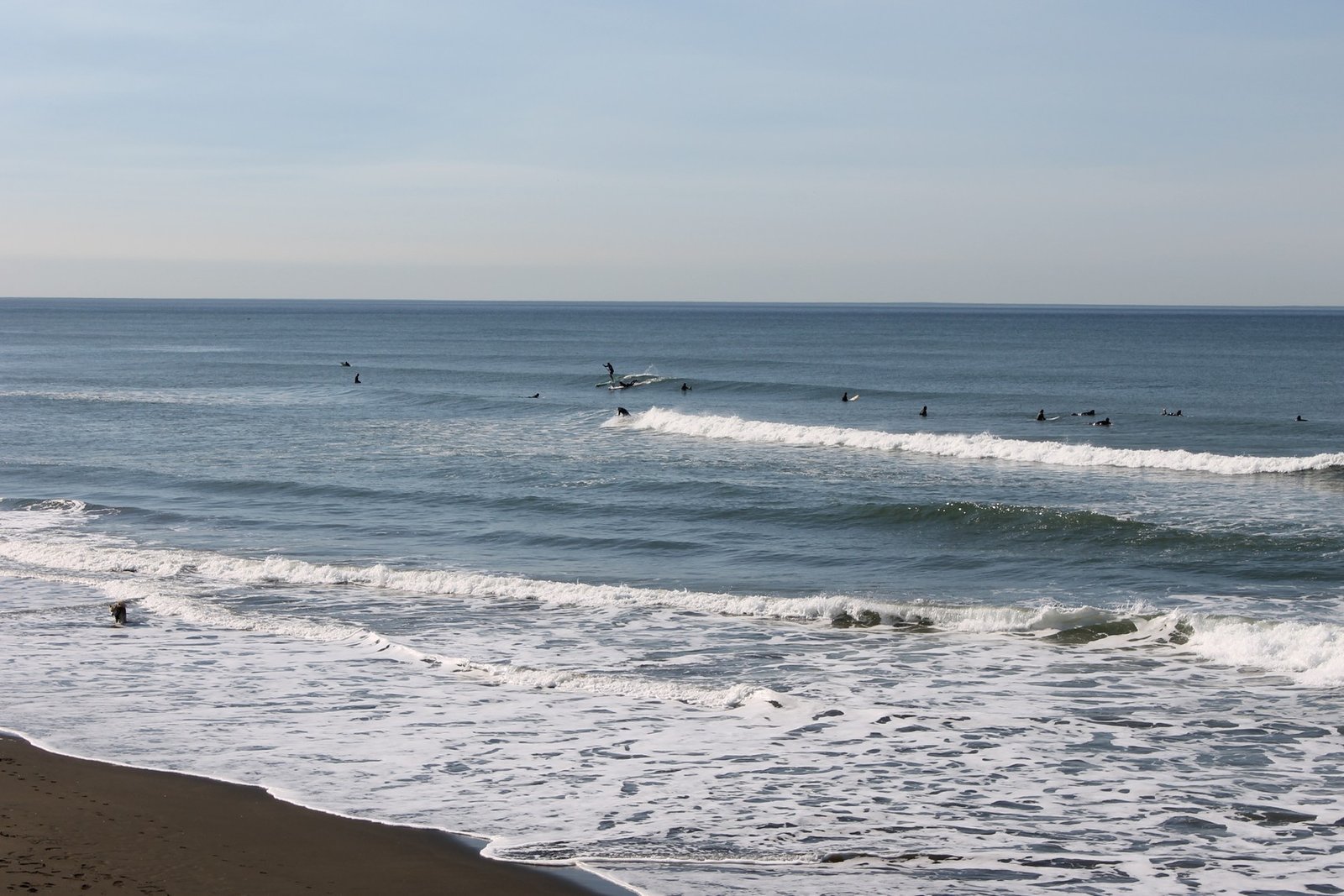
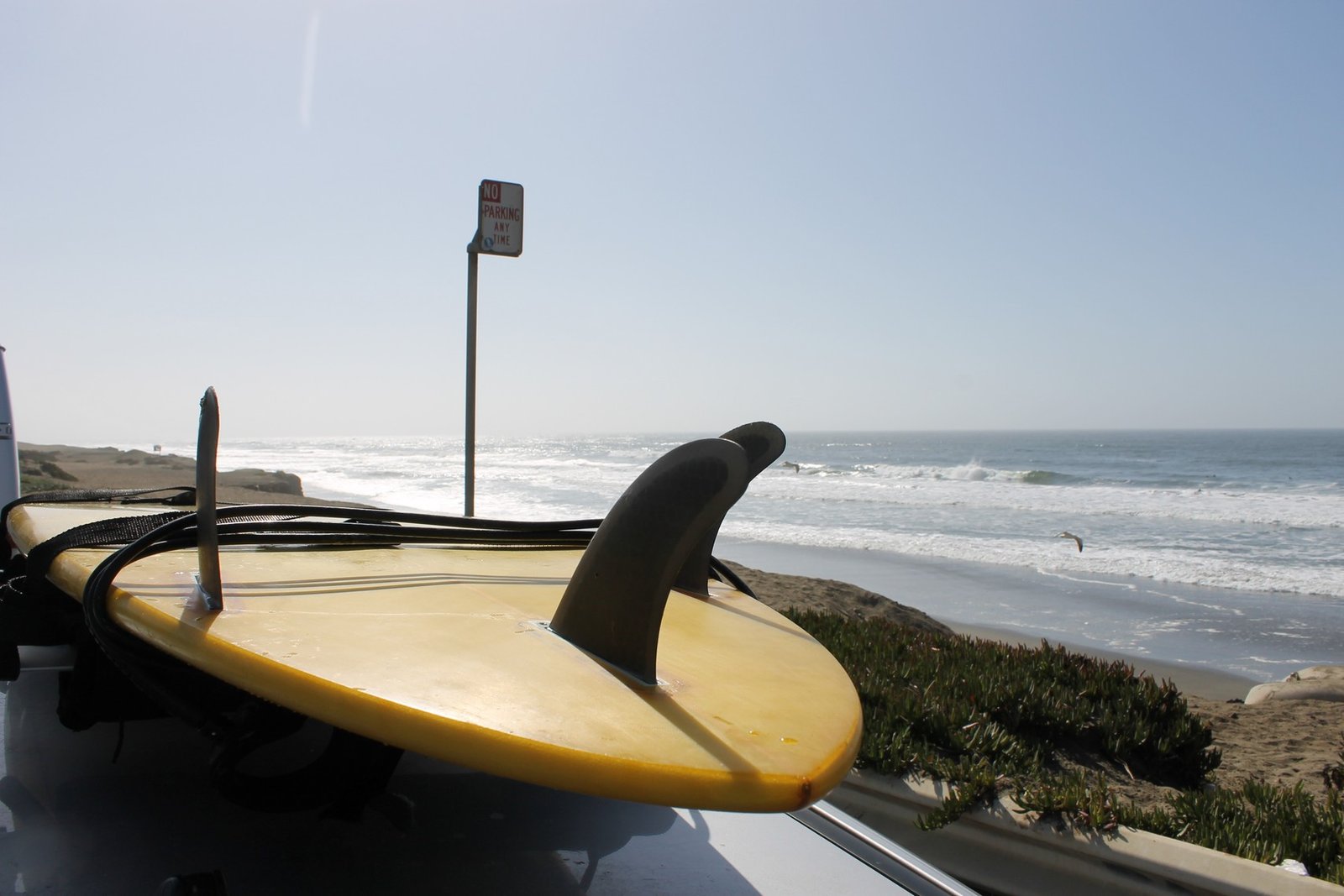
The biking is fantastic. The surfing is starting to come together. For the last two weeks, there has been a very small swell in the water and the winds have been light, especially in the morning.  A larger swell is due by the end of next week.

That is the The Quarterly Report – October 2019.

AI and the Metamorphosis – The Atlantic Article

“The challenge of absorbing this new technology into the values and practices of the existing culture has no precedent. The most comparable event was the transition from the medieval to the modern period. In the medieval period, people interpreted the universe as a creation of the divine and all its manifestations as emanations of divine will. When the unity of the Christian Church was broken, the question of what unifying concept could replace it arose. The answer finally emerged in what we now call the Age of Enlightenment; great philosophers replaced divine inspiration with reason, experimentation, and a pragmatic approach. “

From The Metamorphosis, The Atlantic  – Henry A. Kissinger, Eric Schmidt And Daniel Huttenlocher

The Metamorphosis is a very interesting article in The Atlantic. Co-written by three very influential people it muses over the impacts of artificial intelligence which is all the rage now. Some of the three writers end with forecasts that are optimistic. Others are more skeptical. It is easy to figure out who wrote what in the article. The quote above is surely Henry Kissinger reminding the kids of some of the fundamentals of history in the West. It is rather peculiar that Kissinger jumps from the medieval period to the modern in one fell swoop but so be it. I highly doubt that most kids graduate from college these days with even the faintest understanding of the Age of Enlightenment or any notion of this concept of history and humanity.

The other unifying concept was of course the creation and notion of the “self” but that is far too complex for most people to comprehend in our current age of narcissism and selfies. You can get a better understanding how this is relevant  in the field of psychology by reading The Invention of the Self: The Hinge of Consciousness in the Eighteenth Century  by John O. Lyons, my dear old dad who’s ashes are floating around somewhere in lake Michigan.  Rest his soul.


Sunday, September 29, 2019 – News, Opinions & Gossip

It is Sunday, September 29, 2019. I find it incredibly odd after reading the Sunday Chronicle “Fast and furious threat unlike Trump has faced before” by Julie Pace and Zeke Miller, that the journalism about President Trump and his arm twisting of the President of Ukraine and resulting whistle blower complaint and impending impeachment is often not about the facts but opinion and whether there is political momentum for impeachment. Editors and journalists should do themselves a favor and have the op-eds on the op-ed page and not on the front page masquerading as news. Opinion has bubbled up. This is sloppy journalism.

What would be better is not to assume that the reader is well-versed in civics and the Constitution of The United States of America, and rather explain exactly what laws the president may have broken. This would reinforce that we are still a nation of laws and not merely a place of perpetual gossip, where people can get away with crimes due to their position.

“The President, Vice President and all Civil Officers of the United States, shall be removed from Office on Impeachment for, and Conviction of, Treason, Bribery, or other high Crimes and Misdemeanors.”

— U.S. Constitution, Article II, section 4

Treason, Bribery, or other high Crimes and Misdemeanors. Seems like public opinion has nothing to do with this case. Just let Congress investigate and have the the chips fall where they may.

Kamala Harris Taking a Stand

“I know predators, and we have a predator living in the White House, and let me tell you, there’s a little secret about predators. Donald Trump has predatory nature and predatory instincts. The things about predators you should know, they prey on the vulnerable. They prey on those who they do not believe are strong. The thing you must importantly know, predators are cowards. I have a background where successfully, I have prosecuted the big banks who preyed on homeowners, prosecuted pharmaceutical companies who preyed on seniors, prosecuted transnational criminal organizations that preyed on women and children, and I will tell you we have a predator living in the White House.”

Kamala Harris
U.S. Sentaor
Presidential Canidate
July 3, 2019

You can point to Bernie’s “billions and billions,” Warren’s epiphany to break up the monopolies in big tech, even Andrew Yang’s idea that we need to move to higher ground, but the quote above speaks to the reality of our current society. There are predators taking advantage of the vulnerable everywhere and it has unfortunately become acceptable and part of business as usual.