Op-ed: U.S. Supreme Court and Bostock vs. Clayton County

In a 6-3 decision, the court said the 1964 Civil Rights Act, which bars employers with 15 employees or more from discriminating on the basis of sex, requires them to treat male and female employees equally regardless of their sexuality or biological gender at birth — regardless of whether they are gay or lesbian, straight or transgender.
SF Chronicle – U.S. Supreme Court rules job discrimination based on sexual orientation or gender identity is illegal – June 15, 2020

It is a good thing that the U.S. Supreme Court ruled that job discrimination based on sexual orientation or gender identity is illegal ( Bostock vs. Clayton County). To condone discrimination based on who people love and are attracted to  and people who are on hormones to self-authenticate their gender is simply unethical.   Prescribing hormones to people to self-authenticate has its own set of ethical questions, but that is another topic all together. What is lost on many journalists and commentators who think this is simply a big win for people who are homosexual or identify as transgender is that they miss a key aspect of the ruling. What the ruling does is simply reaffirm the 1964 Civil Rights Act which bars employers with 15 employees or more from discriminating on the basis of sex

Gorsuch wrote. “That’s because it is impossible to discriminate against a person for being homosexual or transgender without discriminating against that individual based on sex.”

What this means, and what the court is saying is that sex is real. In our current world of polarized political rhetoric, identity politics and solipsism this may seem like a minor point, but in reality it is significant. Bostock vs. Clayton County may be framed as a win for LGBT rights but it far more subtle. Gorsuch frames the issue with “it does not matter whether you are gay or identify as transgender you are first, fundamentally a human – female or male.” Surprisingly, he is looking at the issue from a feminist, not really a LGBT, perspective.

Eventually there will be other judgments by the court that will disappoint the LGBT community. They will become shrill and irate and claim that Gorsuch has changed his views and backpedaled but in fact they will not understand the premise of his argument and reasoning.  Indeed, the ERA, that unfortunately never passed, is an amendment that would have deemed equality not based on gender but sex.

It is refreshing to see the Supreme Court function as it was intended. A place where cases are argued and laws are created that take the long view and are not susceptible to the politics and fads of the day,

NOTE: The opinion above is only that of the author and does not represent the San Francisco Journal, investors or subsidiaries. Letters to the editors can be sent via the contact link below.


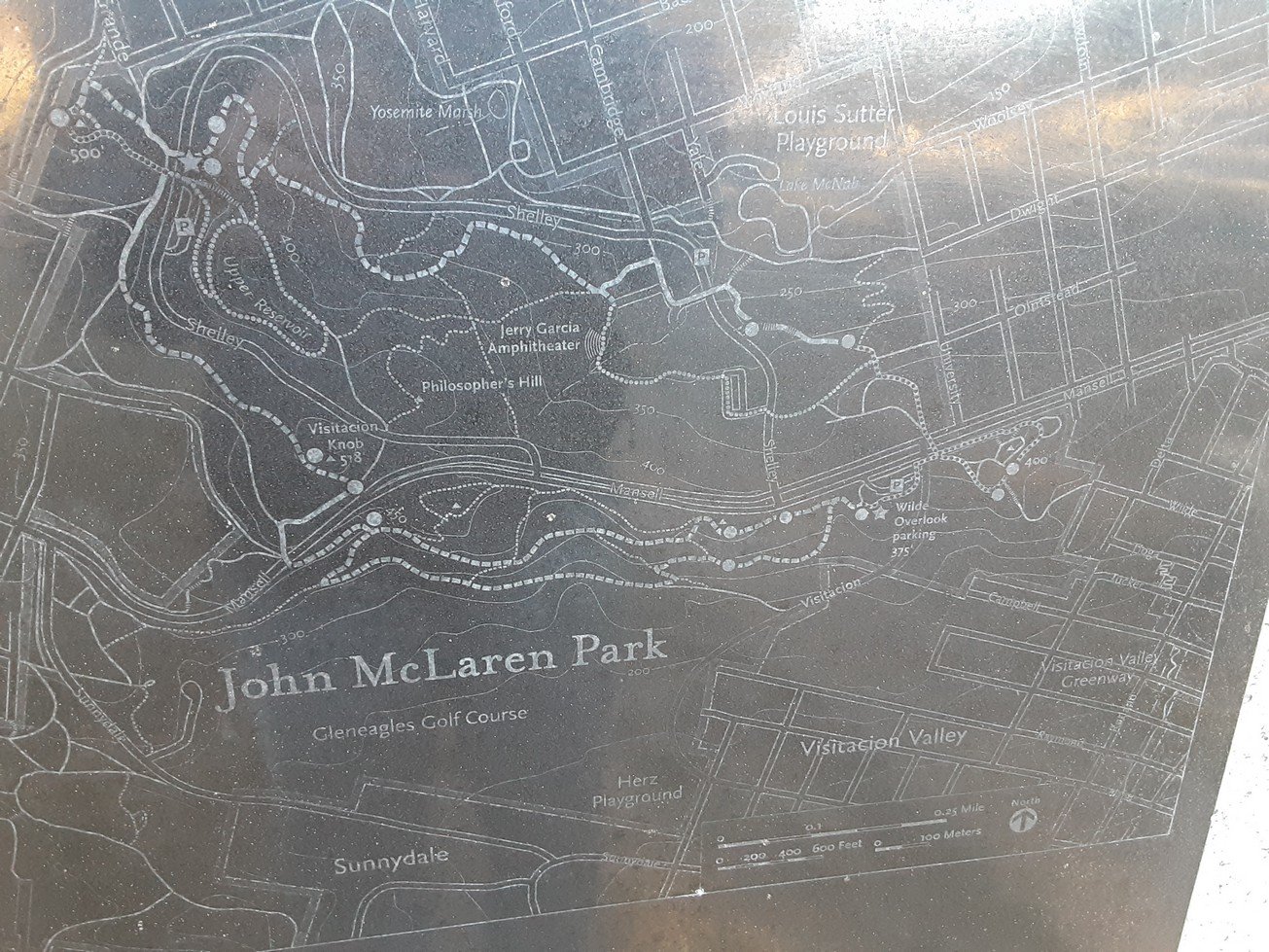
McLaren Park – It’s Bigger Than You Think

UPDATE: 2/28/2023
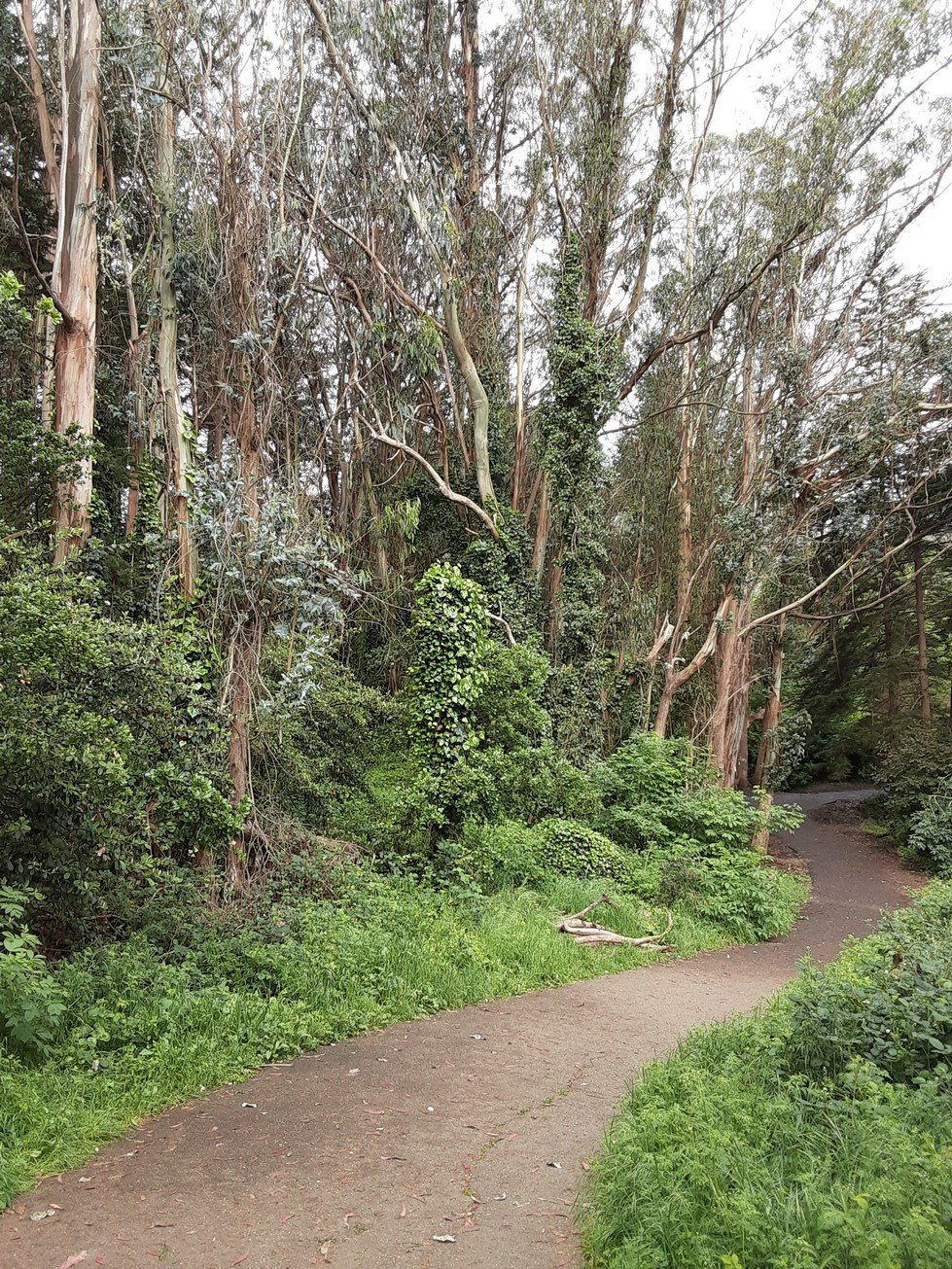
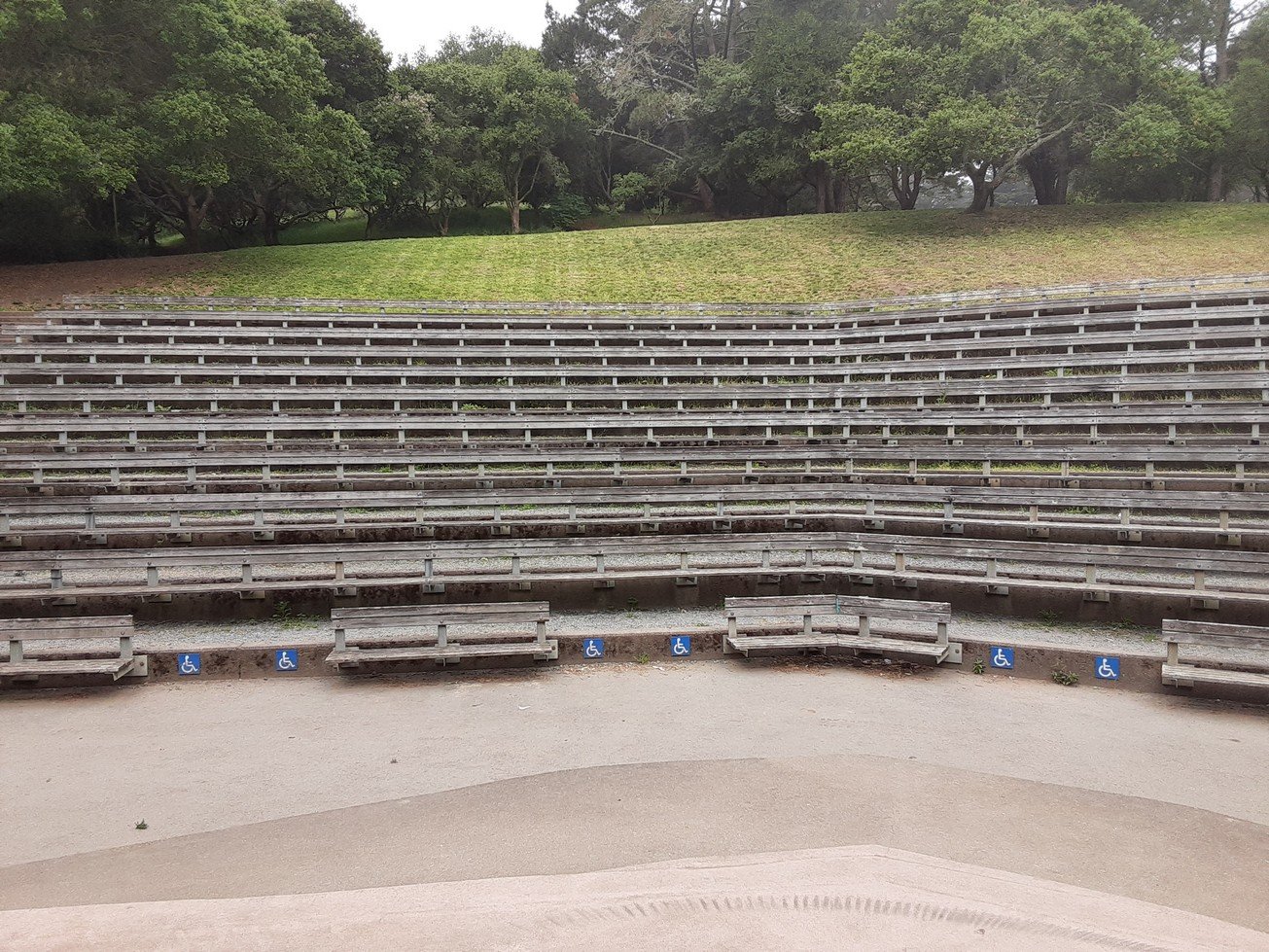
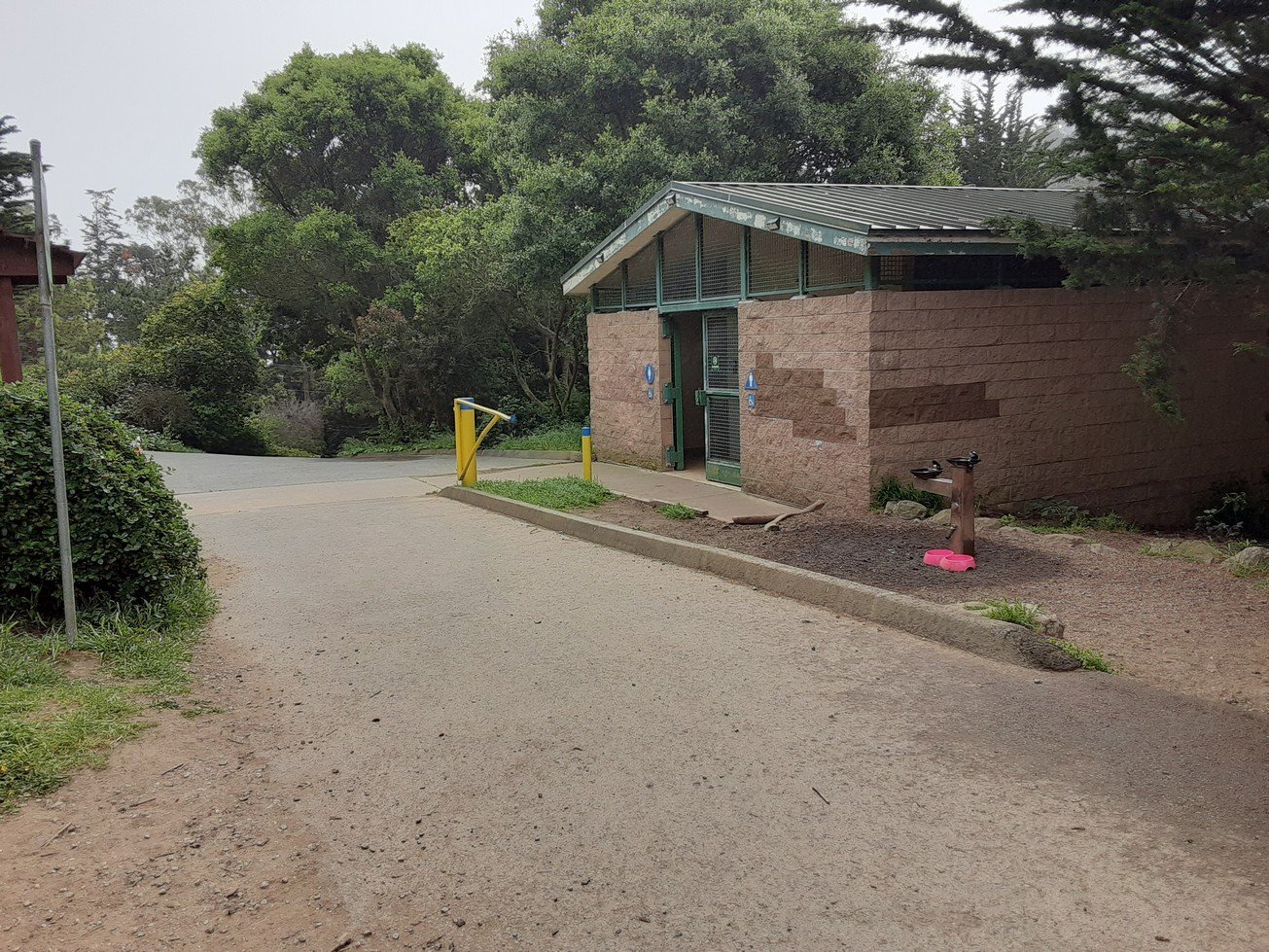
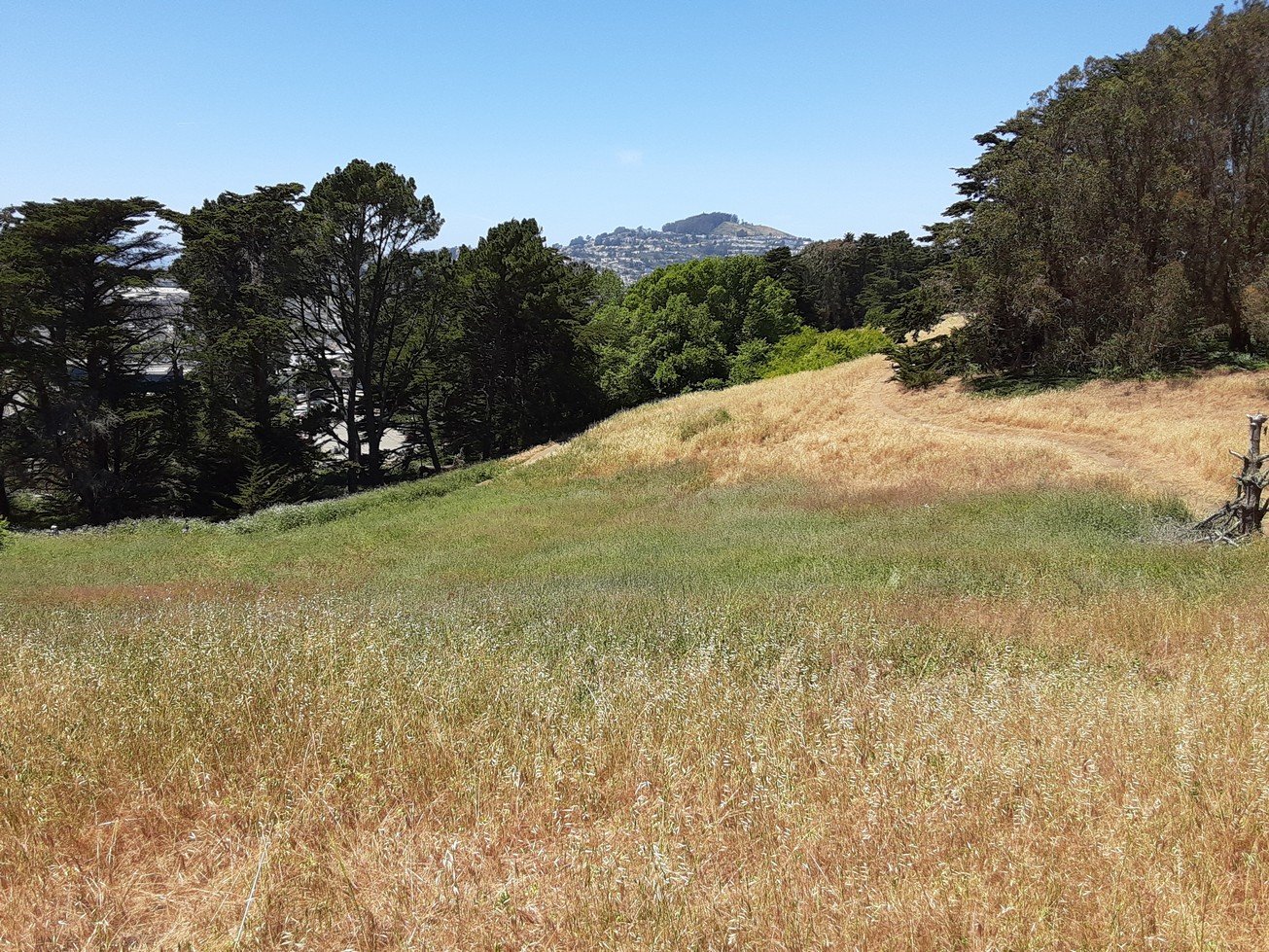
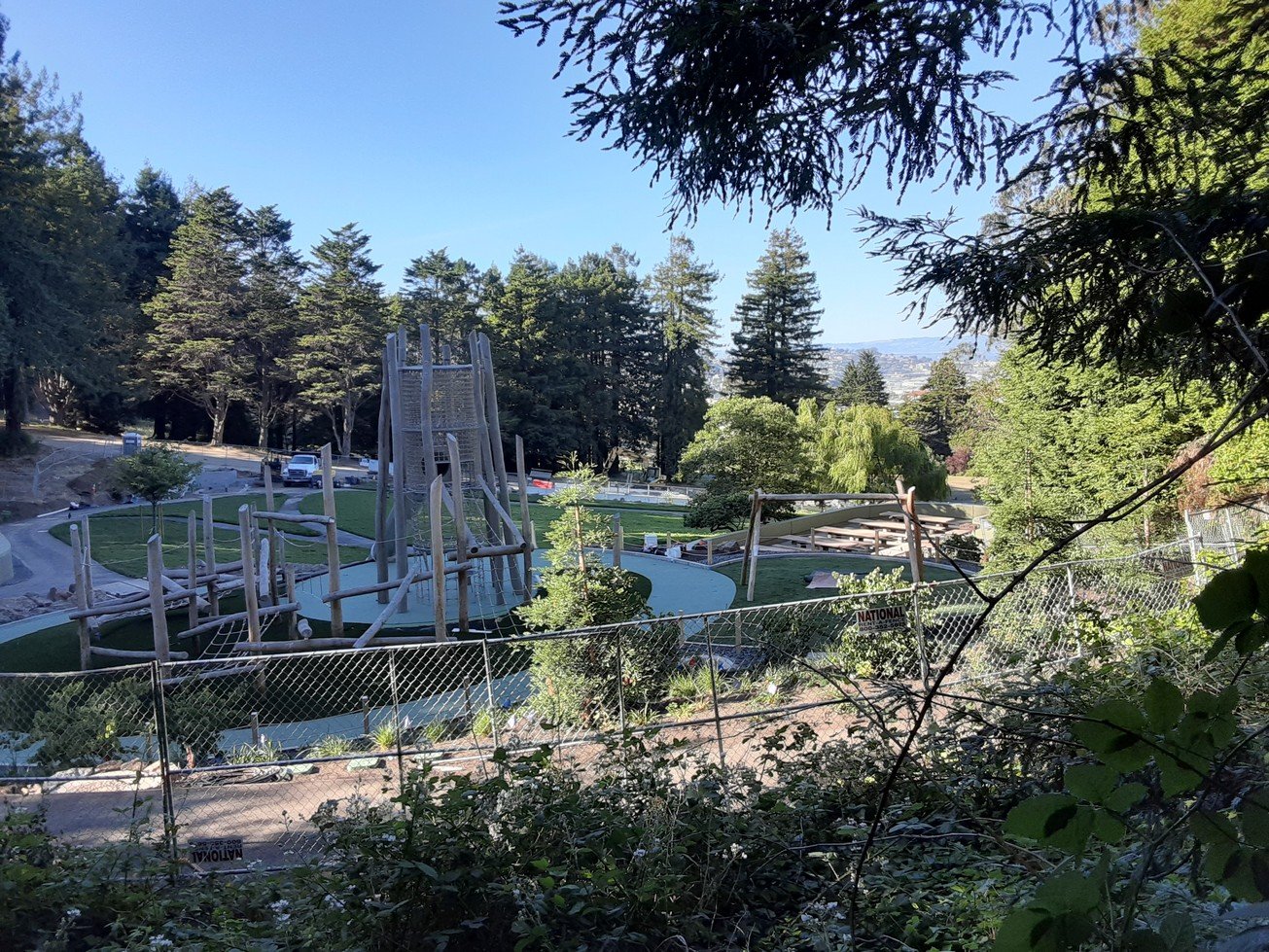
McLaren Park just gets better. I brand new playground (McLaren Park Redwood Grove Playground) and bathrooms opened up along John F. Shelly Drive. Also, Shelly Drive is still closed from the parking lot down to Mansell Street and people use it as open space for walks and runs.


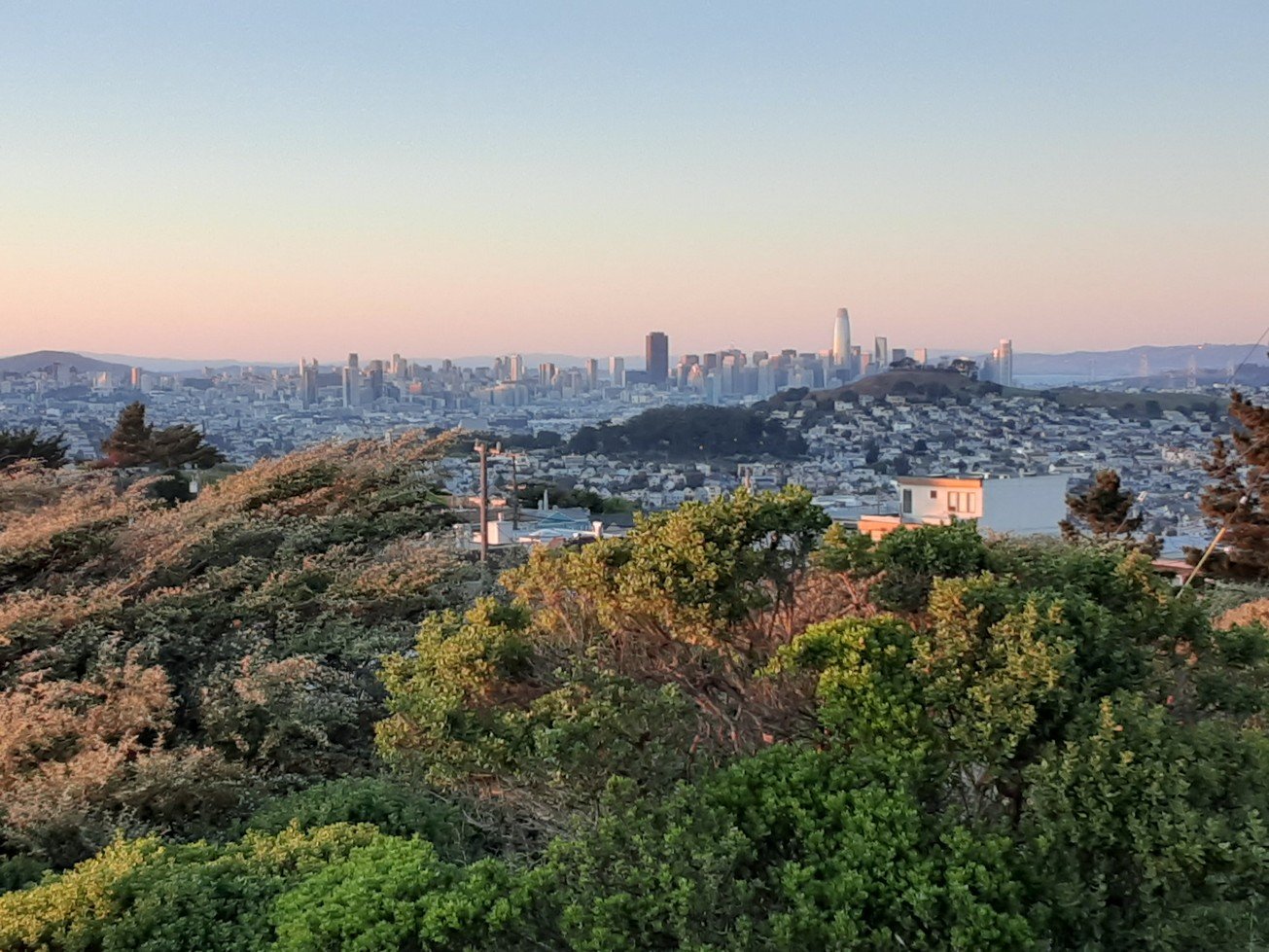
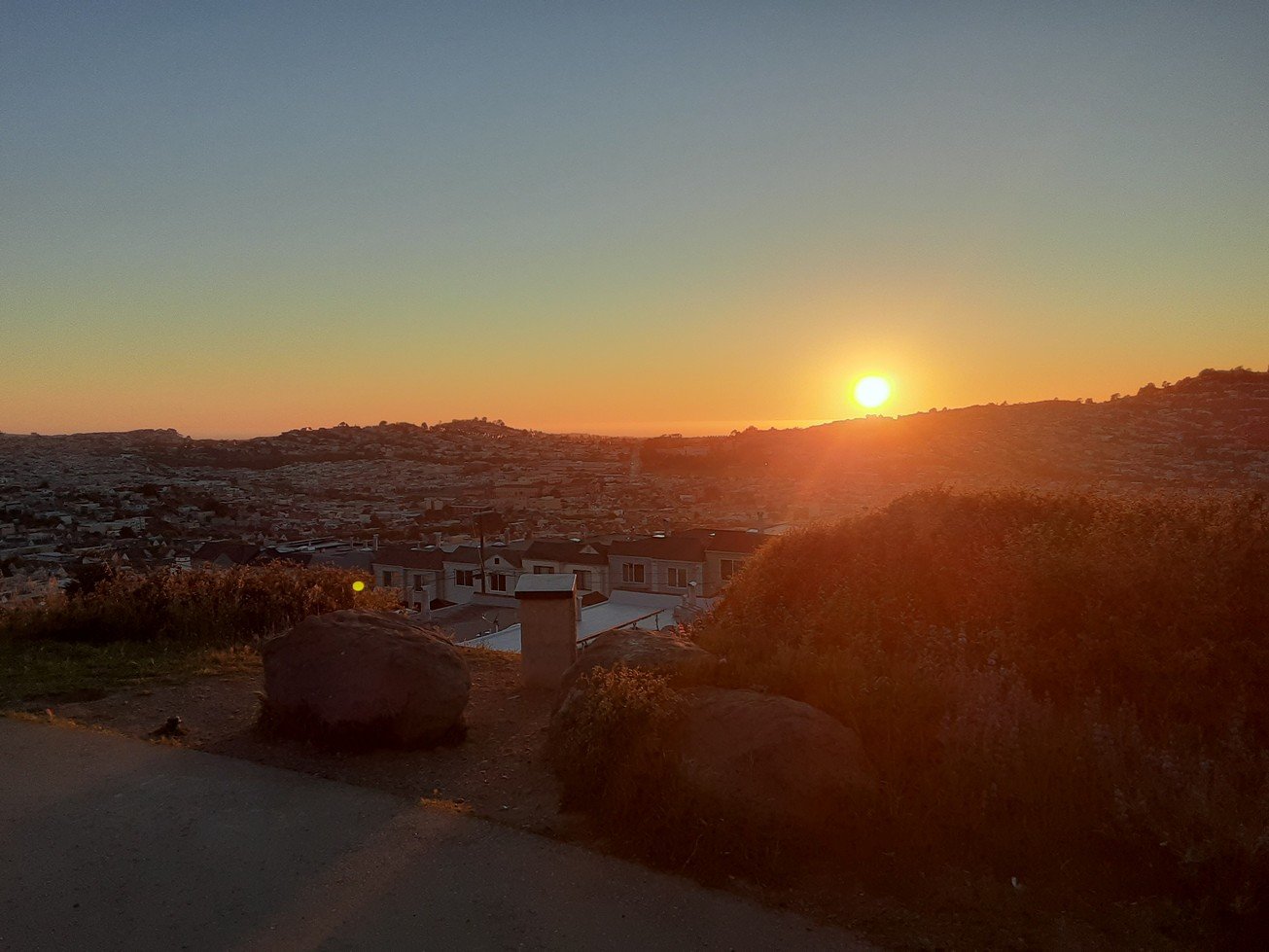
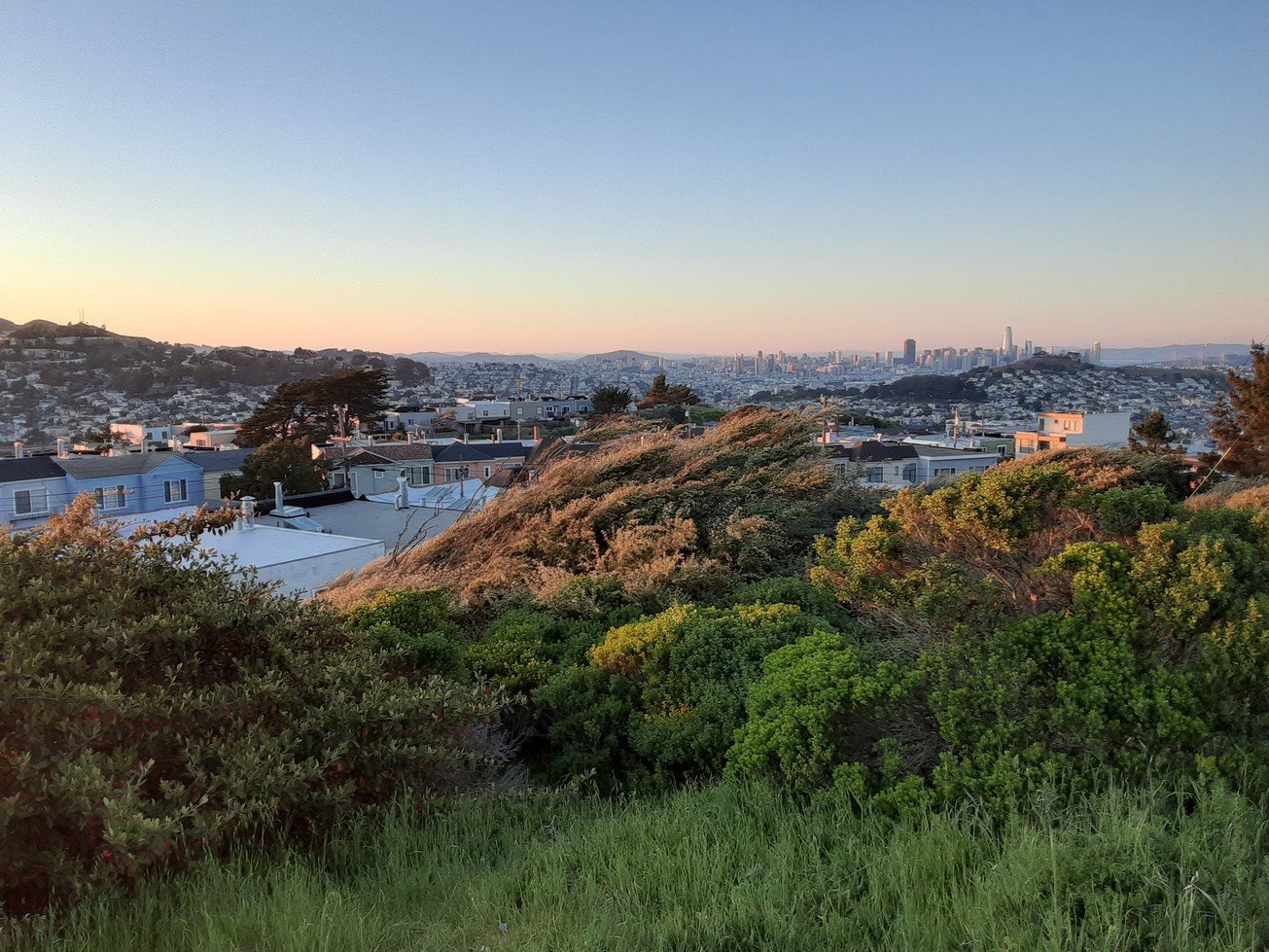
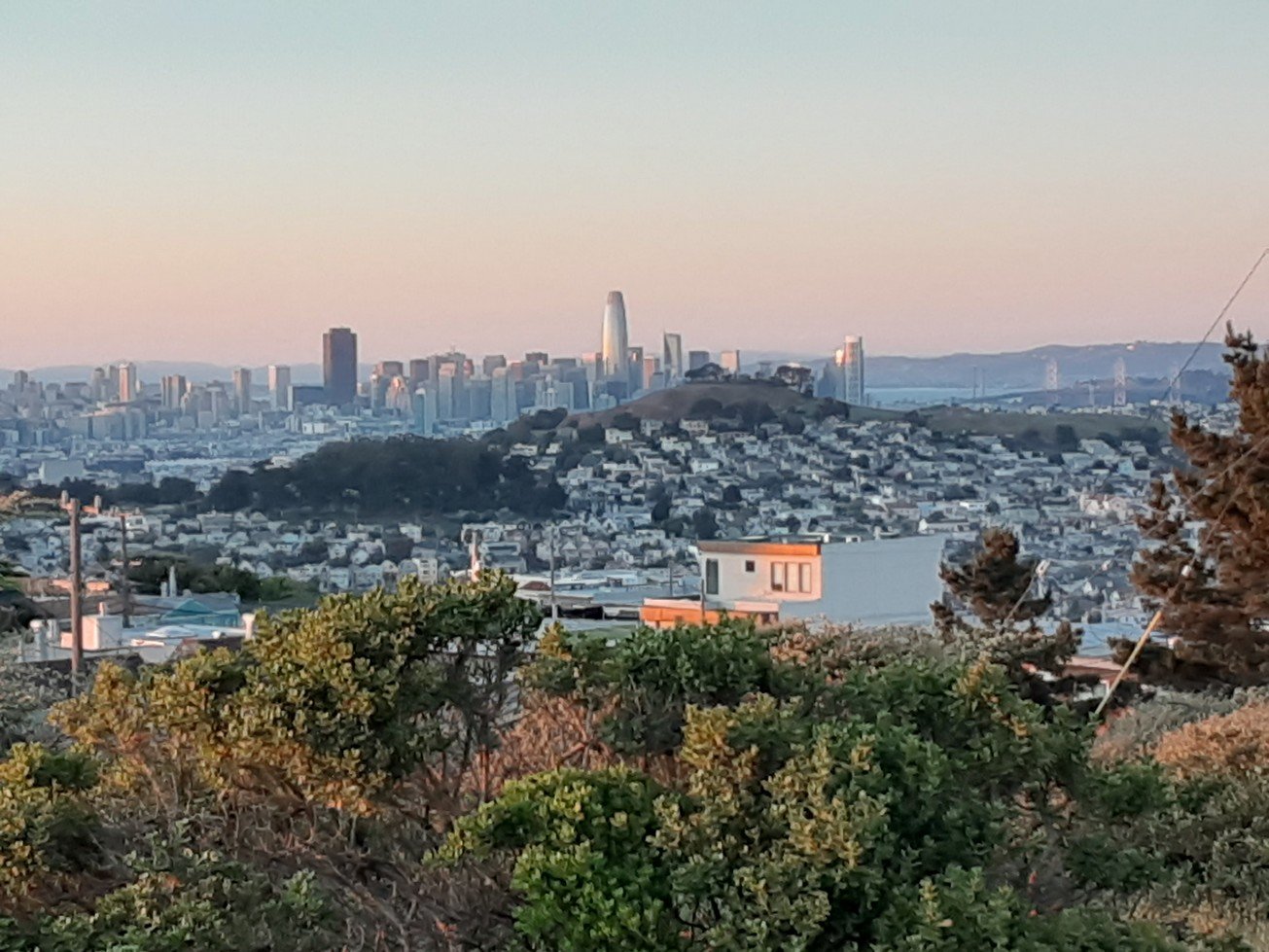
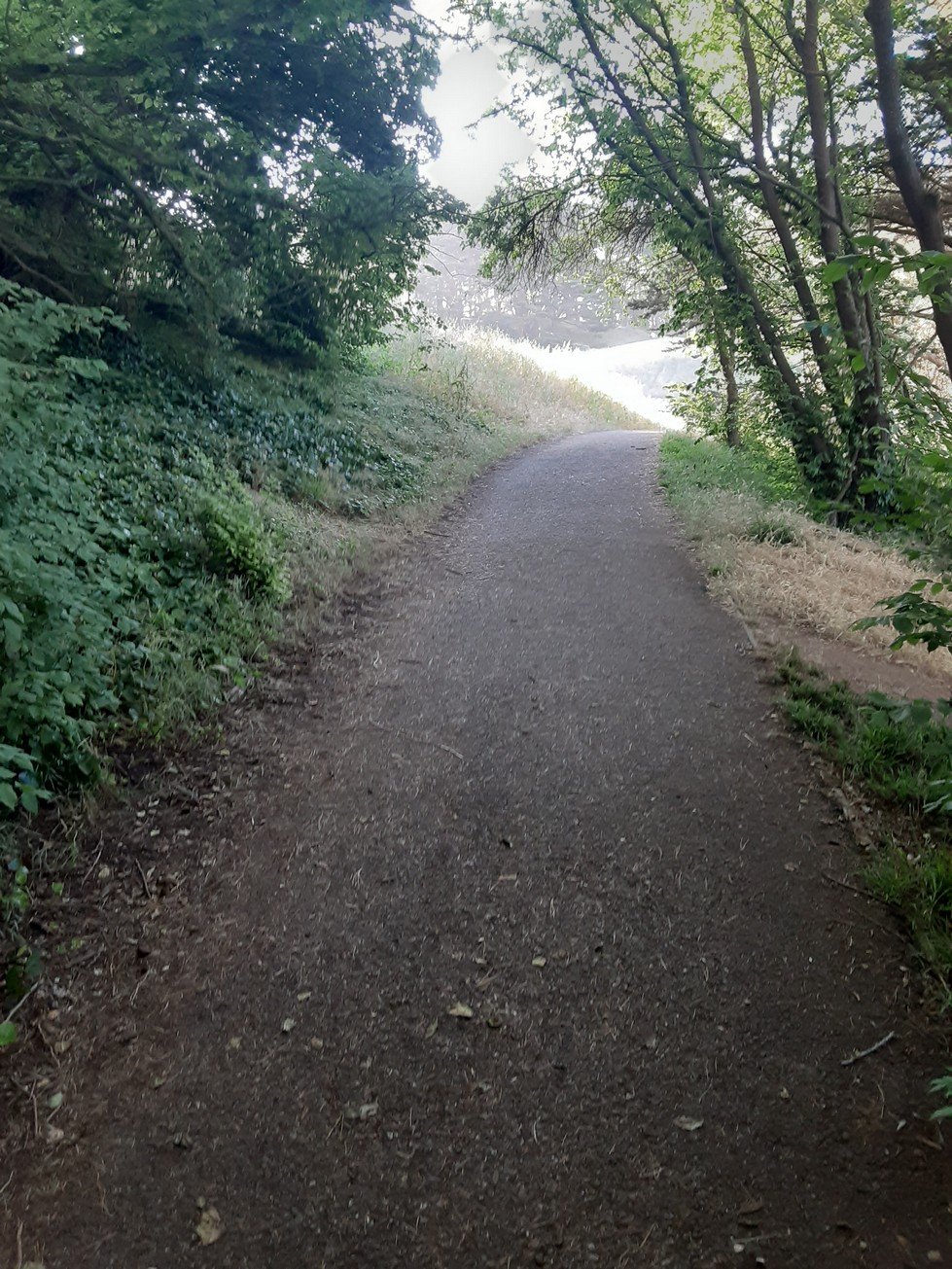
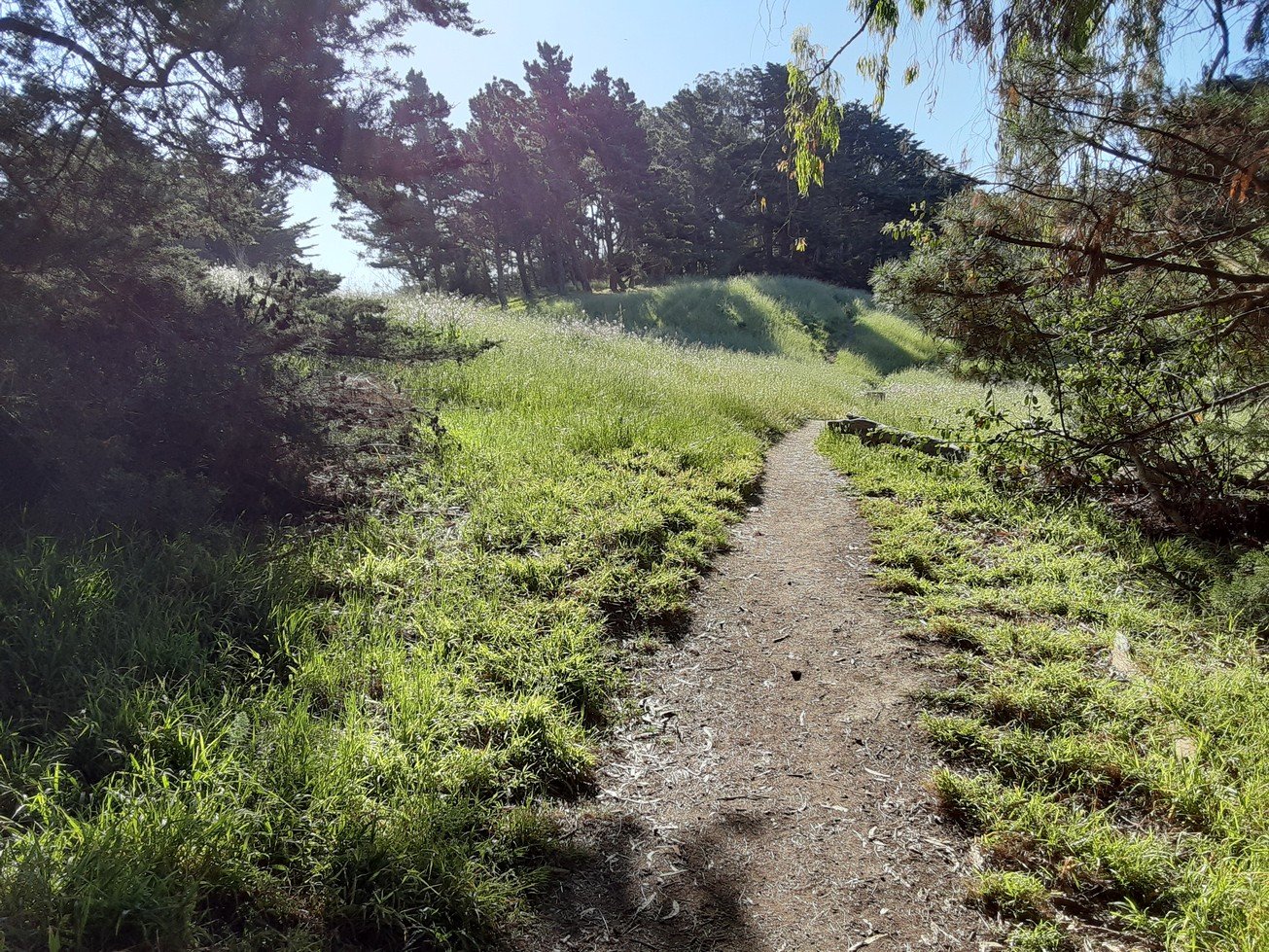
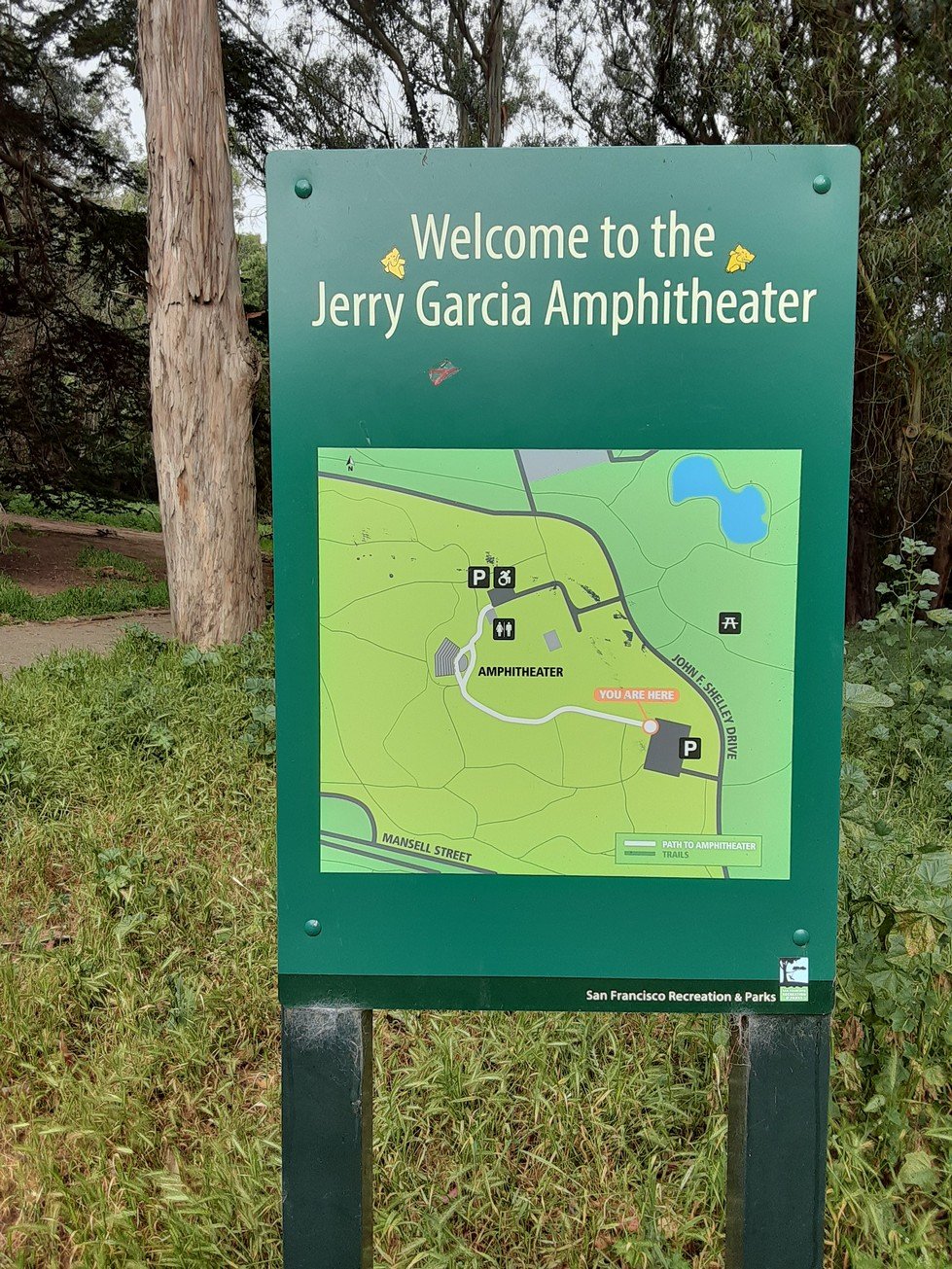
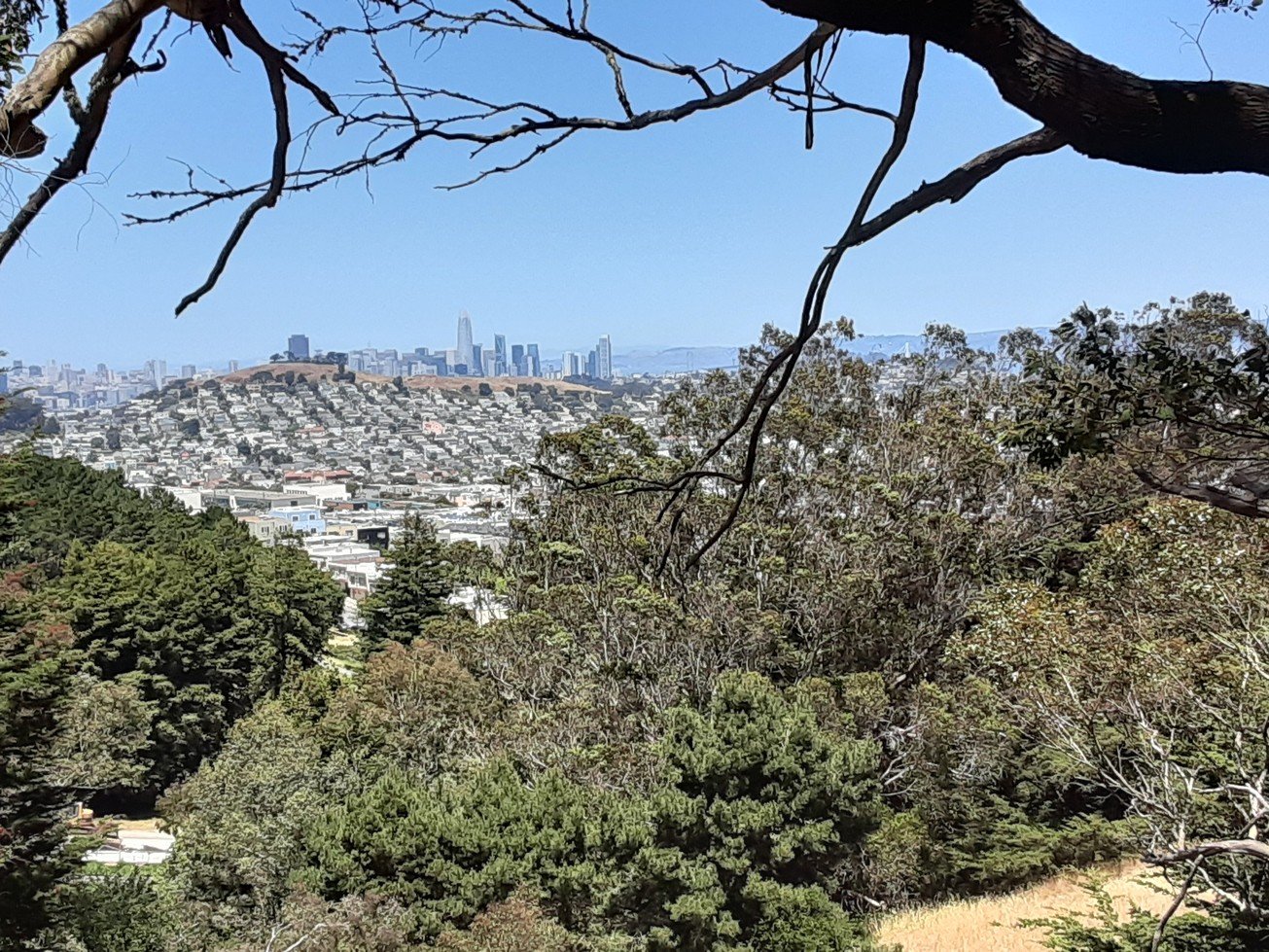
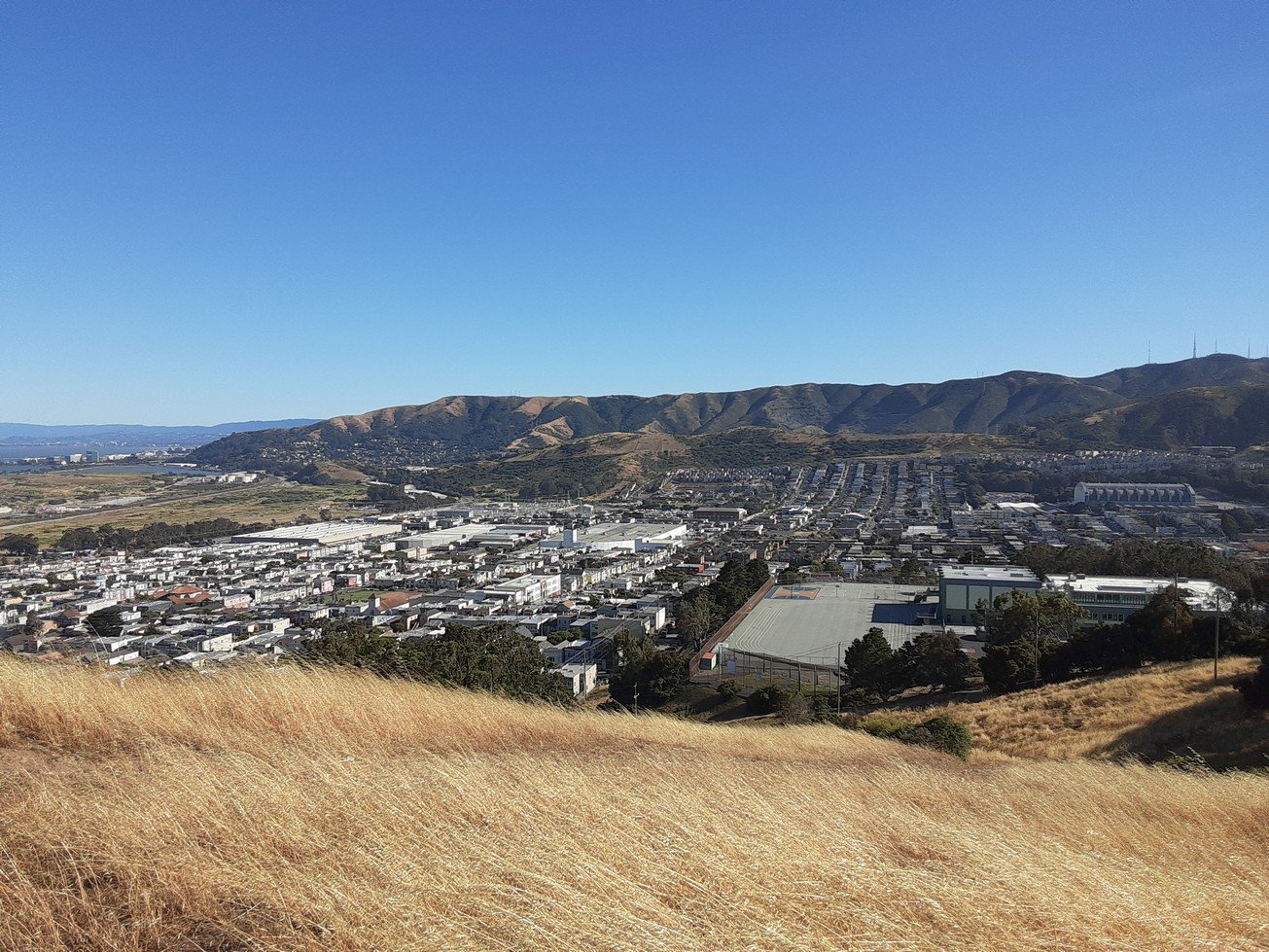
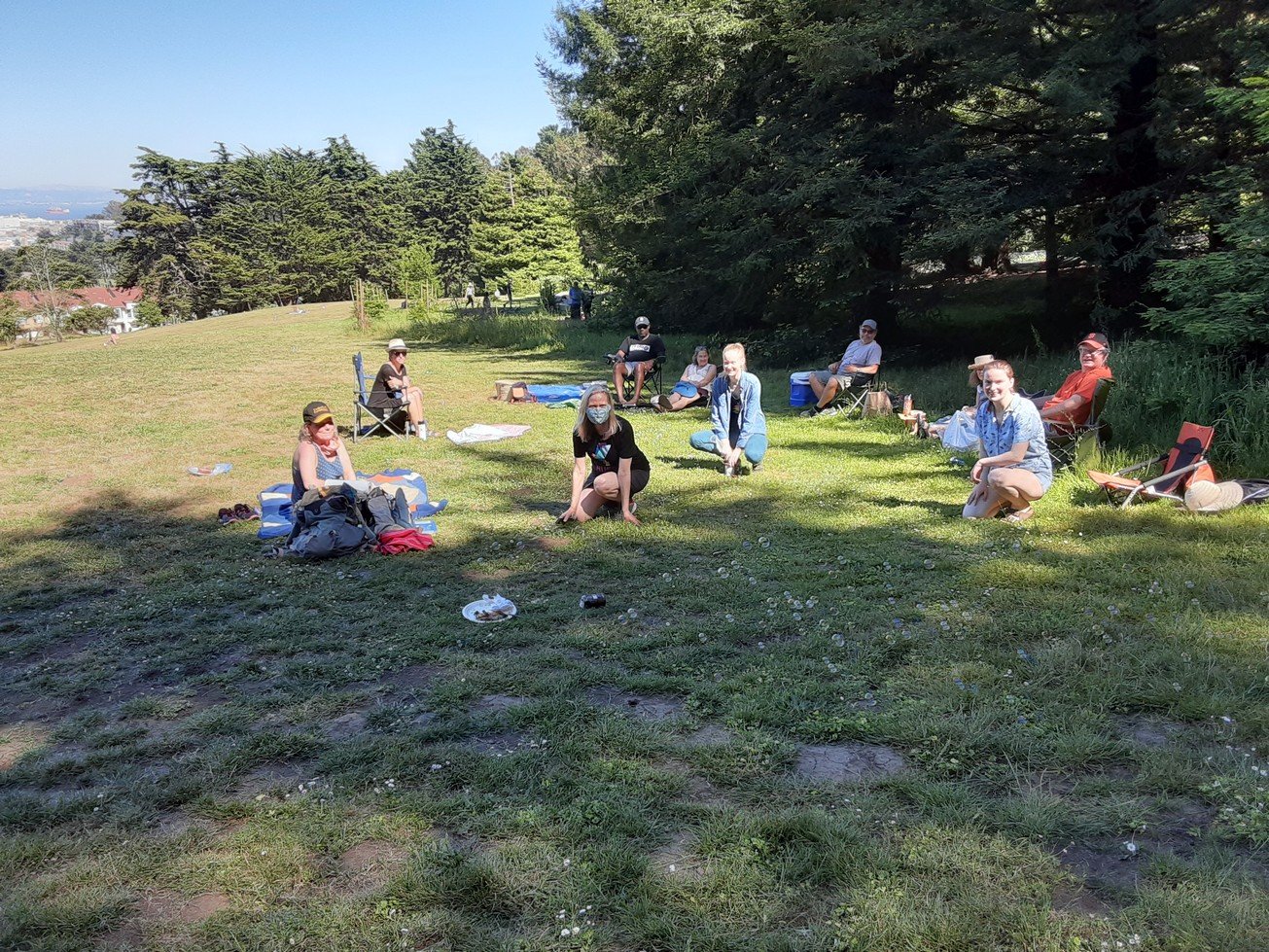
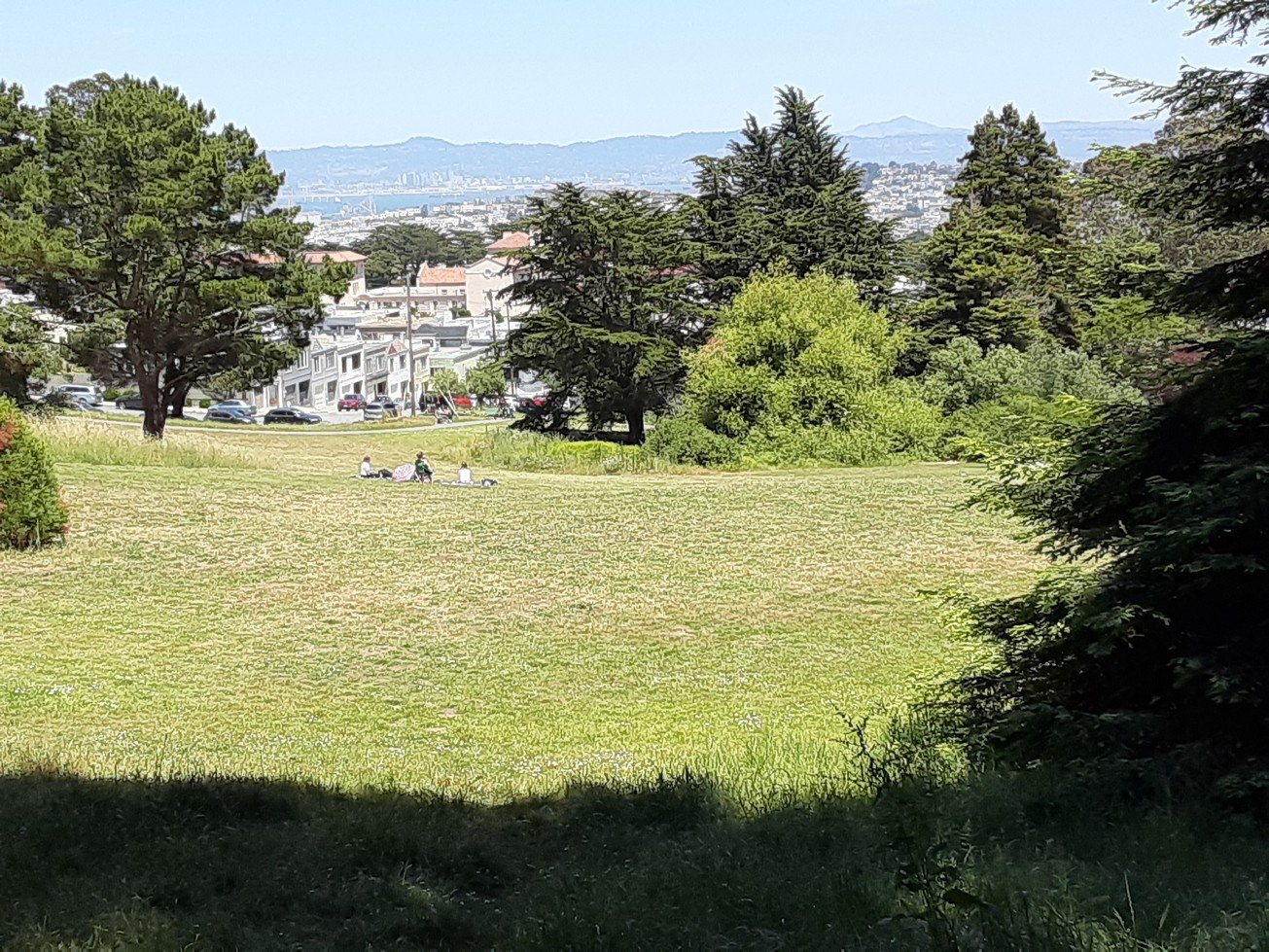
Some photos of McLaren Park (not to be confused with MacClaren, or McClaren Park) in San Francisco. A great place to hike, walk a dog, picnic, teach a kid how to ride a bike or just take in views of the Bay Area. With the COVID-19 shelter in place situation. McLaren Park is now being used a lot more than before.  People on the weekends picnic and lie around on the mown lawns like they do at Dolores Park.  Lots of kids getting to know nature. From McLaren Park there are great views of downtown San Francisco, Bernal Heights, Brisbane, Oakland, Twin Peaks, the Pacific Ocean. Mount Davidson, Mount Diablo. There is a three mile hike called the Philosopher’s Way Trail which makes it seem at times that you are not in a city but on a rural trail. John McLaren, who best loved undeveloped urban parks would be happy to see all the people out in nature.

Before McLaren Park became a park, a hundred years ago it was a horse farm with stables. Easy to imagine.

MORE INFO:
http://sfrecpark.org/Facilities/Facility/Details/McLaren-Park-Trails-401

Pelicancafe.net Has Reopened

BREAKING NEWS: The Pelican Cafe has reopened after being closed for a few months because of no apparent reason. We still do not serve any food, coffee or beverages. Newly remodeled, the virtual cafe has been open since April and is now primarily experiential.

At the Pelican Cafe you can experience the Pacific Ocean in a visceral way – at least as visceral as possible in an internet browser. The videos posted are all from Ocean Beach in San Francisco and correlate to the time of day that you visit the web site. Addition videos will be added soon.

GO TO THE ONE AND ONLY pelicancafe.net

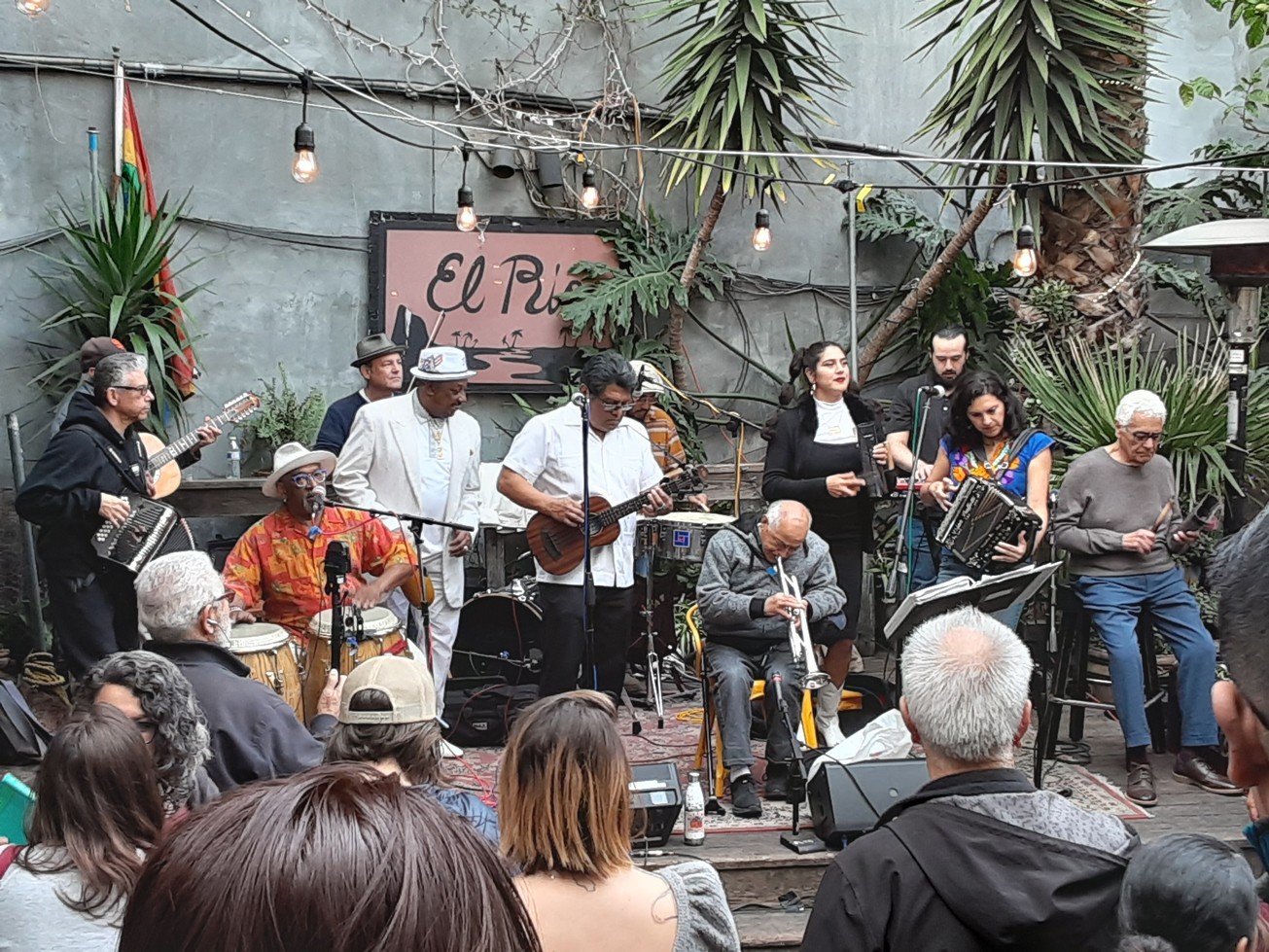
Special features include Late Night at the Pelican Cafe. Recently posted is a live performance at El Rio in 1997 of the San Francisco band, Mazacote.

Mazacote Live at El Rio – 1997


Paul Lyons – San Francisco – April 2020
Cafe Manager

Facebook’s Strange Terms of Service that Facilitates Fascism

“This came to yet another head last Friday night when Mark (Zuckerberg) decided Facebook would not remove Trump’s post in which he invoked a historically racist phrase to threaten violence against civilians. Mark suggested that it didn’t violate Facebook’s terms of service because Trump was a state actor and so his threat was more of a warning.”
Jessi Hempel, June 3, 2020 Will employee protests fix Facebook’s power problem?

What a strange terms of service. So if you are a “state actor” you can get away with racist hate speech, toxic and dangerous lies and sexist insults. But if you are a black man, in our society you get a knee in your neck and killed by the police for just breathing air. Facebook is toxic. It is really that simple. Mark Zuckerberg is simply a greedy capitalist… a lot like Donald Trump. Mark Zuckerberg is NOT your “friend.”

RELATED POST

Mark Zuckerberg’s Lost Notebooks – Further Proof that Facebook is Not Your Friend

What I Would ask Donald Trump

It amazes me that reporters are still taken aback at how vile, misogynistic, sexist, selfish and self-aggrandizing Donald Trump is at press conferences.  This sort of behavior has been going on for as long as Donald Trump joined the world of entertainment and politics.  Reporters often stand amazed with their jaws dropped while Trump insults them and calls them bad reporters and their employers “fake news.” It is as though they have not realized that the rule book of civility was burned in 2015 as he climbed his way to power. I suggest that instead of ever thinking they will get a straight answer from this guy, play his silly game.

Instead of asking a question like “Dr. Fauci has stated that it is best that many parts of the economy stay in shutdown. Why against expert advice, do you think it is good to open up the restaurants and bars now?”  To which they will either get an incoherent rambling or an insult or two.

Perhaps it would be better to ask a question where you catch Trump off guard in such a way were he looks even dumber than he already is.  For example, “Mr. President, you stated last week that you have been taking  the malaria drug hydroxychloroquine as a preventive measure for Covid-19. We were wonder if you gargle with bleach before of after you take the hydroxychloroquine?” Such a question would remind the room that Trump has recommended crazy medical theories in the past, and thus he could not deny that he recommended ingesting cleaning products.  The reason that this tactic is essential is that Trump refuses to govern and the only hope for the press is to simply state the truth with as much irony and humor as possible.

If Trump insults them once again, at least the press will get the last laugh.


Softening the Edge – Examples of Weak Language at NPR

In journalism the choice of words to describe events and the world is critical to meaning. Often in the New York Times articles will state that President Trump “misrepresented the facts” or that he used “false and misleading statements.” This type of language avoids the obvious fact that the best word for what Trump does constantly is “lie.” Trump does not “misrepresent facts.” Every English teacher would take a red pen and cross out those two words and write “be more direct, simply use the word “lie”.”
Today the glossing over Donald Trump’s  lies is the most obvious watering down of direct language by the mainstream media. But this weak and soft language is common throughout many topics.

“President Trump was caught flat-footed with the Federal response to the coronavirus.”
– NPR News – May 2020

The term “caught flat-footed” is to my surprise not known by many people but the gist is that person who is “caught flat-footed” is innocent about something and was simply caught off-guard or perhaps by surprise. Nothing could be further from the truth. Trump knowingly disregarded  urgent warnings by many of his top advisers – from health experts and even people in the business community. A more accurate choice of words would be that Trump “ignored warnings” and refused to utilize the powers of the federal government to prepare and protect citizens. To this day, he still thinks he can simply wish Covid-19 away.

“The shortcomings of the United States prison system”
– PBS News Hour – May 2020

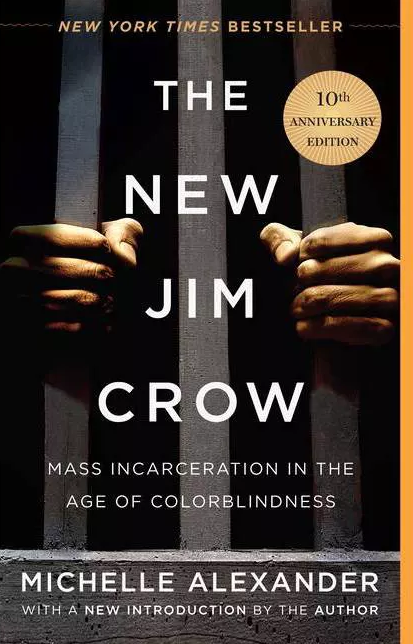
What an odd phrase. “Shortcomings” allows the listener to project their own meaning on the story. “Shortcomings, you bet you! Let’s lock more poor people and people of color up! ” The United States prison system does not have “shortcomings.” The United States prison system is the “United States Prison Industrial Complex” and as Michele Alexander intelligently points out in “The New Jim Cow,” the prison system is simply used to control black people like laws were  in the Jim Crow era.


That the prison system has been largely privatized and a place for large corporate profits is the real story.  The shortcomings of this type of PBS Newshour journalism is that it waters down the truth and reframes the narrative to the advantage of the powerful. Language matters and eventually shapes the political dialogue and perceptions.

NOTE: The opinion above is only that of the author and does not represent the San Francisco Journal, investors or subsidiaries. Letters to the editors can be sent via the contact link below.

Paul Bley – Time Will Tell – “A scale is a very ugly thing”

“A scale is a very ugly thing and it’s a bad discipline to expose your ear to bad music in the name of technique.  If you decide what to play and what aesthetics to use in your choices then the “how” will follow. There is a basic advantage in not being able to play well, in that if your music is very simple then you are less likely to play bad notes. The more notes you play the more likely you are to play a lot of bad ones. By limiting your choices you improve the result of your music. I went through a period in my life when rather than trying to make my music sound better I started eliminating things that didn’t sound good and everyone said that I had made a great improvement, but what I had done was just housekeeping.”
Paul Bley – from Time Will Tell – Conversations with Paul Bley (2003) – Norman Meehan

Such an odd perspective, but it makes sense that Paul Bley would say that scales are “ugly.” I think what he is saying is that scales, when played like “scales,” are ugly. When played like music are just music. The notion that you get rid of bad notes in your playing by simply playing less notes is pretty funny!

if your music is very simple then you are less likely to play bad notes

This is perhaps the definition of a bluegrass solo, or what the cowboys call a “break.” Good jazz musicians never have a hard time with “wrong” notes as that is sometimes the fodder with which they create their motifs.
Feel free to comment below.

Alia Volz and How Time Flies

During the day I program and design websites. I have been doing this for over twenty years. It has been well-paid stable employment and I seem to have a knack for it.  Perhaps my BA in Music from the 1980’s has helped in that being able to read, think critically and creatively about the world and things is crucial to programming and design.

Everyday there is a task that takes literally half of your brain. Move this data from here to there. Create these menus in WordPress. Batch these image files. During these times I often listen to podcasts. I dig shows out of KCRW, WWOZ and KMHD. Yesterday I was listening to Fresh Air from WHYY in Philadelphia and the show was about someone from San Francisco.  Someone by the name of Alia Volz was being interviewed about her new book Home Baked.
https://www.npr.org/2020/04/28/847250943/a-home-baked-childhood-when-the-family-business-is-marijuana-brownies

It took until halfway through the show to realize – “wait a second! I know this person!” In the 1990’s I played with Louis Romero and his salsa band Mazacote. For a while a woman named Meredith managed the band. She was a gregarious person with flaming red hair and green eyes. She got us gigs up in wine country and a few corporate parties. Sometimes during that period I would be asked to give her daughter, who had the same flaming red hair, a ride home or to the next stop.  No problem. Be safe out there kid.

Listen to the show. Alia’s mom is indeed an artist.  At one point around 1995 she asked if I could store some paintings of her’s as she had just become evicted from her apartment. I agreed. The oil paintings were very large, very colorful full-figured nudes – all women. I hung these in my Bernal Heights cottage for a few months. The reaction of people who came in the cottage was worth the storage. I had no idea that Alia grew up in such an unusual situation.  That was 25 years ago. How time flies. It is great to hear that Alia is doing well and living a creative life as a writer.

In the 1970s the definition of a famous person was that you had to be on Sesame Street. In 2020, my take is that to be a famous person you have to have been of Fresh Air.  I must be getting old as I am starting to know a lot of famous people.


Reflections on an Erratic, Narcissistic President

It is April 20th, 2020 and the world is in shutdown mode as the coronavirus travels around the globe. Health officials and governmental officials who listen to them and are reasonably intelligent have deemed human life as more important than short-term profits, stock market fluctuations and popularity polls.   California Governor Gavin Newsom who has been taking an intelligent and cautious path even referred to the people who have died of COVID-19 as “souls.”  I cannot remember a politician refer to humans as “souls” in a very long time.  It made me think that perhaps Gavin Newsom reads old political speeches from bygone eras. It sounded almost spiritual.

And then there is Donald Trump, who takes responsibility for nothing and credit for everything when things appear to go well. We found out that this is what “stable geniuses” do during the 2016 debates. The concept of going bankrupt over and over again and thus not having to pay federal income taxes was “intelligent.” That few questioned this as being unpatriotic, inept, irresponsible or slimy is odd.  And then when the stimulus package was ready to roll out, Trump insisted on delaying the payments for he insisted on having his signature on the checks; a strange twist of fate for someone who has avoided paying taxes.

Trump, even though he is in charge of the executive branch, sees the federal government as the enemy. This is why he insists on doing backroom deals with foreign governments, spewing nonsense and hyperbole on Twitter and in the end never actually leading and  taking responsibility for anything associated with him. Months ago when the pandemic was due to hit and medical supplies where low, Trump refused to invoke the Defense Production Act and take over sectors of manufacturing businesses to create the medical supplies needed for such a scenario.  This is because after years of dodging taxes and NOT paying taxes, he cannot fathom that the checks people write to the federal government can actually be used to help the populous as a whole.

“You never want a serious crisis to go to waste. And what I mean by that [is] it’s an opportunity to do things that you think you could not before.”
Rahm Emanuel -Interview to the Wall Street Journal, November 19, 2008.

What is truly perplexing is that all politicians know that it is times of crises when you can act in a way that will bring people over to your side that usually would never support you. If Donald Trump simply listened to the experts in the room, and made some key decisions at key times, less people would be six feet under and ironically his poll numbers would be through the roof and he would be unstoppable in 2020. But then perhaps these are the choices of a “stable genius.”

Save our souls.

NOTE: The opinion above is only that of the author and does not represent the San Francisco Journal, investors or subsidiaries. Letters to the editors can be sent via the contact link below.

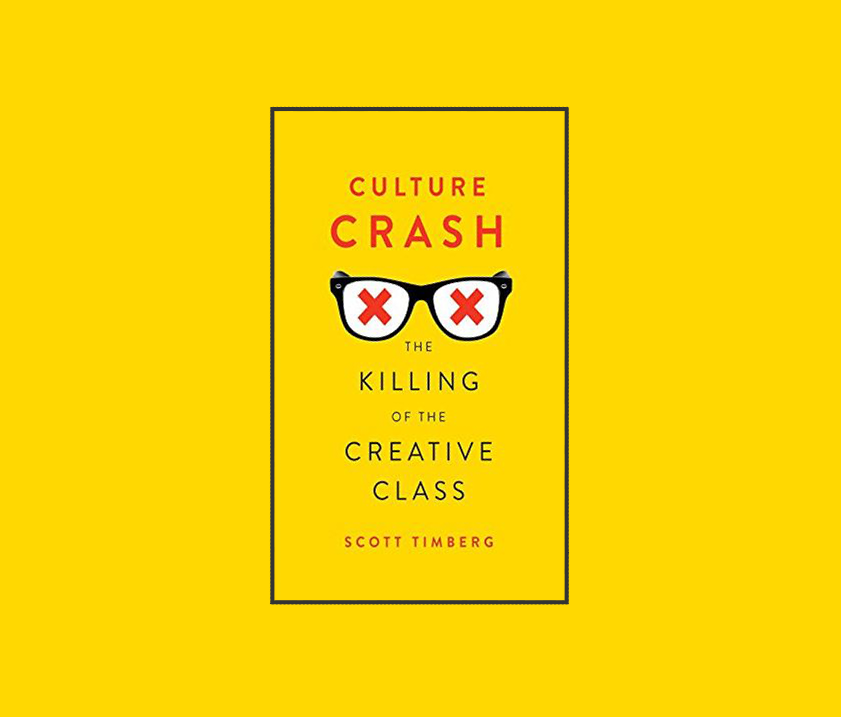
Review of Culture Crash: The Killing of the Creative Class by Scott Timberg

in 2014 when I read that Scott Timberg was writing a book about the modern perils of people in the arts I got a bit excited. The topic of how the internet and digital economies had laid waste to many traditional arts forms, trades and professions, has been a story that is not told very often and rarely very well. While everything in Culture Crash: The Killing of the Creative Class is pretty much depressingly true, it fails to address the most important question. Why and how is the creative class being killed?

A few of the professions that have been lost or are under stress are book, record and video store clerks, writers and in particular journalists, of course all performing artists such as musicians and dancers, architects – the list is long and pretty much everyone I know is well aware of the lower pay for creative work – people being paid ridiculously low wages to write, musician playing bars and restaurants for just tips..  Timberg seems to have had a soft place in his heart for the book and record store clerk as being a sort of cultural ambassador for the towns and neighborhoods where they live. Think of one of those cool small record stores you rarely see these days. Every employee has a strong personality, unique wardrobe and an expertise in a certain genre. Often such places would have favorite playlists of the week written on a chalkboard behind the register and it would range from thrasher metal to perhaps a new Brahms recording. Cool places no doubt. Hard to find these days save for a few stores in larger metropolitan areas.

The money being spent on music is not ending up in the hands of musicians, or even labels, or members of the creative class, from the record store clerk to  a label president. It’s going to Apple – which thanks to iTunes, could buy every surviving label with pocket change – and other gargantuan technology companies.
– Culture Crash: The Killing of the Creative Class by Scott Timberg

The first few chapters “When Culture Works” and “Disappearing Clerks and the Lost Sense of Space” muse nostalgically about this bygone era. “Back in the day” reminisces. Local mid-level working bands with a full calendar of gigs, paying not much but a living wage. Entry level journalists doing beat writing. Those were the days.

San Francisco and New York are becoming cities without middle classes: writers and musician lacking trust funds are being replaced by investment bankers and software jockeys, as well as a large servant class that commutes into town from poor precincts to clean their lavish kitchens and watch the children.
– Culture Crash: The Killing of the Creative Class by Scott Timberg

I have never heard the term “software jockeys.” Software programmer, UI designer, web programmer but not “jockey.” Indeed, the world changes and one thing that Timberg seems unaware of is that people graduate from art school and then get a job at Apple or a large construction firm designing marketing materials and email headers. Musicians often have day jobs creating “apps” or programming websites. Being flexible and learning new skills has always been the forte of studying the liberal arts. Writing the great American novel has always been a luxury afforded to only the wealthy or the scrappy staving poor.

There is a chapter where Timberg throws the  critic Pauline Kael under the bus for making fun of serious art and preferring popular trash. He also laments the avant-garde that pushed people away from the concert halls and museums. Indeed it seems that Timberg would prefer a well-attended Mozart festival to an auditorium a quarter-full of people trying to get their heads around some experimental modern piece.

The chapter near the end of the book entitled “Lost in the Supermarket – Winner Take All” is interesting as the book was published over five years ago, at a time when the monopolies of Amazon, Google and Facebook were solidifying and further buying out their competition. All books written that mention technology seem like dinosaurs by the time they are printed as the landscape does change.  The tech monopolies in 2020 are even more entrench than ever.

By the end of the book, the hope is that somehow we need to regain the middle again where instead of a anti-intellectualism so prevalent in society, ordinary people go to art museums and local jazz shows.  People read serious novels and discuss poetry. The gist of the book is a plea for the “middle-brow” world where culture is consumed by all. “Good luck” is all I can say. It’s a brave new world we live in with people mesmerized by social media, stupid YouTube videos and their cellphones.

Which gets me to my conclusion. What Culture Crash: The Killing of the Creative Class leaves out is the”how” and  the “why. ”  Why is the creative class being killed? There is one mention of Telecommunications Act of 1996 which was like a wrecking ball for many artistic environments. Shrouded in the guise of fair competition, Clear Channel went into every market and bought out smaller players.  This ruined local radio, local music scenes, weekly papers and eventual laid waste to print journalism.

But the law that has done the most damage, and that was surprisingly never mentioned in Culture Crash: The Killing of the Creative Class  is the The Digital Millennium Copyright Act (DMCA) of 1998. Just two years after the Telecommunications Act of 1996, the DMCA was signed by President Bill Clinton, with every member of congress voting “yes” and cheering the law on like a high school pep-rally. Neo-liberalism ( a truly misleading term) was all in vogue with the silly notion that free competition, while never really free as the big players have teams of lobbyists in Washington, will solve every problem. As pointed out many times on this website, the 1998 DMCA was a massive gift from the creative class to the tech class.  It is a major reason “why” the creative class has been “killed.” It is odd that no one saw it coming. The internet has the potential to be a fair platform for publishing. The rules of “safe-harbor” have been so stretched and bent that for years technology companies’ revenue strategies are often a slimy exercise in cultural thievery – all perfectly legal. In 2020, it has gone a step further, as money is made off of peoples’ personal data, well-named as “surveillance capitalism.” But I digress. The DMCA is a failed law that needs revision every five years.  I have pointed this out since 2015.

Digital Millennium Copyright Act 18 Year Anniversary

Unfortunately, far too young,  in December of 2019, Scott Timberg passed away. A very good writer, a brilliant thinker, an idealist and surely a great guy. We need more people like Scott.


Culture Crash: The Killing of the Creative Class by Scott Timberg
Hardcover: 320 pages
Publisher: Yale University Press (January 13, 2015)
Language: English
ISBN-10: 9780300195880
ISBN-13: 978-0300195880

The Quarterly Report – April 2020

COVID-19 and the Coronavirus

It is no surprise that the San Francisco Journal The Quarterly Report – April 2020, leads with the global Coronavirus, COVID-19 pandemic. This is “slow news that doesn’t break,”  and this pandemic will be around for a while. In San Francisco the self-isolation order started around Monday, March 16. Those who are employed in the world of the internet have a huge advantage over those that work in close distances to people. Being able to get paid to work from home is a privilege.

While we have not had to lay off any of the staff at the San Francisco Journal, the toilet paper ran out a few days ago so we are using facial tissue in all bathrooms at the main facility.  Sorry for any inconvenience this may cause. Besides that, it has been rather pleasant with mild temperatures and incredible sunsets for days on end.

Some of the things that I have noticed as everything slows down.

  • The city is quieter. All that white noise bouncing around the concrete jungle is less.
  • Fewer planes overhead. The sky is clear of that traffic.
  • Families are going out for walks together.
  • Neighbors are getting to know each other from afar.
  • No street cleaning tickets and the street cleaning trucks seem to be mostly in the barn.

7 Things to do while self-isolating

The only way to approach self-isolation, if you have a roof over your head and plenty of food  is to look at it as an opportunity not a setback.  You will no longer be in a hurry to run out the door to get to that work, social engagements or jury duty. Instead, it is possible to think of all the things you would do if you had three months with no commitments. Here are a few ideas:

  1. If you have a musical instrument in the house, learn how to play it. Maybe it is your clarinet that you tried out in middle school that is deep in you closet. Maybe it is a harmonic in the drawer of your desk. There are many online resources. Hire a local musician to teach you via video-conferencing.
  2. Fix something in your house. I was able to refurbish a bathroom scale that we picked up out of the trash ten years ago. Some sand paper and a can for white spray paint did the job. What is great about this scale is that it is always at least five pounds less than the actual weight. This will come in handy.
  3. Read a book. What a strange idea.
  4. Take up long distance running. Indeed running is something you can do during a pandemic like this. Start with a few miles and build up to twenty or thirty miles per day.
  5. Study any cookbooks you have around and make a dish out of stuff you have left around the house. Great way to get rid of food that you may have never eaten anyway.
  6. Listen to some music buried deep in a closet in your house. Could be the radio,  old cassette tapes, a CD or perhaps some vinyl albums. Listen from start to finish. Do nothing else.
  7. Clean out your dresser and go through your sock drawer. (OK. Now I am getting desperate. )

Photos from March 2020, Before Self-Isolation

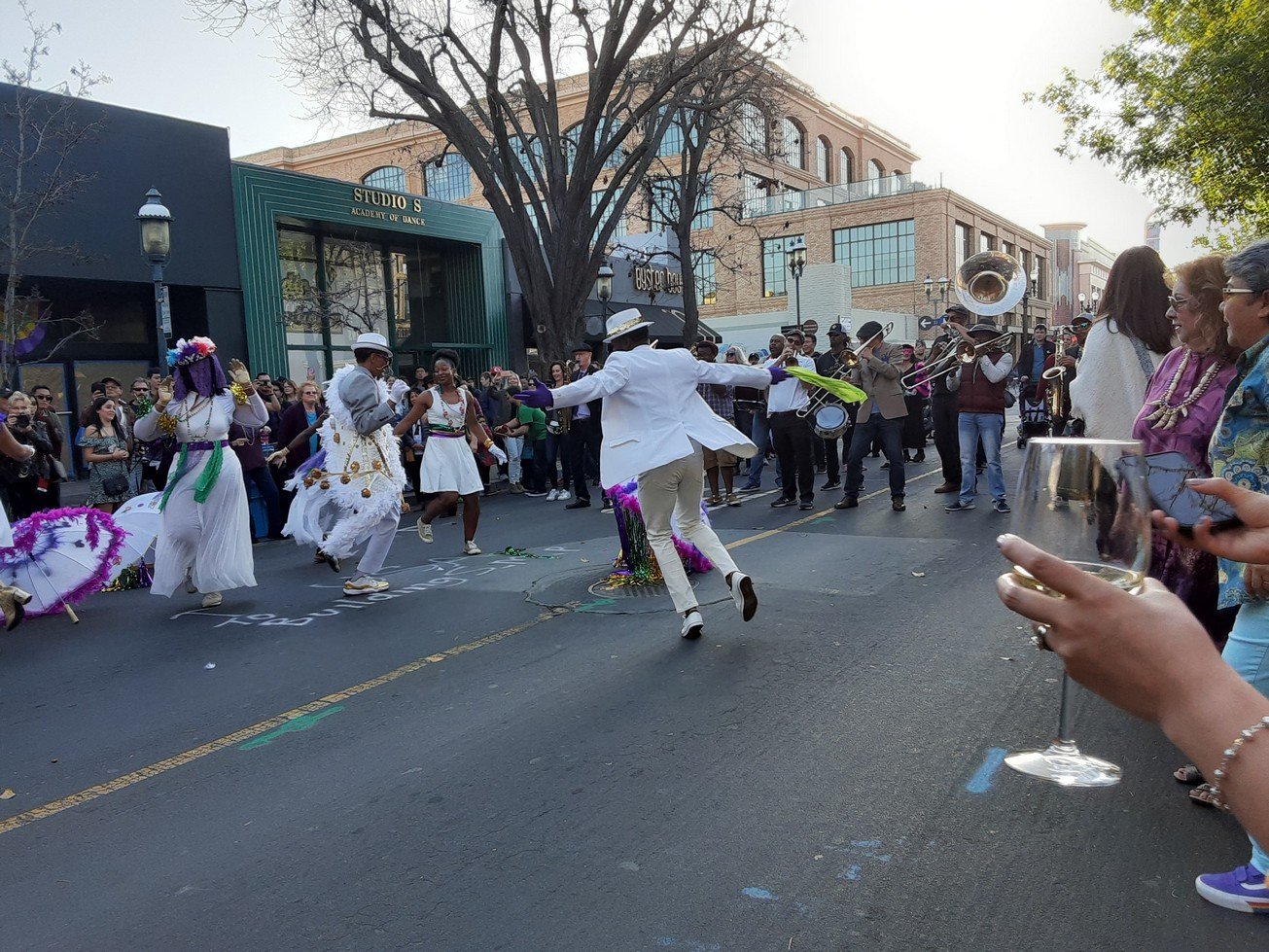
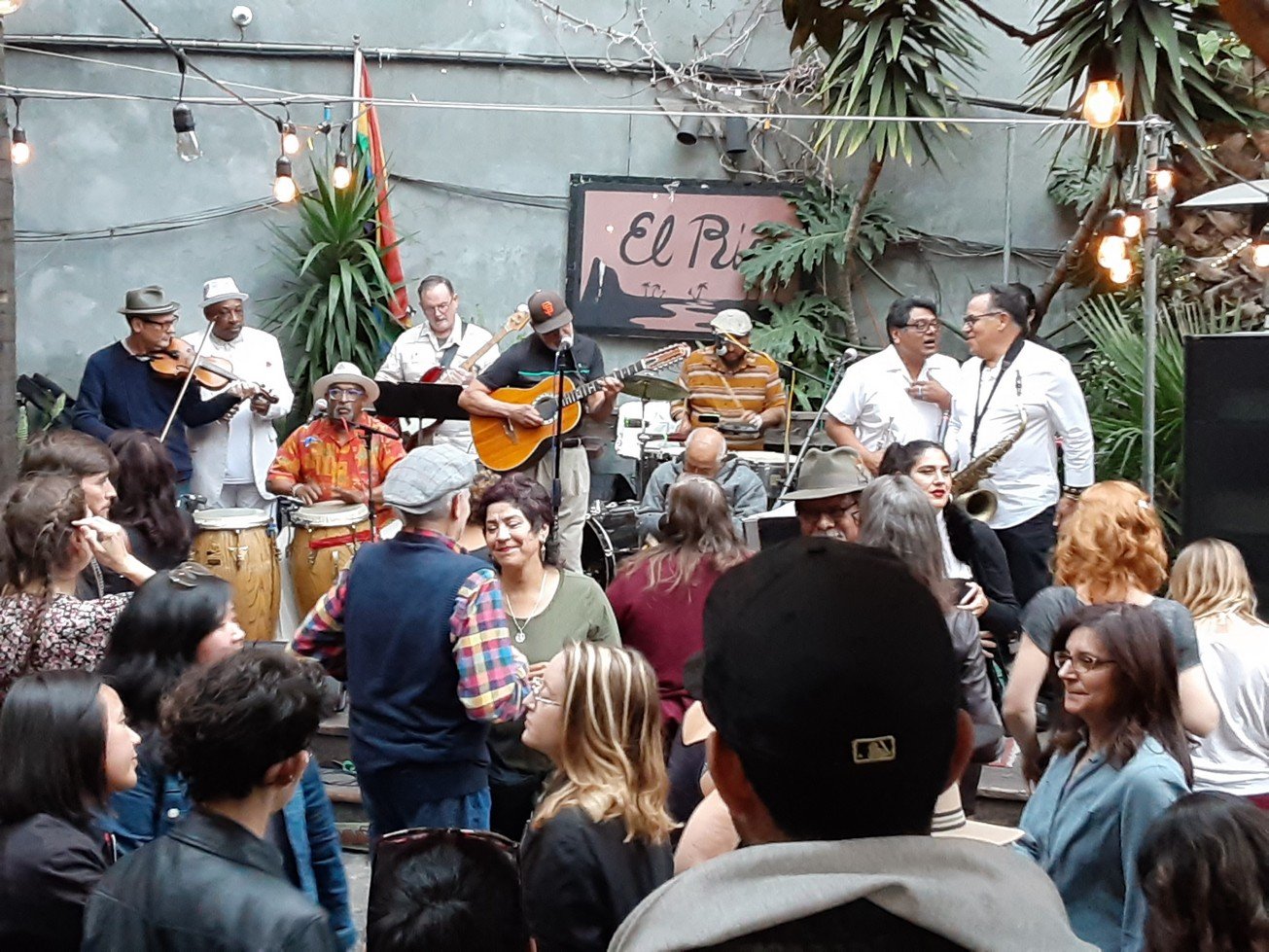
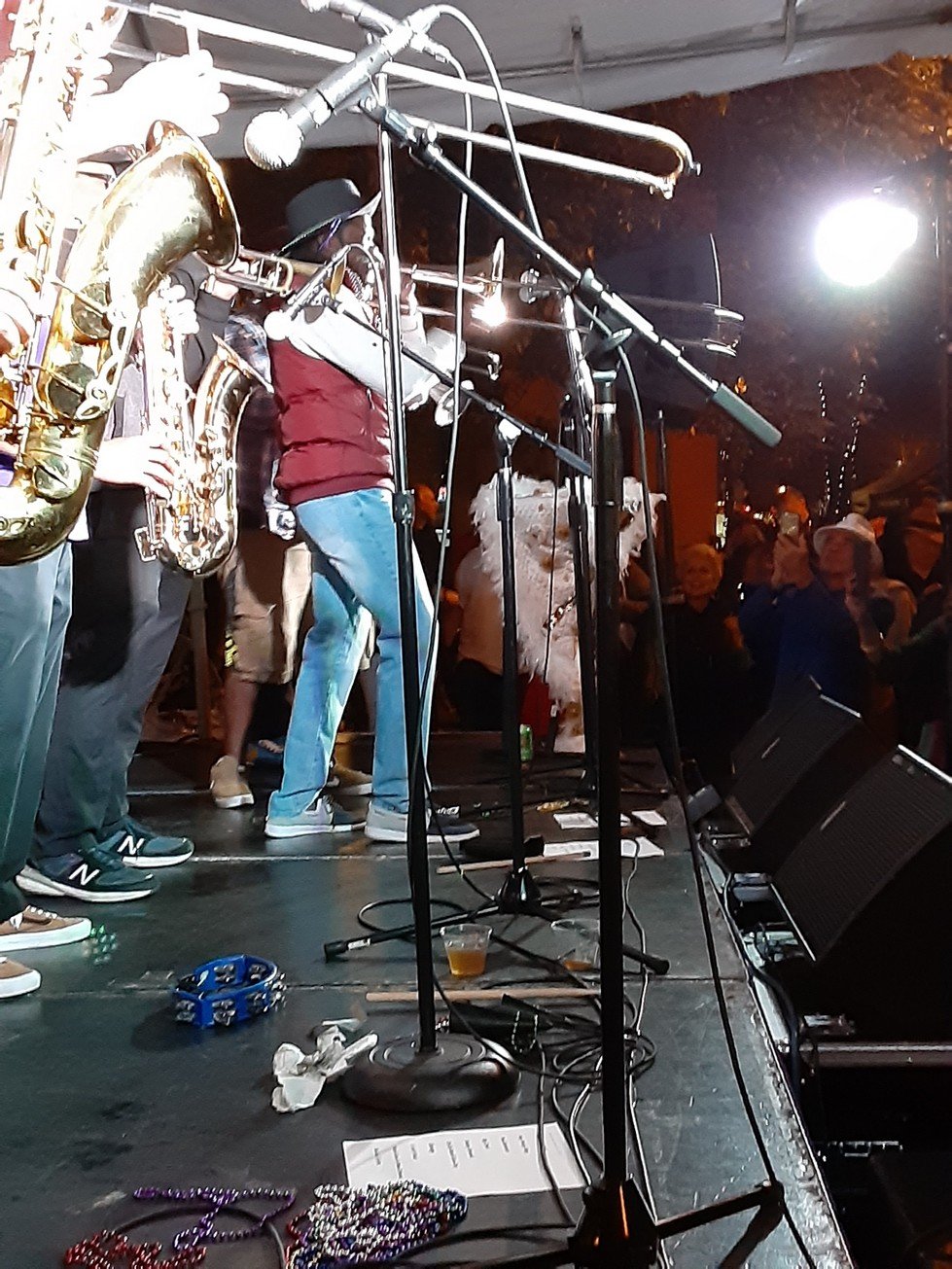
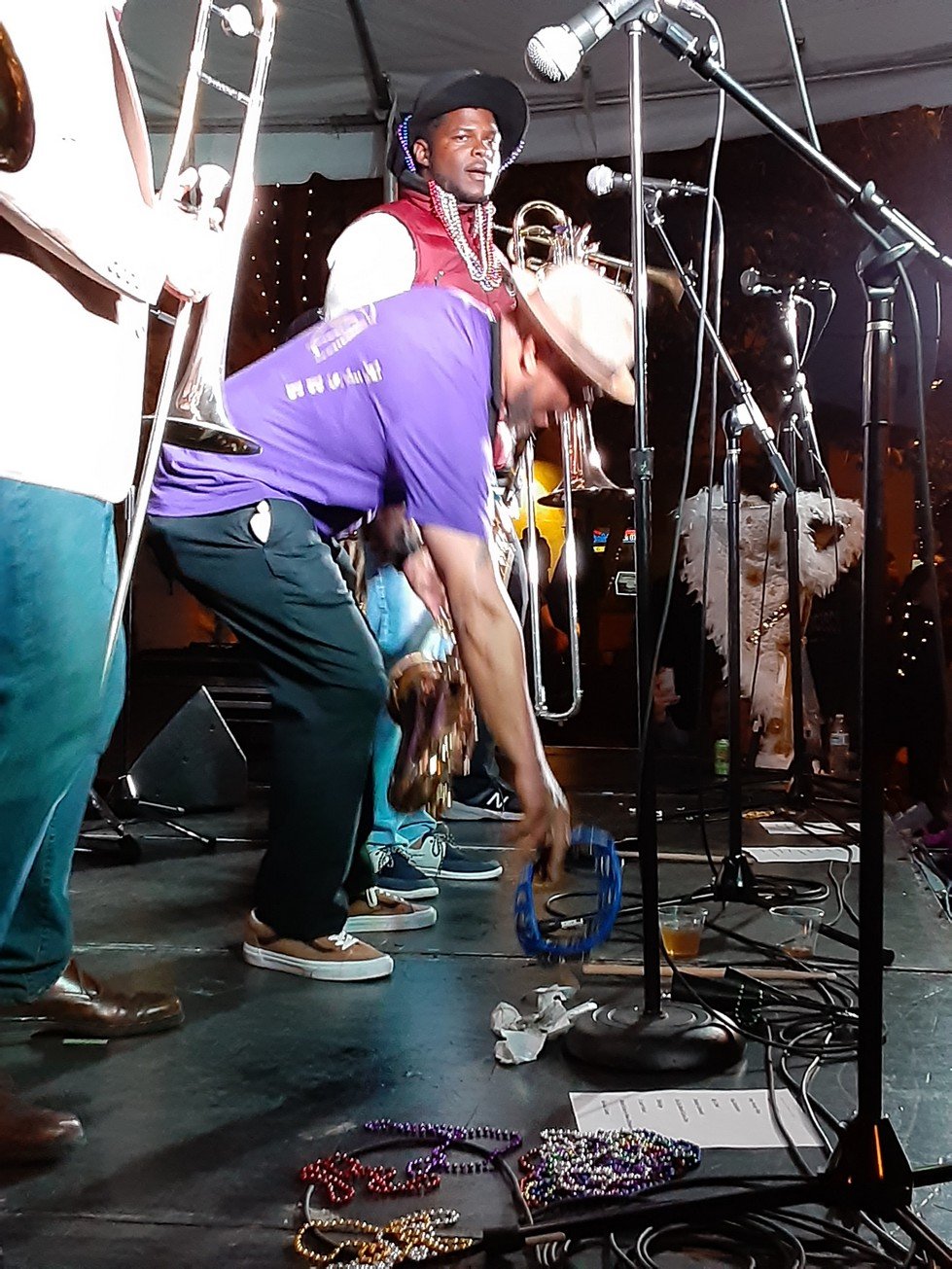
Redwood City put on some Fat Tuesday events. Great celebration. Also some photos of Los Compas at El Rio.

Technologies from science fiction books, television shows and movies in the 1960s and 70s – ones that came to fruition and ones that did not

It is interesting that during this pandemic we have the crutch of digital technology. Some of these concepts seemed unbelievable fifty years ago. Many will never become a reality. Here is a list of future technological notions  from popular culture fifty years ago and whether they came to fruition.

  • Get Smart’s mobile phone in his shoe –  While our cellphones are not in our shoes this has happened.
  • Video conferencing with aliens such as Klingons. – While my relatives are not Klingons sometimes their behavior on ZOOM conferences seems alien.
  • Beaming people from a spaceship thousands of miles down to the planet like they did on Star Trek. – Has not happened. I do not have confidence that this will ever happen. We are struggling with high-speed rail, beaming people. Not going to happen.
  • Telling a speaker what music to play and having them choose music. – I remember Jean-Luc Picard requesting music on Star Trek by asking some listening device to play him Bach or something. This is now a reality if you are into having some creepy corporation listening on everything you say.
  • Individual tiny airplanes that are used for commuting as in the Jetsons – This has not happened though there are now a lot of new transportation devices popping up. Electric bicycles, electric scooters and skateboards. A personal flying contraption. Actually not a very good idea to begin with.

Weather

When the social-distancing  began in San Francisco a few weeks back, the weather became calm and tranquil, sort of like how it gets during Indian summers in the late fall. For a while people flocked to the beaches and did their social distancing in the sand and waves. The surf at Ocean Beach was very good and lovely with a week of very small yet clean surf.  It is now raining which is always welcome this time of year.

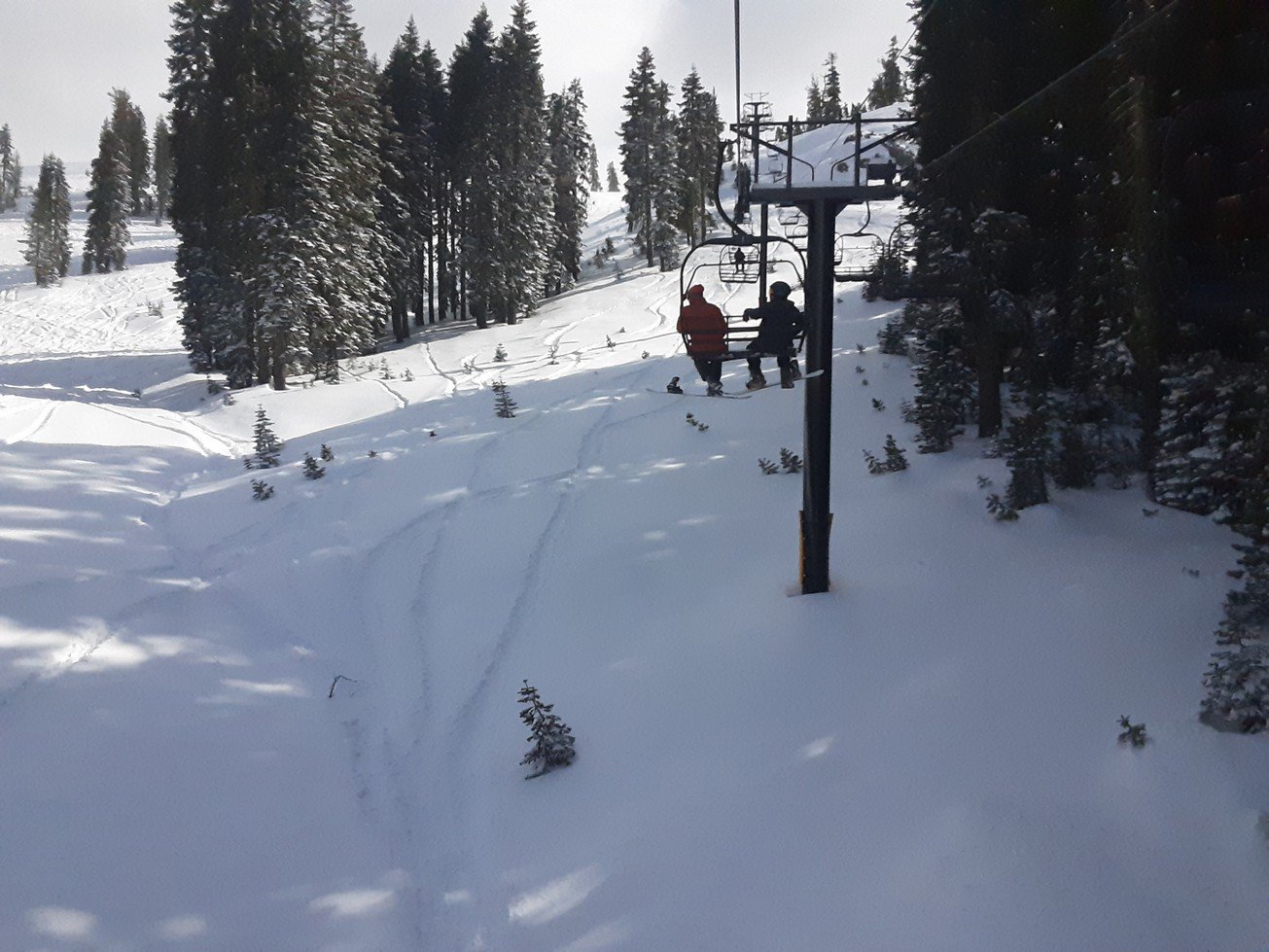
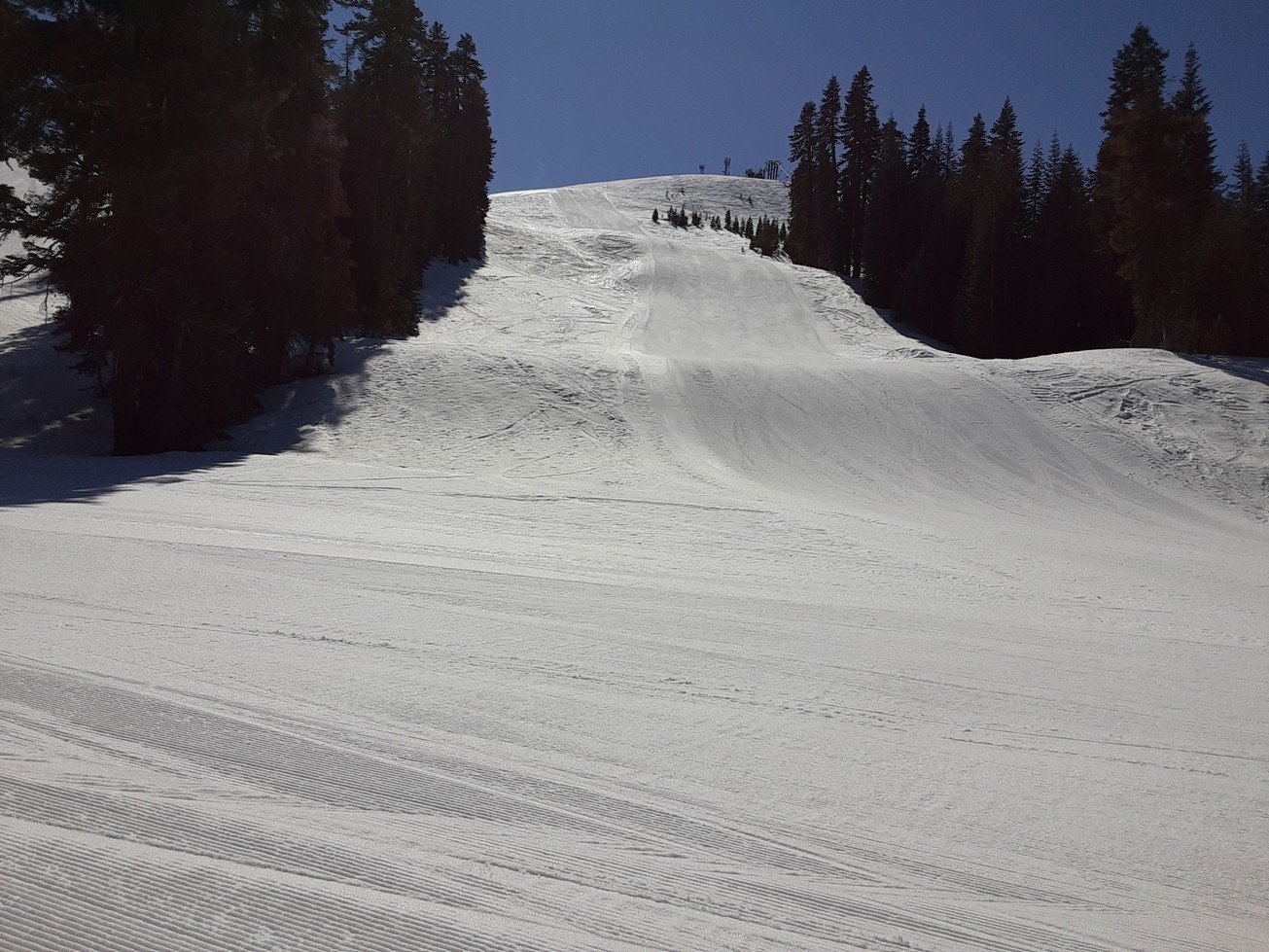
The Sierra mountains had a very dry February and a little snow in March. By the end of March a good storm showed up that dropped about 40 inches of snow above 6000 feet. Unfortunately around that time the resorts had to close because of the pandemic. Not sure it would even be a good idea to do backcountry at this point.

Sporting News

All sports are called off until further notice. Go for a bike ride or a run.