I never think delusion is ok. Barbara Ehrenreich in an interview with Jon Stewart
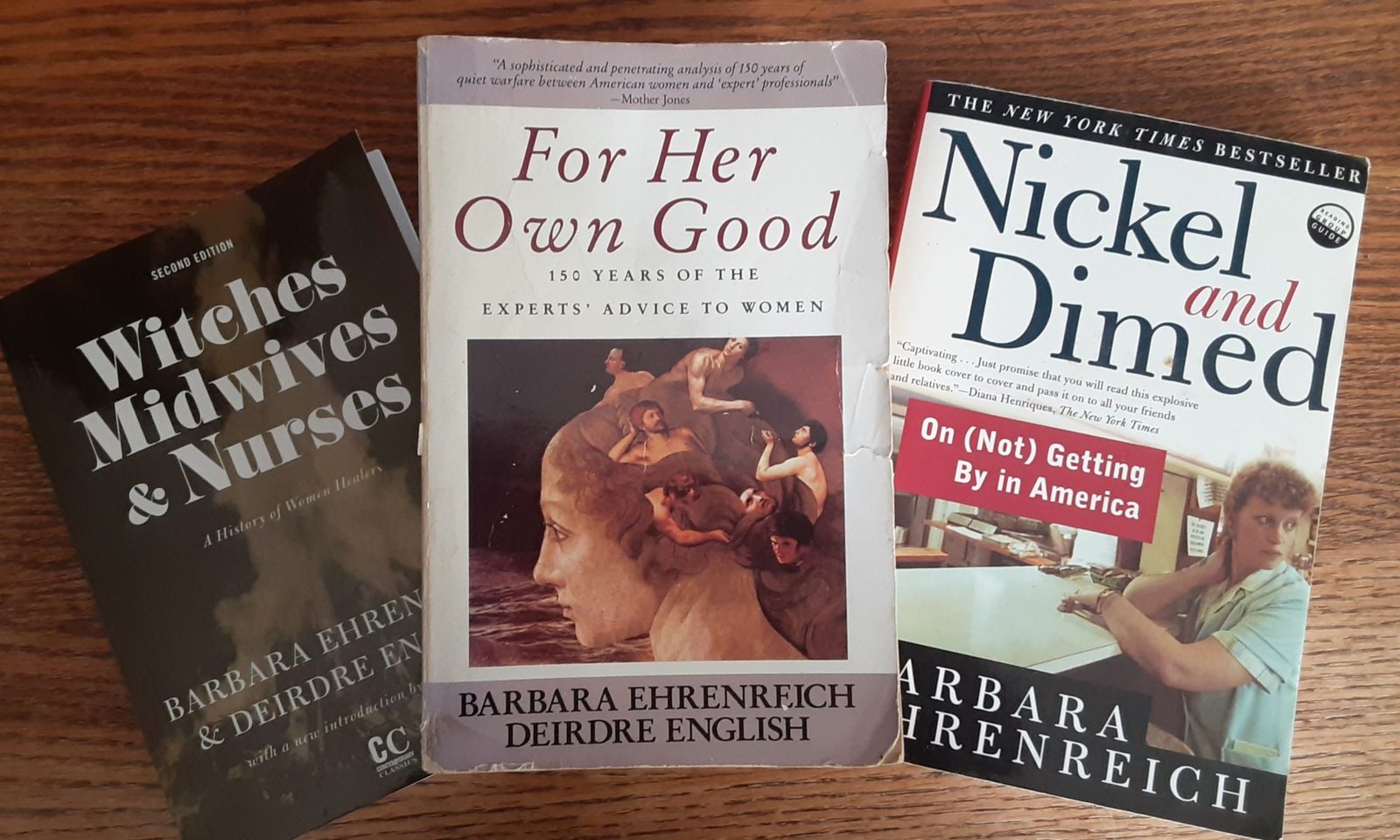
Barbara Ehrenreich died on September 1, 2022 at the age of 81. She was a modern-day muckraker who’s books exposed sexism and rampant capitalism in the health care system, wage inequalities, the latest silly fads in psychology and the challenges of living in our modern capitalist America. Her best selling 2001 book Nickel and Dimed: On (Not) Getting By in America, is a memoir of her three-month experiment surviving on a series of minimum wage jobs. It is an easy read, a bit of a “one hit wonder” and ironically gave her some financial freedom to continue to write on topics of her choosing. You can read the New York Times obit which seems to have been picked up by other papers and is the only obit of Barbara Ehrenreich that I could find.
I have three of Barbara Ehrenreich’s books. It has baffled me how of all her books Nickel and Dimed was so successful. People did not know that living off of a minimum wage job is next to impossible? But then again Nickel and Dimed was written as gonzo journalism and hit right when reality television shows were coming of age. People often read to confirm their beliefs not to challenge them. Many of Ehrenreich’s books were written in this first person, lived confessional style. However, to this reader, if you want to read some of her most interesting and powerful works, read the books she co-wrote with Diedre English, Witches, Midwives, and Nurses: A History of Women Healers (1972). and For Her Own Good: Two Centuries of the Experts’ Advice to Women (1978) were she writes as a researcher and scholar about the disenfranchisement of women and the transformation of healthcare over the last 200 years. This is a story that our present medical model and especially the AMA (American Medical Association) does not want the public to know.
Witches, Midwives, and Nurses: A History of Women Healers ( For Her Own Good: Two Centuries of the Experts’ Advice to Women are both books written in the 1970s at the height of Second-wave feminism. Both books look at the history of medicine and how the role women as healers and experts was usurped by the emergence of a medical “profession.” The overriding theme is how this new male dominated profession dealt with what was called the “Woman Problem.”
For decades into the twentieth century doctors would continue to view menstruation, pregnancy and menopause as physical diseases and intellectual liabilities. Adolescent girls would still be advised to study less, and mature would be treated indiscriminately to hysterectomies, the modern substitution for ovariotomies. The female reproductive organs would continue to be viewed as a kind of frontier for chemical and surgical expansionism, untested drugs, and reckless experimentation. For Her Own Good: Two Centuries of the Experts’ Advice to Women
In many ways this sort of medical arrogance has continued. For years women who went through menopause would be prescribed hormone replacement therapy to deal with their “Woman Problem,” as though nature needed help with the natural process of life and aging. It was later found that hormone replacement therapy created risks including heart disease, stroke, blood clots and breast cancer.
And as of 2014, gender is now considered a pre-existing medical condition where God often seems to makes “mistakes.” In many ways, if you connect the dots, the “Woman Problem” has not ended – it just has been repackaged.
Hopefully, someone will take up the torch of critical thinking that Barbara Ehrenreich lit and continue on with her early style of research and questioning the medical establishment and the powers that be. An interesting study would be how the profession has changed now that women are entering the field of medicine at about the same rate as men.
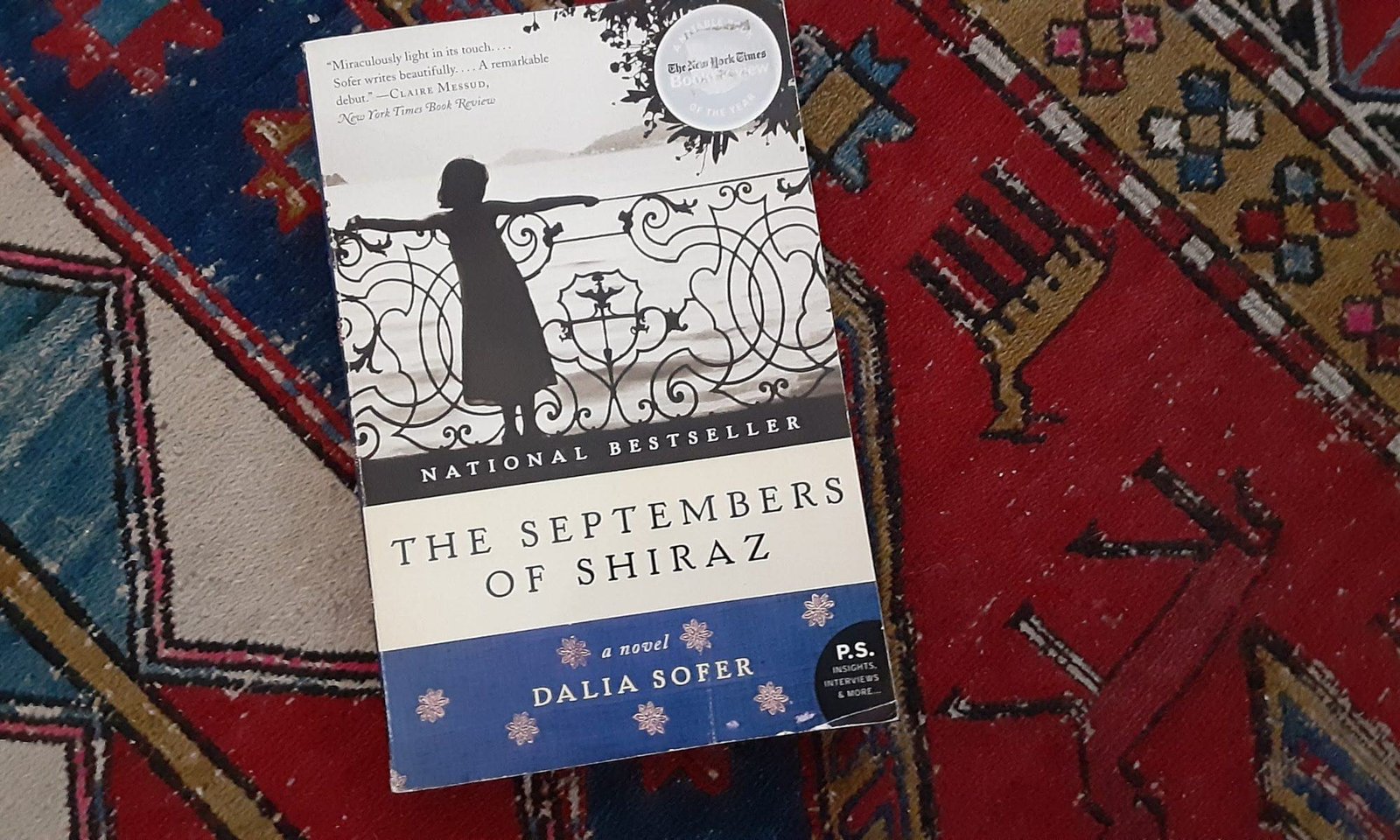
I found the first novel by Dalia Sofer The Septembers of Shiraz for one dollar while looking through books at a Goodwill store in Minneapolis. The shelves were in no particular order, so the same books promoted by the big publishing houses could be found ever fifty or so books – volume printing now on sale. While The Septembers of Shiraz, according to the cover, was a national bestseller, it was the only copy on the shelf and I had not heard of the novel. Lucky me. I found the book to be quite a page turner.
What makes the novel so compelling is how it weaves together multiple stories seamlessly. For Sofer, while the world is turned upside down, the one constant is time. Tehran and New York City may not see the sun rise and set at the same time, but they eventually do. While someone is in prison in solitary, someone else is taking in laundry. This contemporaneousness and universality seems to bring the characters hope and the ability to persevere against the odds . She writes about these and many other themes with a poignant restrained lyricism. Her depictions of Tehran and Iran are so vivid you can almost hear and smell the streets.
Iran will be in the news for years to come and the years following the 1979 revolution will always be a pivotal time in history. While I will do the best to not spoil the story, the novel is in many ways autobiographical. Dalia and her family did attempt to leave Iran and unlike the movie Argo they did not pose as a Canadian film crew. I will leave it at that.
This reviewer gives The Septembers of Shiraz by Dalia Sofer 5 stars. Feel free to pay the full price at your local book seller.
“Lacks literary value which is relevant to today’s contemporary multicultural society” – Banned Books Week: Banned BOOKS in the Library
It is remarkable how the novels of the 20th century have often predicted the 21st with amazing accuracy. So many of the novels of Orwell, Bradbury, Vonnegut and Huxley were spot on. While the exact details may differ the general concepts are so often clairvoyant to the point of being spooky. I reread Brave New World by Aldous Huxley having maybe read it a long time ago. So many of the predictions have become reality. The social engineering, the control of people through pharmaceuticals, the engineering of humans, the disdain for truth and history, the censorship, the obsession with consumerism, the obsession with sex – the list is long.
Of course the novel is not Disney-approved so has been banned at times mostly for the notion of unlimited sex and the concept of a sort of “free-love” with an advocacy of people having many partners. No doubt that would wake up many boys in tenth grade English class but there is absolutely nothing graphic in the novel and that is maybe the one thing that has not become a reality – at least not in my circles. And everyone please remember: this is a novel and not a manual for how to live life.
While sex with many partners is perhaps not common today the pharmaceuticals are everywhere. The line below seems like it could be the marketing material for Prozac.
“And if ever, by some unlucky chance, anything unpleasant should happen, there’s always soma to give you a holiday from the facts.”
And then there is this concept of “universal happiness” at the expense of truth and beauty so necessary for our present consumerist society.
“Our Ford did a great deal to shift the emphasis from truth and beauty to comfort and happiness. Mass production demanded the shift. Universal happiness keeps the wheels steadily turning; truth and beauty can’t.”
Of course if your comfort is beginning to wane in Brave New World there was a sort of virtual world called the Feelies. Here people could go just to get back to this sort of duped sense of happiness, perhaps a little bit like the new Metaverse.
“A lot of people think that the metaverse is about a place, but one definition of this is it’s about a time when basically immersive digital worlds become the primary way that we live our lives and spend our time,” Zuckerberg told Fridman. “I think that’s a reasonable construct.” – Mark Zuckerberg from businessinsider.com
The notion that the 1932 Brave New World “lacks literary value which is relevant to today’s contemporary multicultural society” is a pretty odd critique. I have a hard time thinking of themes and topics in the novel that are not relevant. Perhaps, this is why the brave schools have kids read and discuss this work. The main problem with having to write a paper on Brave New World is that there are too many relevant contemporary themes.
If you live in San Francisco, check out Bird and Beckett Books. A great place to buy books and listen to live music.
Remember, before you buy a book from Jeff Bezos consider supporting your local bookstore. You get that warm fuzzy feeling just thinking that you may have kept a local business alive and you may even make some real friends.
When I was a younger man, but decades after the bombing of Dresden, Kurt Vonnegut was an author that people took seriously, but he was never taught in your English class. Too modern. Too rock-an-roll. Far too funny. It was just assumed that everyone read Vonnegut. The language was crisp, often ironic, sometimes funny as hell and always profound. The chapters always short, you could often finish a book in a day.
I finally got around to reading A Man Without a Country by Kurt Vonnegut. It was a gift from a dear friend and in the end it it made me reread Slaughter House Five and God Bless You Mr. Rosewater; I just needed more Vonnegut. I realized that all Vonnegut’s work is worth rereading. Slaughter House Five should be required reading in high school.
Electronic communities build nothing. You wind up with nothing. We are dancing animals. How beautiful it is to get up and go out and do something. We are here on Earth to fart around. Don’t let anybody tell you any different. – Kurt Vonnegut
A Man Without a Country is unlike any of Vonnegut’s books. He wrote it later in life when in his 80s. It is confessional and in many ways but a brief autobiography – a great place to get to know some of the core values that undermine much of Vonnegut’s work. Early on he recommends everyone read what he believes to be the greatest short story in American literature – An Occurrence at Owl Creek Bridge by Ambrose Bierce. You can download it as a pdf.
Do you think Arabs are dumb? They gave us our numbers. Try doing long division with Roman numerals. – Kurt Vonnegut
One of the reoccurring themes of Vonnegut’s life of course is World War II and the realization that World War II was fought, like all wars, by children. This is why Slaughter House Five has a subtitle of The Children’s Crusade.
Reading A Man Without a Country, it is interesting to get Vonnegut’s take on drinking and smoking. I never really knew that he smoked two packs of Pall Malls, unfiltered every day. Incredible, that he lived into his 80s. Born in 1924, He was a man of his times. Most everyone in his generation smoked like chimneys at one point or another.
He was a humanist, pacifist, a stealth stoic, an environmentalist who believed strongly in the notion of community. One of his guiding moral principals was kindness.
And when he reflects back on America he signals out African Americans.
…the priceless gift that African Americans gave the whole world when they were in slavery was a gift so great that it is now almost the only reason many foreigners still like us at least a little bit. That specific remedy for the worldwide epidemic of depression is a gift called the blues. – Kurt Vonnegut
Experiencing the fire-bombing of Dresden made him a pacifist. He also sees that all wars and the destructive nature of capitalism (he was a huge fan of Eugene Debs) will do us in in the end. The quote below is from almost twenty years ago.
That’s the end of the good news about anything. Our planet’s immune system is trying to get rid of people. This is sure the way to do that. KV, 6AM 11/3/2004
A Man Without a Country by Kurt Vonnegut. I am giving it 5 stars as just being in the presence of Kurt Vonnegut’s wit is 5 stars. You can read A Man Without a Country in an afternoon.
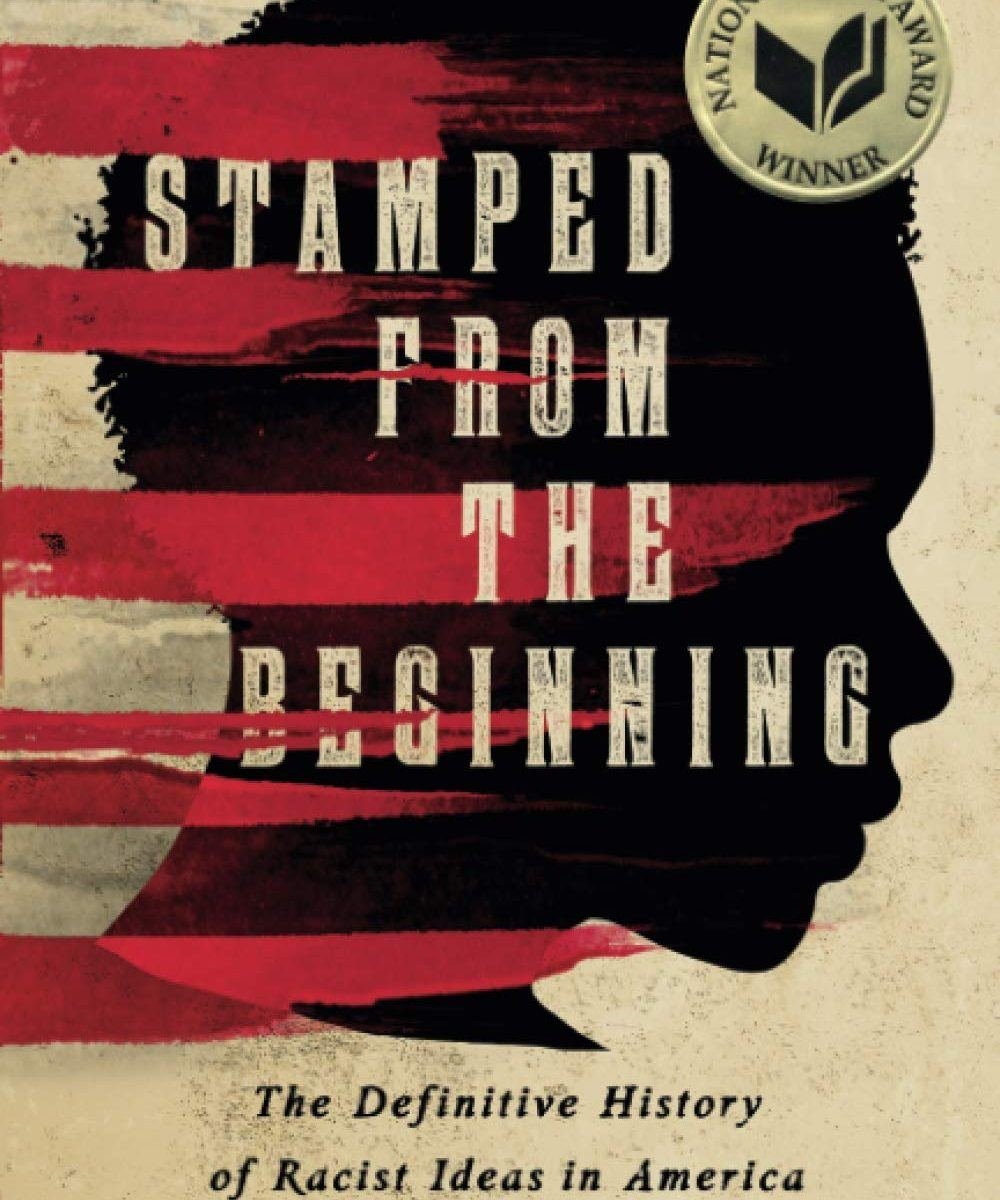
While “Stamped from the Beginning: A Definitive History of Racist Ideas in America” is a welcome addition to the scholarship of U.S. history the title is a bit misleading. It is not a “definitive history” as that is impossible. Rather it is a long rant on who is in what bucket: racists, assimilationist or anti-racist. Kendi’s thesis is that assimilation in the end is simply just a facet of racism as it does nothing for justice and systemic racism in society. He pleads for an anti-racist world from all segments of society. Fair enough.
One thing I take issue with in the book is the naive notion of racism having no historical context. That David Hume, the philosopher of the Enlightenment is taken to task about his polygenisist beliefs is silly. Most white people at the time, including scientific organizations, thought humans were many species. (This is probably, though rarely mentioned, the root of modern racism) Throwing Hume under the bus makes it so people do not actually read Hume and dismiss his many brilliant ideas because it is so unfashionable to read the works of a “racist.” Kids these days have not a clue what the Enlightenment was and is. The same can be said for pretty much everyone in the 19th century. John Muir, of course the racist, who just happened to be a naturalist and wanted to “save the planet’ before it was fashionable, and who talked on some mountain top to another racist, Theodore Roosevelt. The list is long.
The other issue I have is that Fred Hampton, the Black Panther murdered by the FBI, who’s politics were far beyond the identity politics of race and terrified the FBI as he spoke of economic injustice beyond the systemic racism is not even mentioned. Harry Belafonte, who was a major figure in the Civil Rights era of the 1960’s is left out as well.
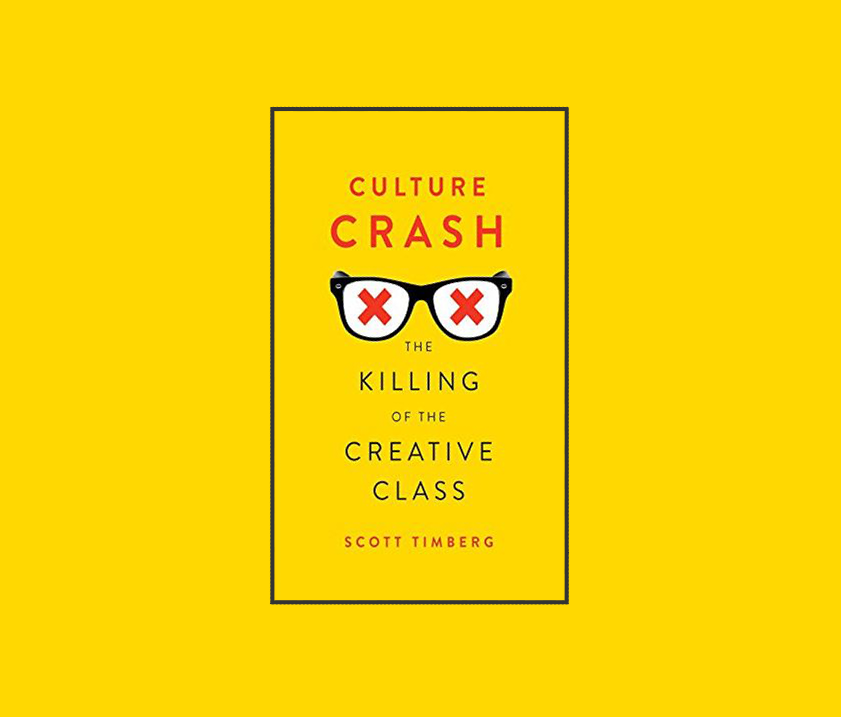
in 2014 when I read that Scott Timberg was writing a book about the modern perils of people in the arts I got a bit excited. The topic of how the internet and digital economies had laid waste to many traditional arts forms, trades and professions, has been a story that is not told very often and rarely very well. While everything in Culture Crash: The Killing of the Creative Class is pretty much depressingly true, it fails to address the most important question. Why and how is the creative class being killed?
A few of the professions that have been lost or are under stress are book, record and video store clerks, writers and in particular journalists, of course all performing artists such as musicians and dancers, architects – the list is long and pretty much everyone I know is well aware of the lower pay for creative work – people being paid ridiculously low wages to write, musician playing bars and restaurants for just tips.. Timberg seems to have had a soft place in his heart for the book and record store clerk as being a sort of cultural ambassador for the towns and neighborhoods where they live. Think of one of those cool small record stores you rarely see these days. Every employee has a strong personality, unique wardrobe and an expertise in a certain genre. Often such places would have favorite playlists of the week written on a chalkboard behind the register and it would range from thrasher metal to perhaps a new Brahms recording. Cool places no doubt. Hard to find these days save for a few stores in larger metropolitan areas.
The money being spent on music is not ending up in the hands of musicians, or even labels, or members of the creative class, from the record store clerk to a label president. It’s going to Apple – which thanks to iTunes, could buy every surviving label with pocket change – and other gargantuan technology companies. – Culture Crash: The Killing of the Creative Class by Scott Timberg
The first few chapters “When Culture Works” and “Disappearing Clerks and the Lost Sense of Space” muse nostalgically about this bygone era. “Back in the day” reminisces. Local mid-level working bands with a full calendar of gigs, paying not much but a living wage. Entry level journalists doing beat writing. Those were the days.
San Francisco and New York are becoming cities without middle classes: writers and musician lacking trust funds are being replaced by investment bankers and software jockeys, as well as a large servant class that commutes into town from poor precincts to clean their lavish kitchens and watch the children. – Culture Crash: The Killing of the Creative Class by Scott Timberg
I have never heard the term “software jockeys.” Software programmer, UI designer, web programmer but not “jockey.” Indeed, the world changes and one thing that Timberg seems unaware of is that people graduate from art school and then get a job at Apple or a large construction firm designing marketing materials and email headers. Musicians often have day jobs creating “apps” or programming websites. Being flexible and learning new skills has always been the forte of studying the liberal arts. Writing the great American novel has always been a luxury afforded to only the wealthy or the scrappy staving poor.
There is a chapter where Timberg throws the critic Pauline Kael under the bus for making fun of serious art and preferring popular trash. He also laments the avant-garde that pushed people away from the concert halls and museums. Indeed it seems that Timberg would prefer a well-attended Mozart festival to an auditorium a quarter-full of people trying to get their heads around some experimental modern piece.
The chapter near the end of the book entitled “Lost in the Supermarket – Winner Take All” is interesting as the book was published over five years ago, at a time when the monopolies of Amazon, Google and Facebook were solidifying and further buying out their competition. All books written that mention technology seem like dinosaurs by the time they are printed as the landscape does change. The tech monopolies in 2020 are even more entrench than ever.
By the end of the book, the hope is that somehow we need to regain the middle again where instead of a anti-intellectualism so prevalent in society, ordinary people go to art museums and local jazz shows. People read serious novels and discuss poetry. The gist of the book is a plea for the “middle-brow” world where culture is consumed by all. “Good luck” is all I can say. It’s a brave new world we live in with people mesmerized by social media, stupid YouTube videos and their cellphones.
Which gets me to my conclusion. What Culture Crash: The Killing of the Creative Class leaves out is the”how” and the “why. ” Why is the creative class being killed? There is one mention of Telecommunications Act of 1996 which was like a wrecking ball for many artistic environments. Shrouded in the guise of fair competition, Clear Channel went into every market and bought out smaller players. This ruined local radio, local music scenes, weekly papers and eventual laid waste to print journalism.
But the law that has done the most damage, and that was surprisingly never mentioned in Culture Crash: The Killing of the Creative Class is the The Digital Millennium Copyright Act (DMCA) of 1998. Just two years after the Telecommunications Act of 1996, the DMCA was signed by President Bill Clinton, with every member of congress voting “yes” and cheering the law on like a high school pep-rally. Neo-liberalism ( a truly misleading term) was all in vogue with the silly notion that free competition, while never really free as the big players have teams of lobbyists in Washington, will solve every problem. As pointed out many times on this website, the 1998 DMCA was a massive gift from the creative class to the tech class. It is a major reason “why” the creative class has been “killed.” It is odd that no one saw it coming. The internet has the potential to be a fair platform for publishing. The rules of “safe-harbor” have been so stretched and bent that for years technology companies’ revenue strategies are often a slimy exercise in cultural thievery – all perfectly legal. In 2020, it has gone a step further, as money is made off of peoples’ personal data, well-named as “surveillance capitalism.” But I digress. The DMCA is a failed law that needs revision every five years. I have pointed this out since 2015.
Unfortunately, far too young, in December of 2019, Scott Timberg passed away. A very good writer, a brilliant thinker, an idealist and surely a great guy. We need more people like Scott.
Culture Crash: The Killing of the Creative Class by Scott Timberg
Hardcover: 320 pages
Publisher: Yale University Press (January 13, 2015)
Language: English
ISBN-10: 9780300195880
ISBN-13: 978-0300195880
A good friend recommended Harry Belafonte’s My Song: A Memoir of Art, Race, and Defiance. Knowing little about Belafonte beyond songs like Jamaica’s Farewell and Day-0., I bought it online for around five bucks with free shipping – basically I got the book for free. It is a hard cover version on that luxurious linen paper with wide margins – a library discard from the Southwood Library in Calgary Canada. That a book from 2012 is so soon discarded seems odd. That it is a memoir of Harry Belafonte, one of the most successful entertainers of the 20th century with an incredible life of civil rights work and activism, adds to the mystery. Everyone, including the dear Canadians – slow down. Indeed, value has been turned upside down. In the end, it was my gain and Calgary’s loss.
It is possible to learn a great deal about the civil rights era simply through the lens of My Song: A Memoir of Art, Race, and Defiance. It is safe to say that Harry Belafonte not only was in the middle of the civil rights movement, he was a key historical figure and instrumental in the struggle for justice and equality. The book begins in 1964 like a screenplay. Harry Belafonte is attempting to convince his long time friend Sidney Poitier to help him on an unusual mission. He has $70,000 in cash in a leather doctor’s bag that he has raised and needs to deliver the money in person to the SNCC (Student Non-Violent Coordinating Committee) who at the time where doing lunch counter sit-ins and other non-violent acts of civil disobedience. The money was to help the SNCC in many ways but most often for legal support and bail. It was not the first time that Harry Belafonte had financially supported people and organizations in the “movement” during the civil rights era. It would not be his last.
The beginning of the book is meant to draw you in to a defining moment in Harry’s life. This dramatic start of the book helps pull the reader in and is effective, but many other moments and amazing happenstances fill the pages. When people live to be over ninety, often their lives take on an unreal, mythical, Forrest Gump-type of narrative. Their lives become like historical fiction, similar to an E.L. Doctorow novel, where meetings and scenarios seem made up and impossible. These unbelievable scenes fill the pages. Not to spoil the book, let me recount a few in the remarkable life of Harry Belafonte.
Late 1940’s – Early 1950’s
After returning from his deployment in World War II, Harry studied acting in New York City on the GI Bill. In his class were Marlon Brando, Walter Matthau and Tony Curtis to name a few. Pretty fine acting company. He then would go on to be friends with this group for his entire life.
At the same time, when he was but twenty years old, Harry would hang out at the Royal Roost in Harlem with the likes of Lester Young and other be-bop legends who encouraged his talents. Harry Belafonte was crazy about Lester Young. According to the memoir, the first time that Harry sang on stage, which happened to be an intermission gig at the Royal Roost, the entire Charlie Parker band, Tommy Potter, Al Haig and Max Roach got up on stage and backed him up. You cannot make this stuff up. The musicians did it just to help the new kid out.
Early 1960’s
In little time his singing career took off and Harry was a leading voice in the folk revival of the early sixties. It was a dynamic time when folk music had made its way into all parts of society. In Vegas you could get the whole room to join you in Pete Seeger songs like If I Had a Hammer. The next week Harry would be speaking at a demonstration, on the street perhaps leading a song. The idealism must have been intoxicating.
Soon you learn that Harry’s hero is Paul Robeson, the great singer and political activist. He learns a lot from Robeson and is moved to activism by his spirit. Major figures of the 1960’s are his close friends. Harry becomes the conduit between his good friend Martin Luther King and John F. Kennedy, oddly bridging the racial and cultural divide between a Southern Baptist preacher and a blue-blooded northern Irish Catholic. He also talked regularly with Bobby Kennedy, then the Attorney General.
Another, interesting week is when he was asked to host the Tonight Show in the early 1970’s for and entire week Harry was allowed to have control of the guests. He had Martin Luther King, Bobby Kennedy, Paul Newman and many others on. A week of interviews that would be interesting to revisit.
Beyond
There are many other interesting turns during this memoir, including all the work Harry did in Africa, his visits to Cuba and his relationship with Fidel Castro. The last fifty pages become less compelling reading, but you do learn that Harry Belafonte regards George W. Bush as a terrorist for invading Iraq – as always a pretty accurate assessment of the facts. Harry Belafonte – committed, intelligent and honest to the very end.
The memoir is a modern vehicle for story telling. With every memoir there is a natural tendency to tell the story from the most forgiving and perhaps self-serving perspective. Surely, history is part what actually happened but also the lens through which it is retold. His voice, now gone after decades of work as an entertainer, actor and singer, Harry Belafonte as of this writing is still alive, fighting the good fight. A remarkable life and a book well worth the read. It is almost 500 pages long, and when the book finishes you do not want it to end. Excellent story telling from the source.
FIVE STARS!
MY SONG : A Memoir
By Harry Belafonte with Michael Shnayerson
2012 – Knopf. 469 pp
Recently the American Psychological Association (A.P.A.) published their new guidelines entitled the American Psychological Association’s guidelines for practice with men and boys . Writing and publishing something like the guidelines for practice with men and boys is a strange and ill-advised project. Creating guidelines for protologists on the use of the FOS-425 for colonoscopies on men over fifty seems like a good idea, but men are far too varied and complex to create generalizations and guidelines.
Before you read further, I highly recommend that you read the actual paper. It is rather odd that like Moses’ 10 Commandments there are 10 A.P.A. guidelines for practice with boys and men. But perhaps it is more like an A.P.A. awards document as I am sure that of all the researchers and contributors who’s studies are cited celebrated this career triumph with a lot of wine and champagne to fortify their narcissistic egos. I believe the guidelines will be viewed as a curious historic document, similar to writings and guidelines for women during the late 19th and early 20th centuries when doctors and the medical scientists viewed woman as having the “woman problem.” This is clearly outlined in For Her Own Good: Two Centuries of the Experts Advice to Women by Barbara Ehrenreich.
Her Own Good: Two Centuries of the Experts Advice to Women by Barbara Ehrenreich.
Now that Western medicine has terrorized woman for over 200 years, for some reason they now have moved on to men. In fifty years, the American Psychological Association’s guidelines for practice with men and boys will be embarrassing evidence on just how absolutely naive, cult-like, dangerous and ignorant the A.P.A. is to history, philosophy, language and actual science.
Indeed, after the American Psychological Association’s guidelines for practice with men and boys were released it created a bit of a firestorm. People on the conservative right and academics of all walks often criticized the paper as either being an attack on men and traditional morals or simply inaccurate and absolute intellectual self-deception. The New York Times ran an opinion piece that basically side-stepped the issue and did a report of how various people and authorities on the subject responded to the “guidelines.” However, the critique I found most perceptive was by Jacob Falkovich and his essay Curing the World of Men
This is, after all, the same organization that classified homosexuality as a mental disorder until the seventies, and whose members were not discouraged from recommending conversion therapy until 2009. You’d think being wrong about gays for a century may teach the APA some humility. –Jacob Falkovich
What I find alarming about the A.P.A. is the fabric of the organization. To me it has characteristics more in keeping with a cult or a religious organization than a scientific organization. If you simply start with the “definitions” at the beginning (gender, cisgender, gender bias, gender role strain, etc.) you can see right away they are laying the ground work for current fashionable cultural assumptions and not science. For example, the term “gender non-conforming,” which is so in fashion in psychology these days, rarely gets scrutinized. “Gender non-conforming” – based on what? Is the A.P.A. now determining the “style” of a certain gender. Is a gender “style” for some reason now an important part of psychotherapy and also a subject of science? From the very introduction, the paper begins with some pretty shallow assumptions.
Boys and men are diverse with respect to their race, ethnicity, culture, migration status, age, socioeconomic status, ability status, sexual orientation, gender identity, and religious affiliation.
Seeing as men make up about half of the 7.5 billion humans on the planet, this statement seems accurate. However, how can boys and men be diverse with regards to gender identity? They are both male. Last time I bought airline tickets I had to choose between either male or female in the gender dropdown. If the A.P.A. has discovered additional genders they perhaps should inform United Airlines. I do hear of non-binary as being another gender and there is of course intersex or hermaphrodite people but this paper and guidelines are for men. Then the next sentence gets to the core of how the A.P.A. defines gender.
Each of these social identities contributes uniquely and in intersecting ways to shape how men experience and perform their masculinities – Introduction to A.P.A. guidelines
“… how men experience and perform their masculinities.” What a strange notion that a man simply performs “masculinities” as though a gender has no biological basis and is simply a “performance.” This notion perhaps comes from the psychologist Judith Butler and her notion that gender is defined by “gender performativity.” That the A.P.A. adopts this theory as being a scientific fact is rather odd. This is why the A.P.A. is more akin to say the Catholic Church. Indeed if you create a study that is peer reviewed and published that challenges another prominent researchers’ work, you immediately get called out for not towing the accepted line. This is exactly what happened to Lisa Littman when her paper Rapid-onset gender dysphoria in adolescents and young adults: A study of parental reports when data challenged the assumptions of other scientists currently in fashion. That people like Diane Ehrensaf, PhD from UCSF dismissed the study outright just shows how political and cult-like is the field of psychology and the APA. As a scientist, you would think Ehrensaf would be curious. “Interesting. You are taking a different angle than I did and found that kids with Rapid Onset Gender Dysphoria seemed to be due to environmental factors and a common feature was an addiction to the internet.” Instead, Ehrensaf dismissed the findings outright even though her work is often based on studies that have yet to be replicated. This is but one example of how the APA is not really interested in science but ideological conformity. Often, in the end they become the unknowing henchmen of the pharmaceutical industry.
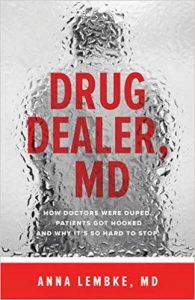
Not related to men specifically, Drug Dealer, MD is an insightful look how the medicine in the United States is the cause of the opiod crisis. That “pain” is now considered a vital sign has profound influence on the prescribing of narcotics and other prescription drugs.
While reading the comments from the New York Times article it was interesting to read that the guidelines use of the word “stoic” is actually inaccurate, shallow and lacking of historical perspective. It is almost as though the modern psychologist notions of the topic of men was informed only by time spent reading the latest studies, watching beer and truck commercials, John Wayne movies and never bothered to learn some of the fundamentals. Three times in the paper it discusses how stoicism in men is a bad thing, that “not showing vulnerability, self-reliance, and competitiveness might deter them from forming close relationships with male peers.” A rather odd statement for anyone who has ever participated in athletics and formed bonds with teammates and opponents. Online, in the comments, someone pointed out that “Stoicism” as a ancient philosophy of life is very different than what perhaps how the APA defines stoicism. Recommended reading was the book A Guide to the Good Life: The Ancient Art of Stoic Joy Irvine, William B.
A Guide to the Good Life: The Ancient Art of Stoic Joy Irvine, William B.
It is good read and what you learn is that Stoicism as an ancient philosophy of life has more in common with Zen Buddhism than emotional repression and asceticism. I am certain learning about Stoicism is much more worthwhile than reading the APA guidelines. For when after the APA psychologist, who is having therapy session with your anxiety-prone child, decides “maybe its time to start medication or hormones” and suggests Prozac or Ritalin, you will need to consult some of the practical advice from the ancient philosophy of Stoicism in order to come to terms with your life’s turn of events. But now I am going to stop writing, and as my father did before me, a very stoic creature,perform one of my many “masculinities” and do the dishes and clean the house.
Although there are differences in masculinity ideologies, there is a particular constellation of standards that have held sway over large segments of the population,
including: anti-femininity, achievement, eschewal of the appearance of weakness, and adventure, risk, and violence. These have been collectively referred to as traditional masculinity ideology
– From American Psychological Association’s guidelines for practice with men and boys.
What a strange definition of something the APA calls “traditional masculinities.” Of all the thousands upon thousands of men I have known, I have yet to know any who embrace that list. To stereotype people is a sign of a shallow intellect and for health care providers a dangerous path.
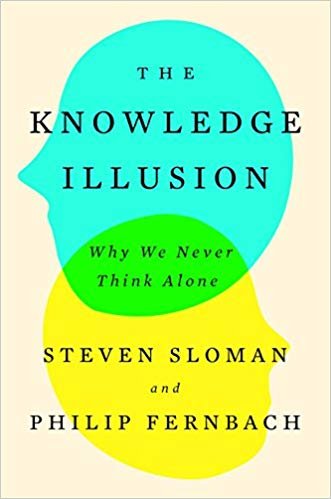
We live in a community of knowledge, and unfortunately communities sometimes get the science wrong. Attempts to foster science literacy cannot be effective if they don’t either change the consensus of the community or associate the learner to a different community.
People tend to have limited understanding of complex issues and they have trouble absorbing complex details (like answering factual answers to factual questions). They also tend not to have a good sense of how much they know and they lean heavily on their community of knowledge as a basis for their beliefs. The outcome is passionate, polarized attitudes that are hard to change.
…shattering people’s understanding by asking them to generate a detailed causal explanation also makes them less extreme.
From The Knowledge Illusion: Why We Never Think Alone by Steven Sloman (Author) & Philip Fernbach
Riverhead Books (March 14, 2017)
“The self, as Hume saw, cannot be aware of itself, and as soon as it is it ceases to be a self because it is lost in the seas of influences upon it. Boswell begins his journal with the observation that the discipline of recording his experiences and emotions will lead him to an understanding of himself. No doubt the process of composition assist his memory of his life, and yet it also distorts that life.” – The Invention of the Self: The Hinge of Consciousness in the Eighteenth Century, Southern Illinois University Press (1978)
Wikipedia submission – January 2018
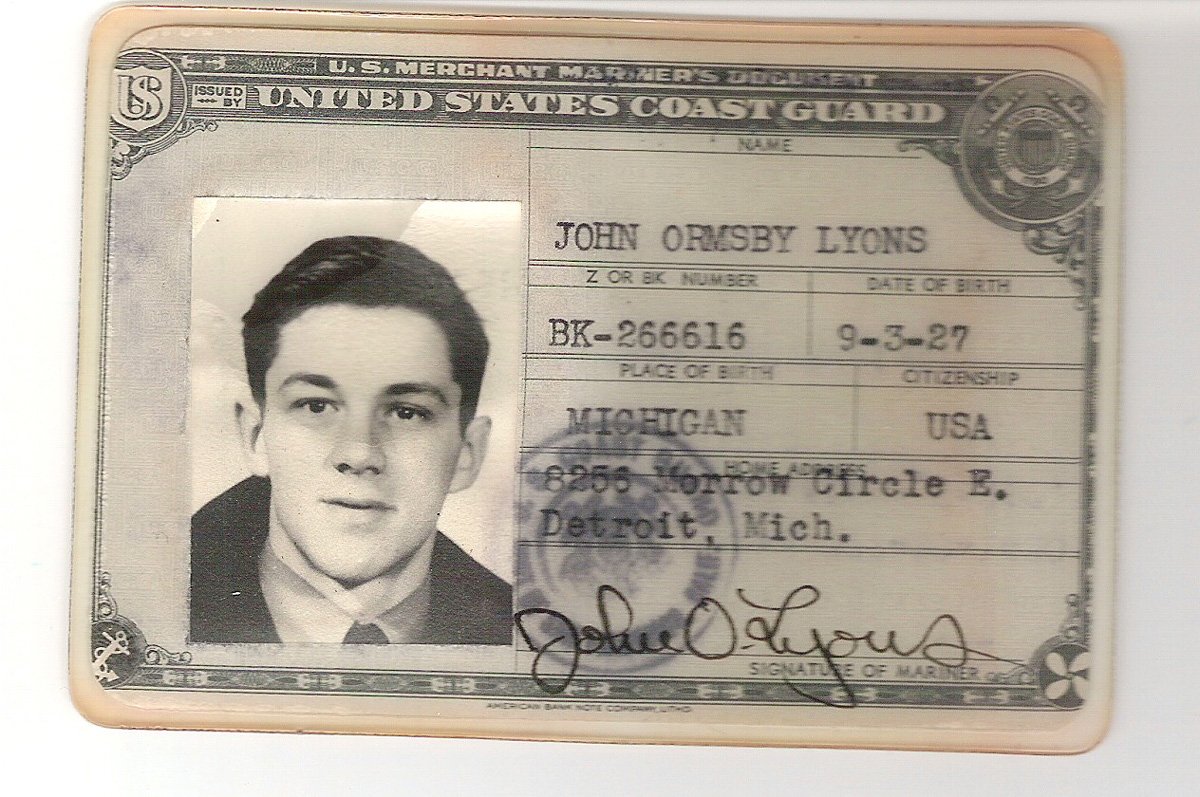
John O, Lyons was a professor emeritus of English at the University of Wisconsin from 1960 to 1993. Previously he taught briefly at Bowdoin and Dartmouth. He received a B.A from Kenyon College in 1951, an M.A from Columbia University in 1952 and a Ph.D from the University of Florida in 1960.
He received two Fulbright-Hays Fellowships, one to the University of Baghdad (1964-1965) and another to the University of Tehran (1970-1972). Before entering Kenyon, he served in both the U.S. Army and Coast Guard.
Bibliography The College Novel in America, Southern Illinois University Press (1962)
Studying Poetry: A Critical Anthology of English and American Poems, Southern Illinois University Press (1965)
The Invention of the Self: The Hinge of Consciousness in the Eighteenth Century, Southern Illinois University Press (1978)
References The Invention of the Self: The Hinge of Consciousness in the Eighteenth Century [1] [2]has been referenced in numerous papers and articles ranging from history, philosophy to psychology.
Martin, Professor Jack; McLellan, Professor Ann-Marie (2013). The Education of Selves: How Psychology Transformed Students (1st Edition ed.). Oxford University Press. p. 256. ISBN 0199913676.
Martin, Professor Jack. “A Case against Heightened Self-Esteem as an Educational Aim” (PDF). Journal of Thought. vol 42 issue 34 (Fall/Winter 2007): 16.
Above is my Wikipedia submission
Above is my Wikipedia submission that still is awaiting approval. For some reason there are not enough references. I have not time to dally in the bureaucracy of Wikipedia. I have the ability to add something to the internets. I thought it fitting that I post it here.
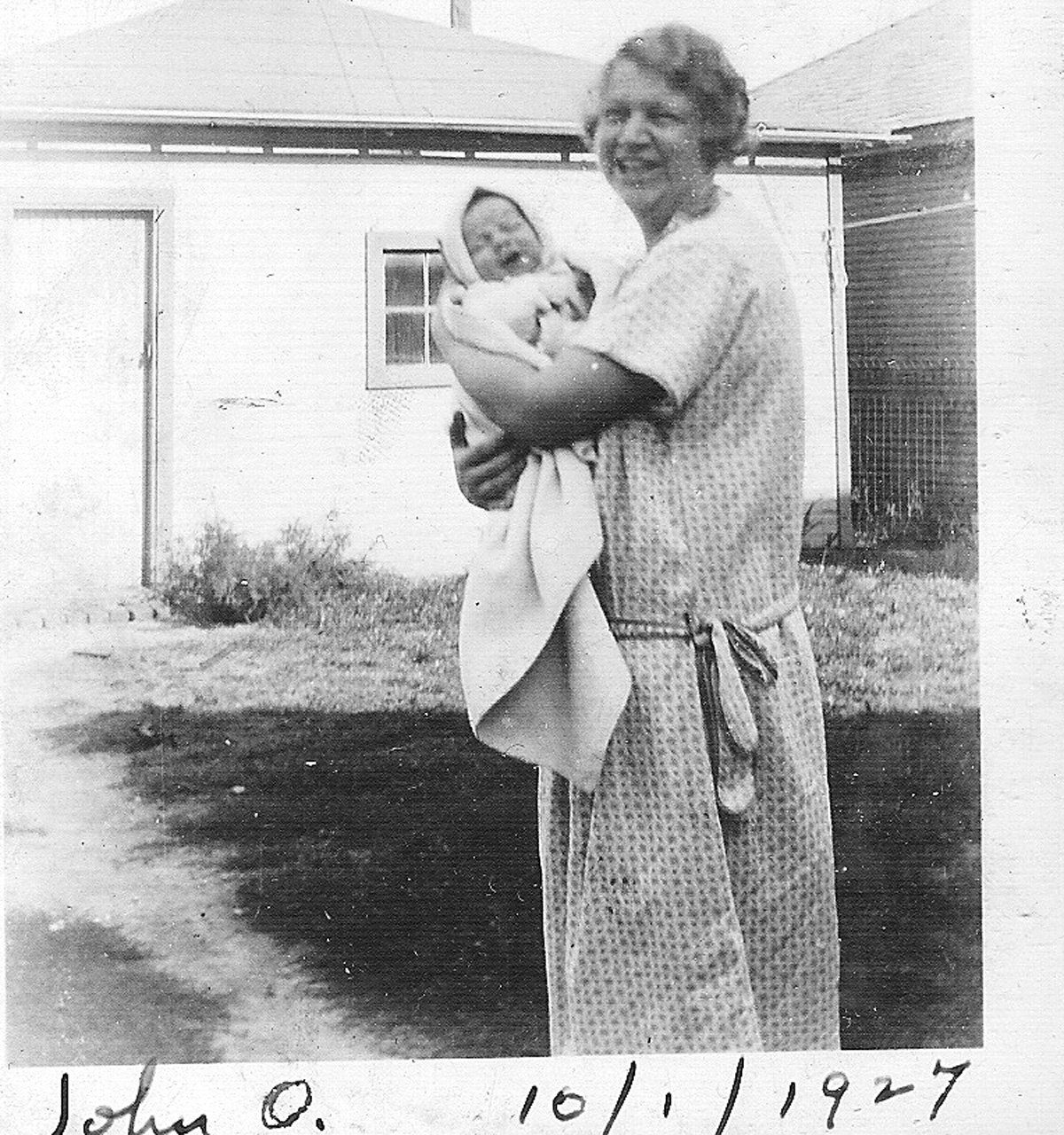
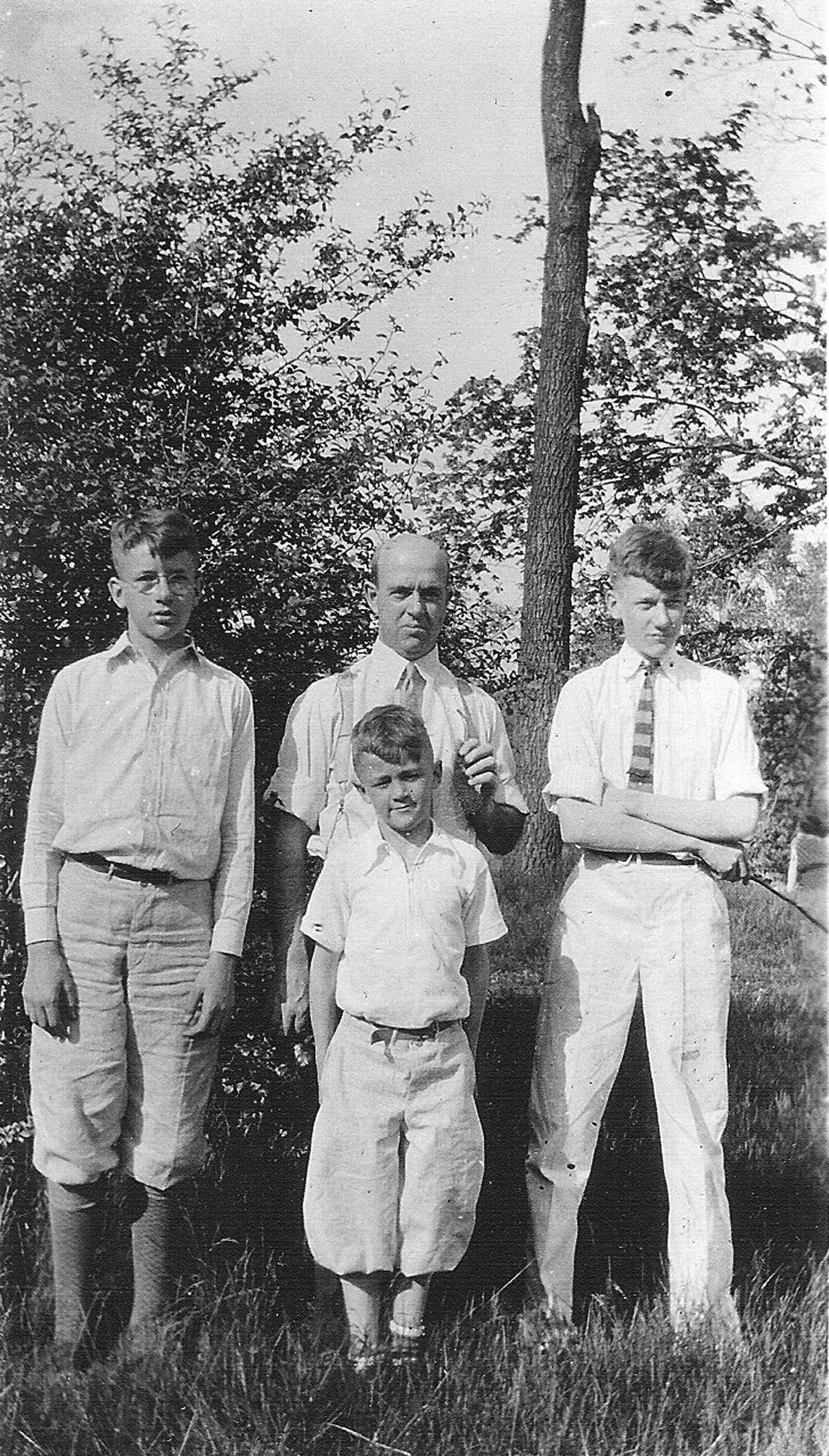
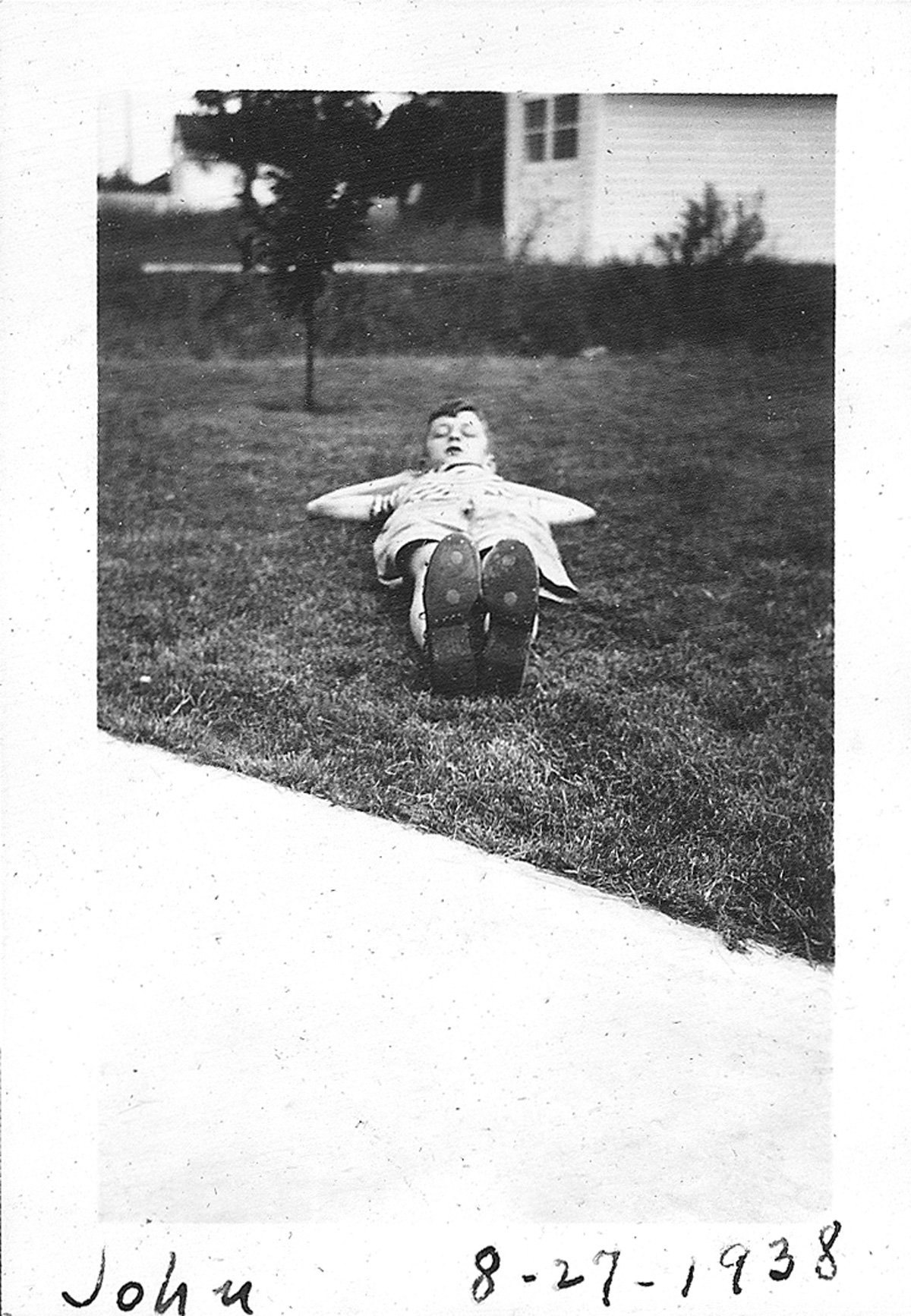
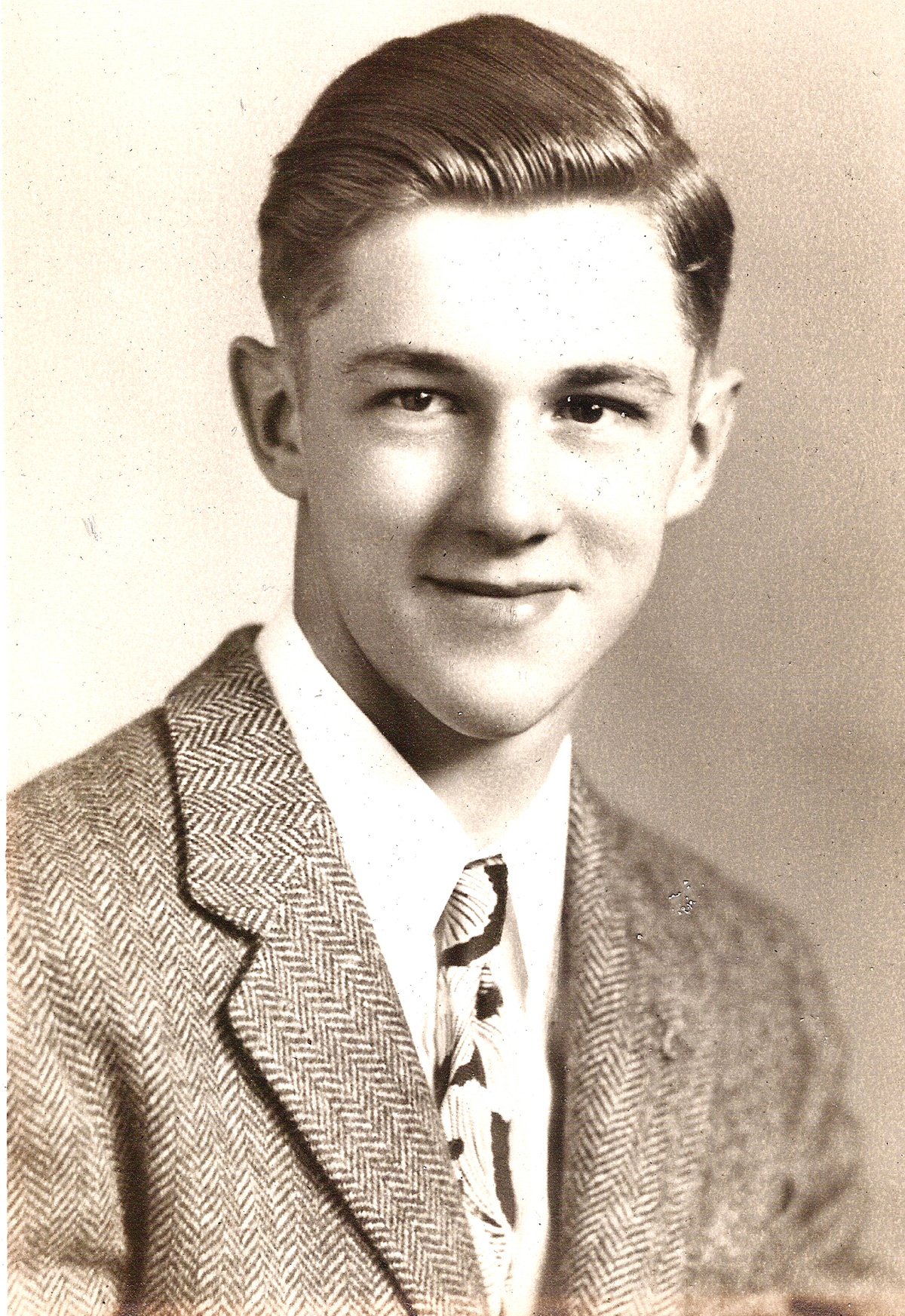
John O. Lyons was my father. He lived an incredible life. His book The Invention of the Self: The Hinge of Consciousness in the Eighteenth Century is amazing for its insight and depth. Like many books written in the late 1970’s and early 1980’s by the “Greatest Generation” that are now out of print, the authors were not out to make a buck. Instead, they were were scholars in order to uncover the truth no matter where it lead. By the time John O. Lyons was 21, he had read extensively as during his tours of the Pacific during World War II in the Navy and Merchant Marine, he had absolutely no distractions and spent the entire time reading. There are few scholars today who are in that situation. If you are interested in his reading list at that time send me an email. This reading list will give you an understanding as to the breadth of knowledge that was the foundation of his writings.
Below are some quotes for the book.
“The problem is perhaps most succinctly posed by Lichtenberg who goes back to Descartes and says that he should have said “It thinks,” not “I think” – which moots the whole question of personal identity.”
“My message is, put baldy, that the self, which modern doomsayers accuse of being invisible, was a fiction in the first place. This may not ease the pain and feeling of the loss, for a hypochondriac suffers just as grievously as the truly sick, but it may help us understand the illness.”
“The invention and spread of movable type is probably the most important mechanical contribution to the idea of the unique self, but other forces – religious and political revolutions, the rediscovery of the admiration for classical models of being – retarded the assertion of the self. The intimacy between the writer and the “dear reader,” which we tend to think of as beginning in the eighteenth century, assumes a situation that was rarely assumed before that time.”
Quotes from The Invention of the Self: The Hinge of Consciousness in the Eighteenth Century.
If you care to post here on this website and add to the knowledge base (that is essentially the concept of Wikipedia – a common accepted notion of facts and the truth), feel free to comment.
The Internet has a strange way of broadcasting value and worth. A forty-year-old book about transgender issues can be a cornerstone of critical thought at the time but then gets misquoted and passed off as old fashion. Today the book is out-of-print but fetches around $100 used on Amazon for a used hard cover edition. You have to wonder why the publisher does not make another printing? Modern books read like pop self-help books, quoting daytime TV shows and sourcing checklists of acceptable pronouns. The Transgender Empire written by a “radical lesbian feminist” (how did she ever get that label?) is both academic, historical and cuts to the chase and journeys deep into the topic. Below is just a short quote from the 1994 reprinting.
The medical model is also a disease model. And here exactly is the rub. If transsexualism is treated as a disease, then does desire qualify as disease? As Thomas Szasz asked in his New York Times review of The Transsexual Empire, does an old person who wants to be young suffer from the “disease” of being a “transchronological, ” or does a poor person who wants to be rich suffer from the “disease” of being a “transeconomical”? Does a Black person who wants to be white suffer from the “disease” of being a “transracial”?
All these questions, of course, raise larger social and political issues and remove these conjectural “diseases” from the medical/psychiatric framework.
Also, one of the simplest paths to deep change is for the less powerful to speak as much as they listen, and for the more powerful to listen as much as they speak”
“More reliable than anything else on earth, the road will force you to live in the present.”
I asked her how she has remained herself all these years. She looks at me as if at a slow pupil. “You’re always the person you were when you were born” she says impatiently. “You just keep finding new ways to express it. Gloria Steinem in conversation with ninety-eight year old former Ziegfeld Woman
All of my life campaigning have given me one clear message. Voting isn’t the most we can do, but it is the least.
All quotes by Gloria Steinem – from My Life on the Road (2015)
Available at your local bookstore.














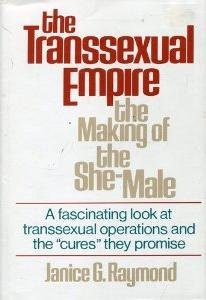 The Internet has a strange way of broadcasting value and worth. A forty-year-old book about transgender issues can be a cornerstone of critical thought at the time but then gets misquoted and passed off as old fashion. Today the book is out-of-print but fetches around