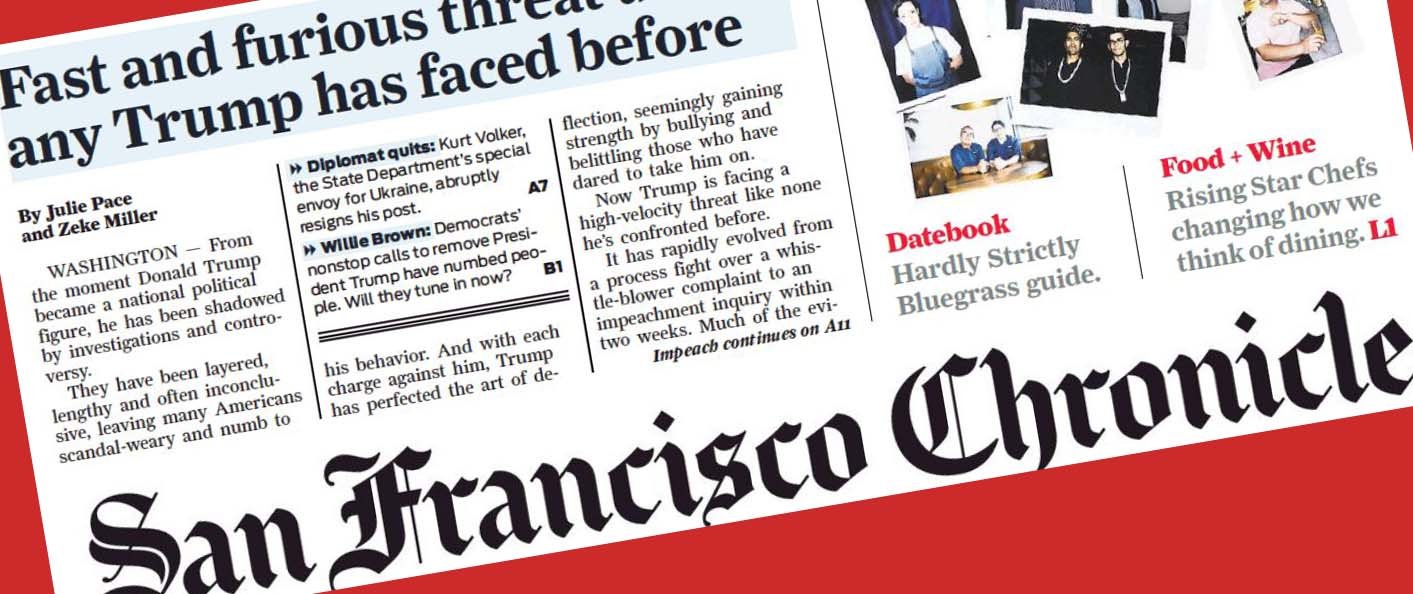
It is Sunday, September 29, 2019. I find it incredibly odd after reading the Sunday Chronicle “Fast and furious threat unlike Trump has faced before” by Julie Pace and Zeke Miller, that the journalism about President Trump and his arm twisting of the President of Ukraine and resulting whistle blower complaint and impending impeachment is often not about the facts but opinion and whether there is political momentum for impeachment. Editors and journalists should do themselves a favor and have the op-eds on the op-ed page and not on the front page masquerading as news. Opinion has bubbled up. This is sloppy journalism.
What would be better is not to assume that the reader is well-versed in civics and the Constitution of The United States of America, and rather explain exactly what laws the president may have broken. This would reinforce that we are still a nation of laws and not merely a place of perpetual gossip, where people can get away with crimes due to their position.
“The President, Vice President and all Civil Officers of the United States, shall be removed from Office on Impeachment for, and Conviction of, Treason, Bribery, or other high Crimes and Misdemeanors.”
Treason, Bribery, or other high Crimes and Misdemeanors. Seems like public opinion has nothing to do with this case. Just let Congress investigate and have the the chips fall where they may.
“I know predators, and we have a predator living in the White House, and let me tell you, there’s a little secret about predators. Donald Trump has predatory nature and predatory instincts. The things about predators you should know, they prey on the vulnerable. They prey on those who they do not believe are strong. The thing you must importantly know, predators are cowards. I have a background where successfully, I have prosecuted the big banks who preyed on homeowners, prosecuted pharmaceutical companies who preyed on seniors, prosecuted transnational criminal organizations that preyed on women and children, and I will tell you we have a predator living in the White House.”
Kamala Harris U.S. Sentaor Presidential Canidate July 3, 2019
You can point to Bernie’s “billions and billions,” Warren’s epiphany to break up the monopolies in big tech, even Andrew Yang’s idea that we need to move to higher ground, but the quote above speaks to the reality of our current society. There are predators taking advantage of the vulnerable everywhere and it has unfortunately become acceptable and part of business as usual.
It took until I went to college in the early 1980’s that I learned that geography was not only about maps, states, countries and continents. I took a class by Yi Fu Tuan where I learned about spaces and places. That besides physical geography there was also the whole world of human geography. Inside of human geography there were many sub types, cultural and political to name but two.
Political geography is defined as:
“Political geography is concerned with the study of both the spatially uneven outcomes of political processes and the ways in which political processes are themselves affected by spatial structures. Conventionally, for the purposes of analysis, political geography adopts a three-scale structure with the study of the state at the centre, the study of international relations (or geopolitics) above it, and the study of localities below it. The primary concerns of the subdiscipline can be summarized as the inter-relationships between people, state, and territory.” – Wikipedia
I find it interesting that I have been unable to find any writings on how technology has affected human geography over time. Imagine with every technological change how our understanding of the earth, other spaces, places and cultures have been influenced. For instance, starting with the invention of the wheel the world has become a smaller place. People are always devising new ways to get around more efficiently, faster or easier. Fast-forward to 1450, in the West, the printing press made it so descriptions of faraway places were mass-produced and then could be consumed by many people. Notions of that world were given a perspective always from the cultural point of view of the observer. The telegraph made it so people continents apart could send messages instantly. Later the telephone, radio and then television perpetuated this phenomenon of space taking on new meaning. As time goes on, these technological advances have had profound effects on human psychology and geography. The world is no longer your family and farm, local community or village. It is seven continents and you can visit any one digitally and by pushing a few buttons. In our current world, this notion of space and presence has been invaded by the internet, but more significantly the cellphone and specifically, the “smartphone.”
From a human experience perspective, all of the modern communications technologies of the last 150 years have to do with changing this sense of space. A telegraph over the wire was like an arm reaching across an ocean. Radio had the effect of making it so someone hundreds of miles away was seemingly sitting in your living room. Television. simply added a visual component. At the beginnings of each of these technological advancement was a time of readjustment and decentralization of society and political power. Eventually, overtime, the power became monopolized by few powerful players. In television, in the United States it was the three major broadcasting networks. Now on the internet it is Google, Facebook and Amazon.
In 2019 the cellphone makes it so many people for most of the day are mentally not even in the physical location that they preside. I noticed this phenomenon when at the beach. It was a hot day and people went out to the ocean to cool off. I noticed a woman wading in the water while at the same time having a video chat with someone on her cellphone. Was the woman at the beach or was she with the person on the cellphone? Where was the woman? Is human geography simply where we occupy the planet or where we preside in our minds? The digital era makes it so geography no longer is a place at all but spaces that are digital and psychological.
The ramifications of this effect are many. We see it in the way the political systems around the world are in upheaval. No longer do you simply build walls and moats to keep away intruders as in the end the digital landscape has no borders. We see it in how political systems have become more reactionary and full of jingoism.
Furthermore, while people have this notion that they are in control, nothing could be further from the truth. The large internet companies are tracking everyone’s digital landscape and using techniques from behavioral psychology to reward or punish certain behaviors with the motivation of both political and economic influence. This has been dubbed the “surveillance economy.” George Orwell is surely snickering in his grave but probably not, as humour was not his strong suit. He is probably screaming – “I told you so!”
Where this will end up is unknown but for those who think that the digital era is a time of liberation and some sort of political and economic equalization are wrong. The same centralization of power that happened in previous technological eras has happened again. Monopolies have emerged as the powerful players. There are dangerous silos of digital communities that are like echo chambers reaffirming racist and cult-like manifestos based on ignorance and flawed science. This is happening in all spaces, both on the political right and left
What is the one constant is that the undesirable qualities of humans that have existed over centuries are unchanged – greed, vengeance, vanity, violence to name a few are still prevalent. In some ways, with the internet they simply are amplified.
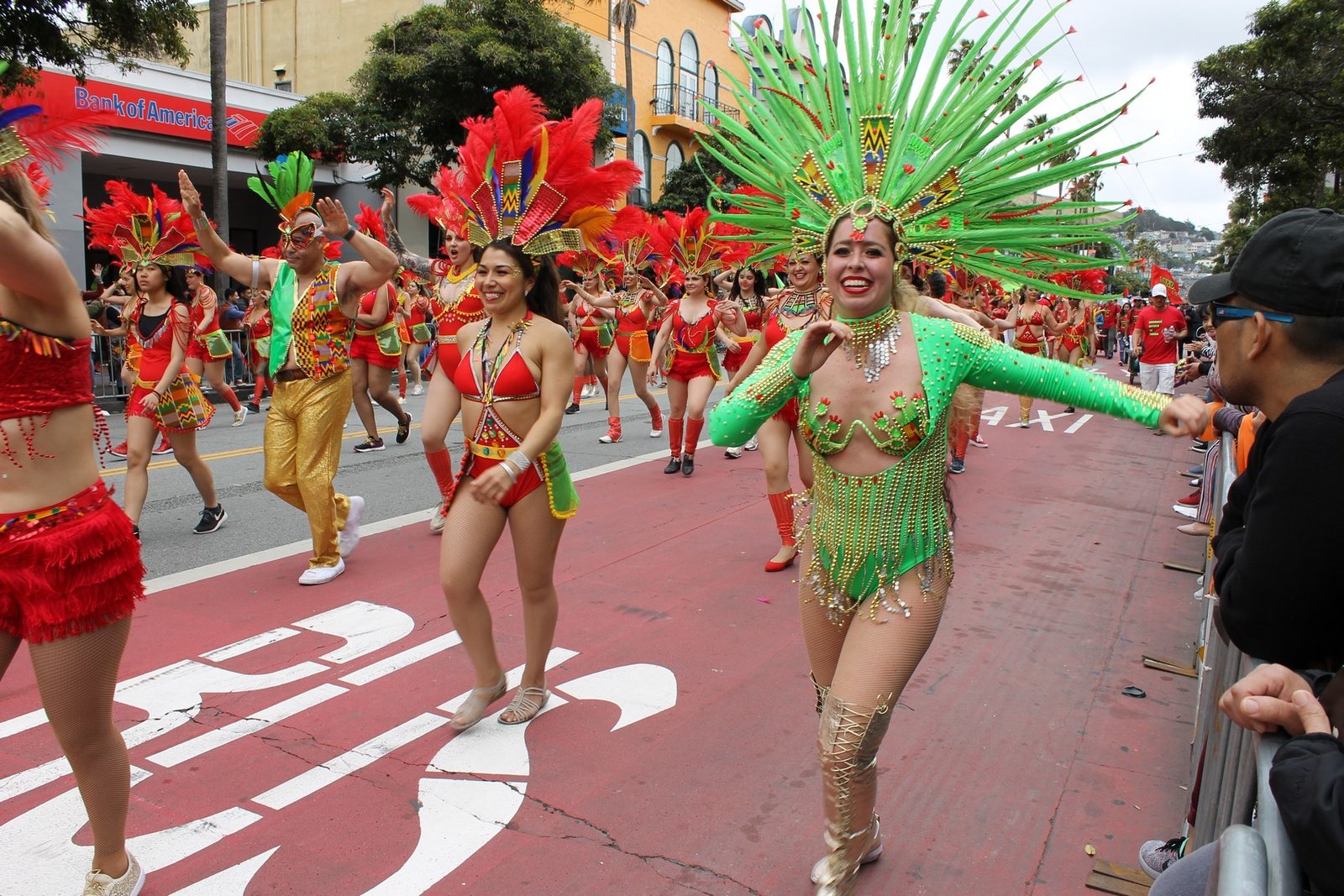
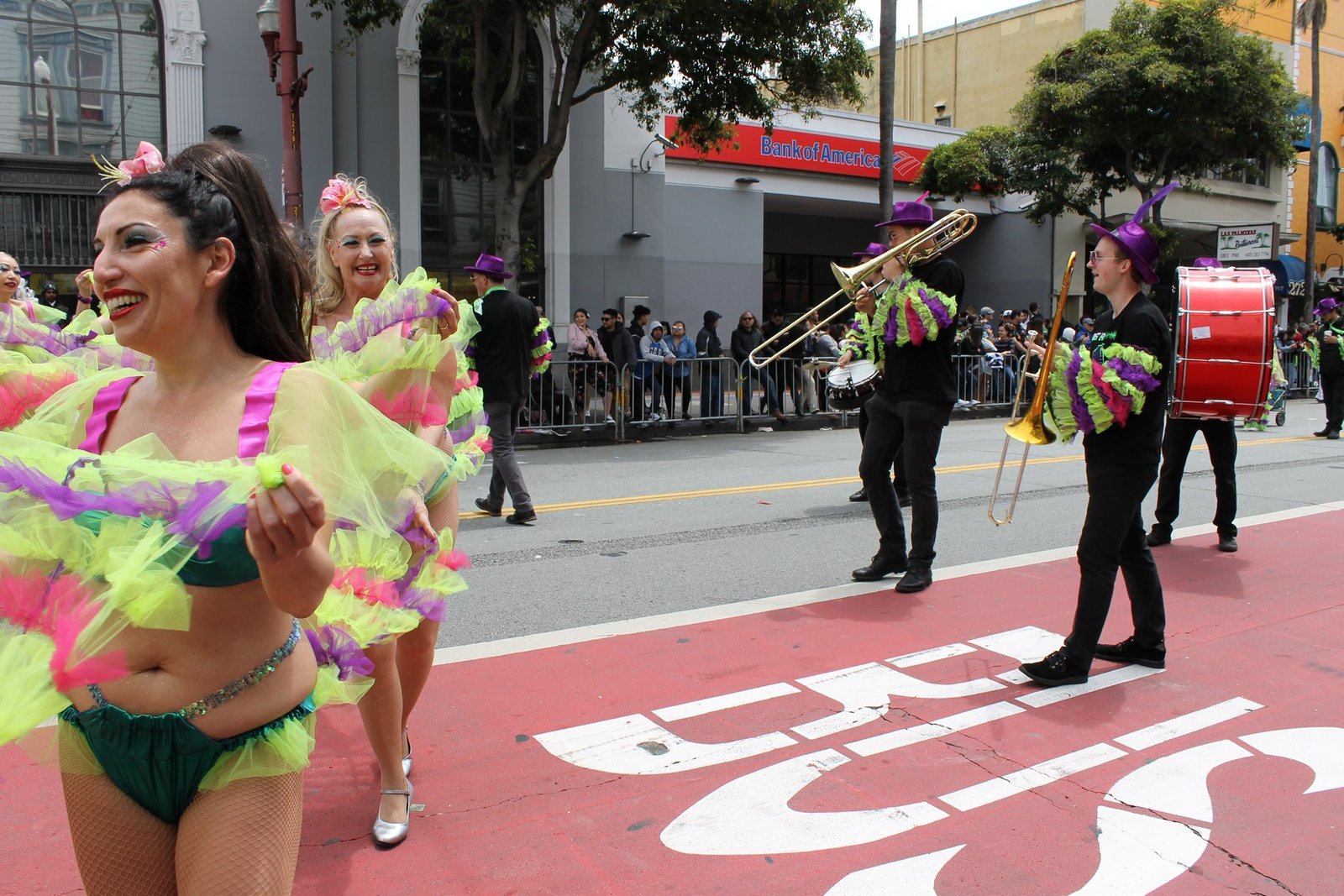
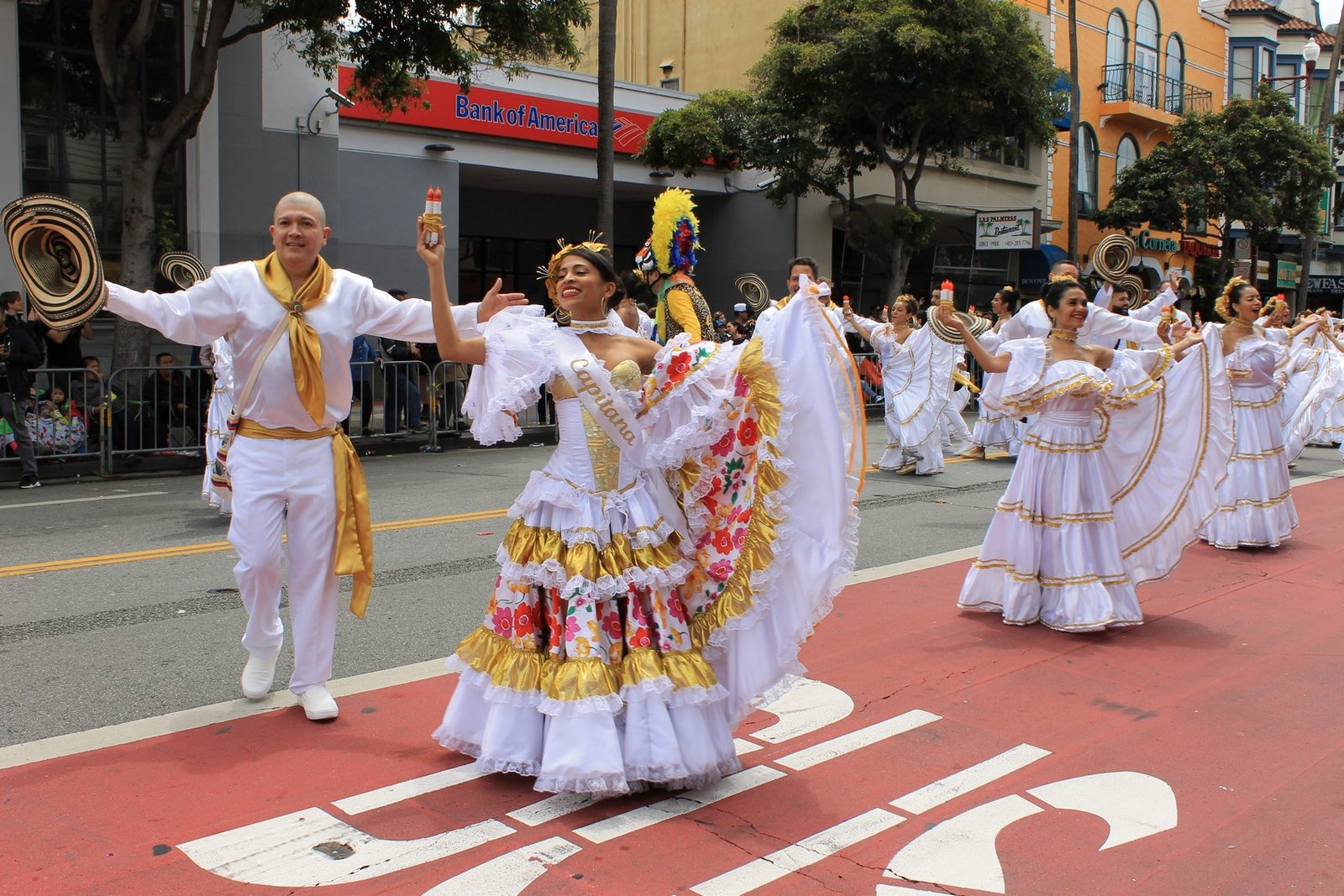
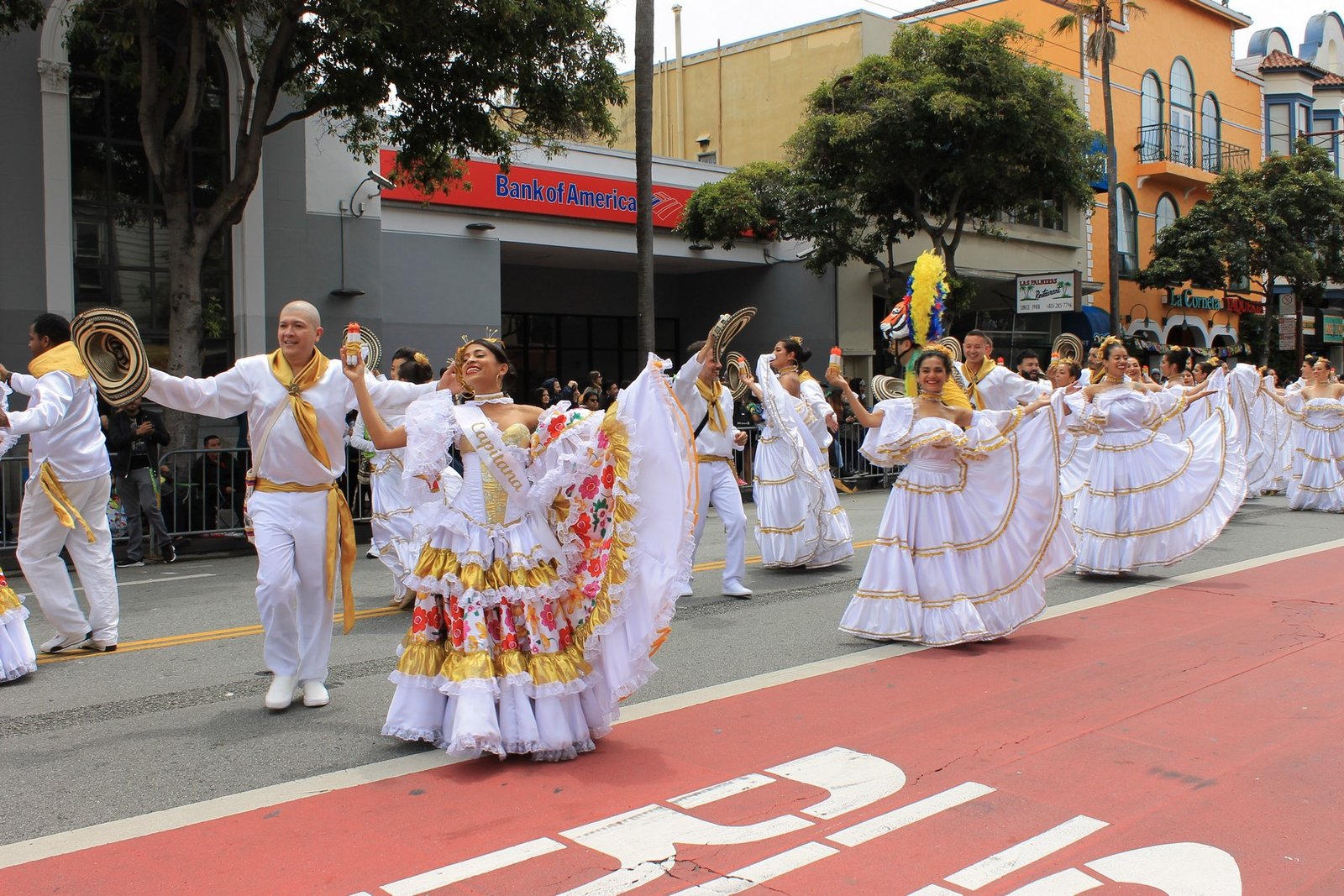
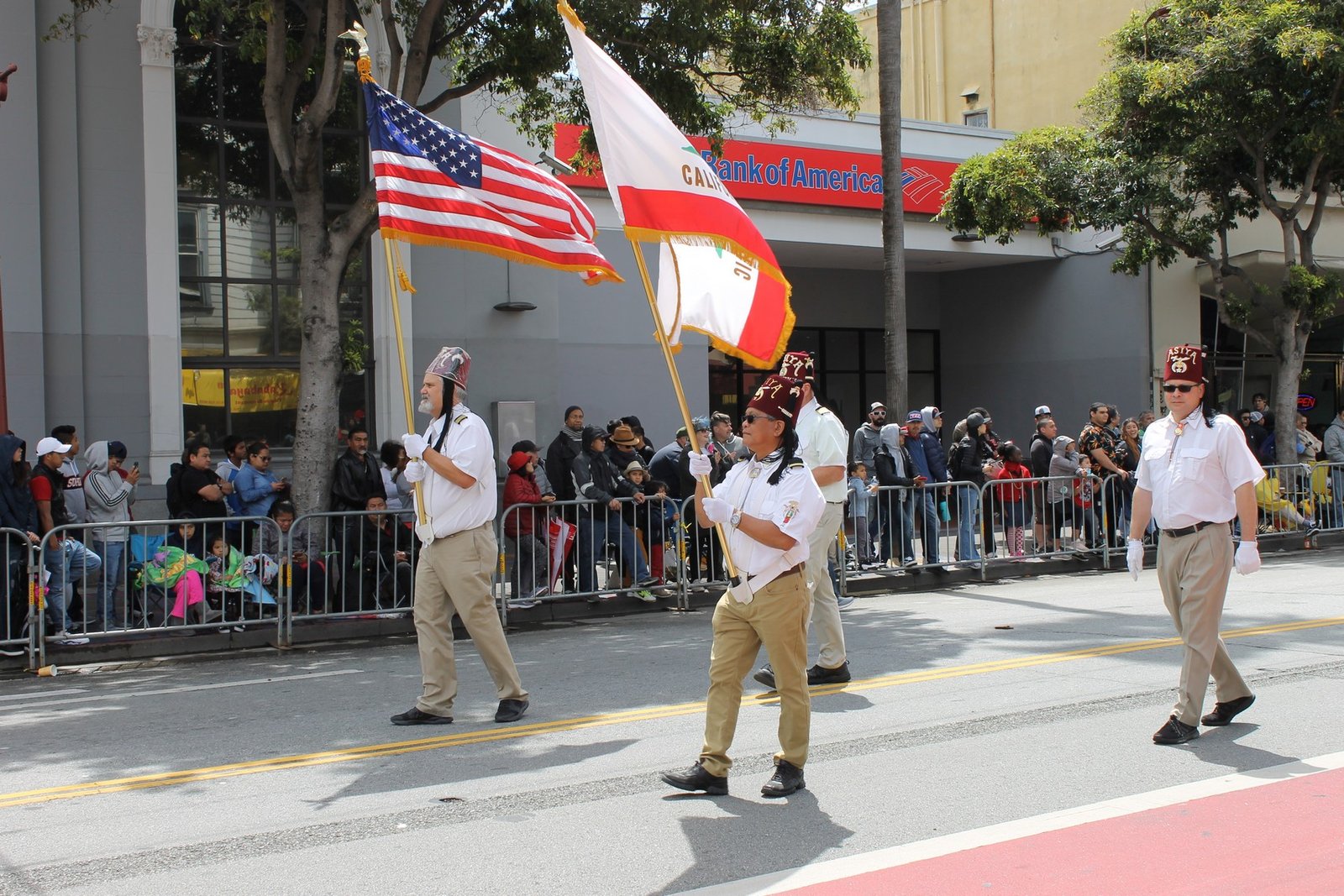
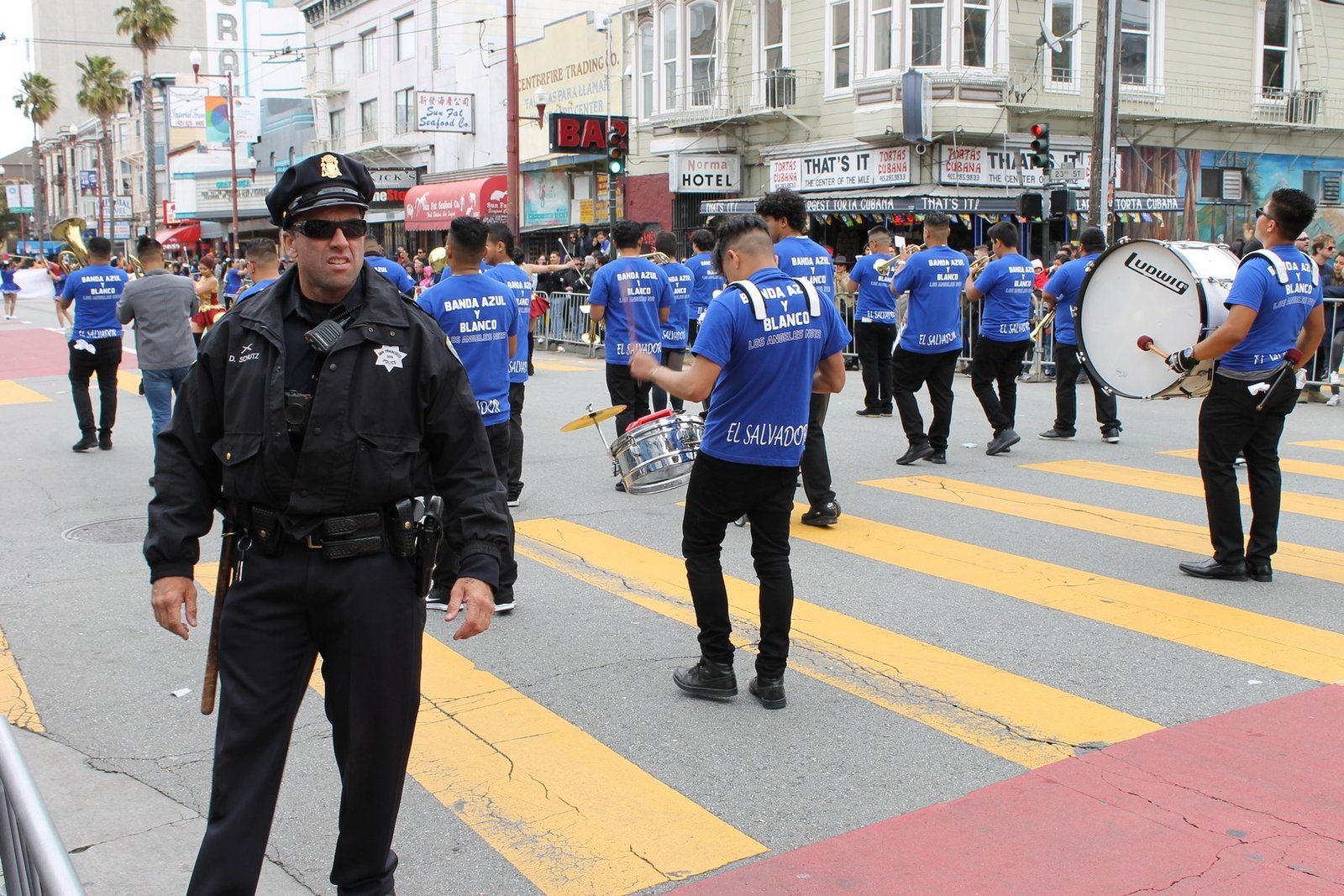
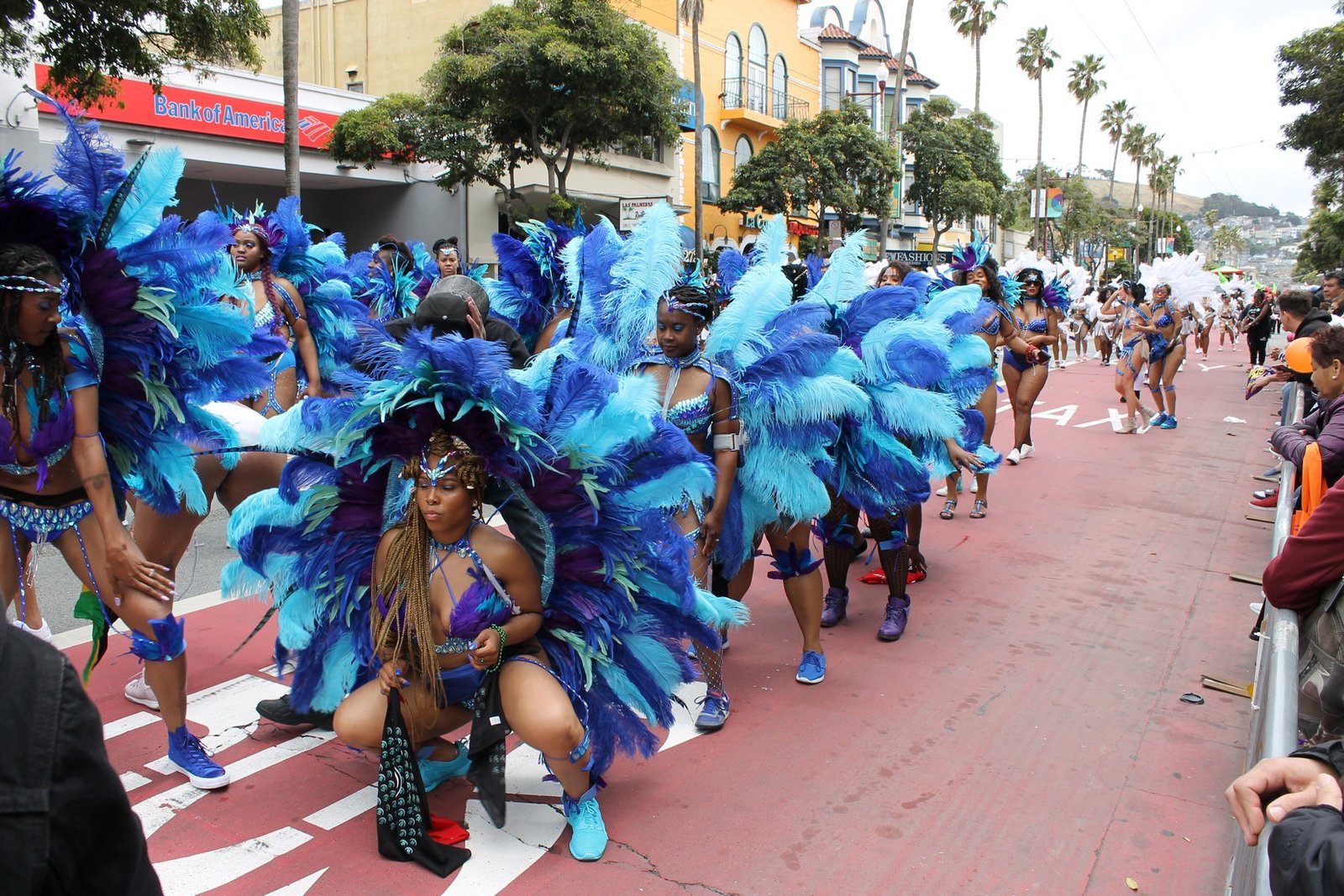
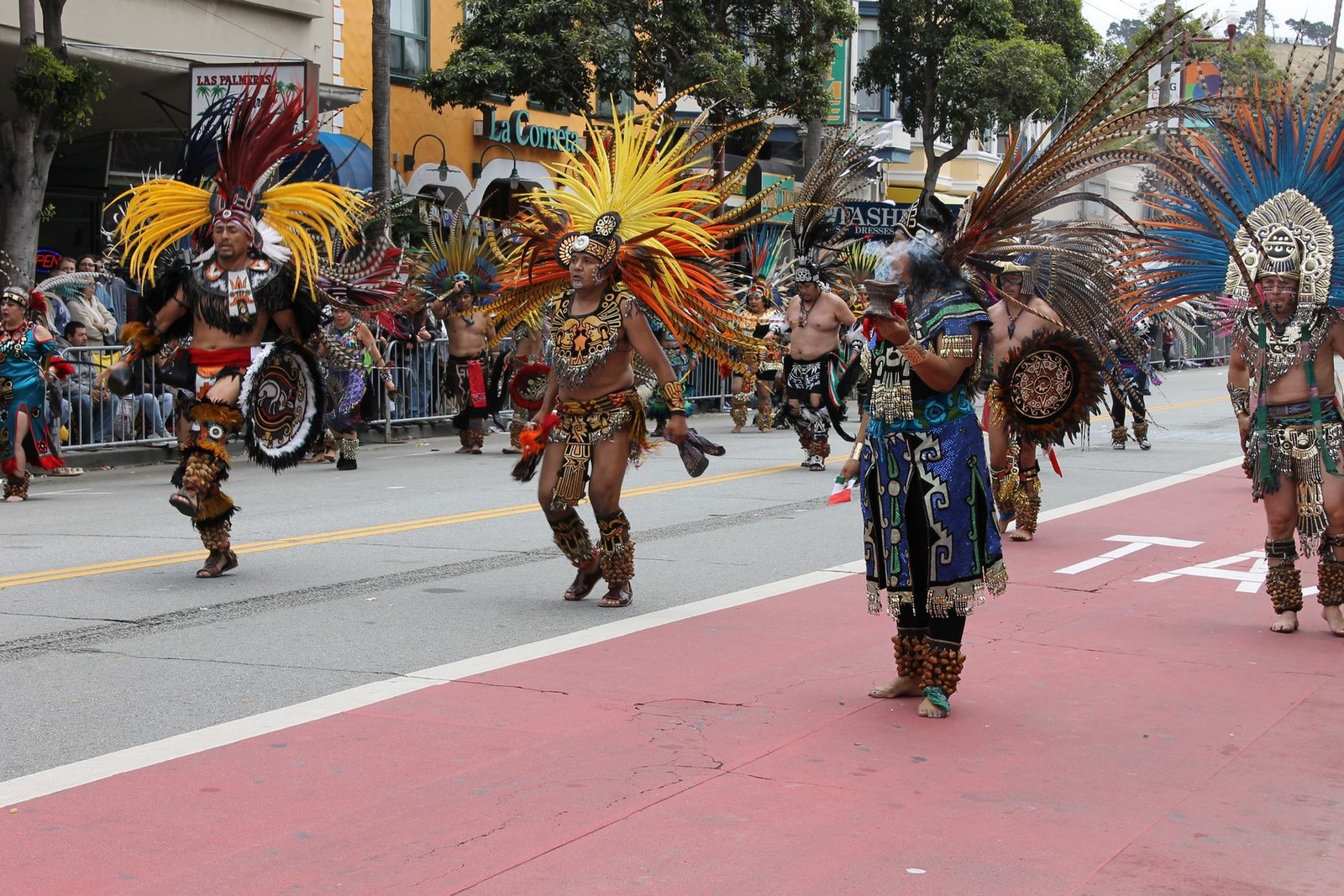
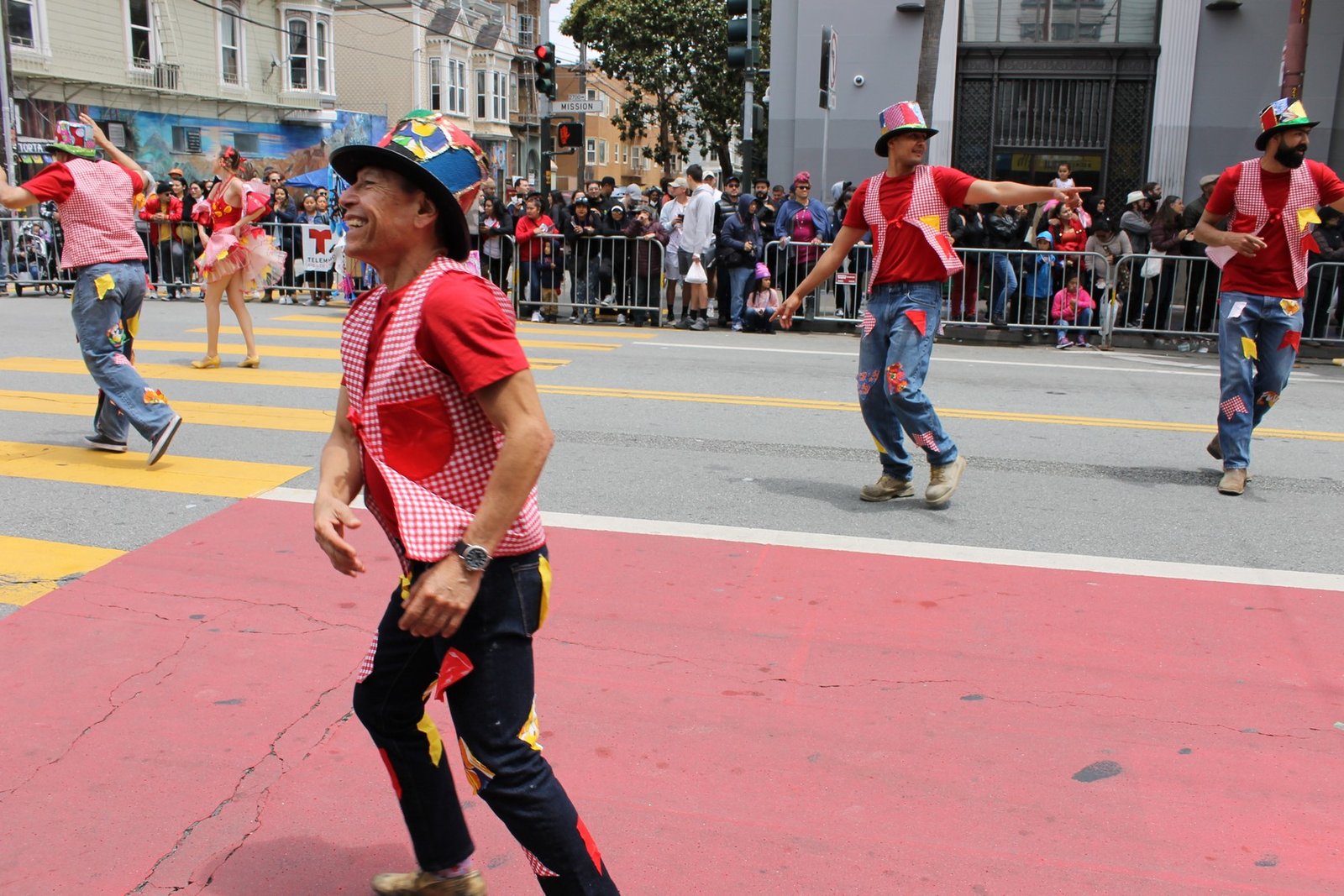
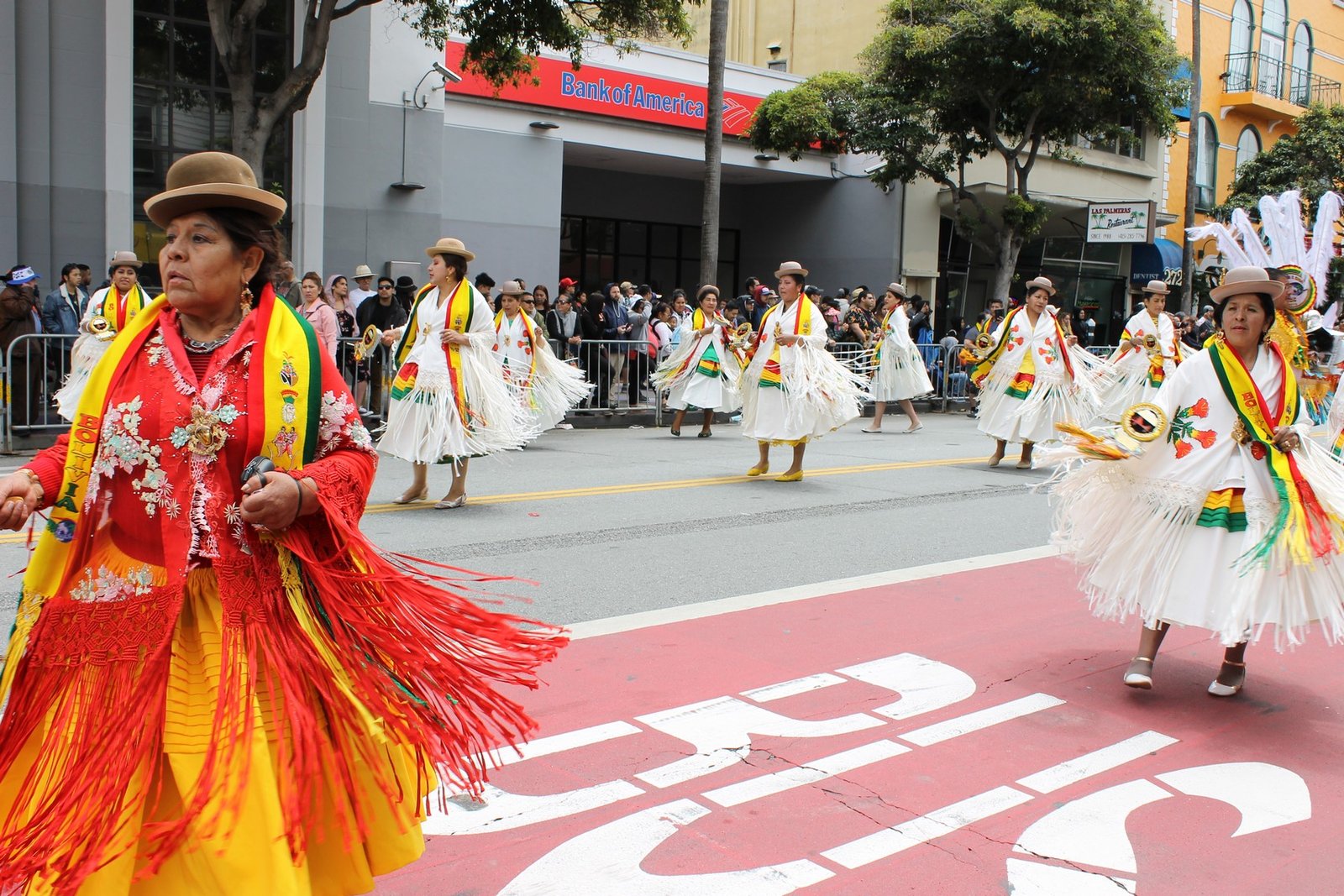
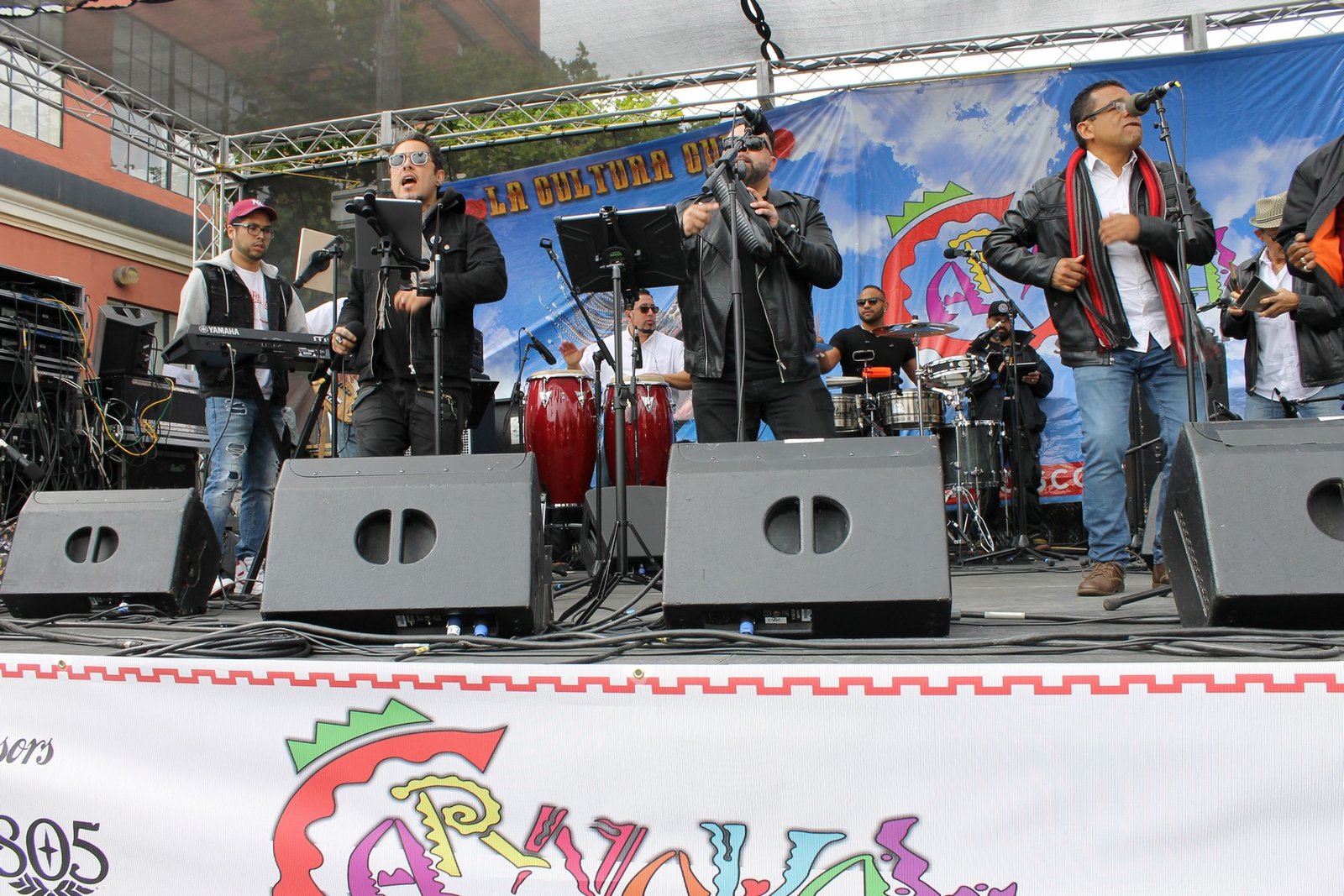
If you have never experienced San Francisco’s Carnaval it is probably time to put it on the calendar. The parade is always on Sunday Morning. Almost every country in Latin America has a float, a band, a few cars pulling something. Mexico, Peru, Colombia, Nicaragua, El Salvador, Guatemala, Brazil. We set up on 22nd Street facing East.
Commencement 2019 Tuesday, May 28 5:30 P.M. – 10:30 P.M.
Experience Teaches
San Francisco Giants Stadium at 24 Willie Mays Plaza
Introduction
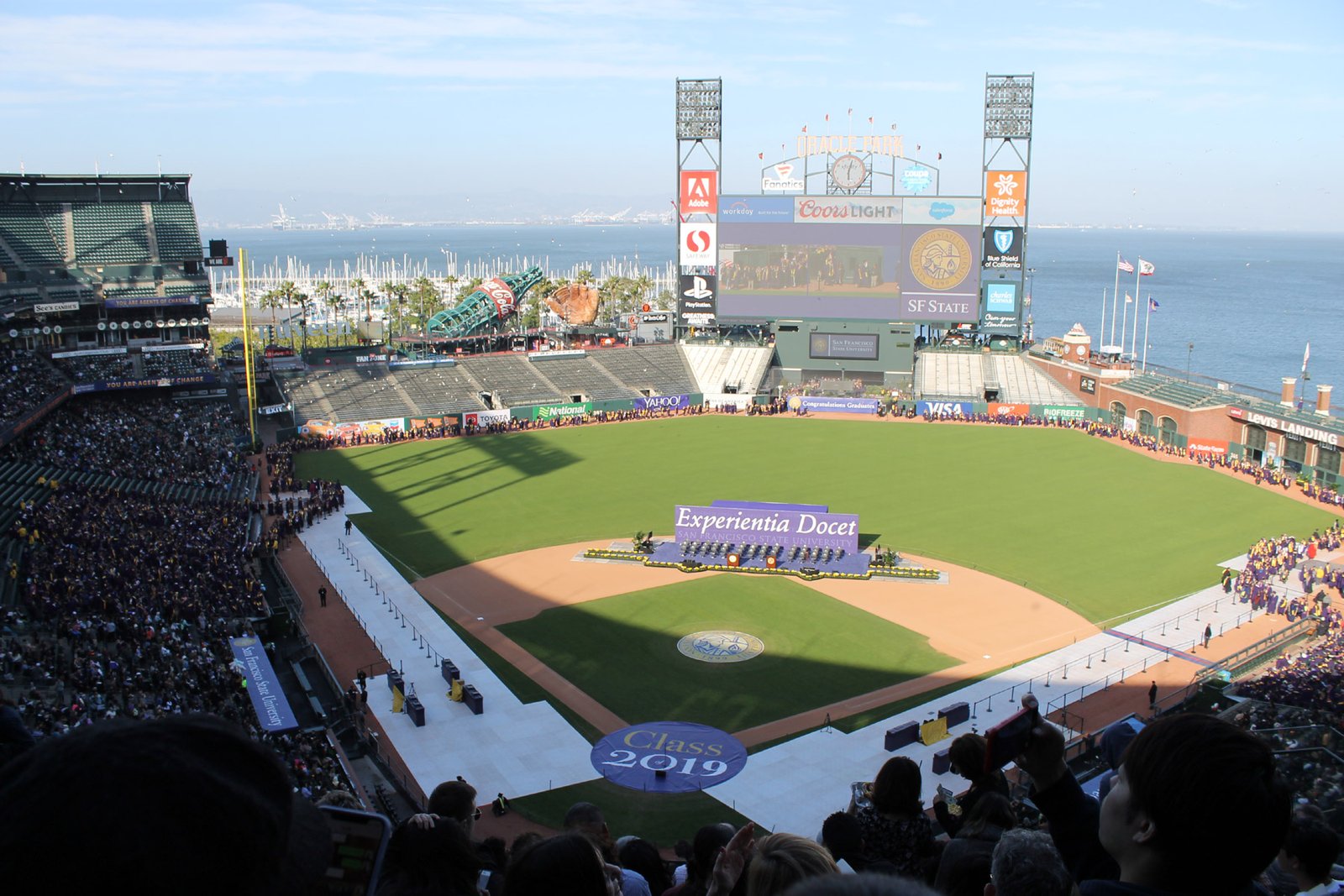
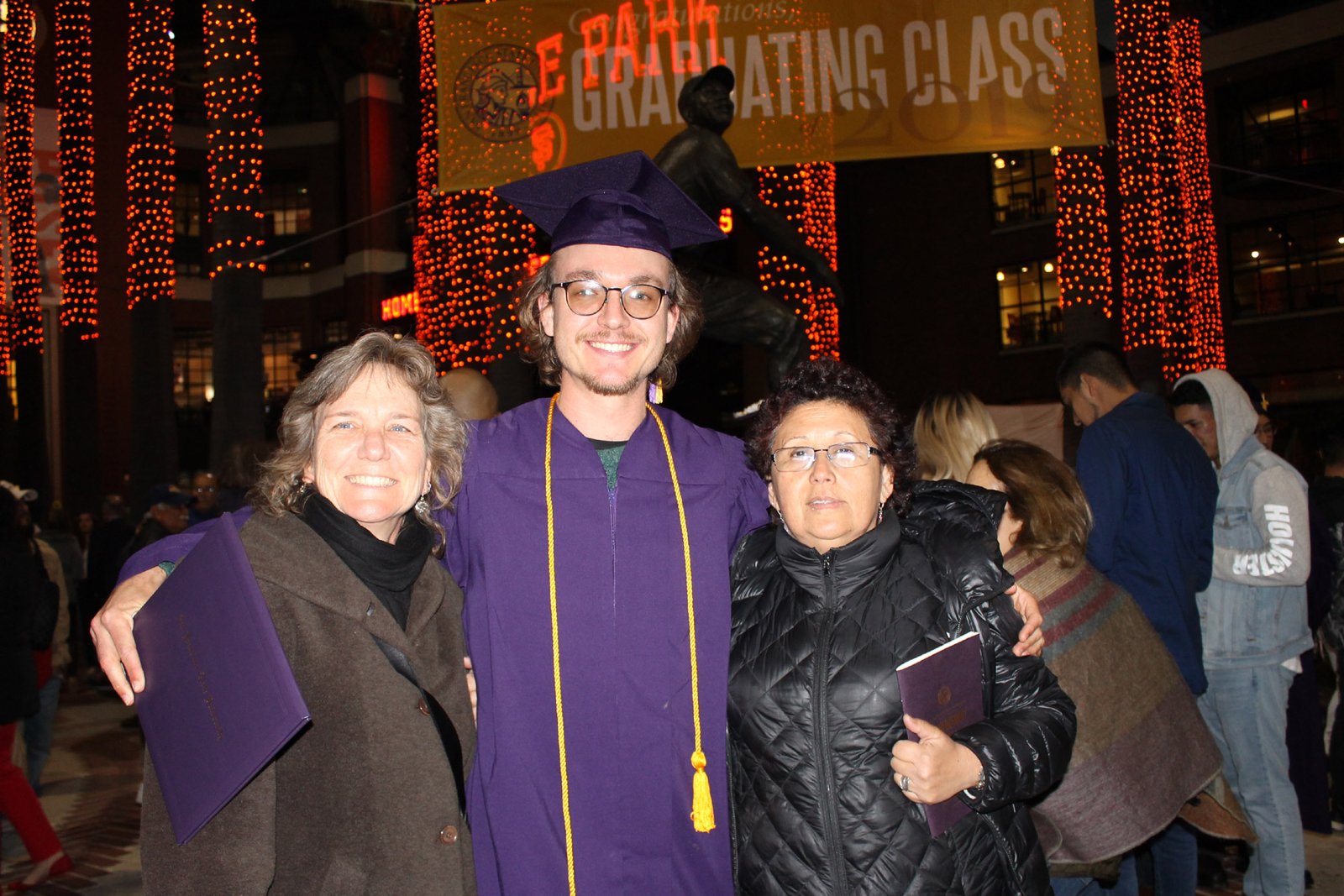
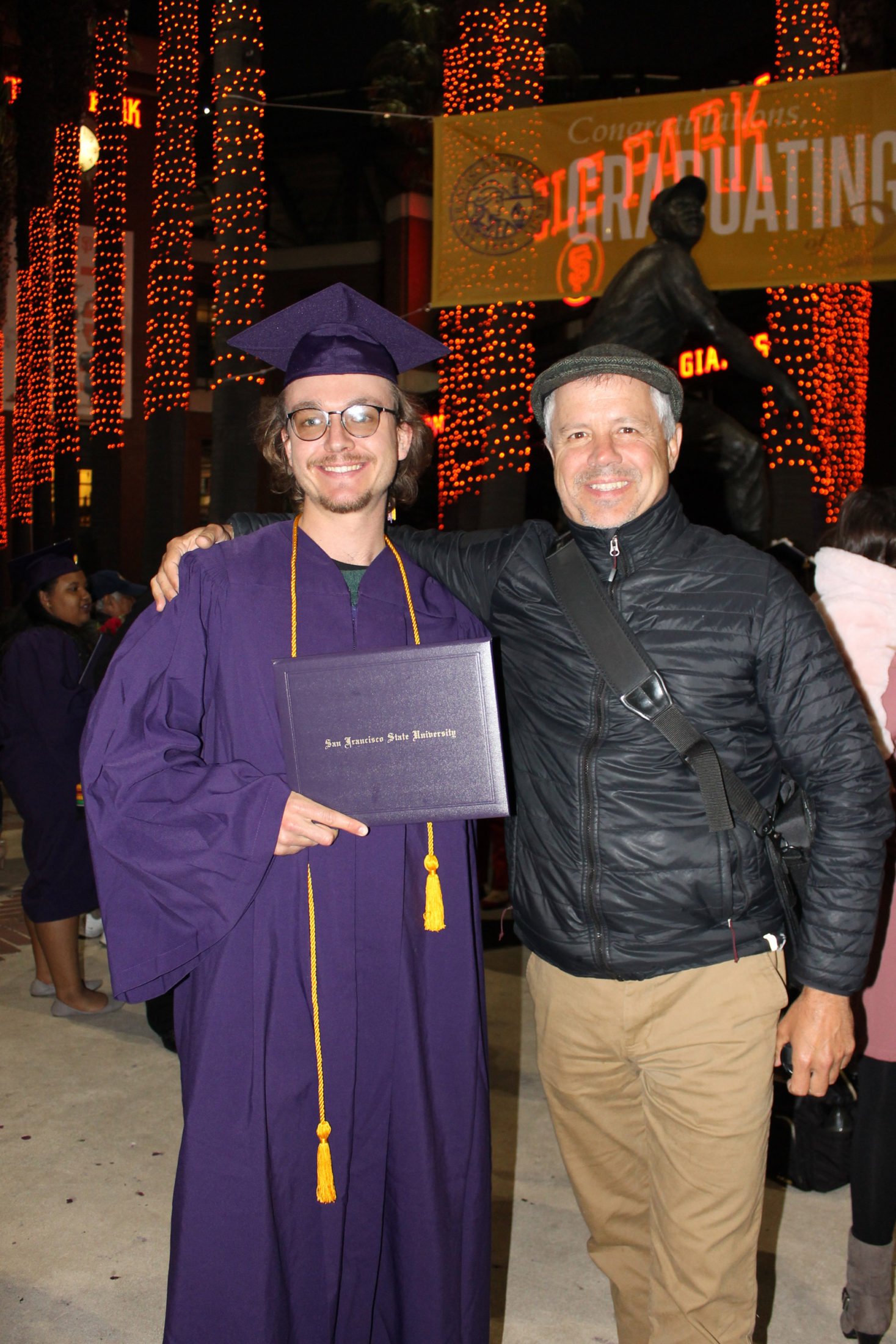
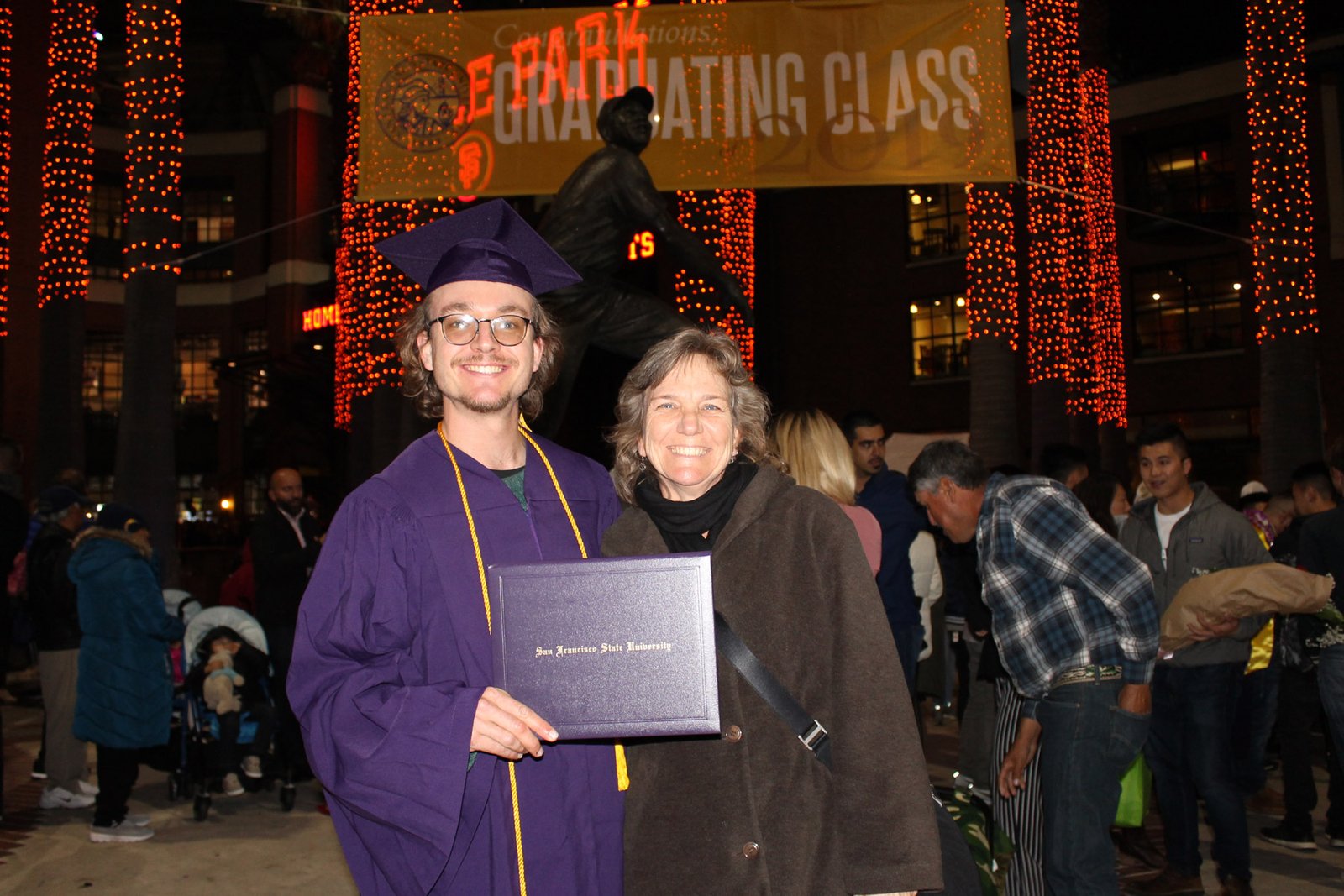
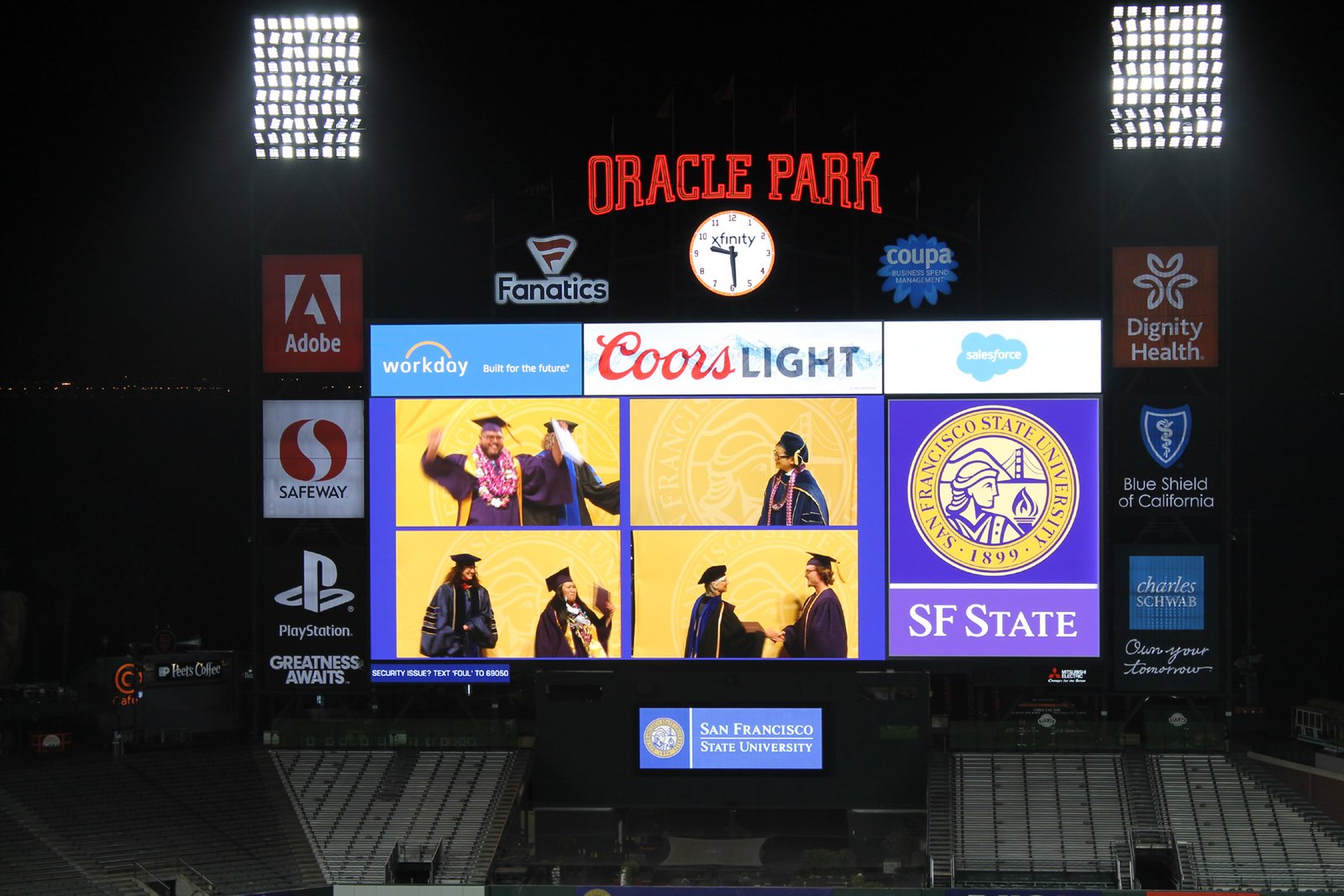
Life has important days of ritual, celebration, tradition and transition. College graduation is one of those days. Often it is young adults getting one last day to muse over their childhoods and head off into the full-on adult world. Many glad that all the formal education is finally over, eager for the next phase of life to begin. On Tuesday, May 28, 2019 was the San Francisco State University Commencement.
The day was partly cloudy and a strong wind blew out of the northwest. Looking out over the San Francisco Bay from Section 314 on the third deck you could see the smog blanketing the East Bay. The Port of Oakland, with those massive white cranes ready to unload container ships, visible through the mist. Barges and container ships at anchor going nowhere.
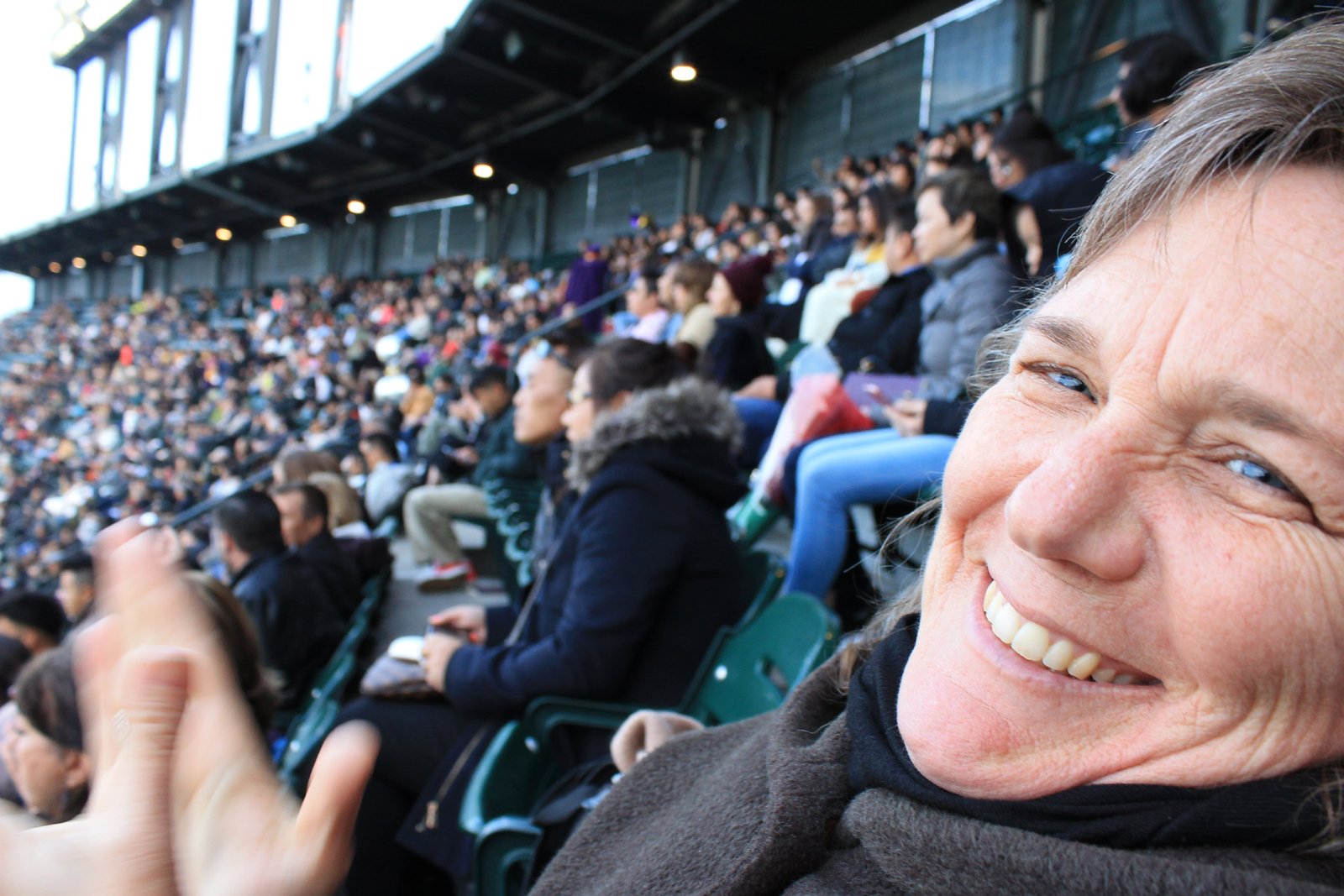
Our party of four ate ballpark food as the seagulls darted over the center-field, perhaps trying to get a cue for the timing of the seventh inning stretch. Confused, they noticed that no one was adjusting their jock straps or throwing baseballs around and soon left for more exciting territory.
The National Anthem, sung by a soprano in the music department, ending on a high screaming wale to great applause – SFSU President Les Wong introduction. speeches, acknowledgements. President’s Metals, a Posthumous Award and Honorary Doctorate, some of the people either dead or too sick and old to attend. Great, dedicated and fine people for sure. Graduate Hood recipients, the naming of the various departments (SFSU has a noted College of Ethnic Studies created after a long strike in the late 1960’s), a few other formalities and then the commencement address.
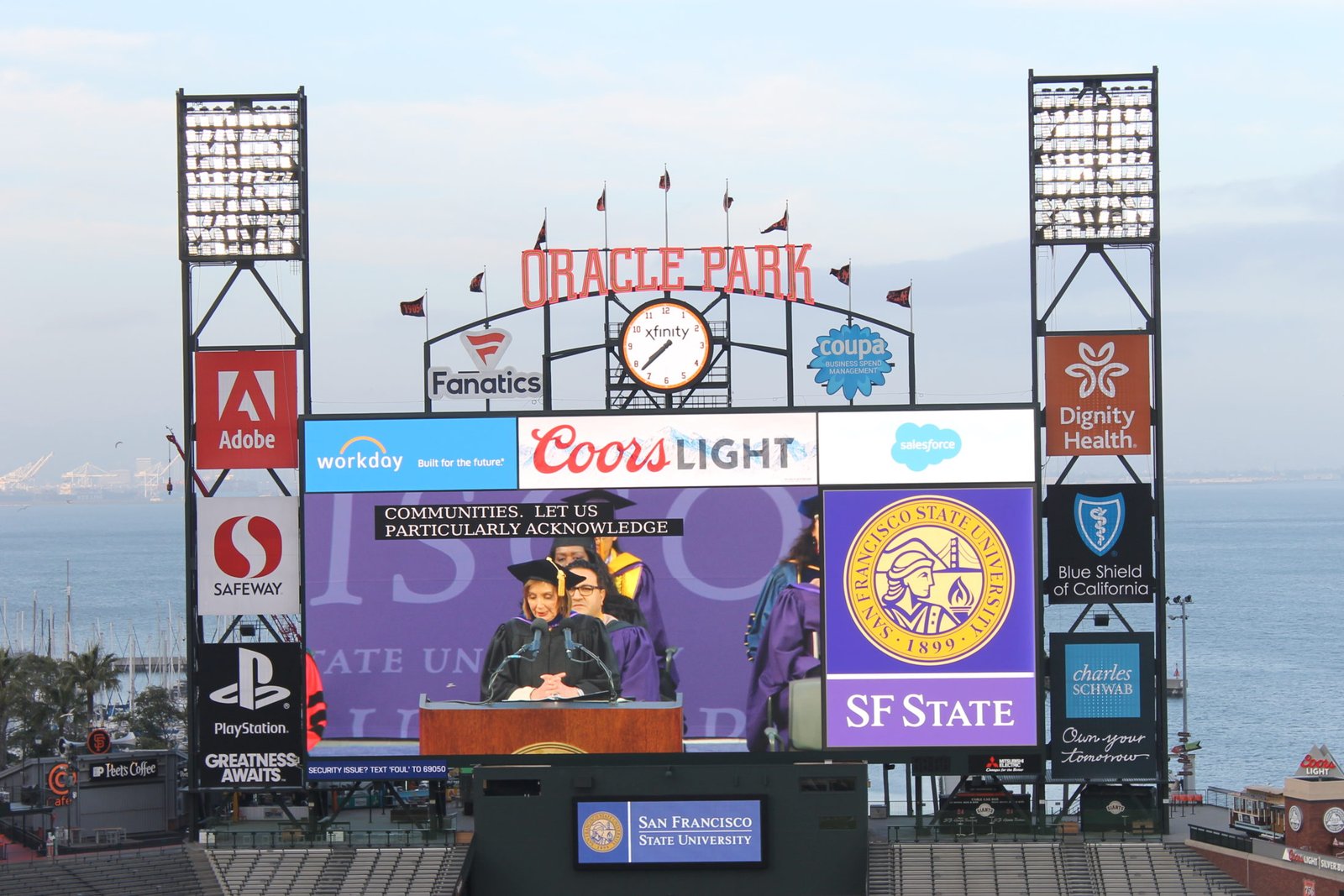
The Honorable Nancy Pelosi, Speaker of the U.S. House of Representatives gave the commencement address. Earlier, during much of the ceremony you could see her in the front row on stage listening. She was also going over her notes and her papers blew and flapped in the wind. An experienced speaker, she gave a rather cautious address, calling on the young people to be courageous and to follow their dreams. That they are the future. The typist hurriedly transcribing her every word as best as possible made for some humorous typos and outcomes, all appearing as captions on the large screen. Pelosi brought up fighting for health care and mentioned her concern over the income inequalities in our society but gave no solutions or mentioned any causes. More “courage.” Near the end she pulled the clever political maneuver of quoting someone from the other party, Ronald Reagan, and an address he did stating the obvious – that the United States is a country of immigrants and how this is who we are and it is a good thing. A brilliant maneuver considering the makeup of SFSU. The Democrats should dig up more Ronald Reagan speeches and point out the irony of our times and the hypocrisy of the Republican Party. Somewhere along the way she talked about San Francisco and it’s namesake, Saint Francis, his affinity for nature and the meaning of prayer. I do not doubt her faith but I never took Nancy Pelosi to be a very religious person, and it seems a bit odd for someone with so much power to reveal a tendency to resort to prayer as a practical solution to real problems. But she is a “thinking” Catholic, having been raised in parochial schools and surely understands the complexities of the “real” world. Life’s paradoxes and ironies do not phase her.
“There is nothing more important than appearing to be religious.” ― Niccolò Machiavelli
A long commencement parade where the traditional tunes were piped in on the stadium speakers – Pomp and Circumstance, Mozart in G, John Philip Sousa’s Stars and Stripes Forever. Many tunes sounding oddly familiar but who’s titles are a mystery.
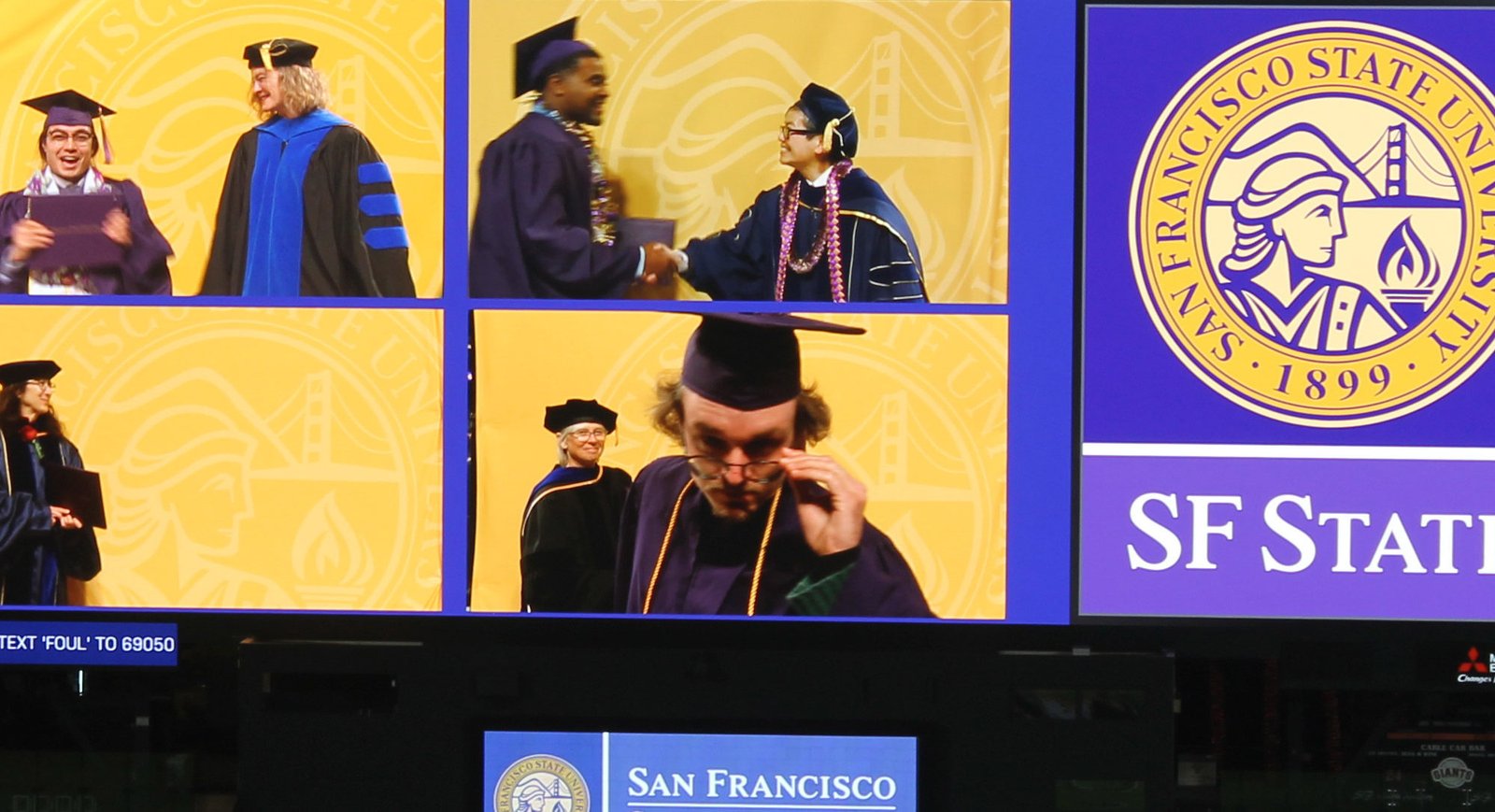
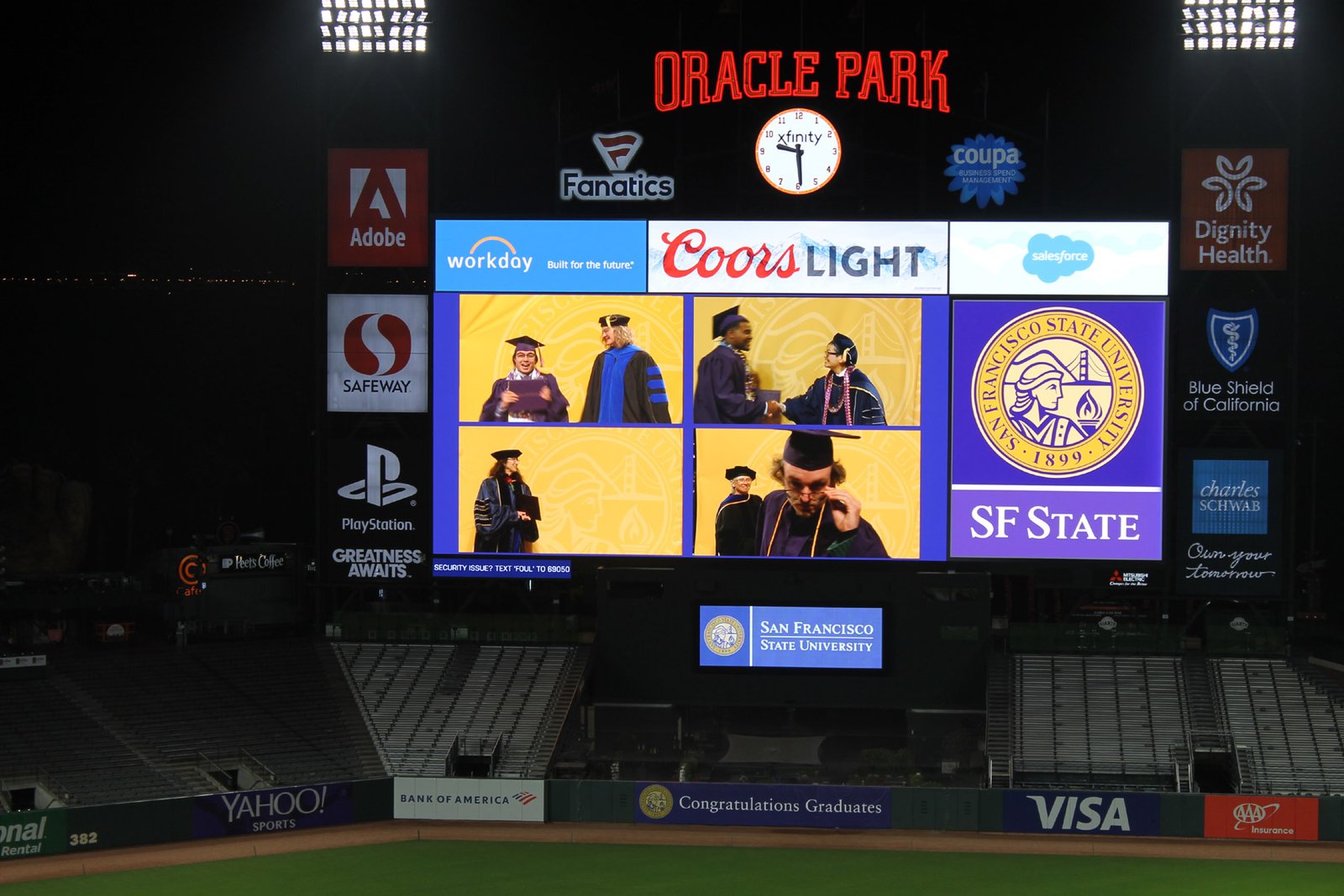
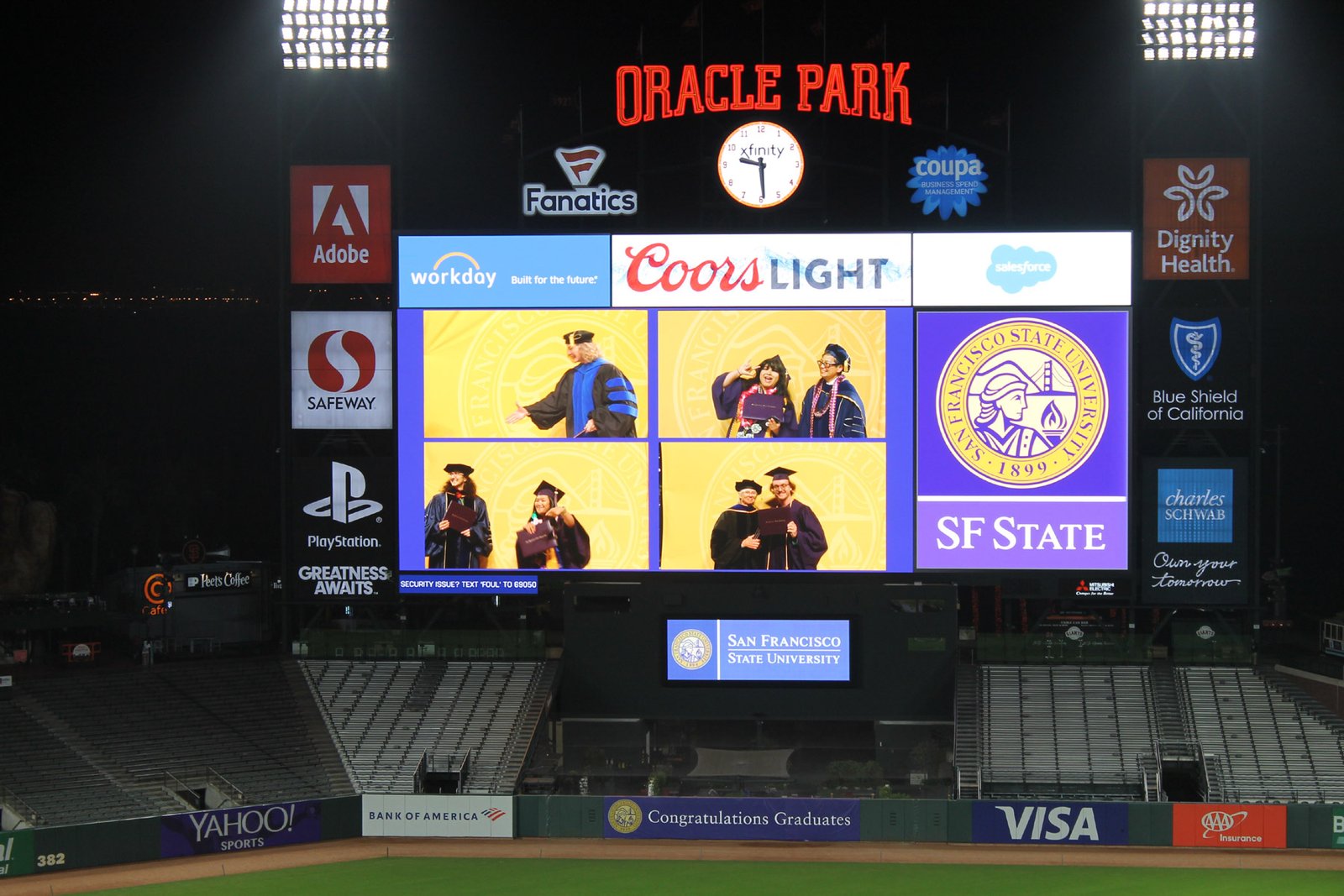
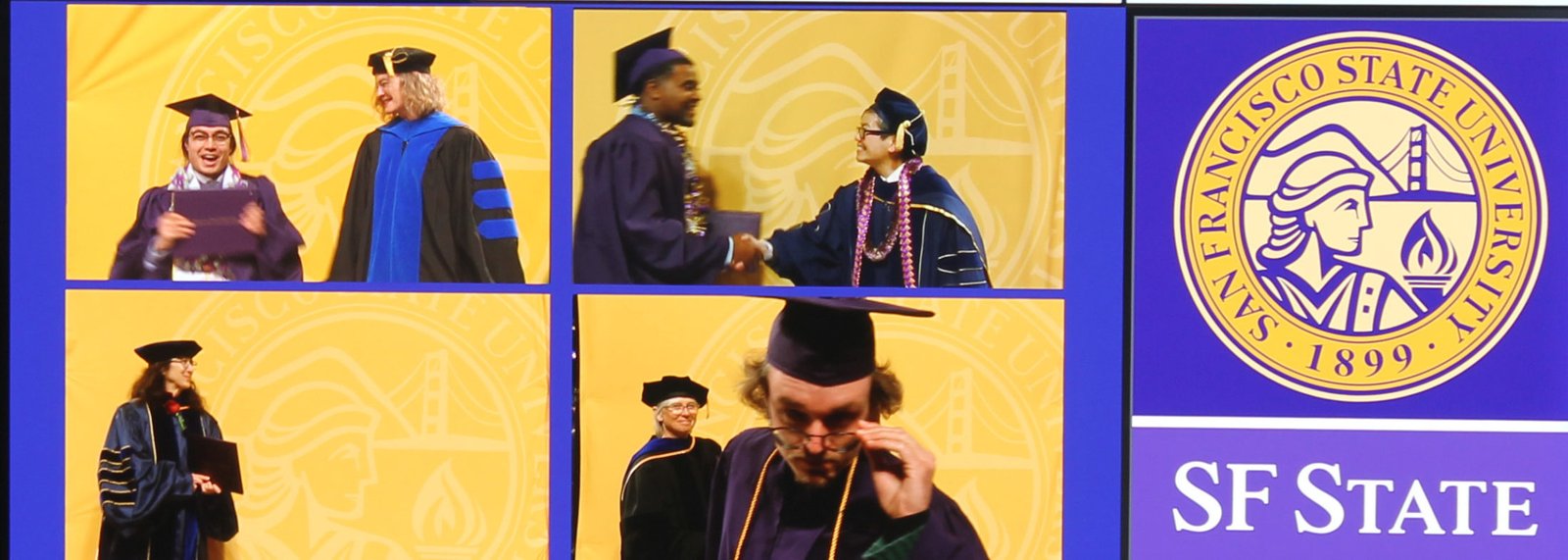
The epic Diploma Procession and like the piped in music, a modern touch. Four cameras and split screen shots up on the mega-monitor. No names announced but plenty of comic relief as many of the new graduates did dances and jigs and clever silly stunts. A lot of joy.
Cultural appropriation, at times also phrased cultural misappropriation, is the adoption of elements of one culture by members of another culture. This can be controversial when members of a dominant culture appropriate from disadvantaged minority cultures. Wikipedia
Among many segments of society there is a lot of attention to the issue of “cultural appropriation.” Researching it online you find that the phrase “cultural appropriation” goes back to the 1960’s. So much of that appropriation seemed to come about rather naively and certainly due to ignorance and insensitivity. The end result, besides being disrespectful was often downright silly. The Atlanta Braves. The Kansas City Chiefs, The Washington Redskins all seem to be names associated with a time when ignorance and a lack of cultural awareness was common and not even understood as a problem. Today, cultural appropriation seems to come to light mostly when a celebrity dresses in a certain way and does not understand the significance of the garb, or college students use “Day of the Dead” as simply an excuse to get drunk and try out new costumes, make- up, tequila and margarita mixes.
“Surfing the Internet”
But just as cultural appropriation was and is fueled by the marketing industry, so too is language appropriation. In the internet era there are many new marketing terms associated with the digital things that have metaphors from a romanticized analog object. The phrase “Surfing the Internet” conjured up in the mid 1990’s was a precursor for things to come. This phrase “surfing the internet” is simply strange for anyone who has ever actually surfed. When you surf, you often drive a car to the beach, paddle out past the incoming waves, wait for often a quarter of an hour for a set to come and fight off at least ten other people to catch a wave. Most of the time is spent far from any digital technology in the nature. As many big wave surfers say – “once you leave the beach you are in the wild.” Unlike being at your computer looking up websites, when you go surfing you do get a lot of exercise.
By contrast, when you open an internet browser you rarely get any exercise. You can instantly choose a website from a URL in your head, or go to an number of URLs that you have already visited. New pages flash in front of your face but you never get any of that energy that you get when you are in the ocean. The whole experience is actually nothing like surfing. Take up surfing. You will see what I mean.
“The Cloud”
Another silly term/metaphor is “The Cloud.” When I first heard this term in around 2005 the next weekend I was at a Super Bowl party with someone who is a network administrator and we were laughing about “The Cloud.” What is “The Cloud?” “The Cloud” is simply a server or data center connected to a network that can have redundancies and co-locations so that you can access data and applications from anywhere. The point is to make things secure, predictable and easy to maintain. It is also about monetizing software and data.
Real clouds, on the other hand are anything but predictable. They do not store any digital data and they often move in unpredictable ways, release large amounts of water, ice, hale and snow and sometimes play a dance with the earth and electricity. Real clouds are nothing like “The Cloud.” They are in the sky. Data centers are often those huge, nondescript warehouse buildings next to highways that look very nondescript.
Your data is not somewhere up in the sky floating around in a cloud. More likely it is along highway 101 along with a lot of refrigeration to keep all the servers from melting down. Sometimes the data center is in Florida as we know when there is a hurricane whole data centers can go down.
“You Guys” and the Death of “Ladies and Gentlemen”
I am not sure when this expression “you guys” became ubiquitous but among people under forty it is everywhere. I find it often used when a group of woman are together and one is addressing the entire group. “You guys, let’s go get some coffee!” Does the speaker not see they are addressing only woman? Do they not realize that their great grandmother did not actually have the right to vote and this may be insulting? But perhaps it is the informal nature of our society. Perhaps it is just an expression without any real thought. Perhaps it is, and this is my general observation, the new “ladies and gentlemen.” Indeed when I hear the phrase “you guys” over and over again, instead of wincing, in my head I just replace “you guys” with “ladies and gentlemen.” I do not dislike the “you guys” people. I just find the expression inaccurate and sexist and it plays into our misogynistic and patriarchal society. For woman, “you guys” is not empowering and should actually be insulting.
What is even more peculiar about “you guys” is that we live in times when whole generations, organizations and academic institutions are very sensitive about pronouns. “Please call me “he” on Mondays but by Wednesdays I usually am feeling very non-binary so on Wednesdays use “they.”” Good grief what a quandary! Perhaps we should all go by UGYZ the new “you guys” which is really “ladies and gentlemen” which doesn’t really have a gender, just like the phrase “mankind” which does not actually have a gender but in the end really just means “humans.”
UGYZ. Upper or lowercase. It means the same. Invented here on the pelicancafe.net. Use at your own discretion and now approved for use in Scrabble when you are having a problem getting rid of your “Z.”
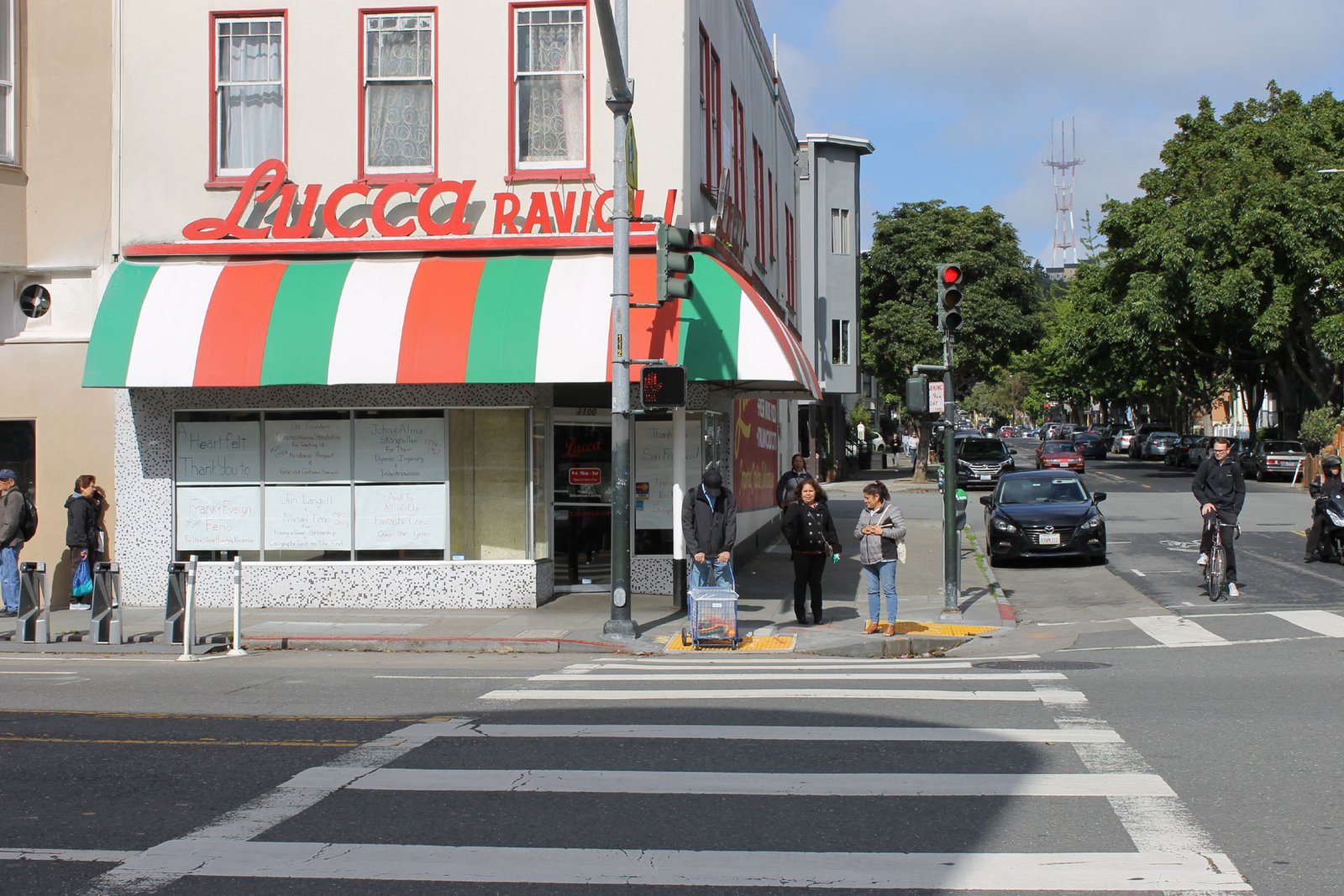
On Valencia and 22nd Street in San Francisco is one of those places where the first natives probably met and shared stories and perhaps some food – a cup of tea, some acorns. From that spot, if you look West you see two peaks later called Twin Peaks. In the summer, the fog bounces off those two peaks and coastal range and keeps the Mission District relatively fog-free.
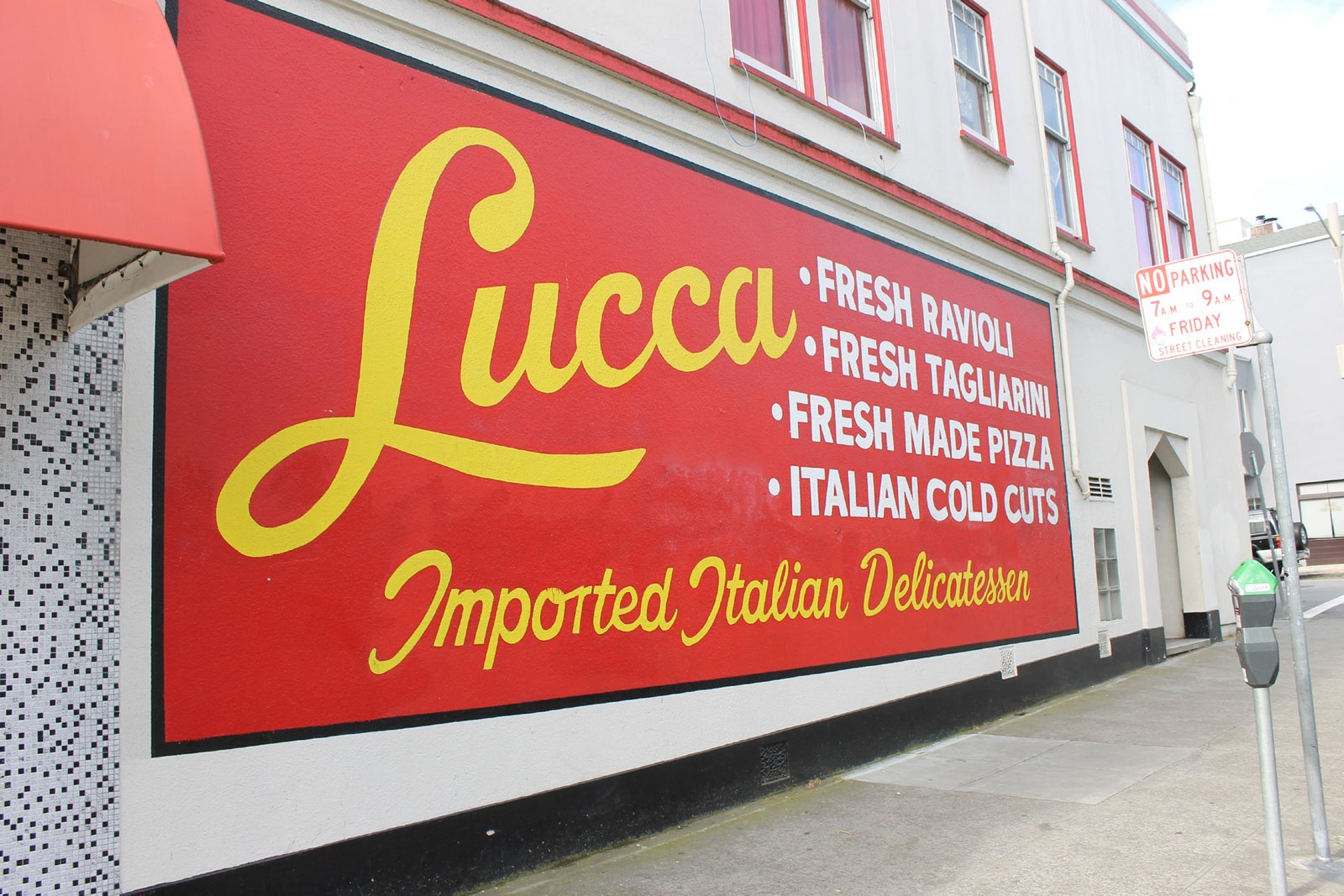
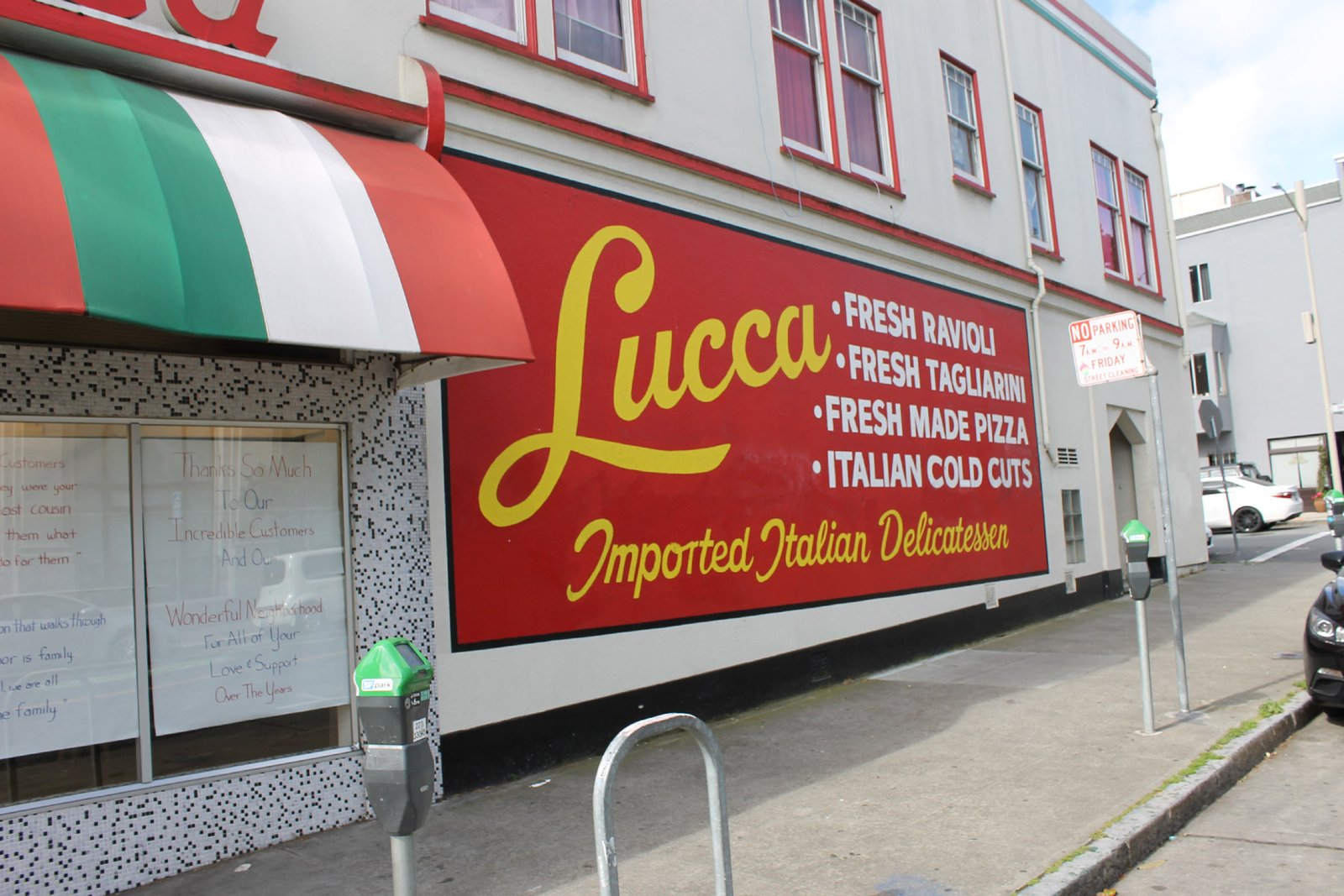
There was probably fresh water close at hand. If you look for the scraggly lines on old maps, Mission Creek and others flowed at times – all a few blocks away. Anyone who has spent a few decades in San Francisco must have ventured into Lucca’s on 22nd. It was part vacation. Part cheap thrill. Part a journey into the land of culinary hedonism.
Do take a number from one of those old fashion number roles at the front, and when you are called, it was like you had just won the lottery. All the primarily male staff, dressed in white shirts wore aprons and those disposable paper deli hats. “Two trays of ravioli please, one vegetarian the other meat, a pint of sauce, that dill Havarti on sale – I’ll have a pound and a half of that please. A pound of the salami… no not that one, the one over there. A half-pint of those mixed olives. Don’t forget to charge me for these two bottles of Italian wine. This bread is incredible, by the way.” After they ring you up on a antique golden, ornate and, fully functioning cash register a bell ringing every time it is opened, you leave and proceed to eat a meal that you talk about for months after. RIP. Lucca Ravioli Co. Thank you, we will miss you!
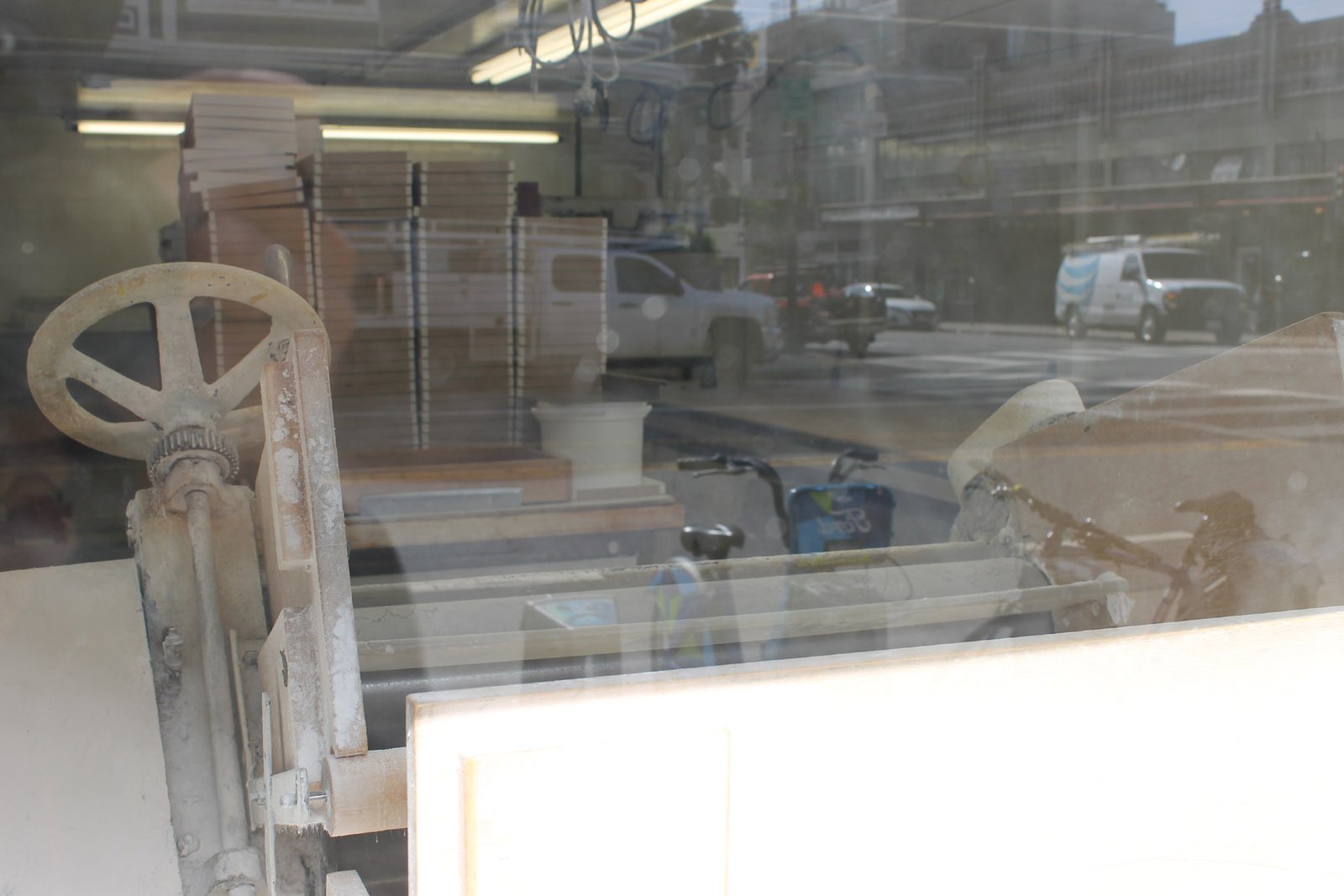
Where they made the ravioli
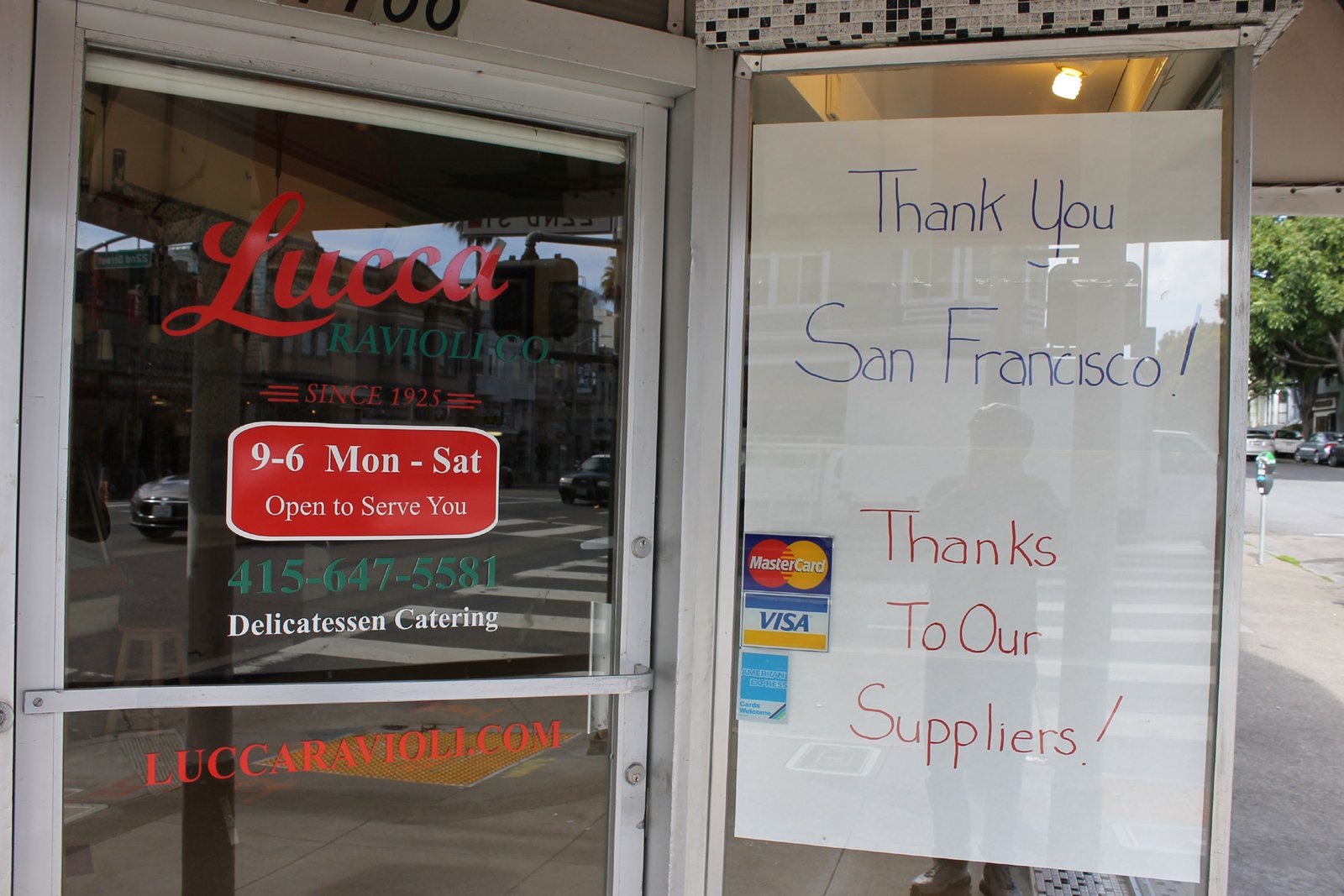
A bit of a history lesson on these signs. Butcher paper as the means of communication gave this place its charm.
Looking West with Twin Peaks in the background.
Postlude
One of the wonderful things about Lucca’s is that it was an old world place and they treated kids with a lot of compassion and joy. I remember stopping by Lucca’s to buy some lunch in the late-90s. I had my 3 year old in tow. Soon they would hand him a fresh bread-stick just for fun. That was pretty special. A small business owner winning over customers, little kids and the neighborhood, one bread-stick at a time.
There is nothing permanent except change.
Heraclitus
I have no idea who in buying Lucca’s or what is going to become of the prime location, and it is really something beyond my control, but I do hope that whoever it is, can keep some of the good vibes going.
Remember Lucca’s on Valencia and 22nd? San Francisco just lost a piece of the magic. “I hear that the Mission was once an Italian neighborhood.” “Every neighborhood in San Francisco was once an Italian neighborhood.”
Since the last report there has been extreme weather. Late in 2018 a fire season began that was massive. Whole neighborhoods in Santa Rosa burned to the ground. The city of Paradise in the Sierra foothills burned to the ground. There were massive fires in southern California and all up and down the coast. In San Francisco the smoke was so thick you had to wear a mask to breath outside. From San Francisco, Oakland was not visible.
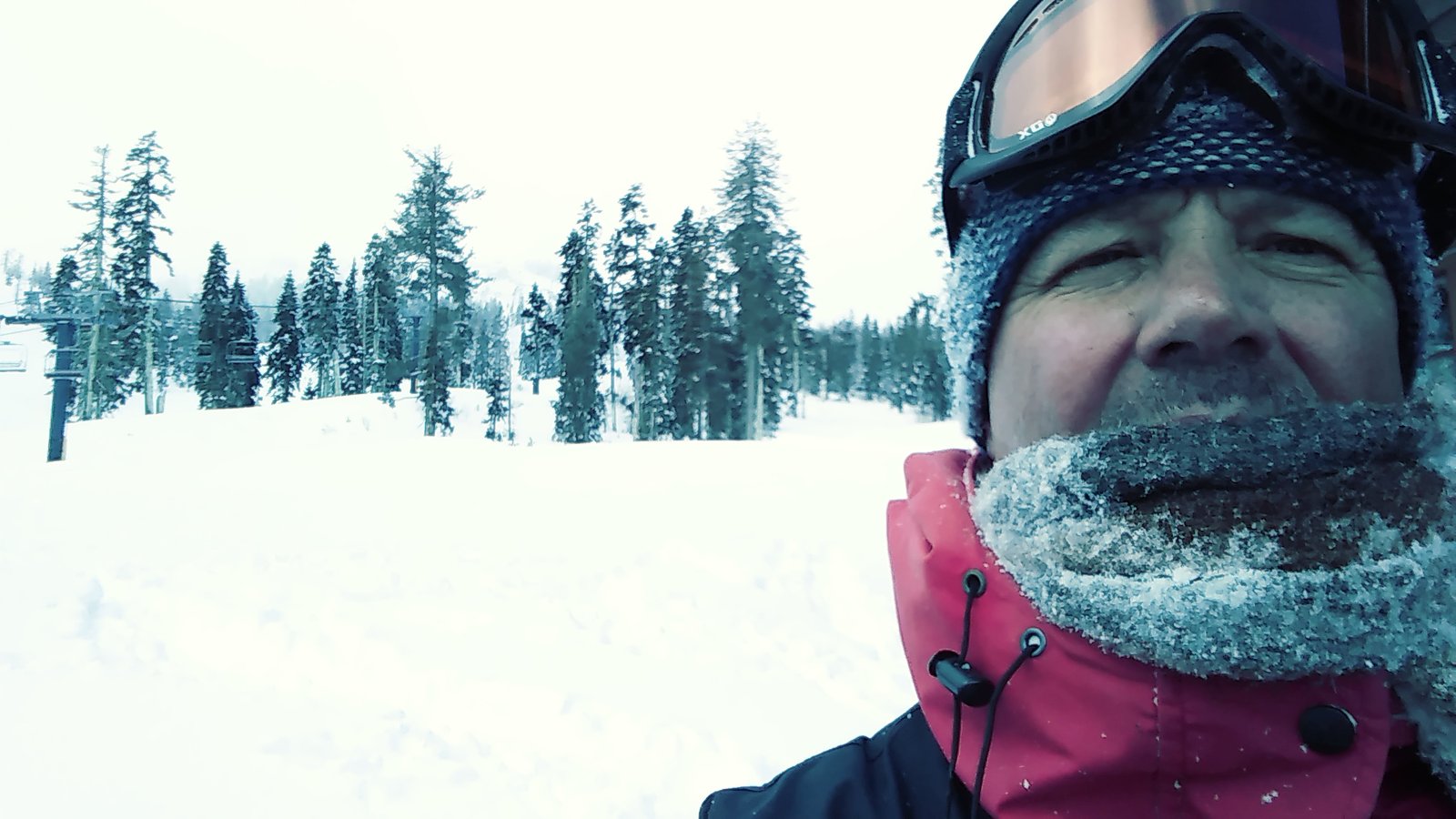
Then on Thanksgiving Day the rains came and it was a gift from the heavens. Since then the rain and storm dump on the Sierra. Snow-pack is at 150% of normal. For people who like to hike up to the tops of mountains and ski down – that activity will be available until the end of June. We are just now beginning to dry out.
Politics
Governor Jerry Brown has retired and been replaced with the former mayor of San Francisco, Gavin Newsom. Jerry Brown has been a great public servant, and we will miss his generally good judgement, candid sense of humor, honesty and fiscal skills – why Republicans get the moniker of being fiscal conservatives when they always drive federal and state governments in to debt is strange. Jerry leaves Governor with money in the bank. We know that with Gavin, at least we now have a Governor with way better hair but certainly less brains. Let us pray that Gavin uses good judgement. We know he has no sense of humor.
Sporting News
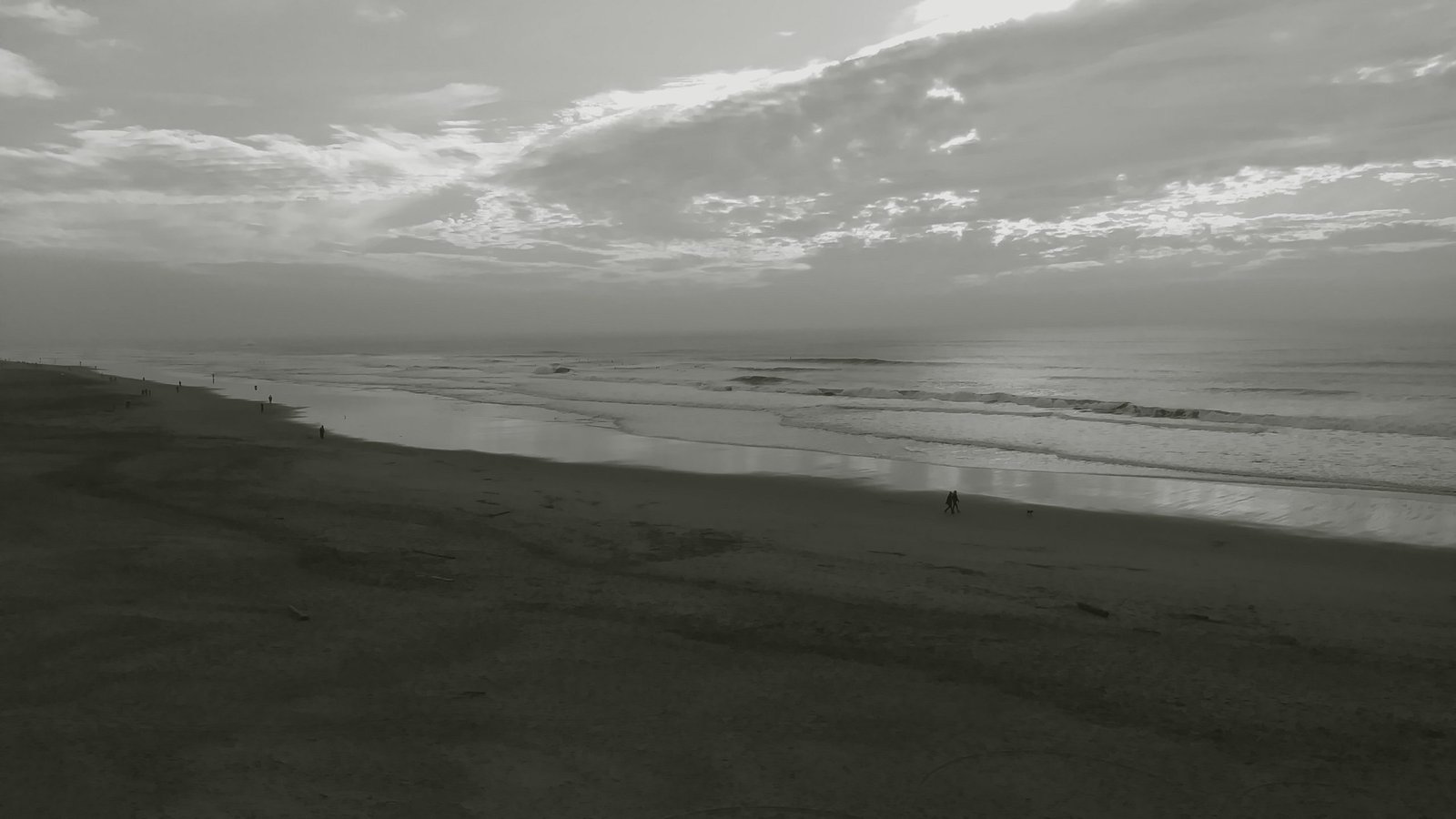
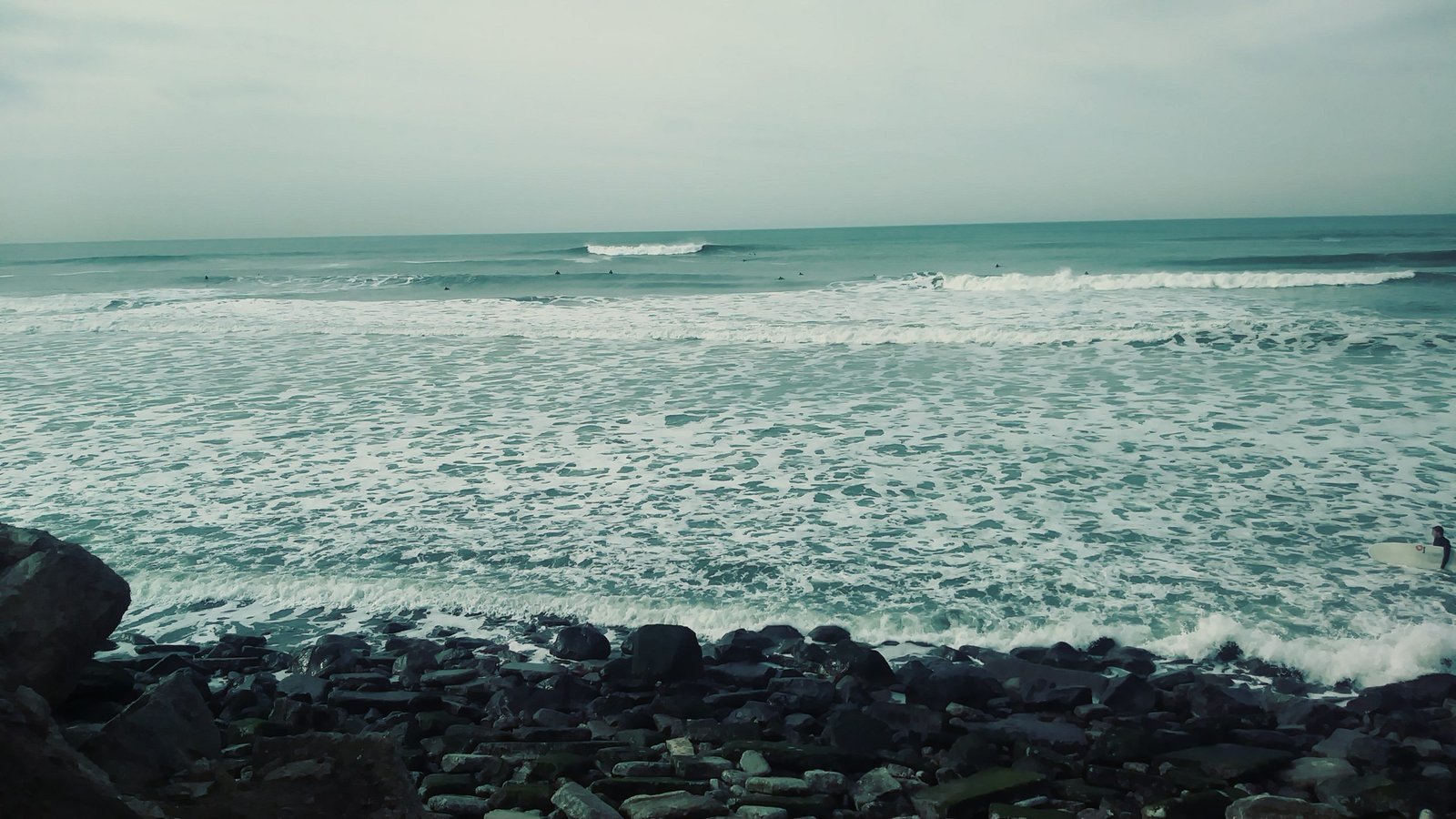
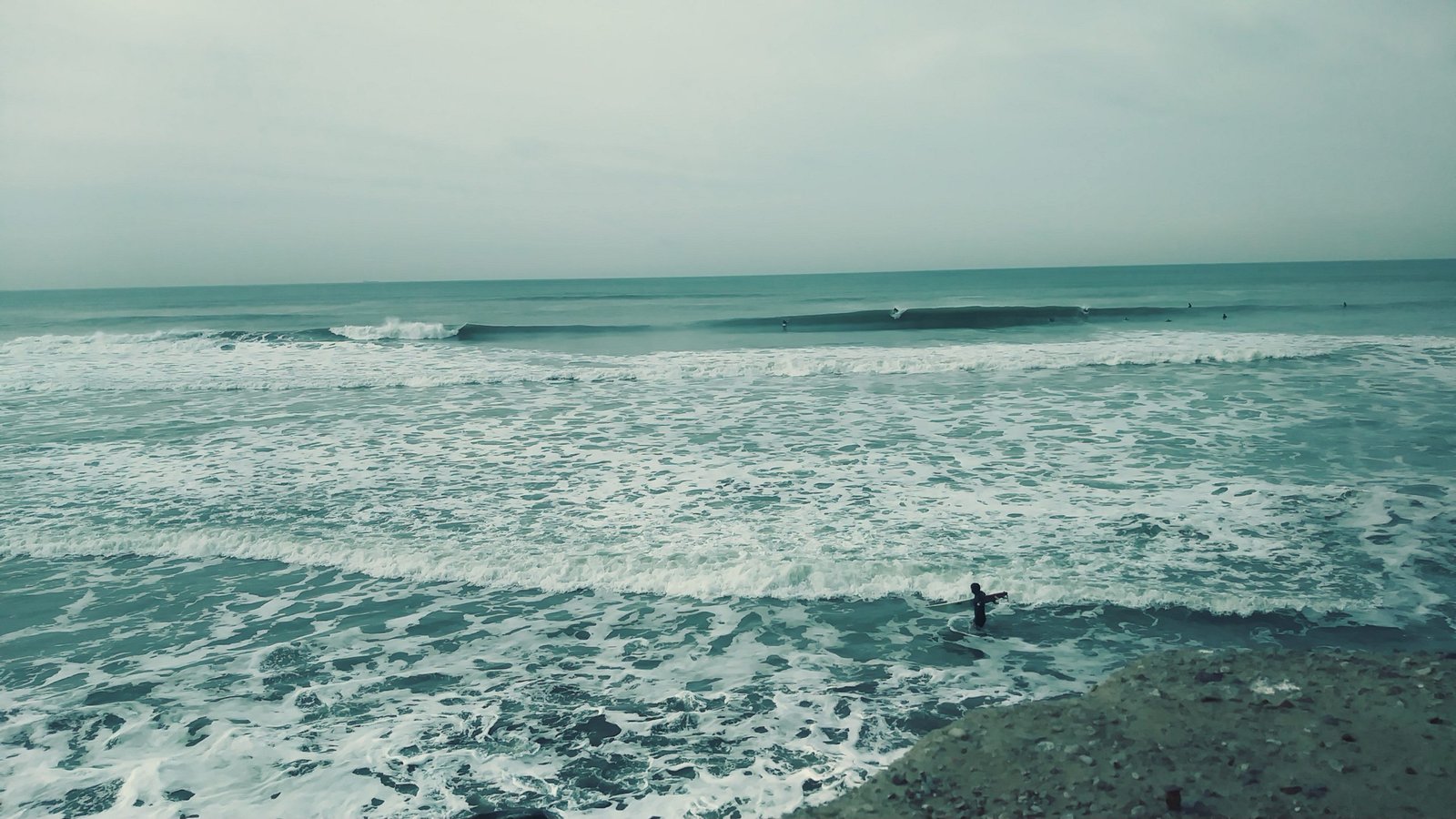
I do not pay attention of professional sports so this is about the local sports. The skiing is fantastic, there is plenty of snow. Biking is off the charts when you can hit a clear day after a rain, 50 degree weather. Great light. Light winds. The surfing is off the charts with many head-high and overhead days with off-shore winds and long period swells.
Author
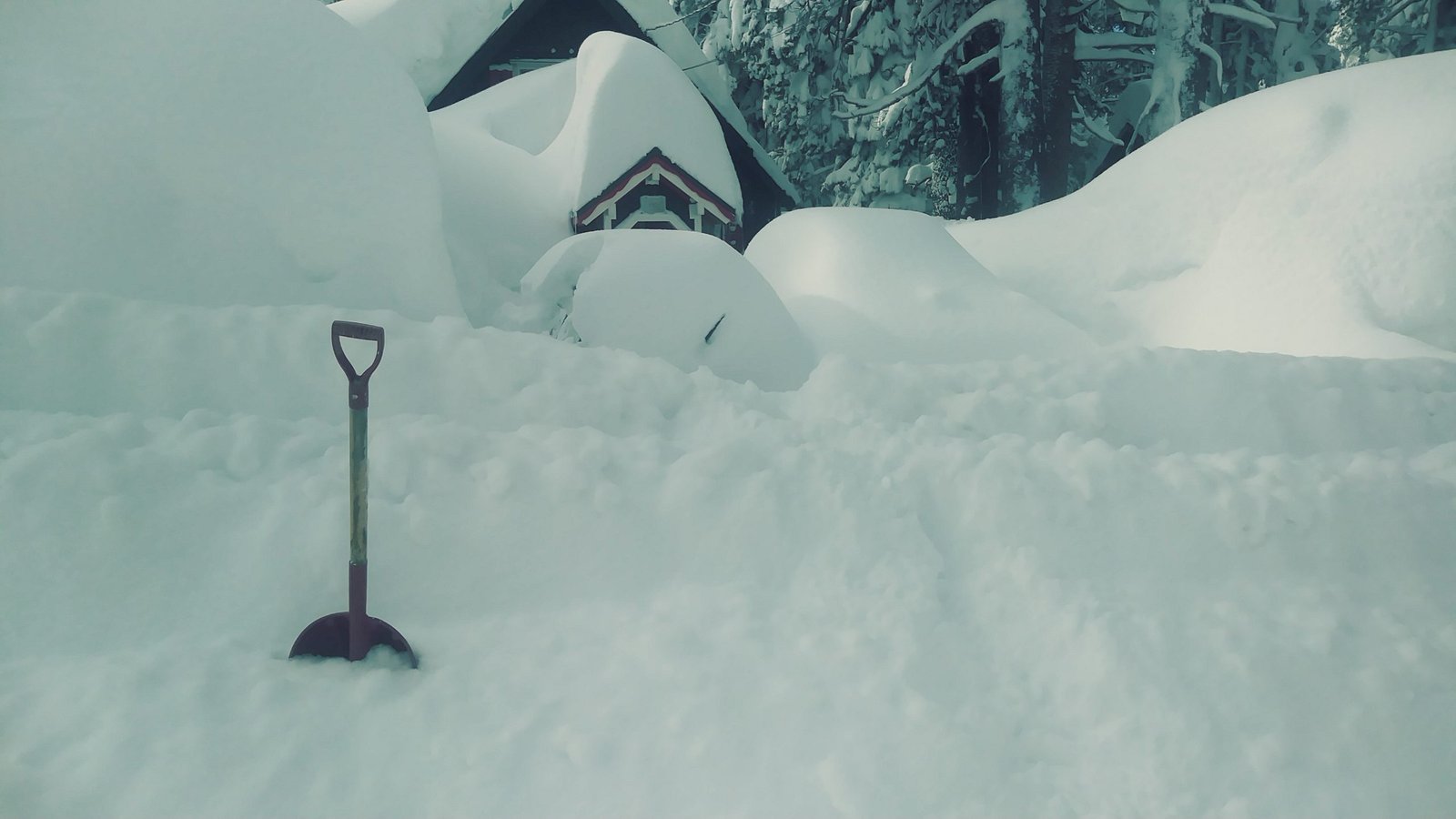
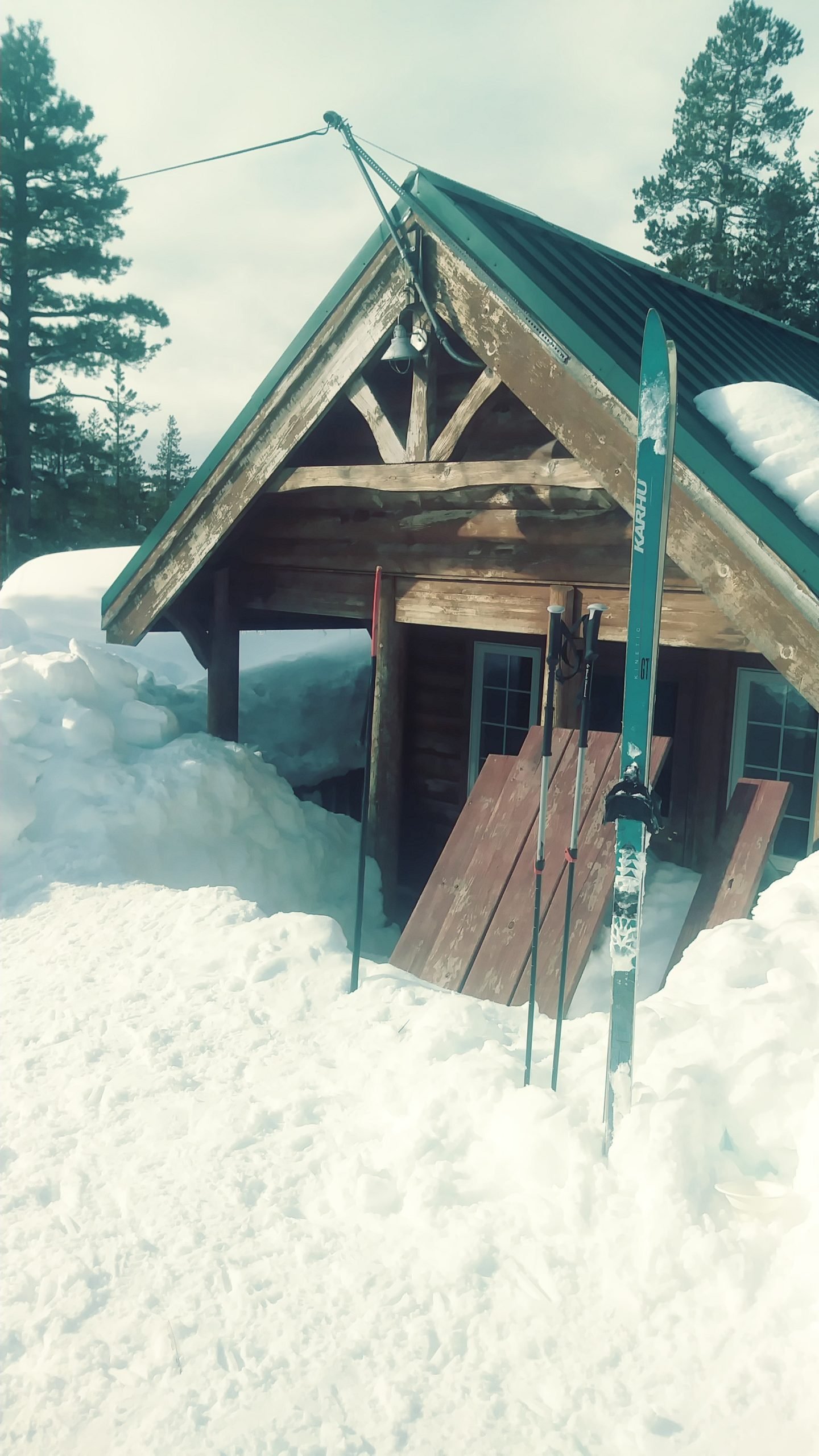
Snowed-in
Royal Gorge Hut
Donner Summit Road. February 2019
Surf in Norther California – 2019
Ocean Beach
Ocean Beach
Ocean Beach
Ocean Beach
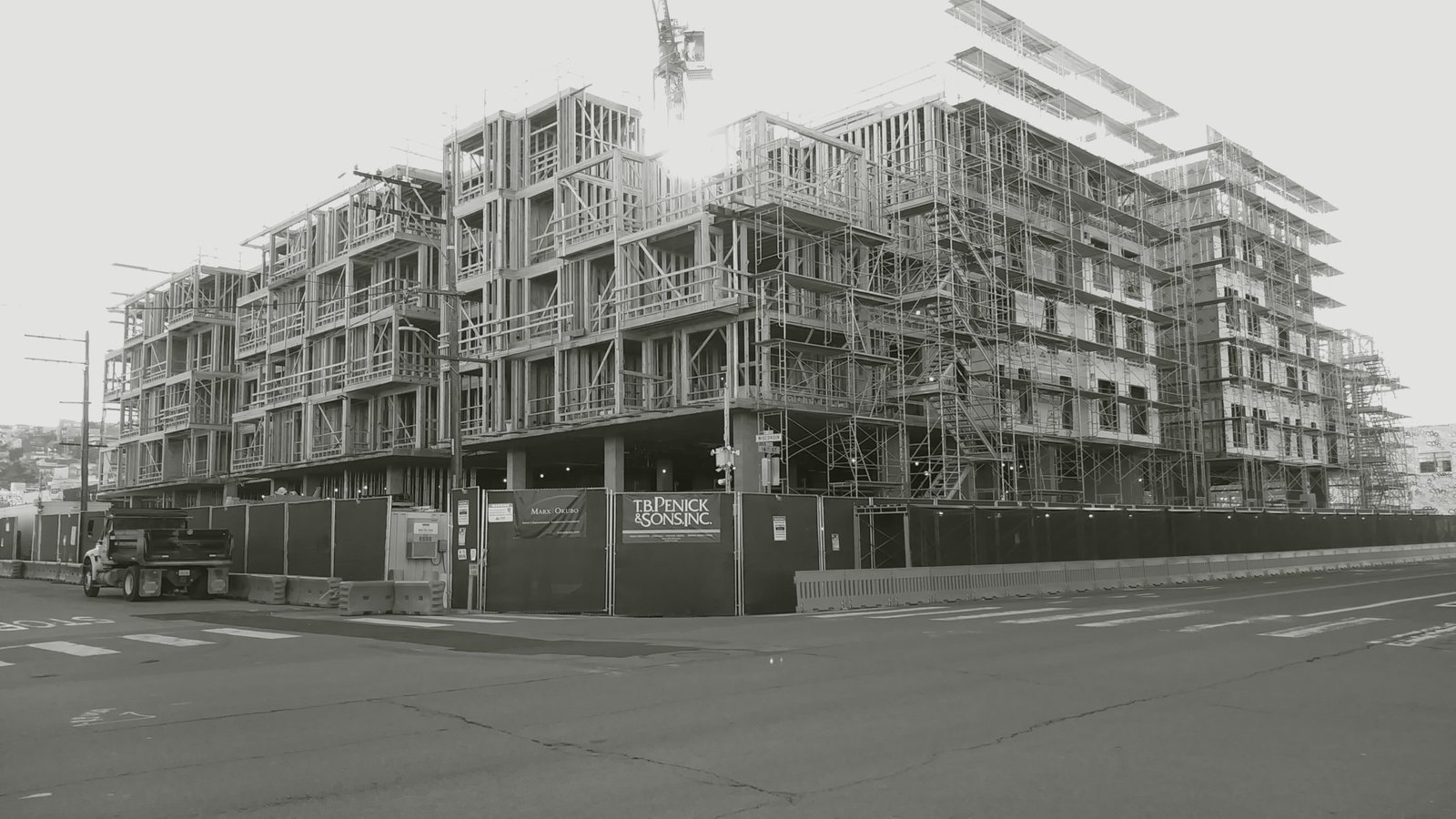
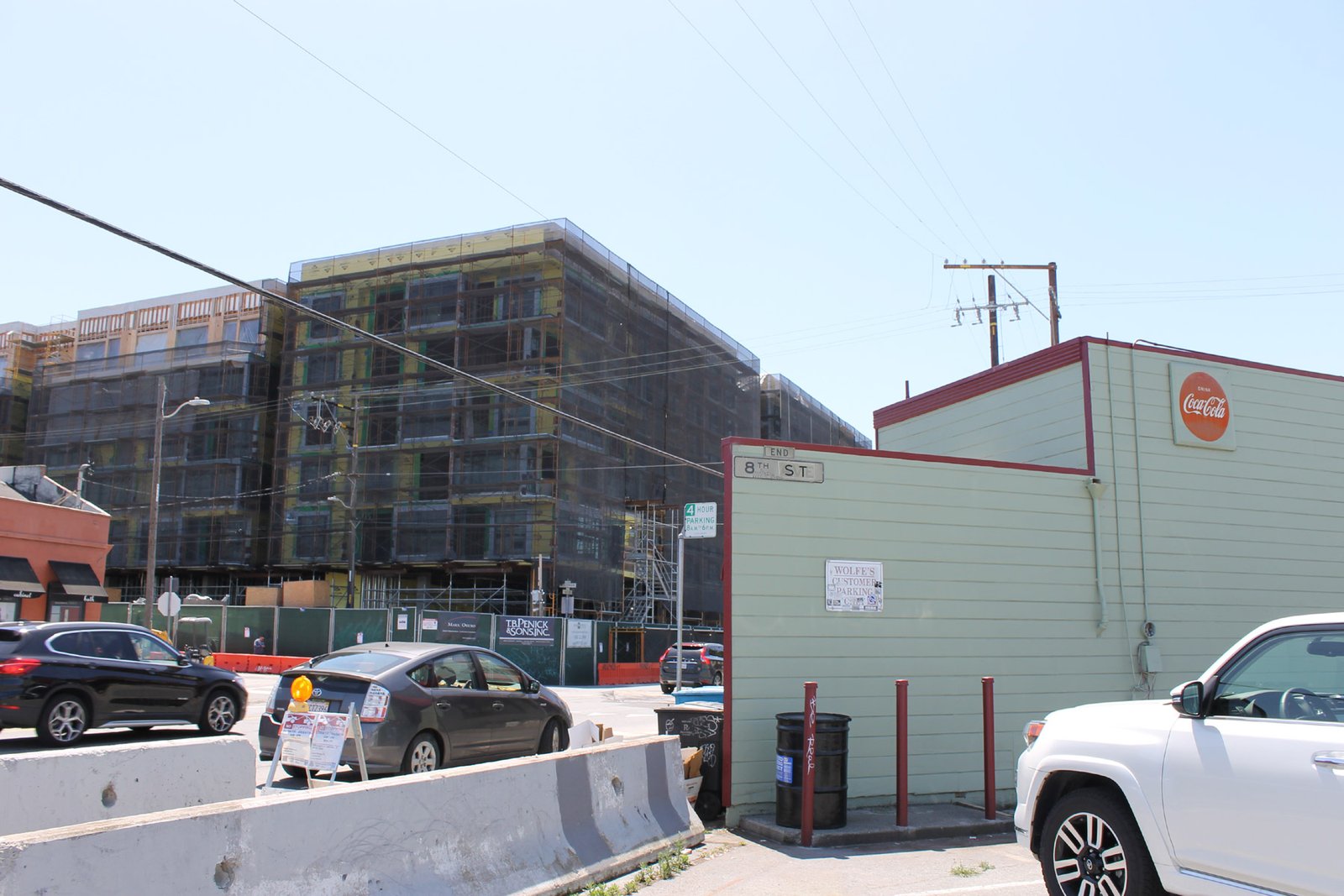
San Francisco Construction Boom
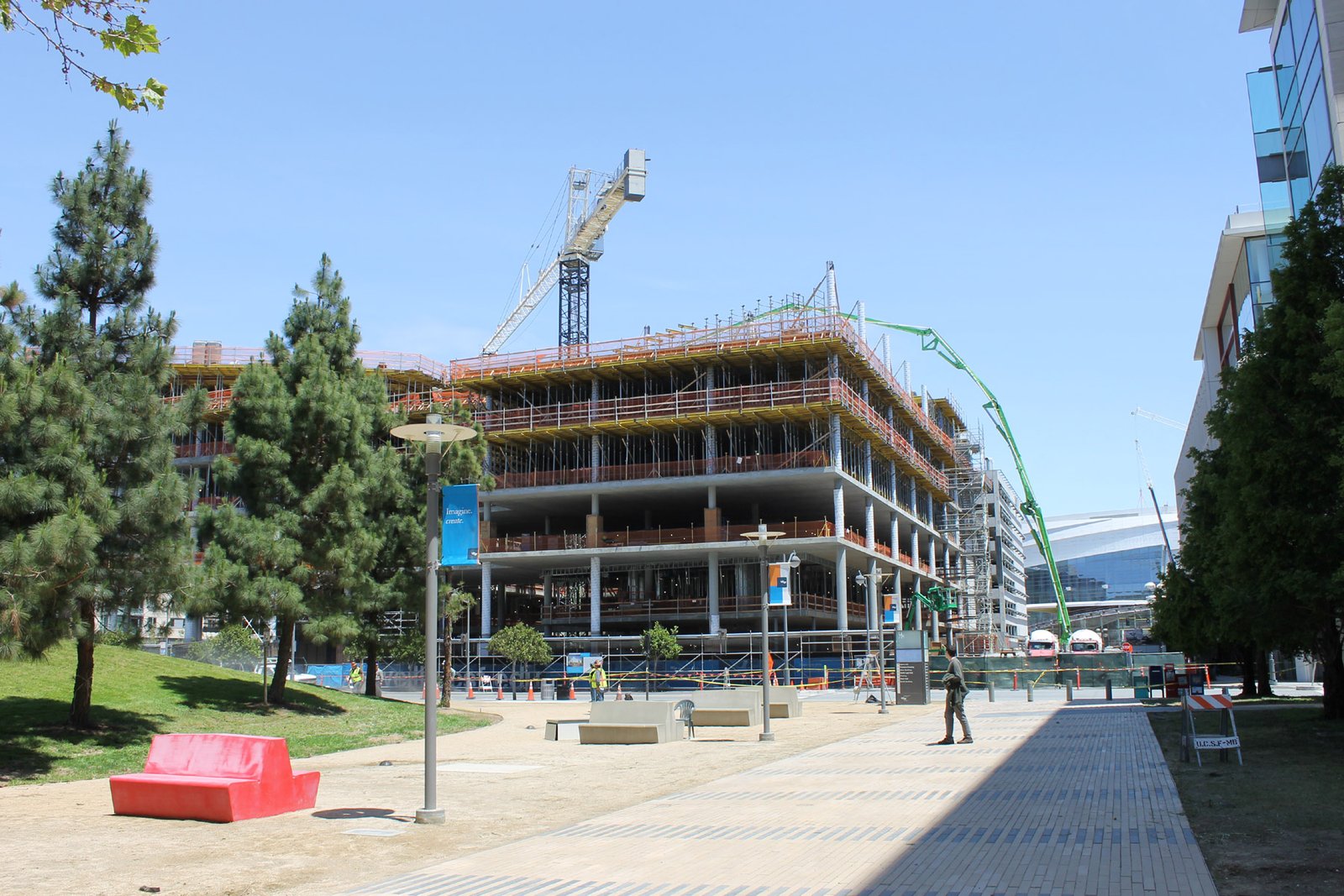
A few photos of San Francisco and the changing skyline. Building all over town is extensive. The new Warriors stadium is looking like it is on schedule. Warehouses are being torn down. Condos are being built in record time.
Below are the new buildings around 3rd Street. The Warriors new stadium is almost done. UCSF has an entire campus. Kaiser and a lot of medical, pharmaceutical and biotech companies abound. Not a single corner store anywhere in sight but massive concrete parking garages for all the wealthy professionals driving in from Marin and Walnut Creek.
Recently the American Psychological Association (A.P.A.) published their new guidelines entitled the American Psychological Association’s guidelines for practice with men and boys . Writing and publishing something like the guidelines for practice with men and boys is a strange and ill-advised project. Creating guidelines for protologists on the use of the FOS-425 for colonoscopies on men over fifty seems like a good idea, but men are far too varied and complex to create generalizations and guidelines.
Before you read further, I highly recommend that you read the actual paper. It is rather odd that like Moses’ 10 Commandments there are 10 A.P.A. guidelines for practice with boys and men. But perhaps it is more like an A.P.A. awards document as I am sure that of all the researchers and contributors who’s studies are cited celebrated this career triumph with a lot of wine and champagne to fortify their narcissistic egos. I believe the guidelines will be viewed as a curious historic document, similar to writings and guidelines for women during the late 19th and early 20th centuries when doctors and the medical scientists viewed woman as having the “woman problem.” This is clearly outlined in For Her Own Good: Two Centuries of the Experts Advice to Women by Barbara Ehrenreich.
Her Own Good: Two Centuries of the Experts Advice to Women by Barbara Ehrenreich.
Now that Western medicine has terrorized woman for over 200 years, for some reason they now have moved on to men. In fifty years, the American Psychological Association’s guidelines for practice with men and boys will be embarrassing evidence on just how absolutely naive, cult-like, dangerous and ignorant the A.P.A. is to history, philosophy, language and actual science.
Indeed, after the American Psychological Association’s guidelines for practice with men and boys were released it created a bit of a firestorm. People on the conservative right and academics of all walks often criticized the paper as either being an attack on men and traditional morals or simply inaccurate and absolute intellectual self-deception. The New York Times ran an opinion piece that basically side-stepped the issue and did a report of how various people and authorities on the subject responded to the “guidelines.” However, the critique I found most perceptive was by Jacob Falkovich and his essay Curing the World of Men
This is, after all, the same organization that classified homosexuality as a mental disorder until the seventies, and whose members were not discouraged from recommending conversion therapy until 2009. You’d think being wrong about gays for a century may teach the APA some humility. –Jacob Falkovich
What I find alarming about the A.P.A. is the fabric of the organization. To me it has characteristics more in keeping with a cult or a religious organization than a scientific organization. If you simply start with the “definitions” at the beginning (gender, cisgender, gender bias, gender role strain, etc.) you can see right away they are laying the ground work for current fashionable cultural assumptions and not science. For example, the term “gender non-conforming,” which is so in fashion in psychology these days, rarely gets scrutinized. “Gender non-conforming” – based on what? Is the A.P.A. now determining the “style” of a certain gender. Is a gender “style” for some reason now an important part of psychotherapy and also a subject of science? From the very introduction, the paper begins with some pretty shallow assumptions.
Boys and men are diverse with respect to their race, ethnicity, culture, migration status, age, socioeconomic status, ability status, sexual orientation, gender identity, and religious affiliation.
Seeing as men make up about half of the 7.5 billion humans on the planet, this statement seems accurate. However, how can boys and men be diverse with regards to gender identity? They are both male. Last time I bought airline tickets I had to choose between either male or female in the gender dropdown. If the A.P.A. has discovered additional genders they perhaps should inform United Airlines. I do hear of non-binary as being another gender and there is of course intersex or hermaphrodite people but this paper and guidelines are for men. Then the next sentence gets to the core of how the A.P.A. defines gender.
Each of these social identities contributes uniquely and in intersecting ways to shape how men experience and perform their masculinities – Introduction to A.P.A. guidelines
“… how men experience and perform their masculinities.” What a strange notion that a man simply performs “masculinities” as though a gender has no biological basis and is simply a “performance.” This notion perhaps comes from the psychologist Judith Butler and her notion that gender is defined by “gender performativity.” That the A.P.A. adopts this theory as being a scientific fact is rather odd. This is why the A.P.A. is more akin to say the Catholic Church. Indeed if you create a study that is peer reviewed and published that challenges another prominent researchers’ work, you immediately get called out for not towing the accepted line. This is exactly what happened to Lisa Littman when her paper Rapid-onset gender dysphoria in adolescents and young adults: A study of parental reports when data challenged the assumptions of other scientists currently in fashion. That people like Diane Ehrensaf, PhD from UCSF dismissed the study outright just shows how political and cult-like is the field of psychology and the APA. As a scientist, you would think Ehrensaf would be curious. “Interesting. You are taking a different angle than I did and found that kids with Rapid Onset Gender Dysphoria seemed to be due to environmental factors and a common feature was an addiction to the internet.” Instead, Ehrensaf dismissed the findings outright even though her work is often based on studies that have yet to be replicated. This is but one example of how the APA is not really interested in science but ideological conformity. Often, in the end they become the unknowing henchmen of the pharmaceutical industry.
Not related to men specifically, Drug Dealer, MD is an insightful look how the medicine in the United States is the cause of the opiod crisis. That “pain” is now considered a vital sign has profound influence on the prescribing of narcotics and other prescription drugs.
While reading the comments from the New York Times article it was interesting to read that the guidelines use of the word “stoic” is actually inaccurate, shallow and lacking of historical perspective. It is almost as though the modern psychologist notions of the topic of men was informed only by time spent reading the latest studies, watching beer and truck commercials, John Wayne movies and never bothered to learn some of the fundamentals. Three times in the paper it discusses how stoicism in men is a bad thing, that “not showing vulnerability, self-reliance, and competitiveness might deter them from forming close relationships with male peers.” A rather odd statement for anyone who has ever participated in athletics and formed bonds with teammates and opponents. Online, in the comments, someone pointed out that “Stoicism” as a ancient philosophy of life is very different than what perhaps how the APA defines stoicism. Recommended reading was the book A Guide to the Good Life: The Ancient Art of Stoic Joy Irvine, William B.
A Guide to the Good Life: The Ancient Art of Stoic Joy Irvine, William B.
It is good read and what you learn is that Stoicism as an ancient philosophy of life has more in common with Zen Buddhism than emotional repression and asceticism. I am certain learning about Stoicism is much more worthwhile than reading the APA guidelines. For when after the APA psychologist, who is having therapy session with your anxiety-prone child, decides “maybe its time to start medication or hormones” and suggests Prozac or Ritalin, you will need to consult some of the practical advice from the ancient philosophy of Stoicism in order to come to terms with your life’s turn of events. But now I am going to stop writing, and as my father did before me, a very stoic creature,perform one of my many “masculinities” and do the dishes and clean the house.
Although there are differences in masculinity ideologies, there is a particular constellation of standards that have held sway over large segments of the population,
including: anti-femininity, achievement, eschewal of the appearance of weakness, and adventure, risk, and violence. These have been collectively referred to as traditional masculinity ideology
– From American Psychological Association’s guidelines for practice with men and boys.
What a strange definition of something the APA calls “traditional masculinities.” Of all the thousands upon thousands of men I have known, I have yet to know any who embrace that list. To stereotype people is a sign of a shallow intellect and for health care providers a dangerous path.
It is a strange thing that in this information age more people do not know about the band from Santa Cruz, California by the name of AJ Lee and Blue Summit. Last Sunday I went to the show at the Chapel and along with the usual familiar bluegrass community heard a really great line up of bands. It was the Be Unbroken: Bluegrass Fire Relief Benefit Concert & Auction , a benefit for victims of the recent Butte County fires. On the bill were The T Sisters, Lost Radio Flyers and Blue Summit. Blue Summit closed out the show and unlike other times I have heard them they were rightfully placed as the headline act.
Even though AJ Lee and Blue Summit are all under twenty five and AJ is just twenty they play and sing with a skill, soul and maturity beyond their years. That they have not been signed to a big record deal is amazing. That they often get called upon to play opening sets for bands way under their level is surprising. That they do not get called upon to play big festivals or even big local festivals like Hardly Strictly Bluegrass is just strange. People in San Francisco into all genres of music should know about this band – they are that good.
Anyway, this post is a big shout out to AJ Lee and Blue Summit. AJ’s singing is steeped in the blues and when she plays the mandolin hold on to your hat because she can really play. When you do see them on some trendy late night show in a few years, just remember that I warned you, but I have been saying that for a few years now.
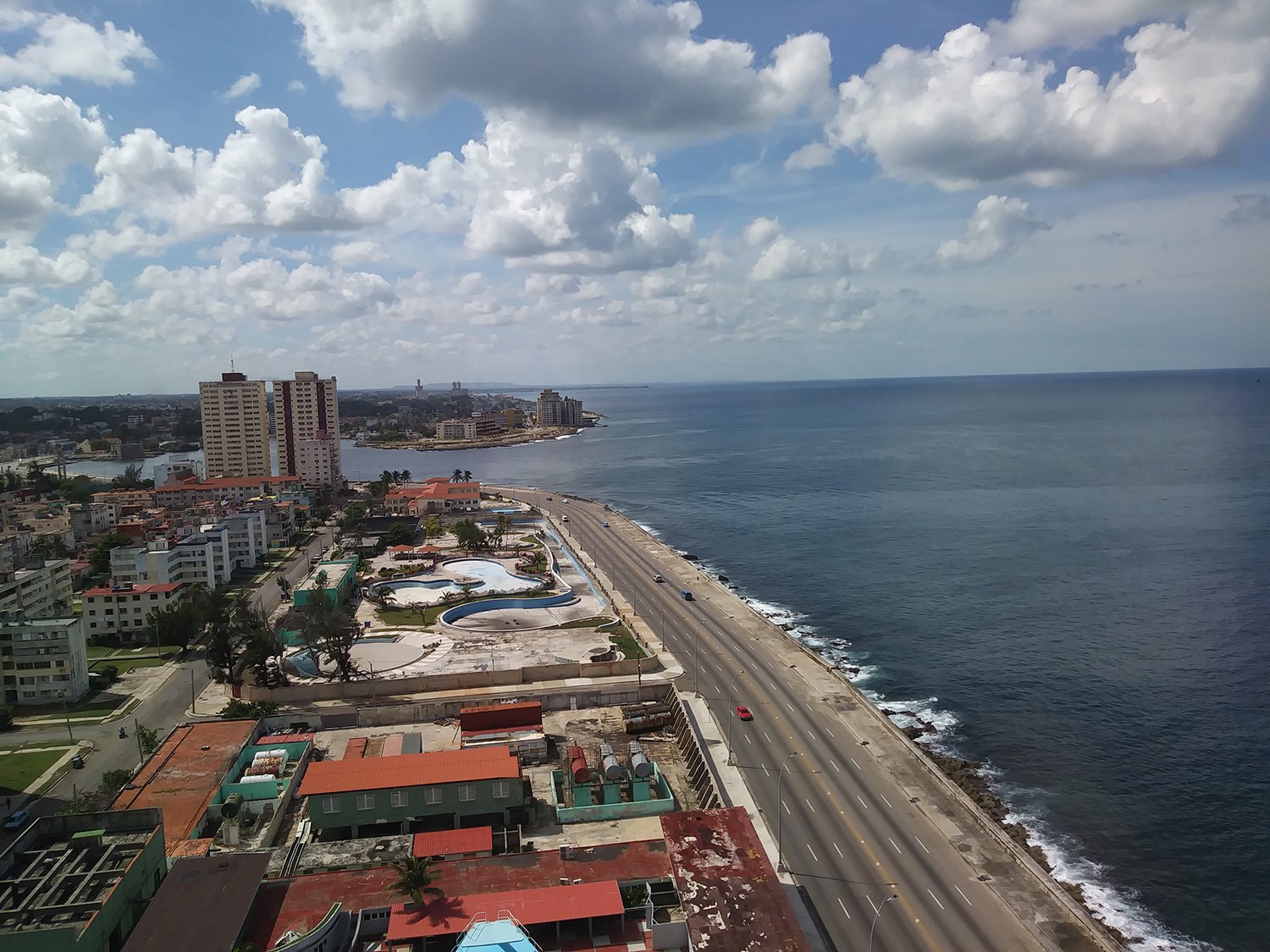
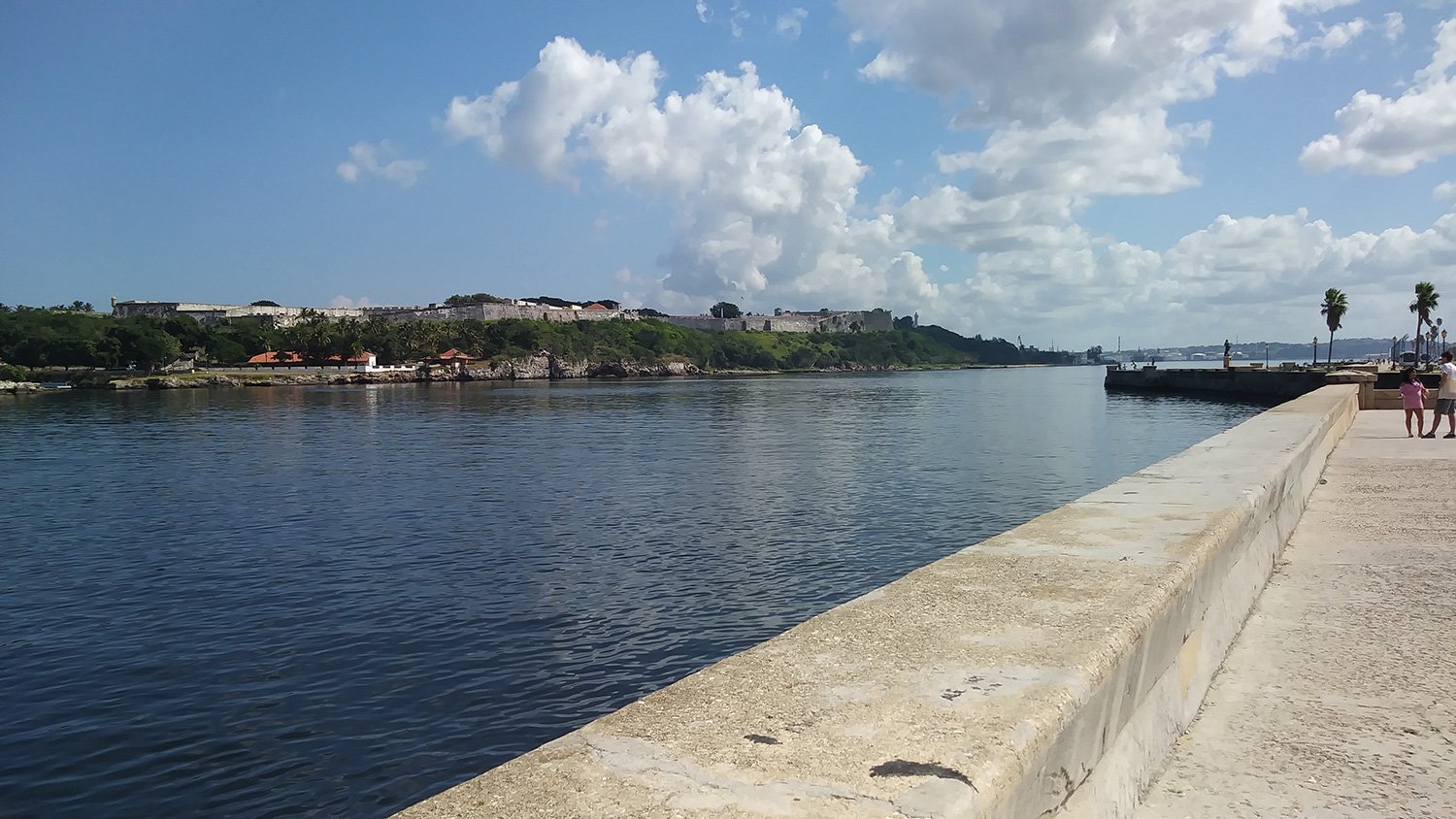
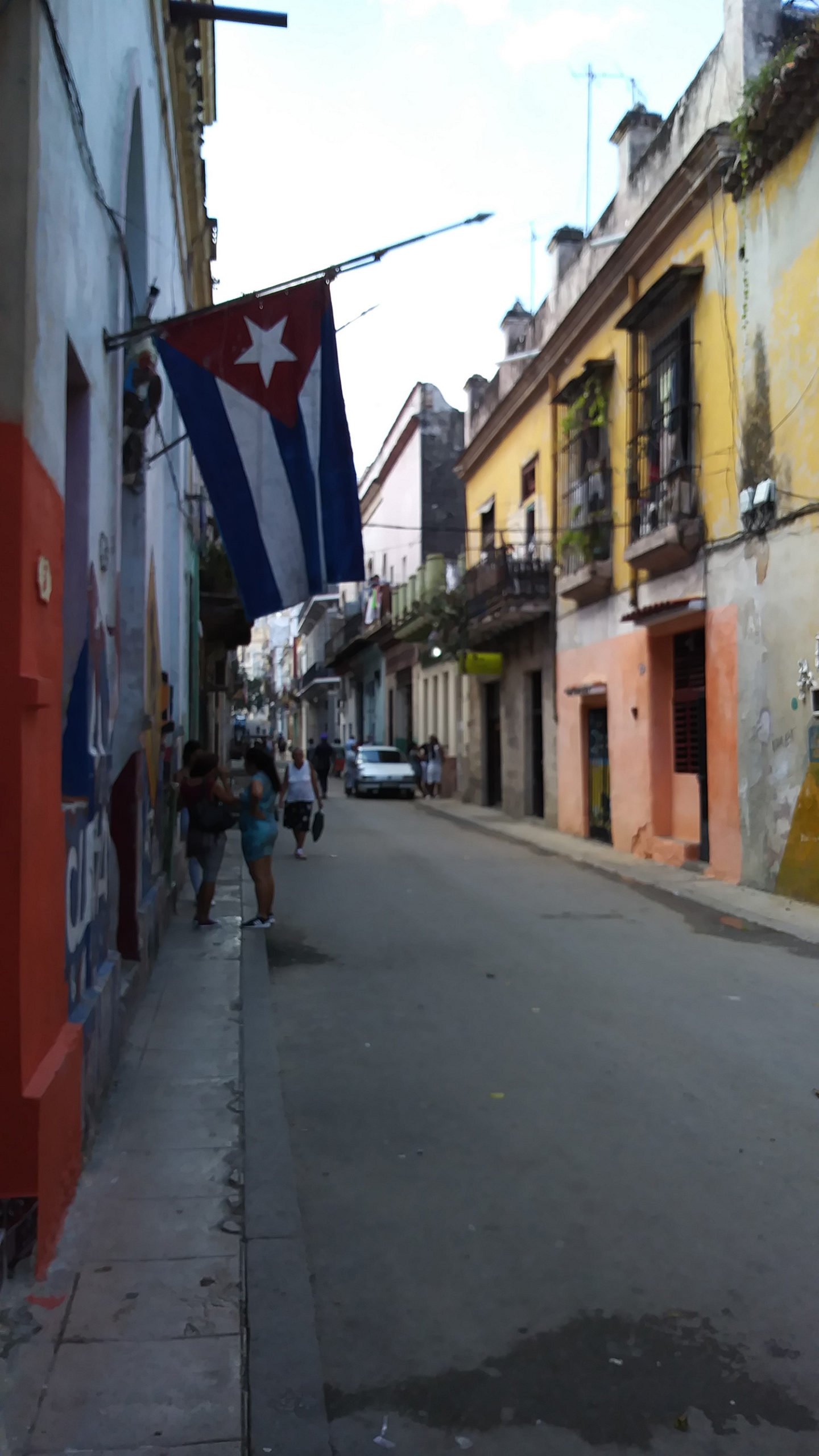
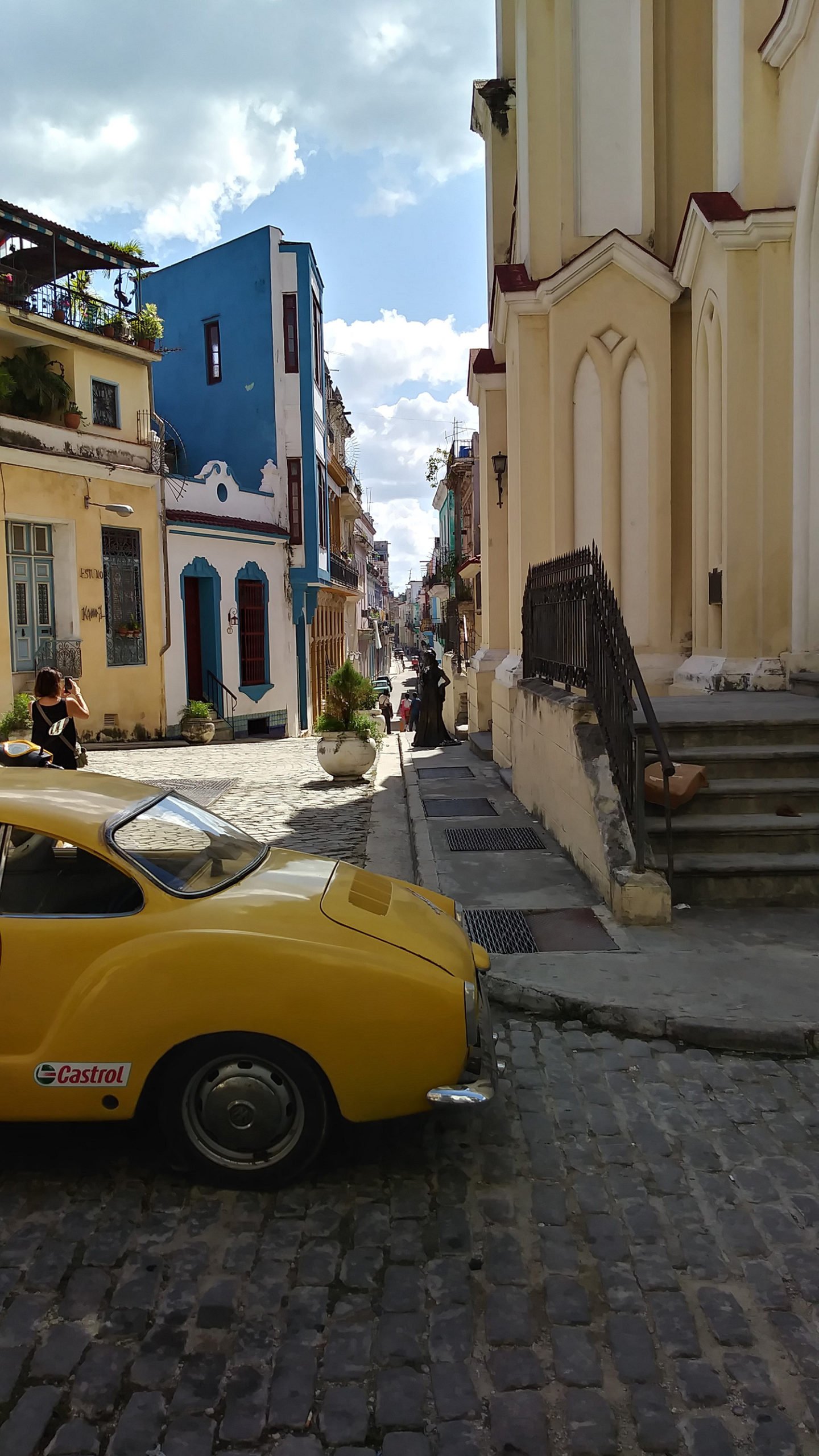
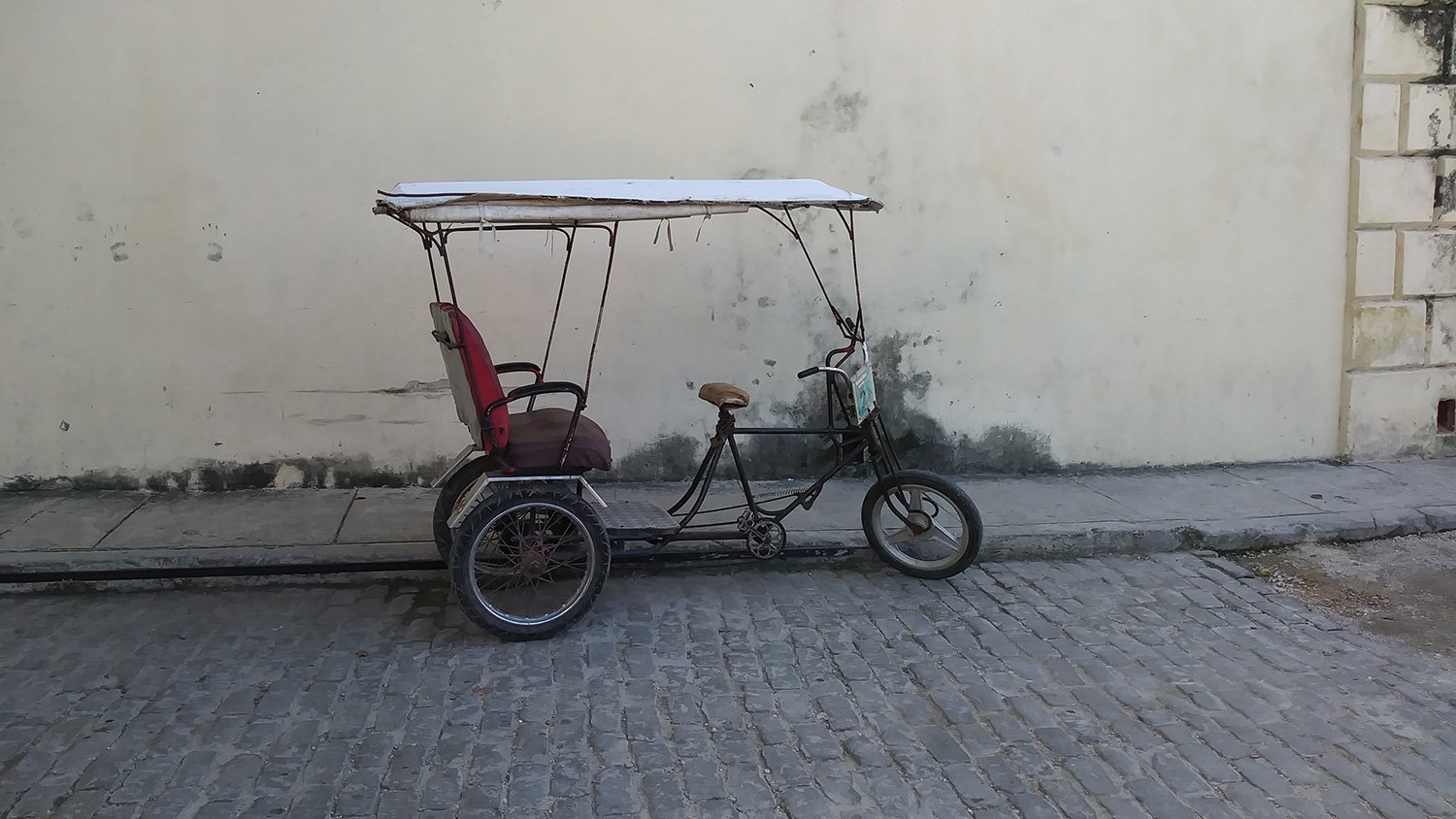
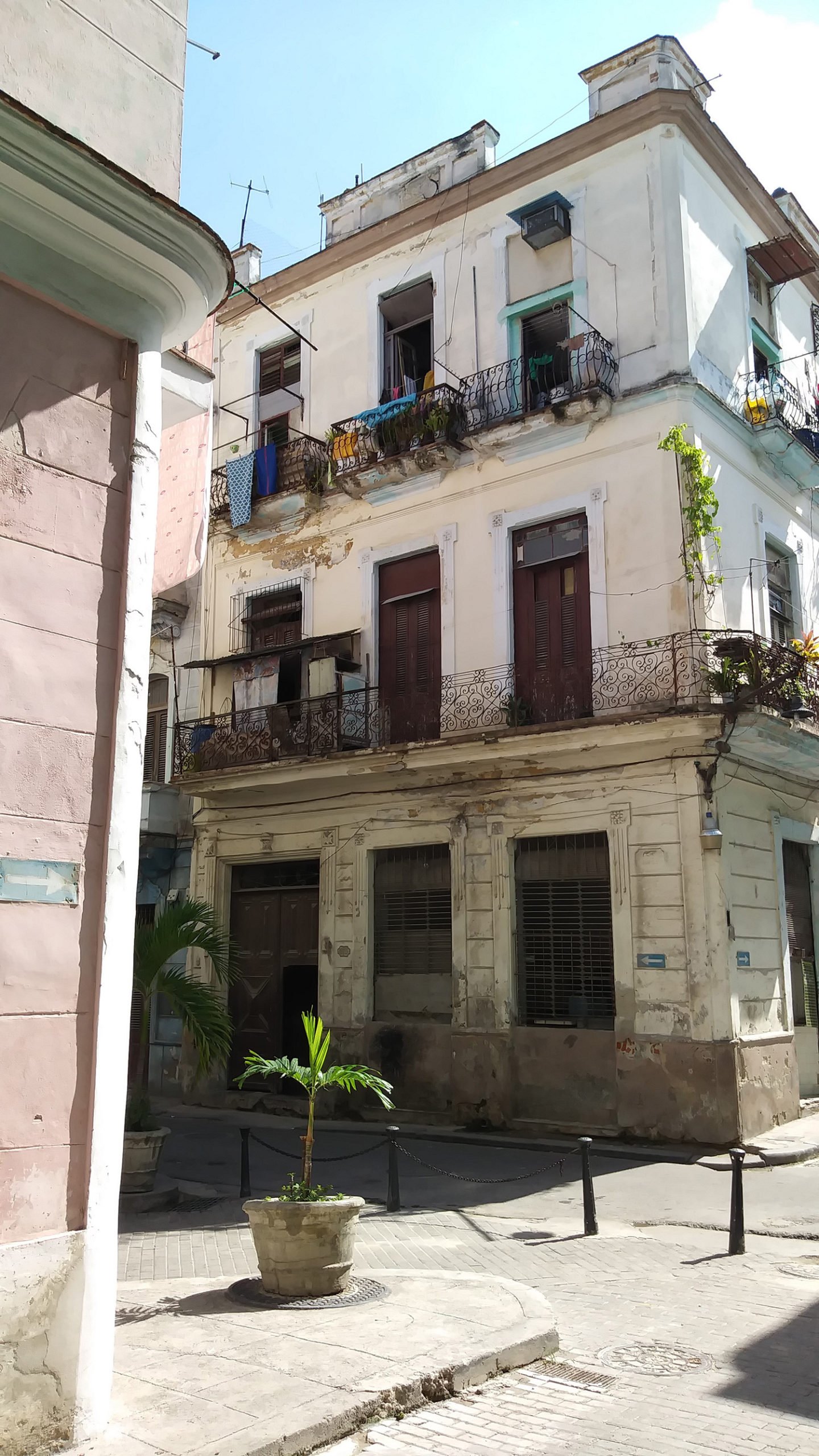
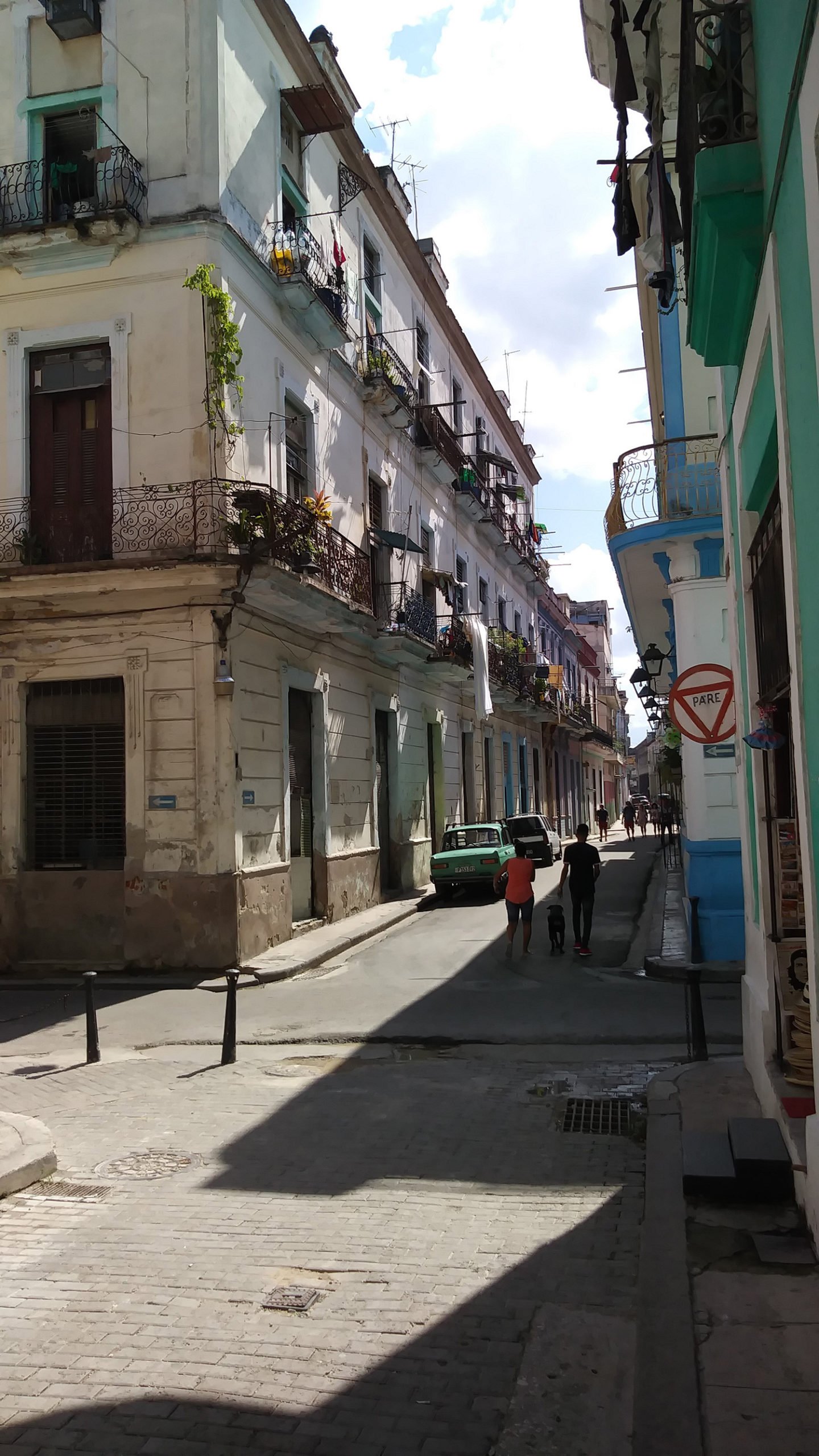
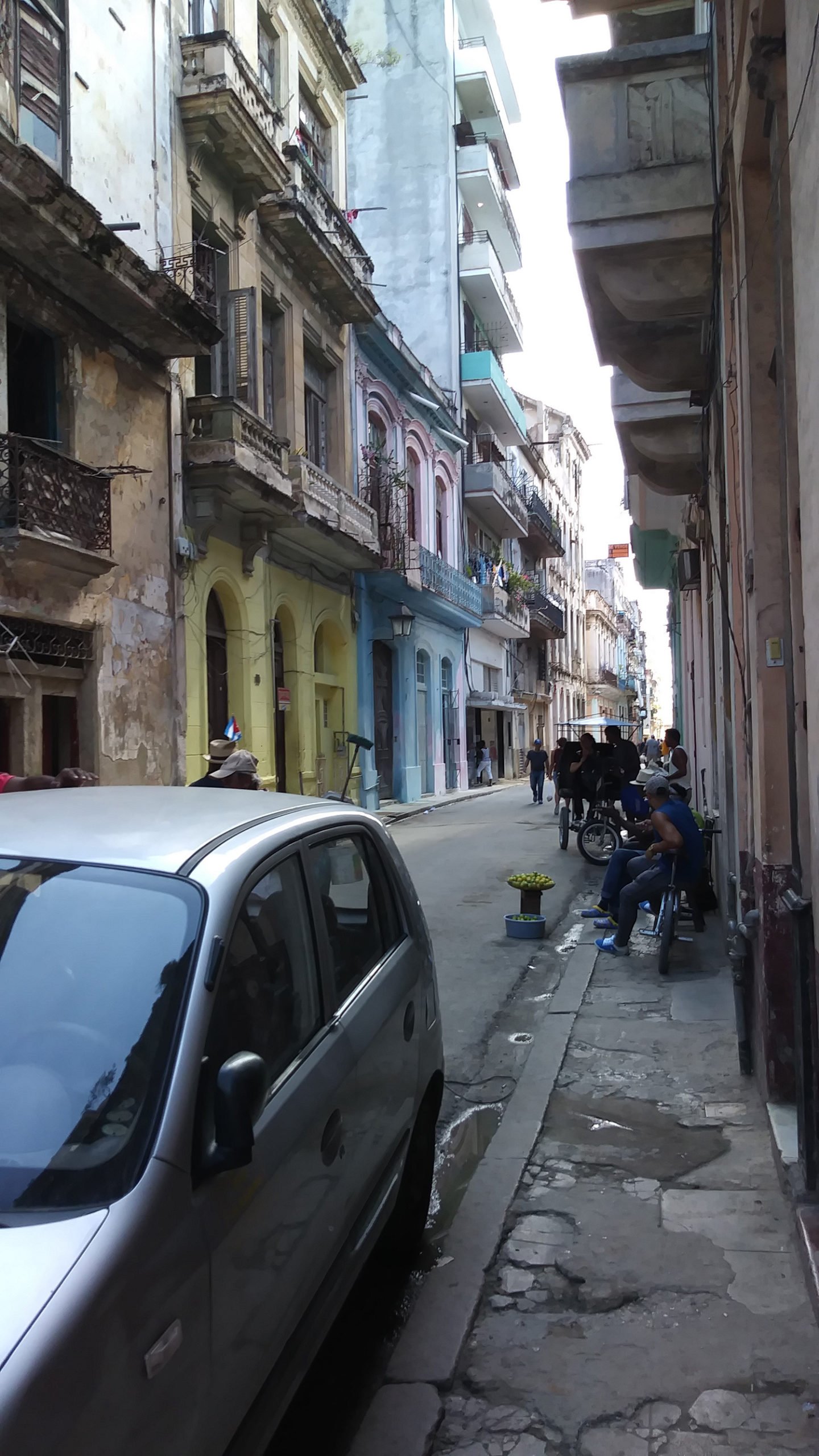
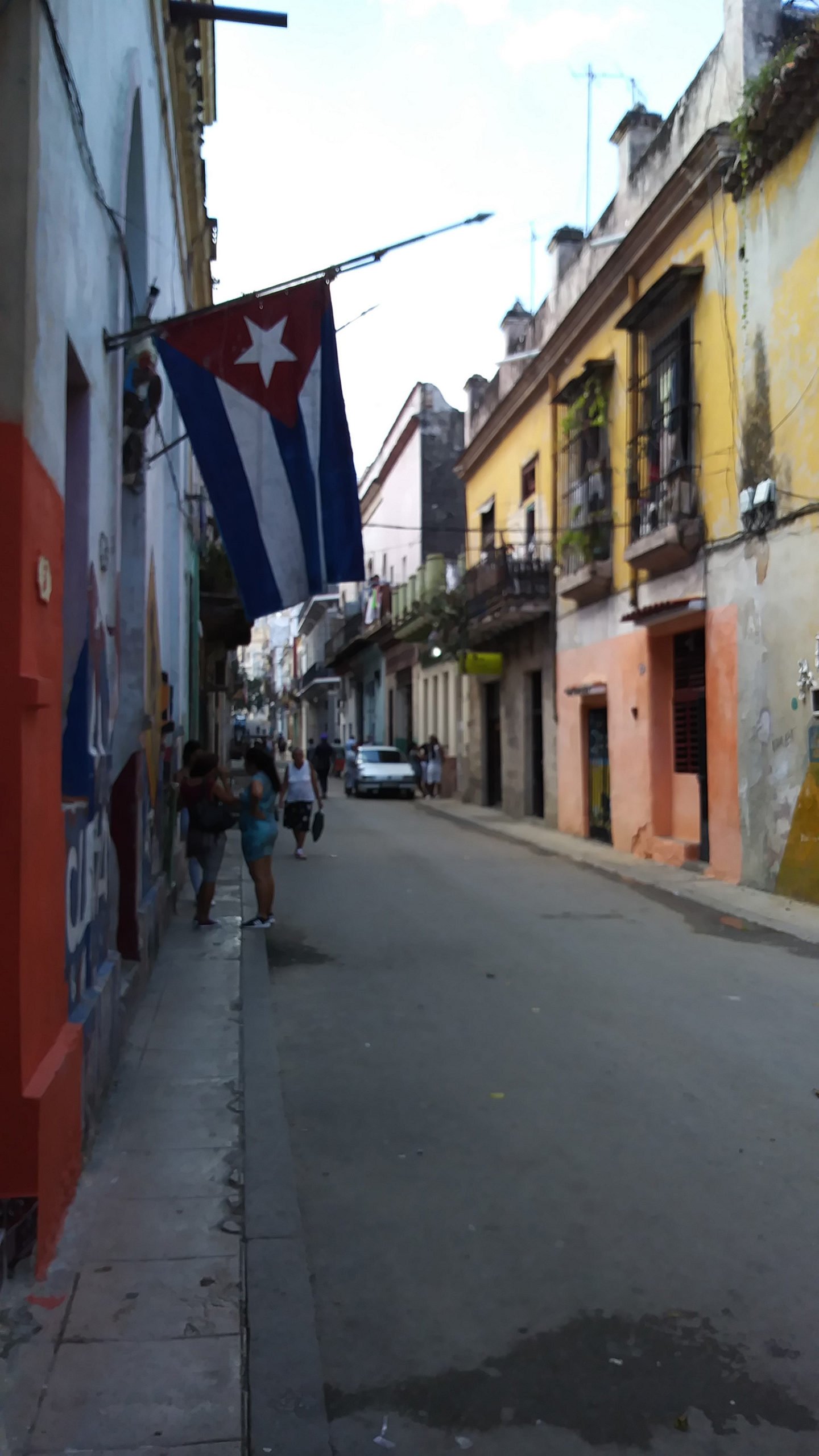
A few weeks ago I had the privilege to spend a week in Havana, Cuba. I was tagging along with my wife as she was attending a Pan-America Nursing Conference. While she and her colleague attended the conference during the day, I explored Havana. The week was amazing.
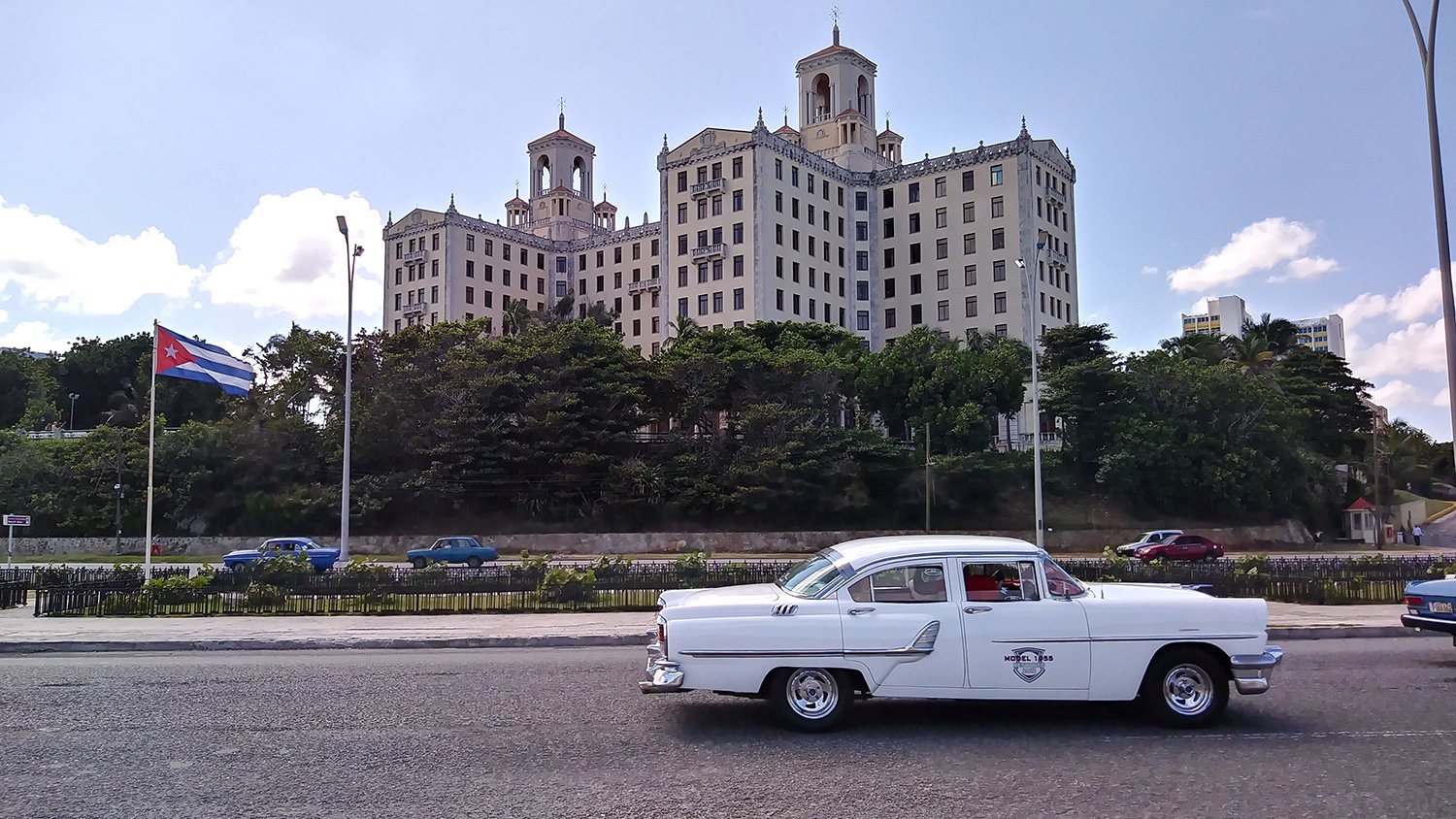
Hotel National
People in the United States do not often think of the possibility of even going to Cuba. For so many years it was seemingly off-limits to US citizens, but in the last few years, midway through the Obama presidency relations “normalized” a bit – whatever that means. Getting into the country, flying in from Miami was no problem. A simple stamp on our flight boarding pass was all that seemed necessary. Checking the the box “cultural education” seemed the obvious choice but nothing was questioned. The usual custom form. Welcome to Cuba.
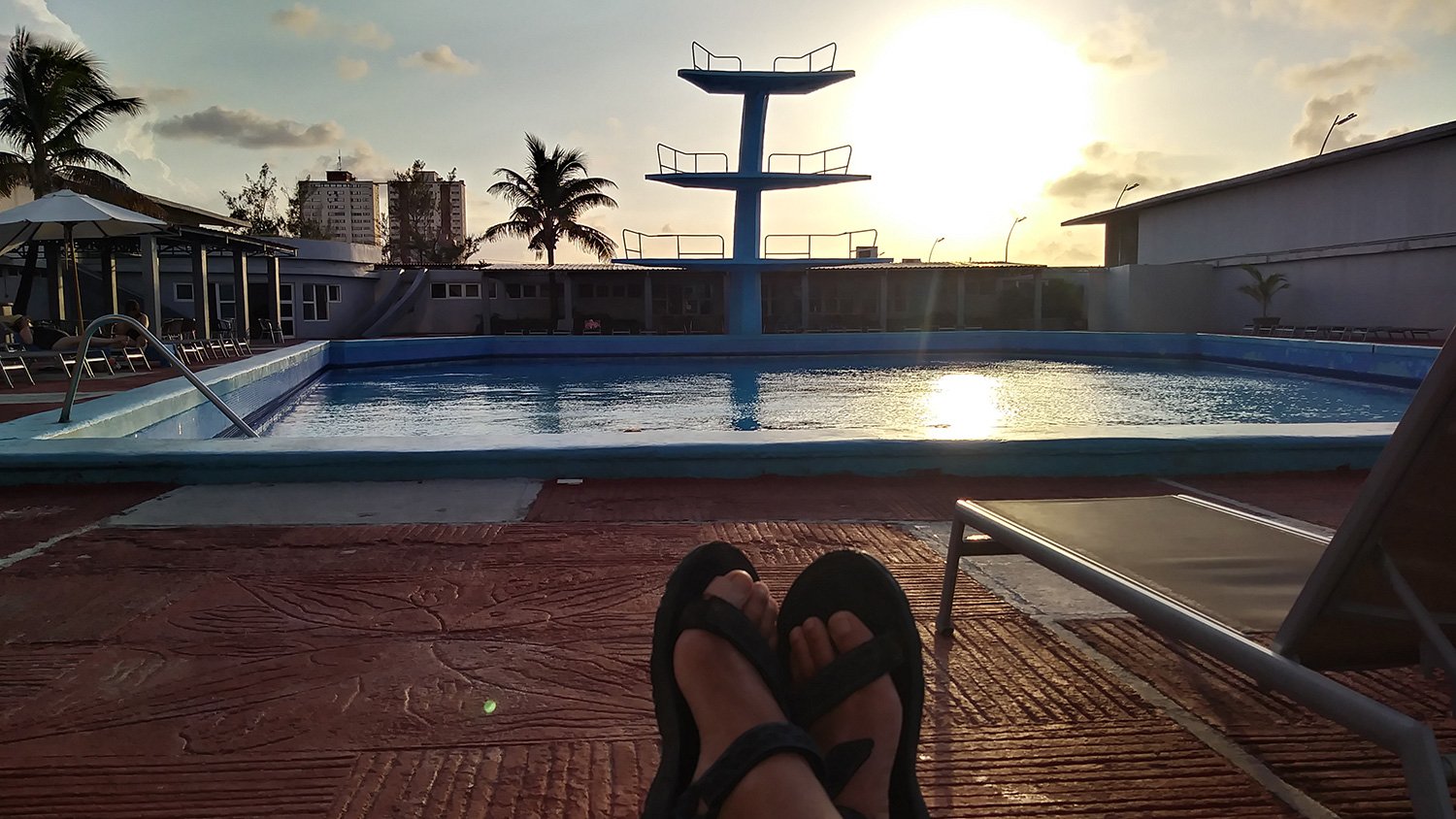
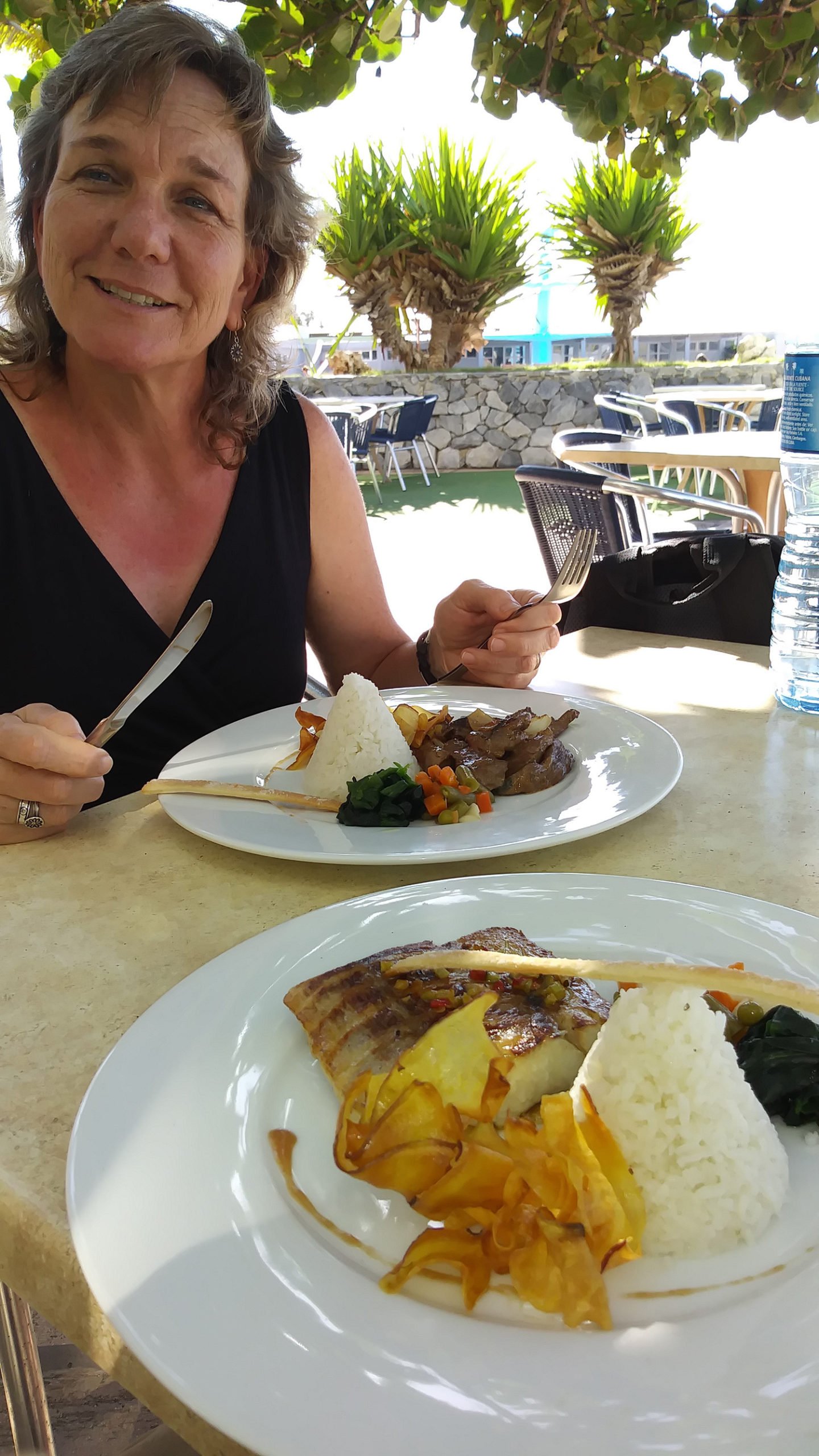
We stayed at the Hotel Riviera about three miles west along the ocean of central Havana. I can unequivocally say that the Hotel Riviera is a great place to stay. The rooms are fantastic. The staff is incredible. The pool is awesome. The buffet breakfast in the morning is awesome. When we left, we felt that we were saying goodbye to good friends and this is a hotel with hundreds of guests and 20 floors of rooms.
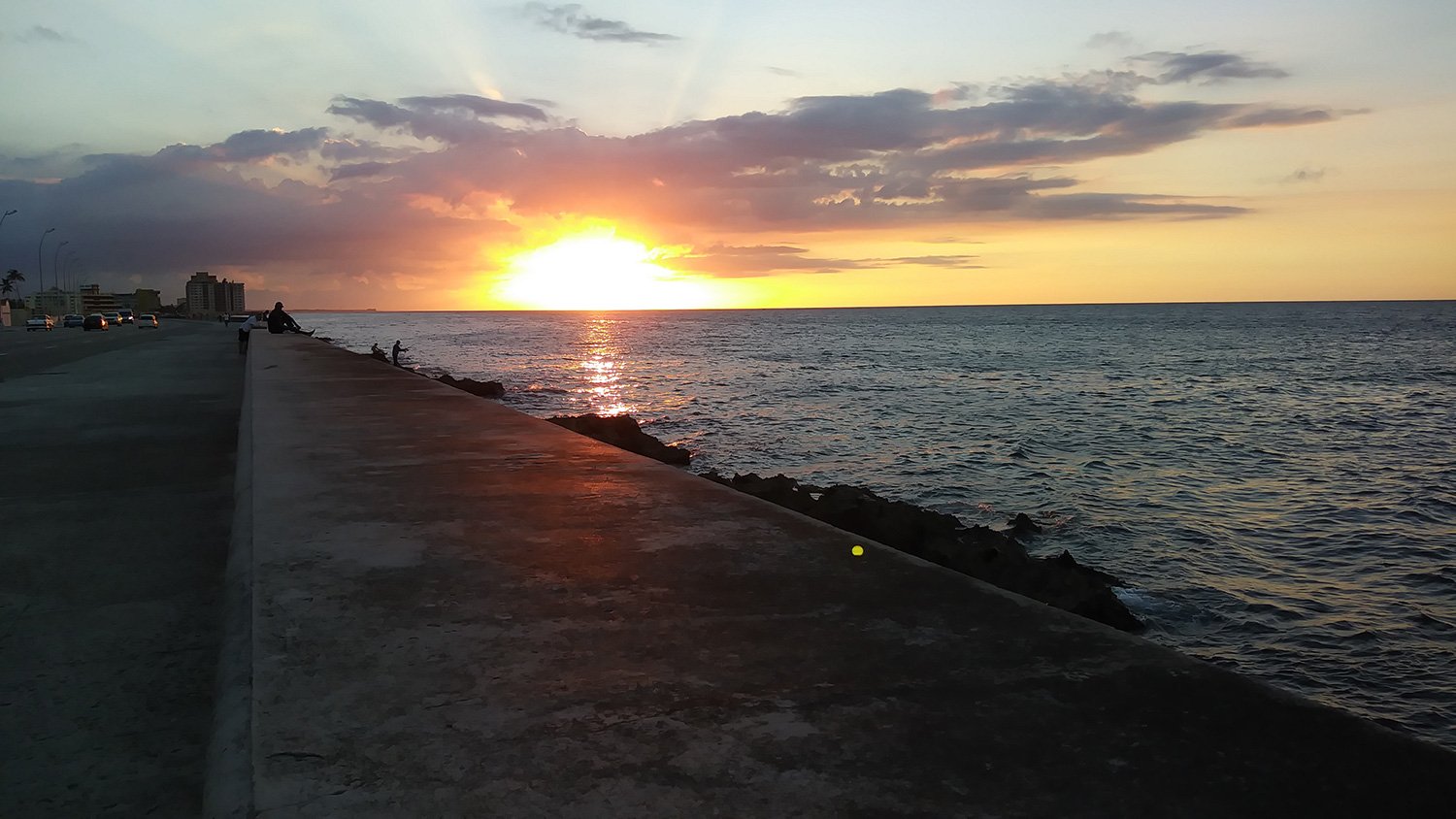
My main route into town was along the Malecon which runs along the entire north side of Havana. We walked this many times. It is a colorful place. The people. The architecture. The people fishing off the wall. Not far from the Hotel Riviera is the US Embassy.
Us Embassy in Havana
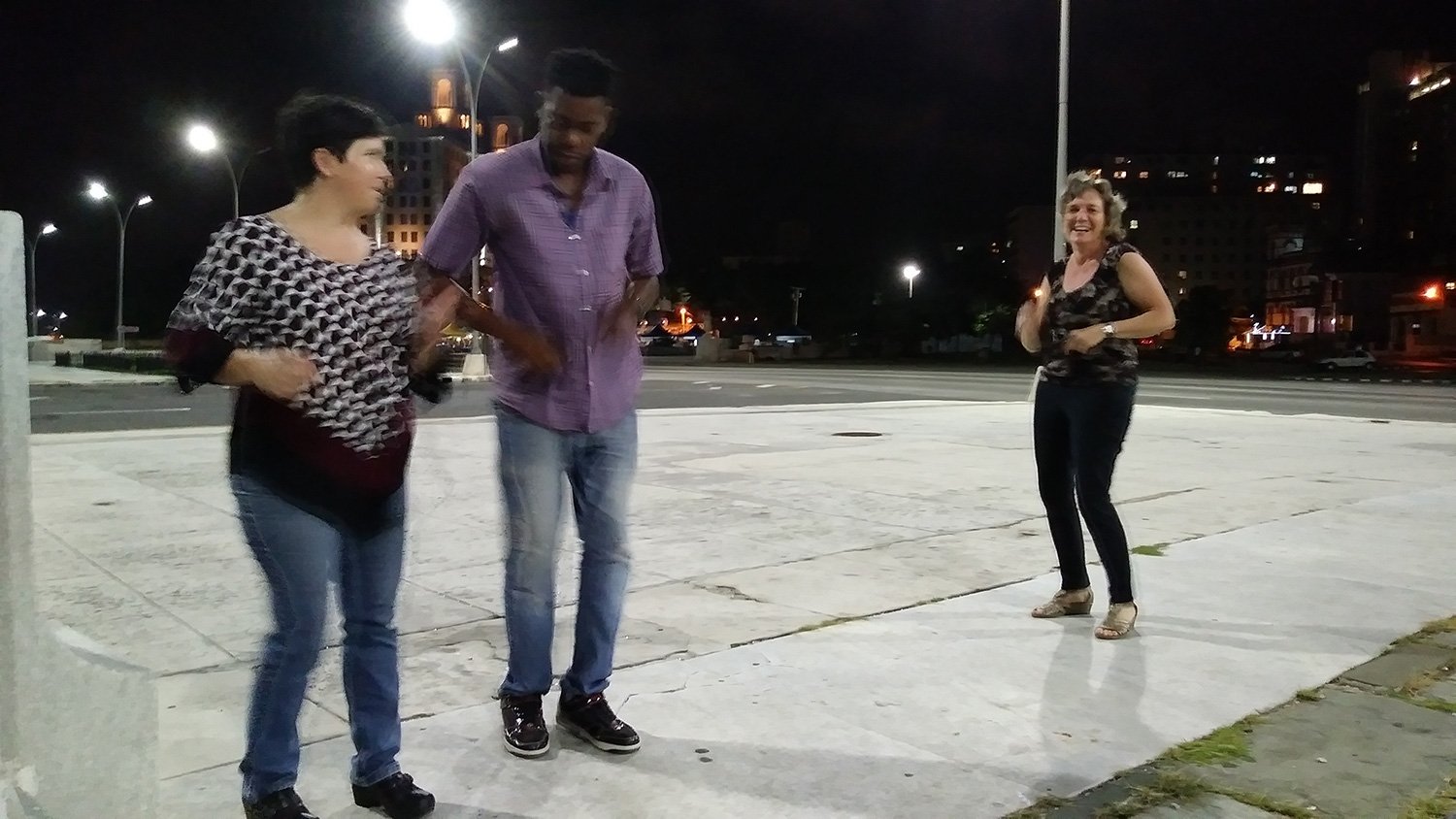
Recently there was a issue with these mysterious waves of energy that were targeted at US Diplomats and people in the CIA. At the time I did not think about that at all. Along the Malecon you would see trumpet players, even trumpet sectionals rehearsing, impromptu parties late into the night with live music, young lovers watching the sunset. Often when walking this route someone would walk along side you and start up a conversation. “I work as at biologist. I make $50 a month salary.” Eventually the conversation would end up at “can I get some money for milk for my kids?” This is what we soon realized was what we called the “Cuba tax.” Of course as the week went along we figured out how to avoid or ignore this scenario.
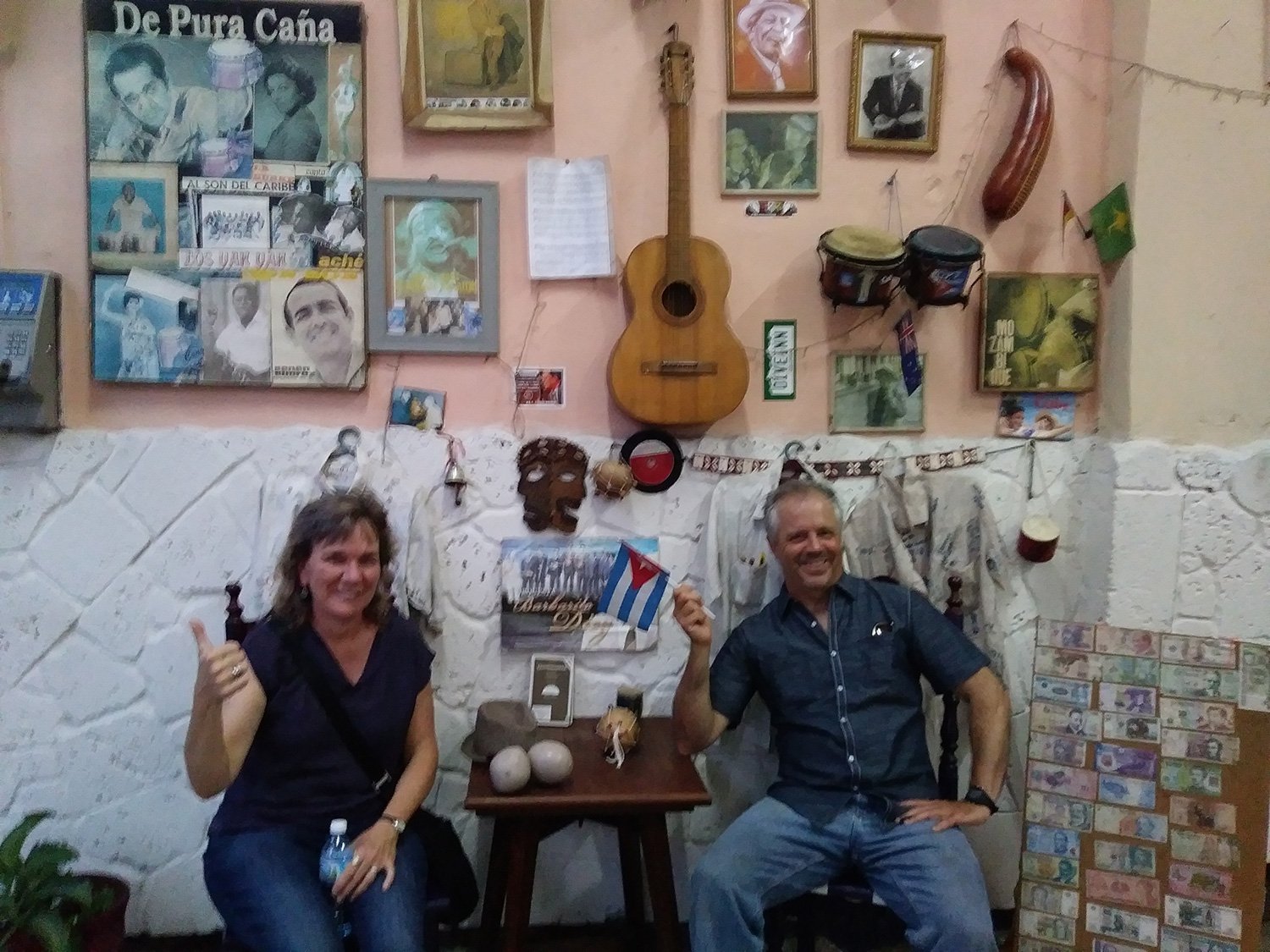
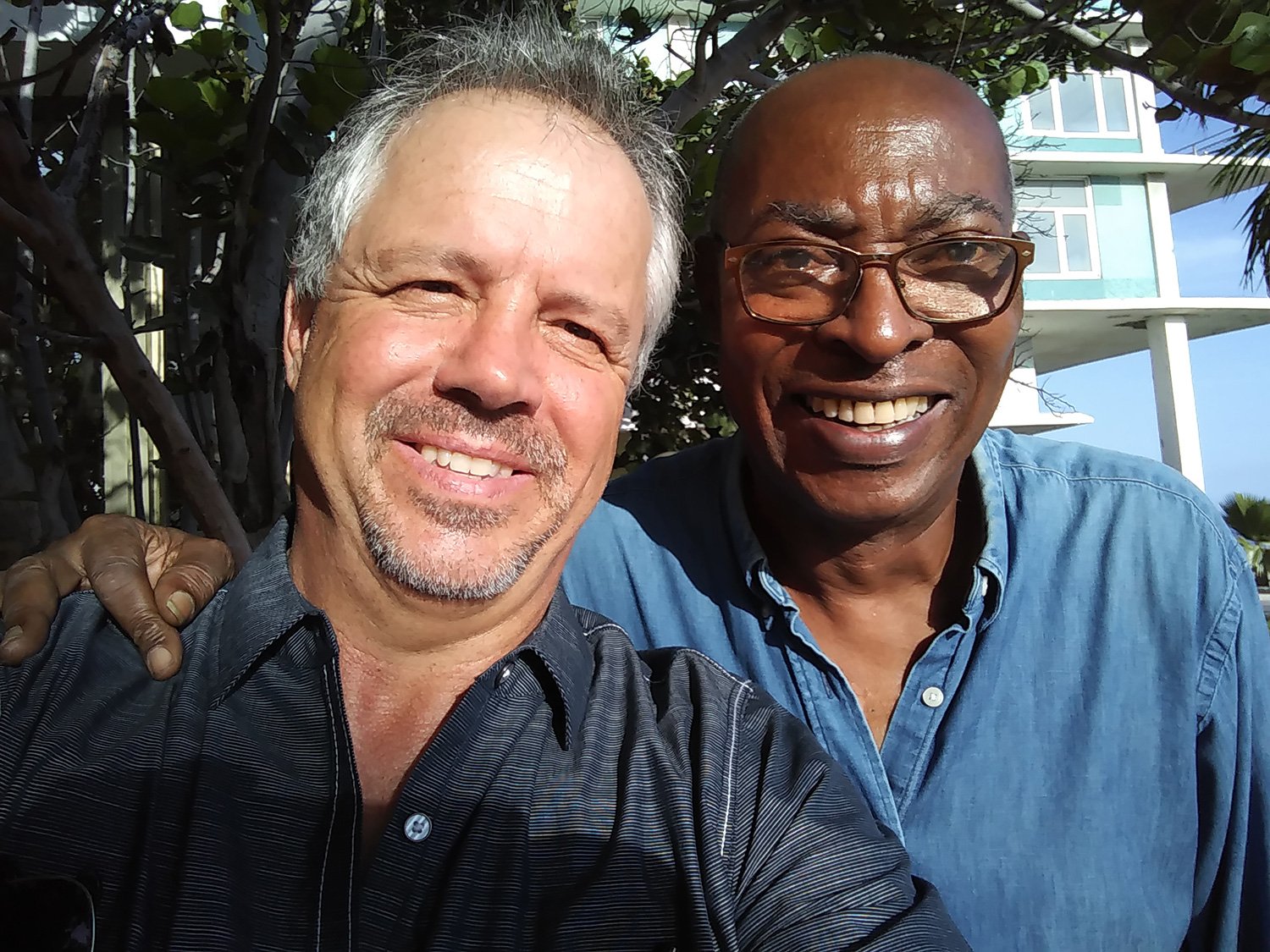
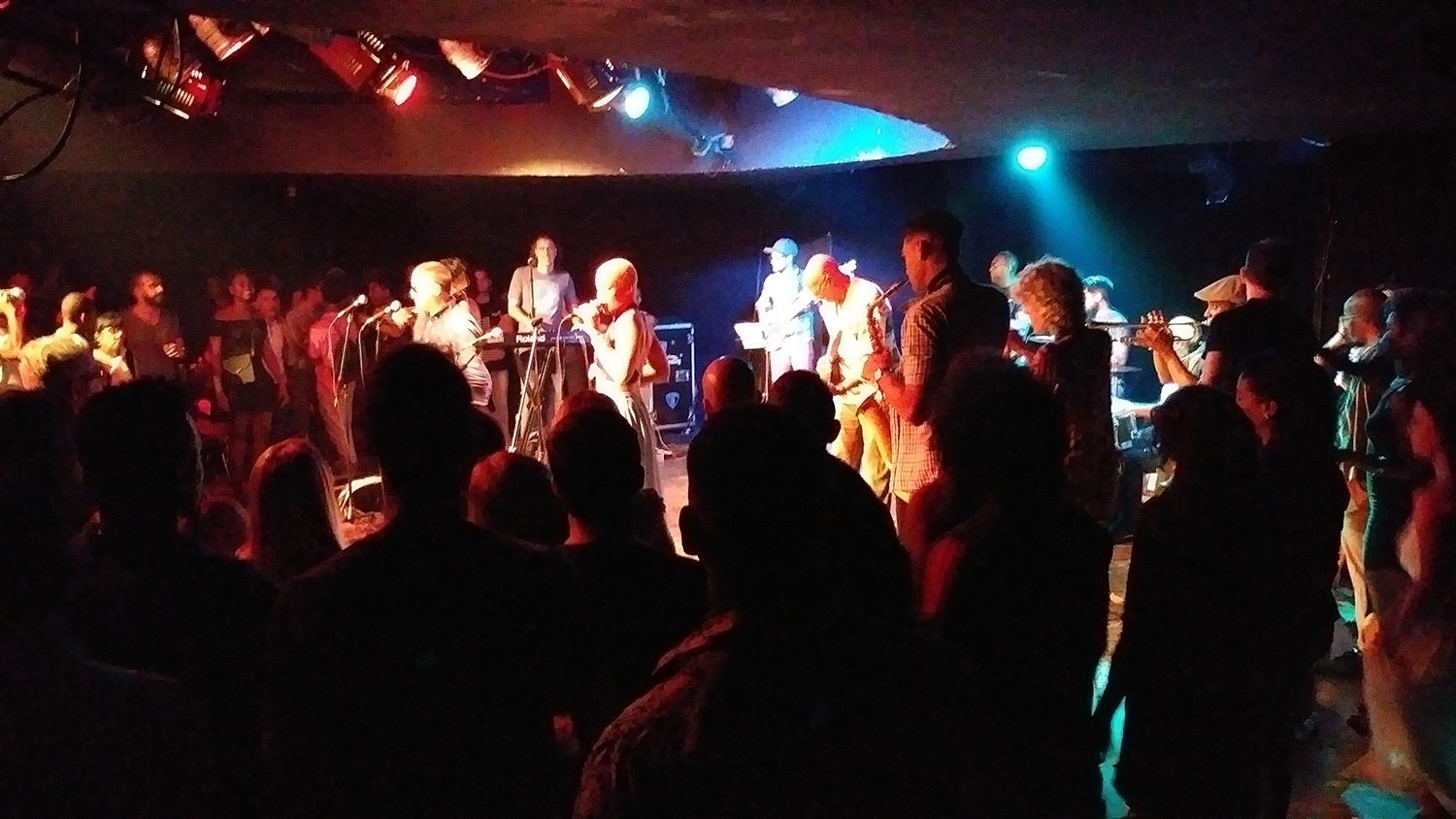
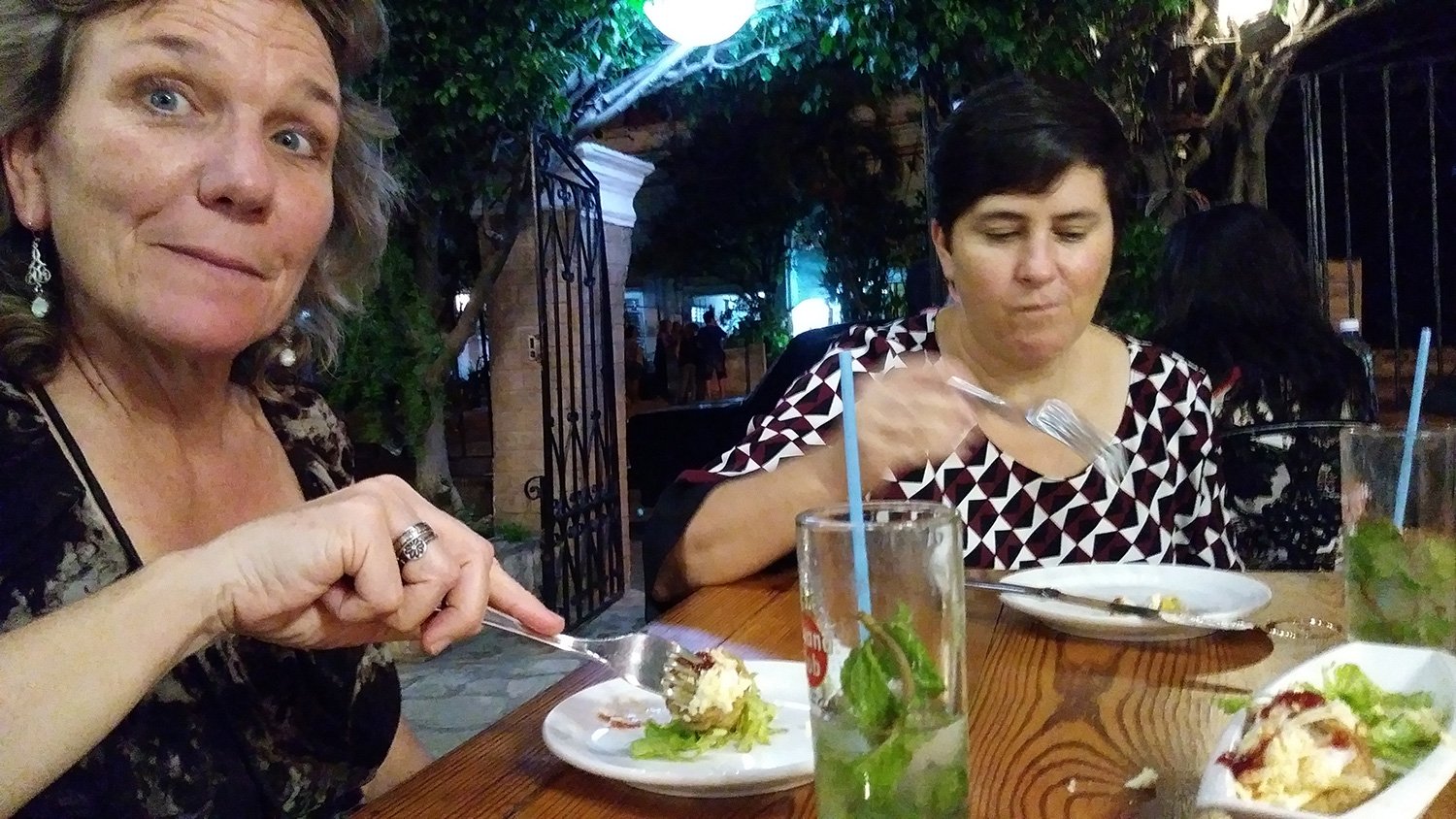
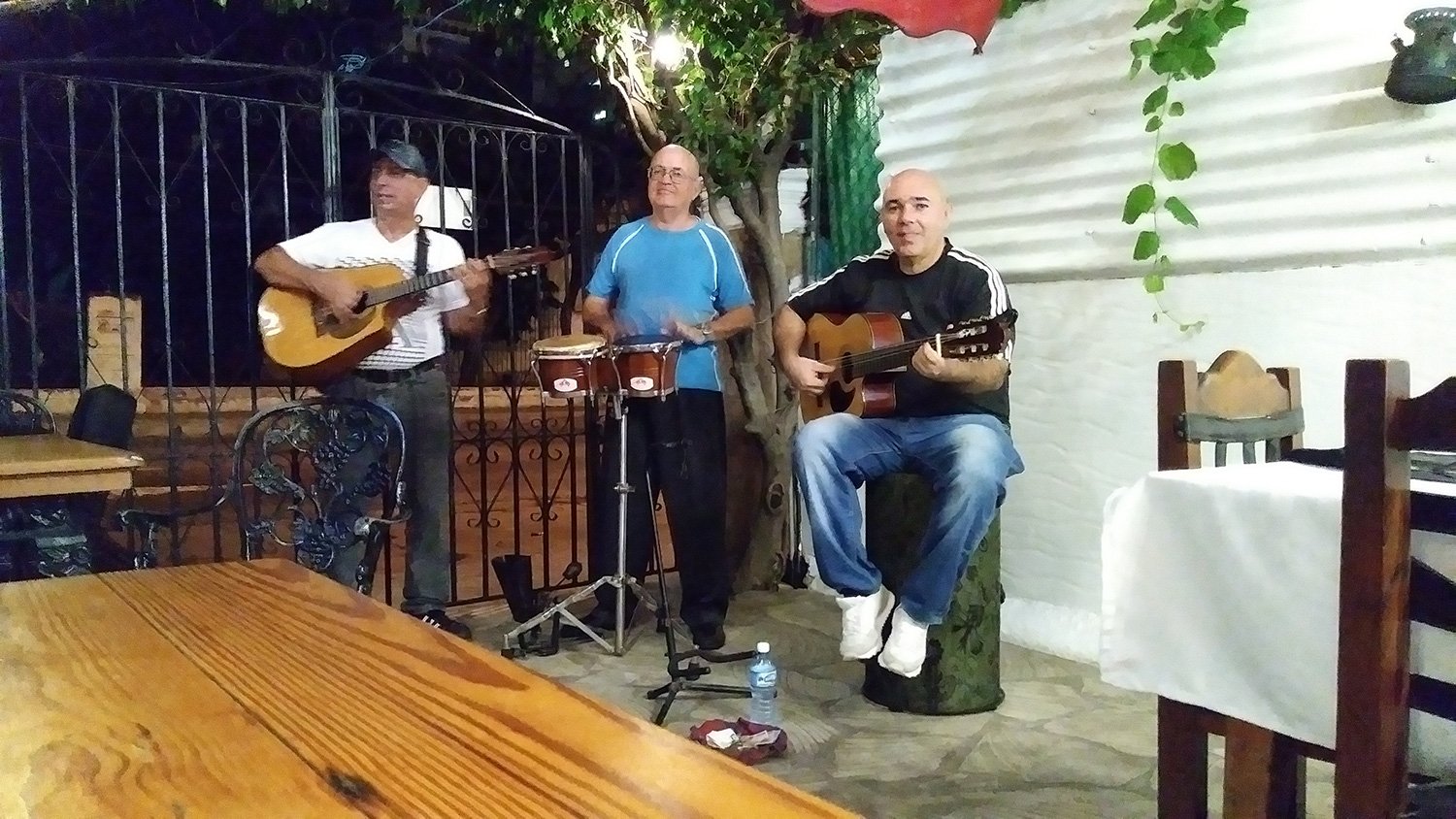
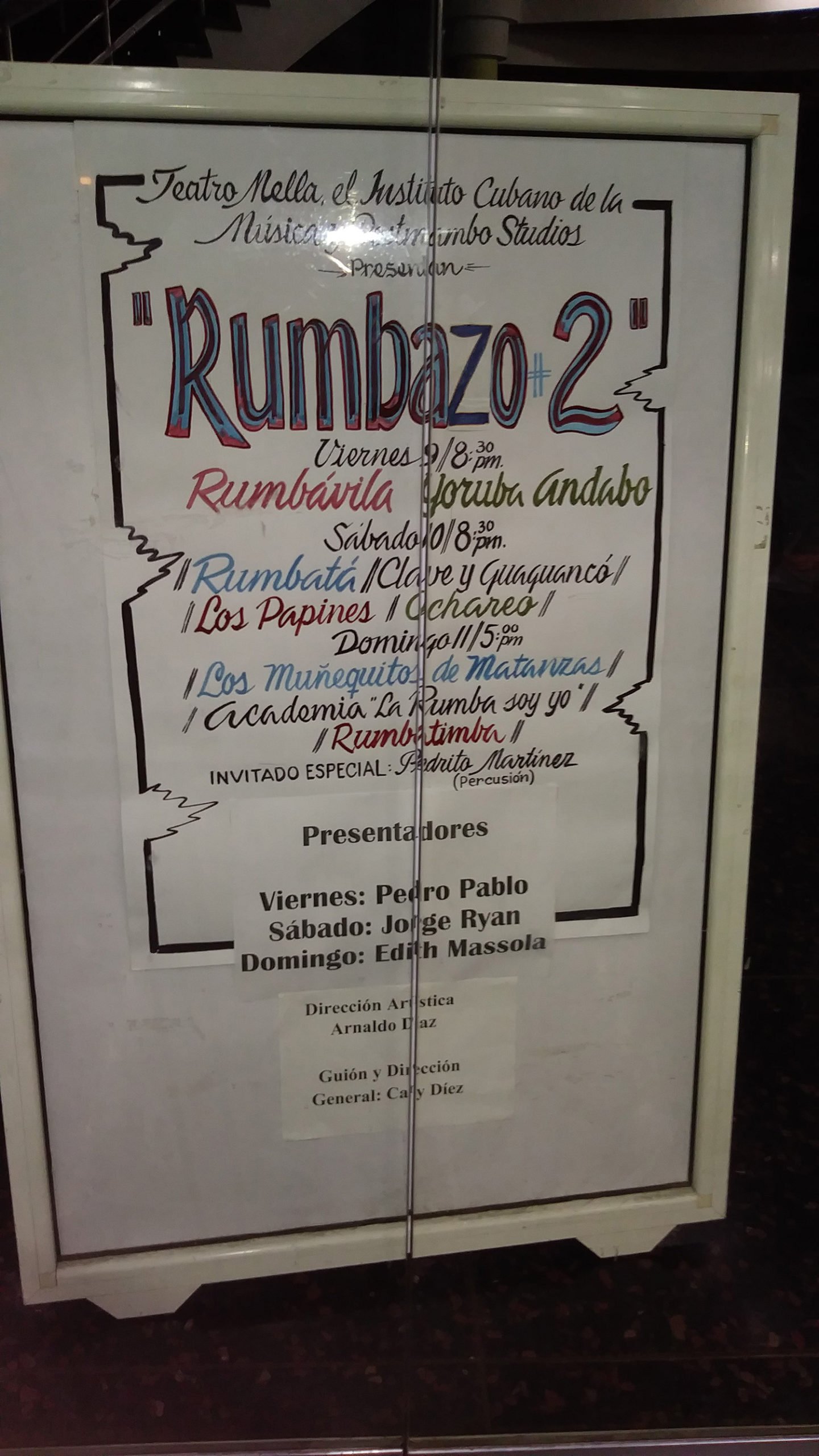
I saw Havana Vieja, The Museum of the Revolution, Hotel Nacional, Jose Marti’s birthplace, the Revolutionary Plaza. At nights we would venture out and hear some great music. The first night at a neighborhood social club, where in the back was a 12 piece Son band. Four trumpets invigorating themselves between mambos with a bottle of rum. Passing it around like a bunch of teenagers. The bass player, playing a home-made baby bass – in the pocket and swinging hard, maybe a little bit more modern than the style dictated but he was in his 70’s so who is to say. Other nights spent at an extraordinary rumba concert where even Pedro Martinez played a solo set. A late concert with the group Interactivo that was fantastic. A few sets on the top floor of the Lincoln Hotel listening to the Septepto Nacional, a traditional son band that is an internationally touring act. All of these events and contacts courtesy of my son Kai who has blazed the trail in Cuba the last few years and made many friends. Special thanks to Koton, Bencomo and Gioser who’s friendship we value like family.
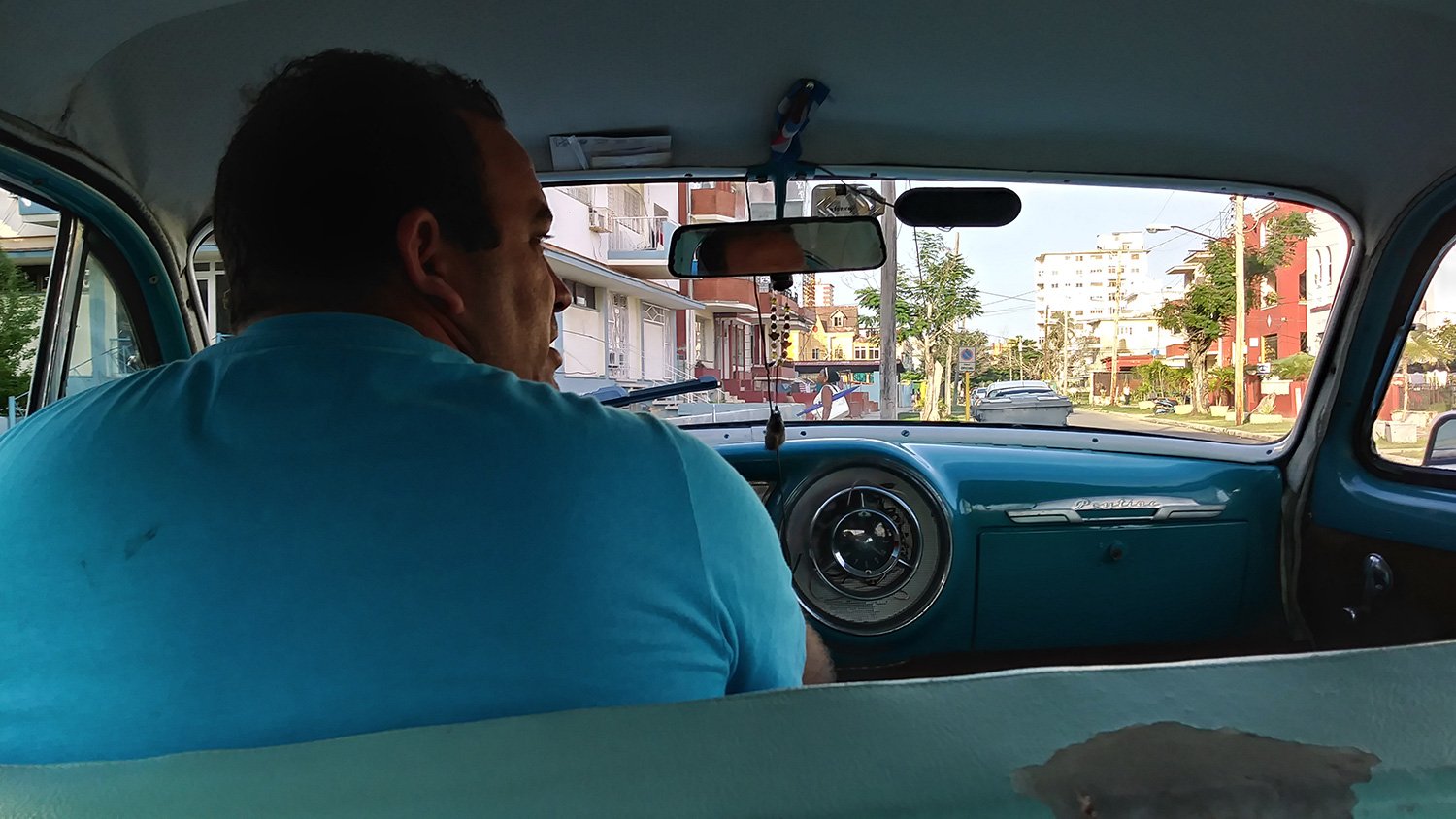
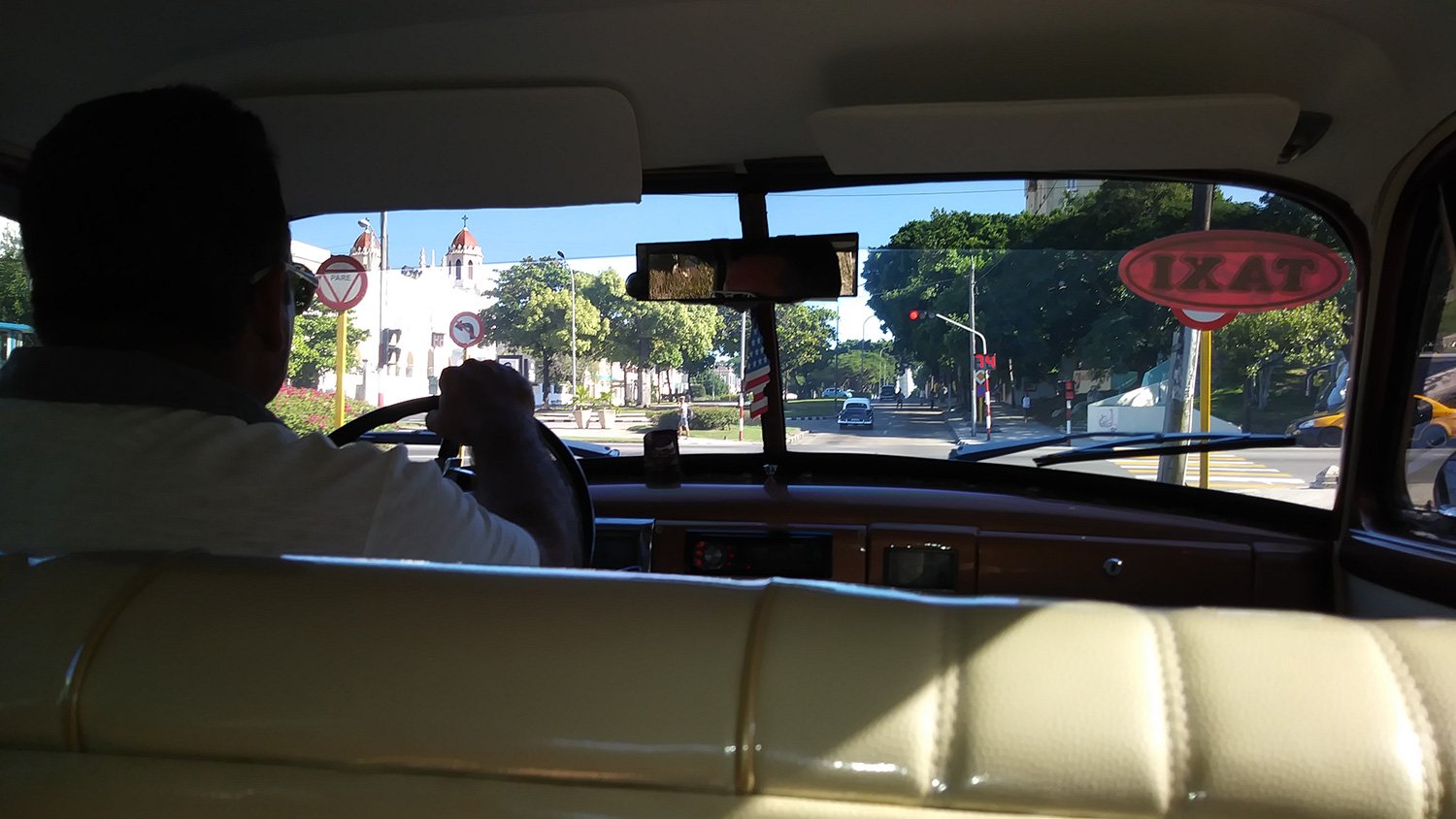
Of course for people from the US, just seeing and driving in all the old Chevy’s, Fords, Plymouth’s from the 40’s and 50’s is a treat. There is something a bit ironic about that fact that cars in the US now last often only 10 years. The old cars in Cuba are over 70 years old and probably because they were made to last to begin with they keep them running out of necessity. Often, they are completely reupholstered and the drivers consider them like a novia.
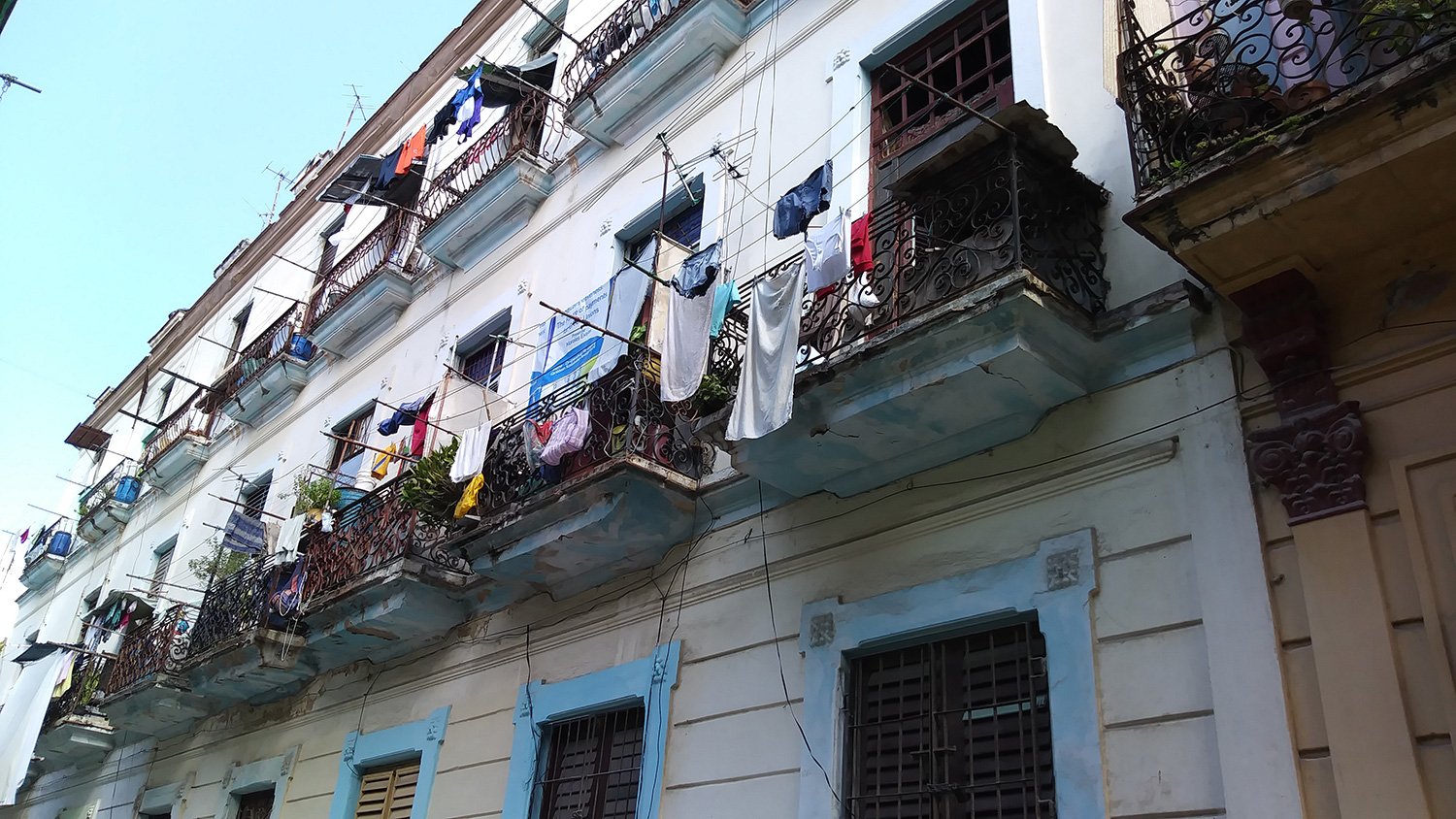
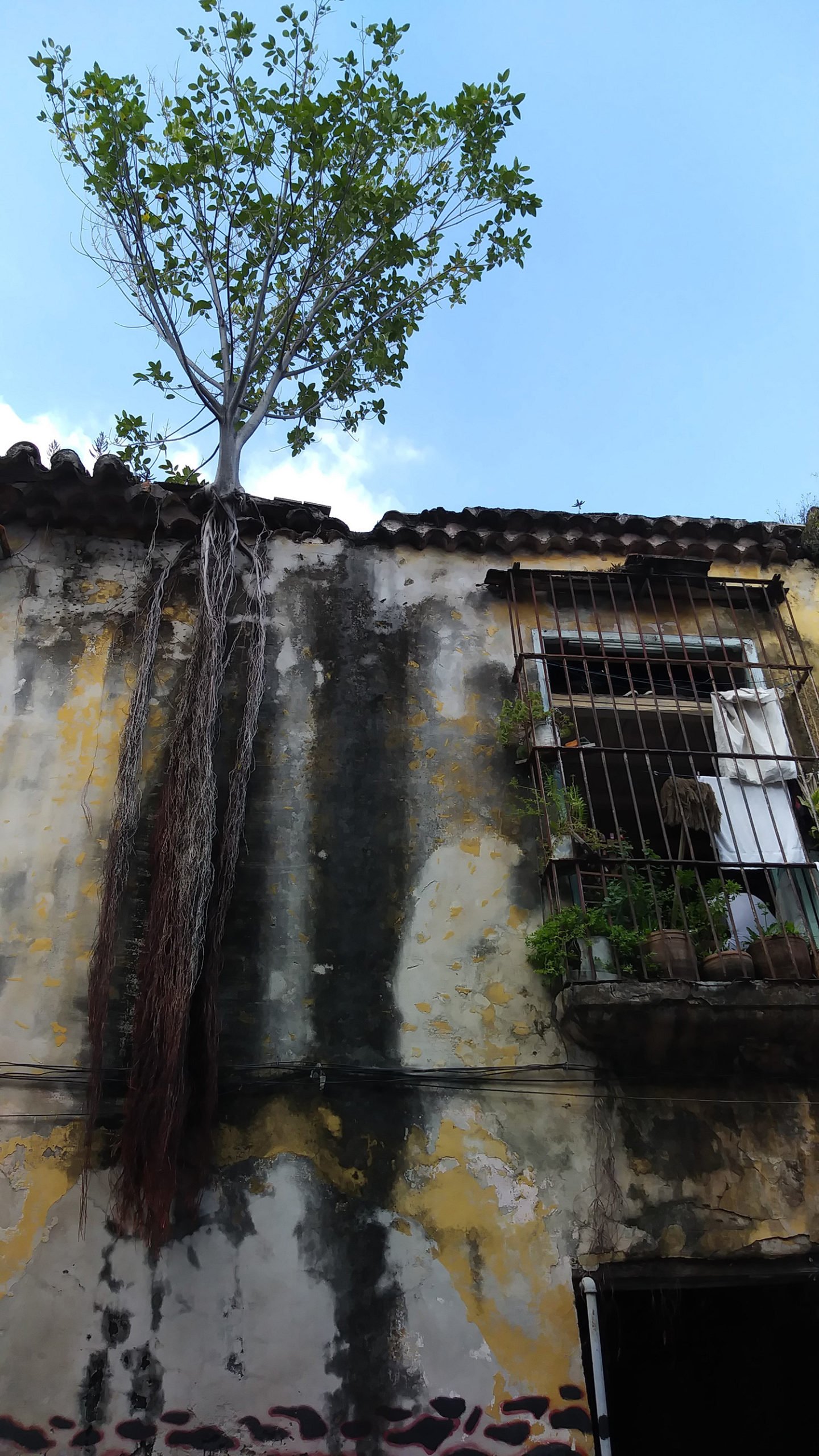
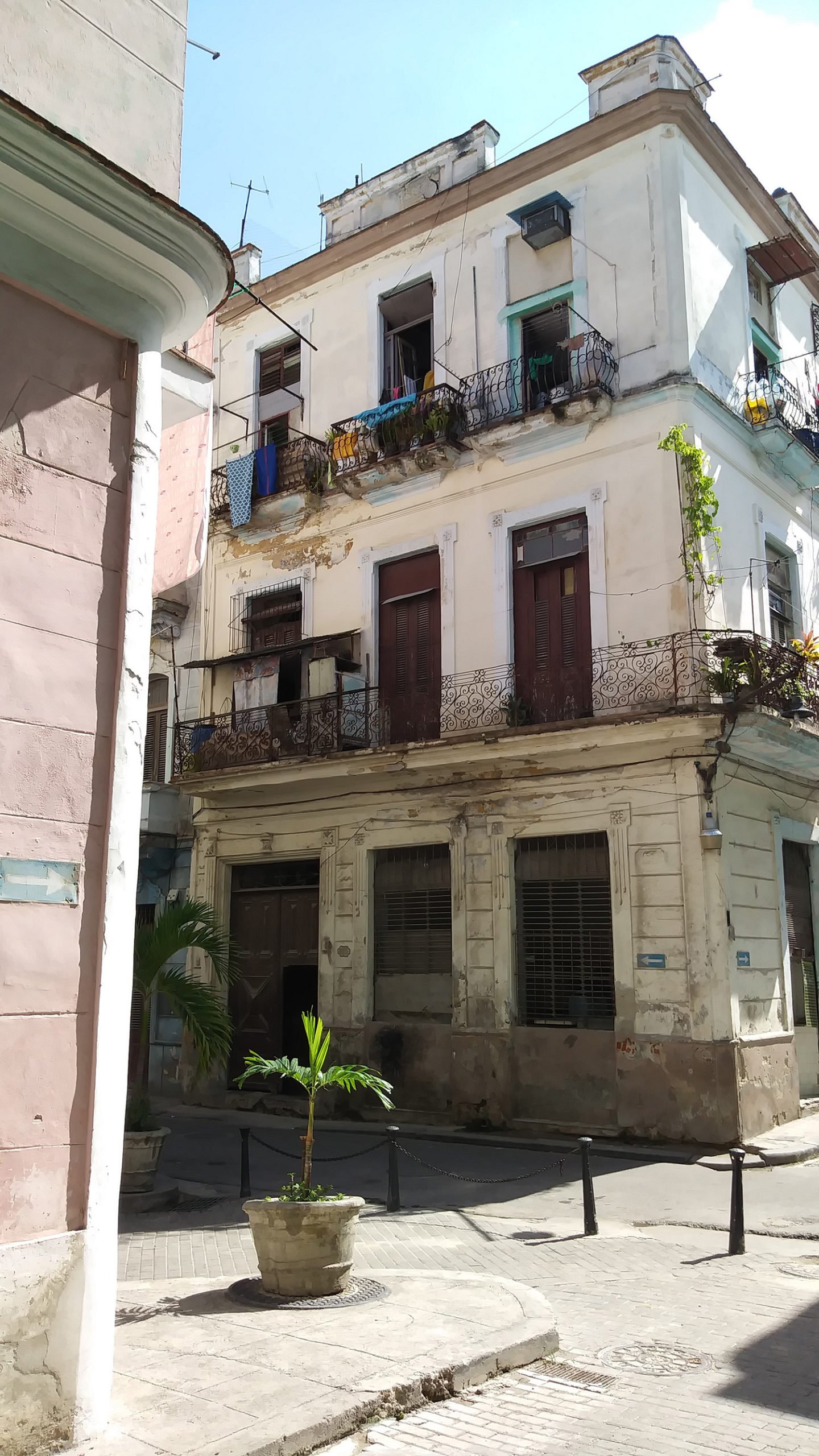
The historic city of Havana is a beautiful place even in its crumbling decrepitude. Buildings are literally falling down. Balconies are falling off. People live in these 400 year old structures that are definitely not safe.
For a week after returning from Cuba, I could not help but think about the people and geography. Visit Cuba. 25 miles from the US mainland, it is a world way.
If you want to see an outstanding documentary to get an idea of Cuba, see Cuba and the Cameraman by Jon Alpert
“You know, whether you send a bomb or receive a bomb it’s important to remember that we have some very fine people on both sides.”
Albert Ross – Colorado
From comments to NY Times article After Bomb Scares, Trump Tries Bipartisanship, Then Blames the Media
Two weeks before the November elections and all kinds of stories emerge. We are guided by narratives which is really about shining light on certain realities. Assassinated journalists close to home reporting on events far away. Strange, explosive packages in the mail. Disenfranchised, vulnerable people migrating north from Central America in search of peace and opportunity. All events true and all extremely symbolic.
I cannot help but think what is the big deal about the migrants coming north. There are so many crappy jobs to fill in the United States of America that we should just open the doors and let them in. “Here’s a pizza and I think there may be a gig cleaning toilets at the Trump hotel or gardening at one of his golf courses. But be careful. Many people in El Norte are pretty stressed and on narcotics.”