If you live in San Francisco, check out Bird and Beckett Books. A great place to buy books and listen to live music.
Remember, before you buy a book from Jeff Bezos consider supporting your local bookstore. You get that warm fuzzy feeling just thinking that you may have kept a local business alive and you may even make some real friends.
When I was a younger man, but decades after the bombing of Dresden, Kurt Vonnegut was an author that people took seriously, but he was never taught in your English class. Too modern. Too rock-an-roll. Far too funny. It was just assumed that everyone read Vonnegut. The language was crisp, often ironic, sometimes funny as hell and always profound. The chapters always short, you could often finish a book in a day.
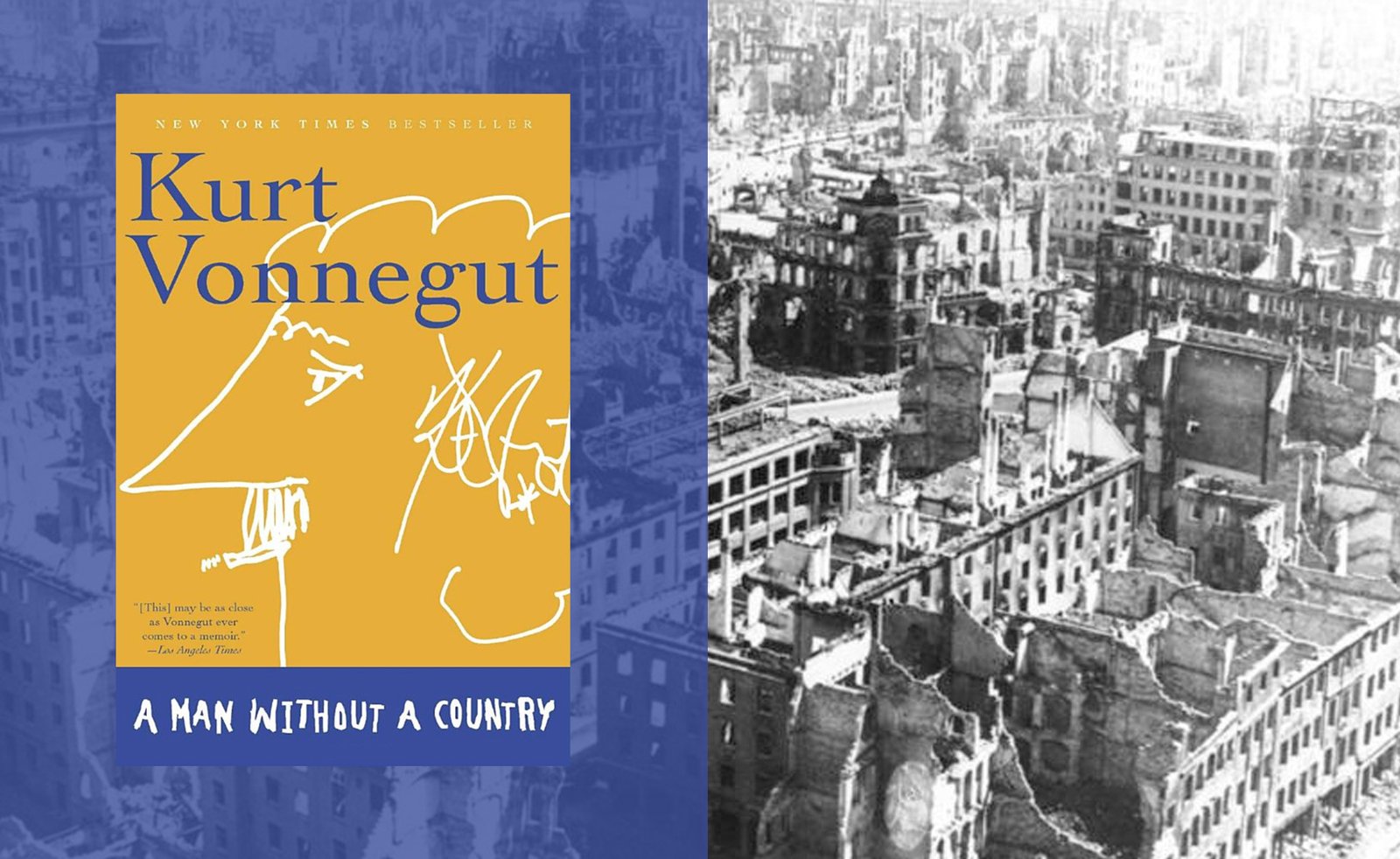
I finally got around to reading A Man Without a Country by Kurt Vonnegut. It was a gift from a dear friend and in the end it it made me reread Slaughter House Five and God Bless You Mr. Rosewater; I just needed more Vonnegut. I realized that all Vonnegut’s work is worth rereading. Slaughter House Five should be required reading in high school.
Electronic communities build nothing. You wind up with nothing. We are dancing animals. How beautiful it is to get up and go out and do something. We are here on Earth to fart around. Don’t let anybody tell you any different. – Kurt Vonnegut
A Man Without a Country is unlike any of Vonnegut’s books. He wrote it later in life when in his 80s. It is confessional and in many ways but a brief autobiography – a great place to get to know some of the core values that undermine much of Vonnegut’s work. Early on he recommends everyone read what he believes to be the greatest short story in American literature – An Occurrence at Owl Creek Bridge by Ambrose Bierce. You can download it as a pdf.
Do you think Arabs are dumb? They gave us our numbers. Try doing long division with Roman numerals. – Kurt Vonnegut
One of the reoccurring themes of Vonnegut’s life of course is World War II and the realization that World War II was fought, like all wars, by children. This is why Slaughter House Five has a subtitle of The Children’s Crusade.
Reading A Man Without a Country, it is interesting to get Vonnegut’s take on drinking and smoking. I never really knew that he smoked two packs of Pall Malls, unfiltered every day. Incredible, that he lived into his 80s. Born in 1924, He was a man of his times. Most everyone in his generation smoked like chimneys at one point or another.
He was a humanist, pacifist, a stealth stoic, an environmentalist who believed strongly in the notion of community. One of his guiding moral principals was kindness.
And when he reflects back on America he signals out African Americans.
…the priceless gift that African Americans gave the whole world when they were in slavery was a gift so great that it is now almost the only reason many foreigners still like us at least a little bit. That specific remedy for the worldwide epidemic of depression is a gift called the blues. – Kurt Vonnegut
Experiencing the fire-bombing of Dresden made him a pacifist. He also sees that all wars and the destructive nature of capitalism (he was a huge fan of Eugene Debs) will do us in in the end. The quote below is from almost twenty years ago.
That’s the end of the good news about anything. Our planet’s immune system is trying to get rid of people. This is sure the way to do that. KV, 6AM 11/3/2004
A Man Without a Country by Kurt Vonnegut. I am giving it 5 stars as just being in the presence of Kurt Vonnegut’s wit is 5 stars. You can read A Man Without a Country in an afternoon.
In 1973, Barretto recorded the album Indestructible, in which he played “La familia”, a song written by José Curbelo in 1953 and recorded by the sonero Carlos Argentino with the Cuban band Sonora Matancera; Tito Allen joined as new vocalist. Allen left the band after “Indestructible”. This series of departures left Barretto depressed and disappointed with salsa; he then redirected his efforts to jazz, while remaining as musical director of the Fania All Stars. In 1975 he released Barretto, also referred to as the Guararé album, with new vocalists Ruben Blades and Tito Gomez. -Wikipedia
How we learn new stuff every day. Incredible.
And people close to me often wonder why I refuse to give my white pants and long-sleeve red shirts to Goodwill.
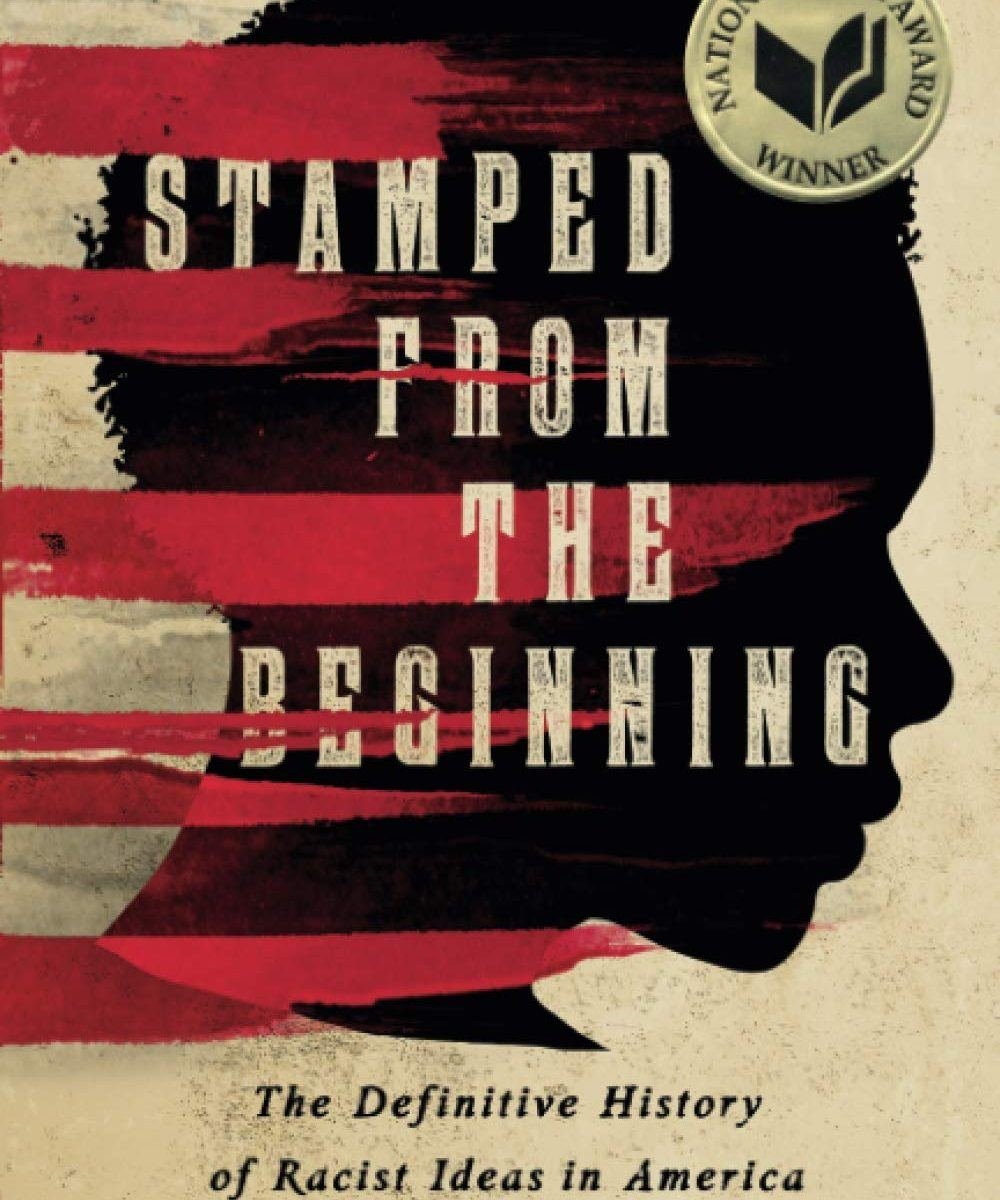
While “Stamped from the Beginning: A Definitive History of Racist Ideas in America” is a welcome addition to the scholarship of U.S. history the title is a bit misleading. It is not a “definitive history” as that is impossible. Rather it is a long rant on who is in what bucket: racists, assimilationist or anti-racist. Kendi’s thesis is that assimilation in the end is simply just a facet of racism as it does nothing for justice and systemic racism in society. He pleads for an anti-racist world from all segments of society. Fair enough.
One thing I take issue with in the book is the naive notion of racism having no historical context. That David Hume, the philosopher of the Enlightenment is taken to task about his polygenisist beliefs is silly. Most white people at the time, including scientific organizations, thought humans were many species. (This is probably, though rarely mentioned, the root of modern racism) Throwing Hume under the bus makes it so people do not actually read Hume and dismiss his many brilliant ideas because it is so unfashionable to read the works of a “racist.” Kids these days have not a clue what the Enlightenment was and is. The same can be said for pretty much everyone in the 19th century. John Muir, of course the racist, who just happened to be a naturalist and wanted to “save the planet’ before it was fashionable, and who talked on some mountain top to another racist, Theodore Roosevelt. The list is long.
The other issue I have is that Fred Hampton, the Black Panther murdered by the FBI, who’s politics were far beyond the identity politics of race and terrified the FBI as he spoke of economic injustice beyond the systemic racism is not even mentioned. Harry Belafonte, who was a major figure in the Civil Rights era of the 1960’s is left out as well.
Overture 5.2.1, Fast Track Pro, MIDI, GM Instruments, Audacity 2.42, TASCAM DR-1 (to record the final Audacity production, any digital recorder will do or even another computer)
BEWARE: THIS IS INSTRUCTIONAL:
That is how you can take an Overture 5.2.1 score and create an MP3 file. Make sure you have the latest version of Audacity or you may not be able to play MIDI files.
STEP 1:
I am on a Windows 7 machine. The first thing to do is buy and download the stuff above. Audacity is Free.
STEP 2:
Write an amazing and complicated piece of simple song with Overture. Make note of the tempo of the song. Mine was 170 beats per minute.
STEP 3:
Export what you did in Overture as a MIDI file. The key for me was to just use GM Instruments and not the sound card from my Roland Keyboard.
STEP 4:
Import MIDI you exported out of Overture into Audacity.
STEP 5:
In Audacity create a new track by going to Generate > Rhythm Track.
STEP 6:
Do an offset so that the tempo in the rhythm track gives you a count off for recording other tracks. For some reason my MIDI was a little off. Zoom in and get it at the correct spot.
STEP 7:
When you are finished, plug in the TASCAM DR-1 into the headphone jack on you computer. Set the mode on the DR-1 to “Line In” and play your Audacity file while recording it on you DR-1.
STEP 8:
Plug your TASCAM DR-1 into your computer and retrieve you masterpiece.
A little more complicated than baking a cake. This is here so that in 6 months when I want to do the same thing… I got the notes.
Be careful out there everyone!
Time Shirt Tool (for moving stuff around horizontally)
Late Night at the Pelican Cafe is an experimental web site where I post historic recordings of various bands from the San Francisco Bay Area. You can just go to the post and music will play. Listen to the sound of a bar or club filled with people, listening and dancing to a live band. Many of these recording are live recordings from a quality analog cassette tape recorder ( SONY TCS-580-V) positioned on the floor in front of the trombone player. For around fifteen years I was a freelance trombonist and arranger in San Francisco.
CANDELA LIVE AT EL RIO – 1992
In the 1990’s I had the fortune to play many Sundays at El Rio. At one point it felt like I was the house trombone player. On this particular Sunday the band was a phenomenal line-up of San Francisco based musicians – many players, including myself, were filling in for regulars. You can hear solos by Wayne Wallace, Rebeca Mauleón, Ramon Lasso, Paul Lyons, Michael Spiro, Jorge Polmar and others. Rebeca Mauleón’s piano Solo on Bailando Asi is outstanding.
CANDELA – 1992
Edgardo Cambin – Congas and Lead Vocal (Solo on Yembeke)
Jorge Polmar – Bass
Rebeca Mauleón – Piano (Solo on Bailando Asi)
Sandy Cressman – Coros
Ramon Lasso – Piano (Solo on Yembeke)
Wayne Wallace – Trombone (Solo on Yembeke)
Eric Rangel – Timbales
Michael Spiro – Bongo (Solo on El Cuarto)
Paul Lyons – Trombone
INTRODUCTION
In 1992 I played in a band lead by Marcus Lopez called Cubanacan. In this band, on this night, I was taping the band so as to learn the tunes. The tune is Richard Kermode’s Catalina. and you can hear the solos of Peter Cornell, Paul Lyons and the late great Richard Kermode – a great musician with a huge spirit who earlier had worked and recorded with Santana and Janis Joplin. Richard could play a wicked montuno.
Fito Reinoso – Voice
Marcus Lopez – Bass
Louis Romero – Timbales
Geraldo from Cuba – Congas
Richard Kermode – Piano
Peter Cornell – Sax
Paul Lyons – Trombone
Katalina by Richard Kermode
ACT 1 : AN ELECTRIFYING EXPERIENCE
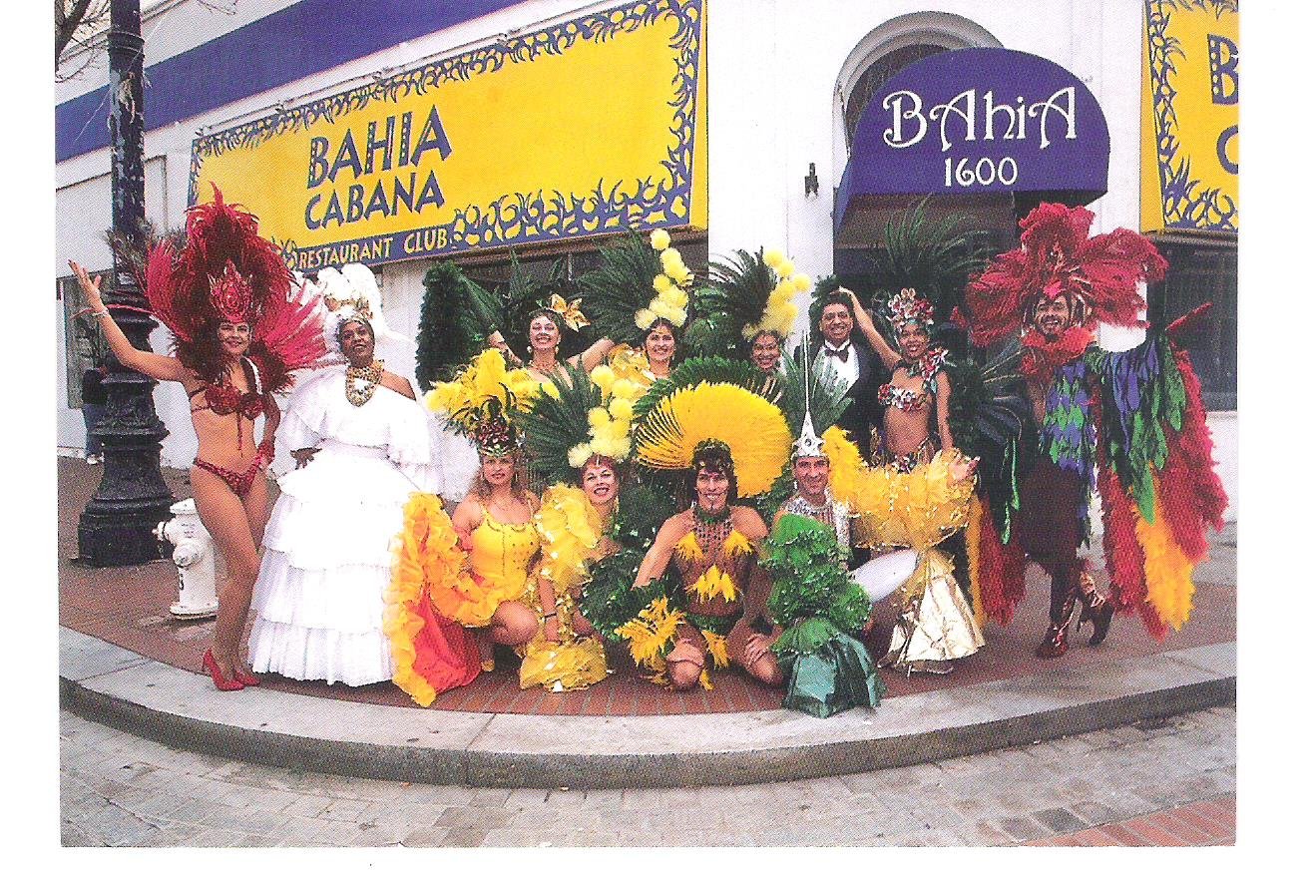
Besides unemployment, anxiety and pondering your mortality, the Covid-19 pandemic is a time for cleaning out closets. Going through some old stuff I ran into a postcard from a bygone era. In the 1980’s and 90’s Bahia Cabana in San Francisco was a hopping club on Market Street in San Francisco with a tropical vibe and live music many nights of the week. The bands were mostly Latin bands playing samba or salsa and it catered to a dance crowd. The place must have been crazy during San Francisco’s Carnaval.
Postcard from Bahia Cabana – 1992
Long before the pandemic and before the rise of the internet, there were many clubs and bars like Bahia Cabana employing musicians. It is hard to imagine but in the late 1990’s, five nights a week there were at least five clubs up and down Mission Street that had bands with full horn sections and multiple singers. Most of these bands were cover bands that played the hits of the day and also the many regional Latin tunes – merengue, rancheras and cumbias. San Francisco is home to a lot of people from Central America where cumbias seem to always be popular.
But that is a bygone era. For years, live music in clubs has been in decline and Latin clubs are few. When you do hear a live salsa band it was often just a quartet with various people sitting in and the entire band playing for a tip jar.
But back to Bahia Cabana – a place were I could have been electrocuted to death. Bahia Cabana had this third world vibe down to the electrical system. I remember playing there in the 1990’s with Julio Bravo and looking at the wiring backstage for the sound system and wondering if everything was legal – wires going every which way like spaghetti. Next thing I know after attempting to plug in an amp, I got an electrical shock unlike anything I have ever received. I stepped back and wondered for a second if I should go to the emergency room only to be reassured by the trumpet player that if may hair was not on fire and there were no visible burns that everything was fine. It was a strange feeling.
Bahia Cabana – an electrifying and shockingly happening hot spot long gone.
A few years later Bahia Cabana opened another club in the basement – music by a DJ, lots of flashing lights, drum and bass, loud pounding sounds and surely a smoke machine. I wondered how they got that by the San Francisco fire department and being in the basement was a bit concerned for safety reasons. Sure enough, sometime around 2000 the entire building caught fire and Bahia Cabana closed down for good. Another victim of using unlicensed, non-union electrical contractors who do not ground service panels. But Bahia Cabana would have closed soon after with the invasion of the tech industry, increased rents and the changing economics of the San Francisco.
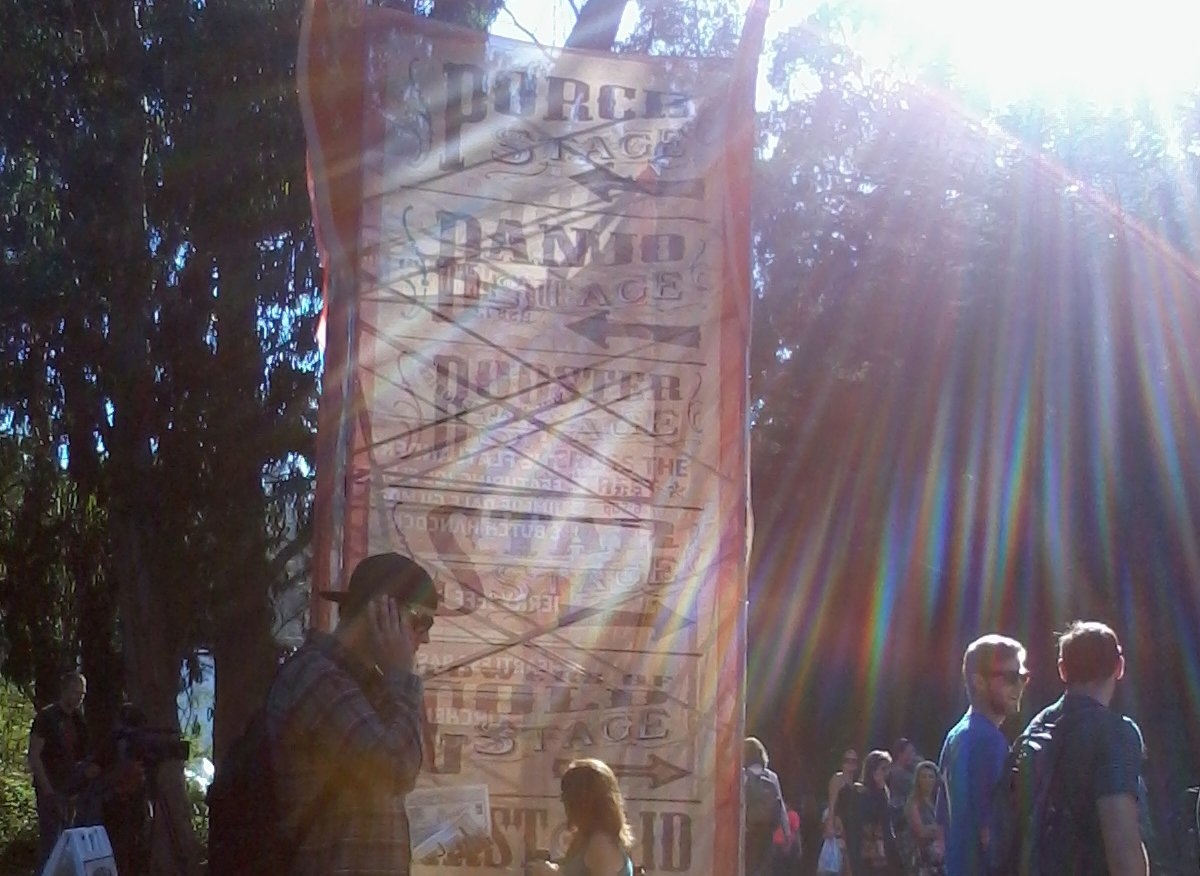
The Hardly Strictly Bluegrass Festival that takes place in Golden Gate Park every first-weekend in October is still happening this year, however it is going to be all online or what they now call “virtual.” Not my cup of tea folks. I like the real thing and will not be attending. That said, this year’s SF Journal Hardly Strictly Bluegrass Festival Awards will take a break.
As it turns out, live music festivals, with thousands of people bumping into each other, spilling beer on you and sharing local herbs is probably the best way to boost your immune system. As an added bonus there is the perilous activity of attempting to hygienically go to the bathroom in a port-a-potty. Wash your hands? Yeah right. Let’s all share germs!
For the past eight years I have written up reviews of HSBG festivals and given out awards. If you are curious or simply getting nostalgic, they are listed below. Until next year hopefully, when the light of health, peace and sanity returns.
Before the internet, there were armies of salesman that would go door-to-door selling encyclopedias. It was thought that without the latest Encyclopedia Britannica it would be impossible for your kids to write their history papers. Today, Wikipedia has assumed the role of the encyclopedia but in the realm of video, it is the documentaries of Ken Burns . Home-bound due to the COVID-19 pandemic, I decided to bite the bullet and buy the nine-episode Country Music | A Film by Ken Burns documentary on Amazon. Under $50 it comes out to about five bucks an episode. Country Music | A Film by Ken Burns is a fun romp through the twentieth century and a great way to discover new artists and bands, but in the end it was not so much about the music but a postcard parade of the people and musicians.
Introduction
Ken Burns approaches his documentaries as though he is writing an encyclopedia; he always goes wide but rarely very deep. This gives the viewer the impression that what they are seeing is the unvarnished truth. Every documentary is stylistically exactly the same in his pedantic, dry, documentary style. If you watch Ken Burns’ The Civil War, Jazz or Baseball they are all identical and Country Music maintains this consistency. The serious voice of Peter Coyote narrates though out and the titling and production are all the same. It is the Ken Burns encyclopedia and while it is great to get an overview of these subjects, the more you know about the subjects, the more disturbing and slightly irritating it becomes. Things are left out. Stereotypes are reinforced. A strange middle ground seems to always be the goal. If a topic seems a bit risky, the next scene brings it back to something more conventional. Controversy is avoided. For instance, even though you can count notable black country musicians on one hand, nevertheless there is Wynton Marsalis as usual adding comments and insights from the wings.
“I was talking with a friend of mine about this the other day; that country life, as I knew it might really be a thing of the past and when music people today, performers and fans alike, talk about being “country,” they don’t mean they know or even care about the land and the life it sustains and regulates. They’re talking more about choices – a way to look, a group to belong to, a kind of music to call their own.” Johnny Cash – The Autobiography of Johnny Cash
What really is “Country” music?
The notion of the genre of country music and what artists are “country,” like the word “jazz,” is forever perplexing and something more to do with the business of selling the music than the actual music.
“Three Chords and the Truth” – coined by Harlan Howard in the 1950s which he used to describe Country music
What really is “country” music? From a musical standpoint, “Three Chords and the Truth” does seem to get at a good definition but some of the best country songs use secondary dominant chords extensively (e.g., Salty Dog) and the dominant II chord is usually the climax of the song . But do forgive me. I am writing about the music, not the people. I sort of like Cash’s geographical take on country – it ain’t “city.” Ironically, the history of bluegrass was actually aided by country folk moving to the city and longing for simpler times in the country.
One of the most redeeming qualities of country music are the lyrics. What ties all country musicians together is the singer/songwriter, cowboy or as it is often called troubadour. This may be true, but what I find in many of the successful country musicians is a rebellious streak. They seem, from a sociological standpoint, more like punk-rockers than anything else. Jimmie Rodgers, Johnny Cash, Willie Nelson and even Hank Williams were pushing the boundaries and going against the norms. In the film, it seemed a bit odd, but confirms my take, is that Marty Stewart named Woody Guthrie as being “about as country as it gets.” Which begs the question, then why did not Pete Seeger get even mentioned in the documentary? He was as country as Woody Guthrie and sparked the revival of the banjo with his banjo method book. Surely many country banjo players used his book to learn the instrument. Where folk ends and country begins, blues music ends and country begins, are all blurred lines. Who Ken Burns allows into the country club surely has something to do more with politics than the actual music. Perhaps to be country, is to have played at the Grand Old Opry or recorded in Nashville.
One thing that Burns avoids is how most of the country musicians tended to be far more politically progressive than their reactionary, predominantly conservative, Republican audiences. This is particularly true starting in the late 1960’s after the South went Republican. One of those important factors not really delved very deeply on, perhaps to avoid controversy and not alienate the core country audience, who would prefer to see the rebellious nature as a sort of cowboy libertarian streak, and be done with it. That the documentary ends in 1996 is surely convenient as it makes it possible to avoid bands like the Dixie Chicks that called George Bush out on his criminal and ill-conceived Iraq war.
Race and the almost Mythical Older Black Musician
One of the reoccurring themes in the movie is race, which is dealt with in an often incomplete fashion. From the documentary we learn that many of the early country stars at one point in their youth had a profound experience with an older black musician. Jimmie Rodgers, the father of country, learned how to play from an older black musician down by the railroad tracks. There were two other big musicians that come to mind but who’s names I forget that had similar experiences with older black musical mentors.
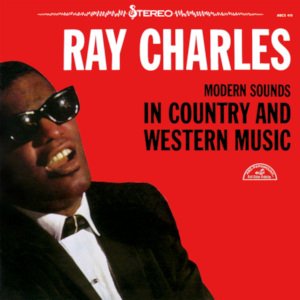
Country music is a predominantly white people’s music with a few invited guests – Charlie Pride, DeFord Bailey as noted examples. Perhaps the most amazing country album is Ray Charles’ country album that is pure countrypolitan and a smash hit. But issues like how the heck did Charlie Pride play in the segregated Jim Crow South are never brought up. Why, unlike in jazz, there are hardly any mixed-race bands? And, why, in every episode,as interludes, there are black and white photos of rural impoverished African-American families, gathered outside their shack of a house, with no explanation of why this photo is chosen?
Feminism and the Taboo Word
The the 1960’s. Loretta Lynn, Dolly Parton, Emily Lou Harris, Patsy Cline and others became huge country music stars. It is truly phenomenal how many powerhouse women came on the scene. Interestingly, Burns never uses the term “feminism” and instead describes this as – “at the time they called this woman’s liberation or women’s lib.” He goes on to described the woman as “feisty” or “strong-willed.” Just an observation of how language can influence perception and define history. In the late 1960’s there was a massive feminist movement culminating in the E.R.A. that never passed. One wonders if Burn’s never using the word “feminism” was intentional.
Country Music | A Film by Ken Burns. Well worth the price of admission, and a great way to get a broad-brush view of the topic of country music but a film that makes you question everything.
INTERESTING ALBUMS OF NOTE FOR PEOPLE WHO NEVER HAVE OWNED A COUNTY ALBUM IN THEIR LIVES AND DO NOT LIKE COUNTRY
I did not grow up with country music. Folk music, pop, rock and roll, jazz, classical. Not country. My parents were from the north and primarily urban, well-read and educated. Below are albums for people who do not like country music.
Jimmie Rodgers with Louis Armstrong
It is a true fact, not out of some E.L Doctorow novel, that the father of country music, Jimmie Rodgers cut a record with Louis Armstrong. This is simply as strange as realizing that Aretha Franklin’s funkiest rhythm section was all white boys. Blue Yodel 9 is evidently a country song. This was before the music industry was putting labels on absolutely everything.
Johnny Cash many years later got together with Louis Armstrong and played Blue Yodel 9.
Ray Charles
One the the best-selling country albums of all times is Ray Charles’ Modern Sounds in Country and Western Music . Ray Charles would probably sound great reading the phone book, but here you have some heavy New York and L.A. style production and Ray, growing up country, just sings these country songs like he is in the shower.
Willie Nelson
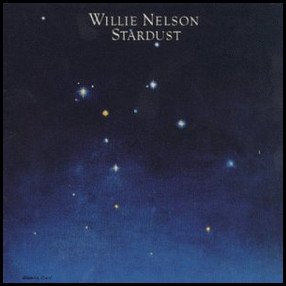
Read Willie Nelson’s autobiography Its a Long Story. I once heard that Willie always wanted to make a bebop album, so Stardust is as close as he got. His early love for Bob Wills and country swing opened him up to all kinds of music and he sings these mostly jazz standards with great phrasing, relaxation and outstanding pitch. Some of the standards sound a bit like music I would hear in a bowling alley in some sleepy Midwest town, but if they call this country, I’ll take it.
An amazing character, Willie is featured a lot in Country Music | A Film by Ken Burns. To get the full story of what happened when Willie’s house outside of Nashville burned to the ground, you have to read Its a Long Story. Willie is sitting in a bar in Nashville and a friend rushes in to inform him his house is burning down. Willie races off in his pickup and when he gets to the house the fire trucks are already there and the whole place is surrounded by yellow “do not cross” tape. At that point, Willie asks if anyone is inside. When he learns that everyone is safe, he makes a dash inside the house. He returns safe with just two things. His trusty, beat up guitar and a guitar case full of marijuana. That is a true story ready for the movies that does not even need a screen writer.
Johnny Cash
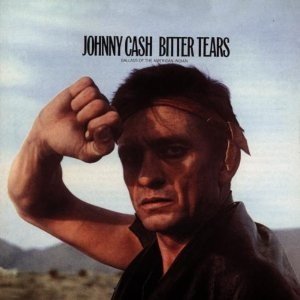
An epic career and a unique person and musician. He did a bunch of albums on the themes of Native Americans which would be interesting to check out. Growing up in federally subsidized housing and picking cotton from a young age, Johnny Cash to me is really a punk-rock, soul artist who happens to be white.
BREAKING NEWS: The Pelican Cafe has reopened after being closed for a few months because of no apparent reason. We still do not serve any food, coffee or beverages. Newly remodeled, the virtual cafe has been open since April and is now primarily experiential.
At the Pelican Cafe you can experience the Pacific Ocean in a visceral way – at least as visceral as possible in an internet browser. The videos posted are all from Ocean Beach in San Francisco and correlate to the time of day that you visit the web site. Addition videos will be added soon.
“A scale is a very ugly thing and it’s a bad discipline to expose your ear to bad music in the name of technique. If you decide what to play and what aesthetics to use in your choices then the “how” will follow. There is a basic advantage in not being able to play well, in that if your music is very simple then you are less likely to play bad notes. The more notes you play the more likely you are to play a lot of bad ones. By limiting your choices you improve the result of your music. I went through a period in my life when rather than trying to make my music sound better I started eliminating things that didn’t sound good and everyone said that I had made a great improvement, but what I had done was just housekeeping.” Paul Bley – from Time Will Tell – Conversations with Paul Bley (2003) – Norman Meehan
Such an odd perspective, but it makes sense that Paul Bley would say that scales are “ugly.” I think what he is saying is that scales, when played like “scales,” are ugly. When played like music are just music. The notion that you get rid of bad notes in your playing by simply playing less notes is pretty funny!
if your music is very simple then you are less likely to play bad notes
This is perhaps the definition of a bluegrass solo, or what the cowboys call a “break.” Good jazz musicians never have a hard time with “wrong” notes as that is sometimes the fodder with which they create their motifs.
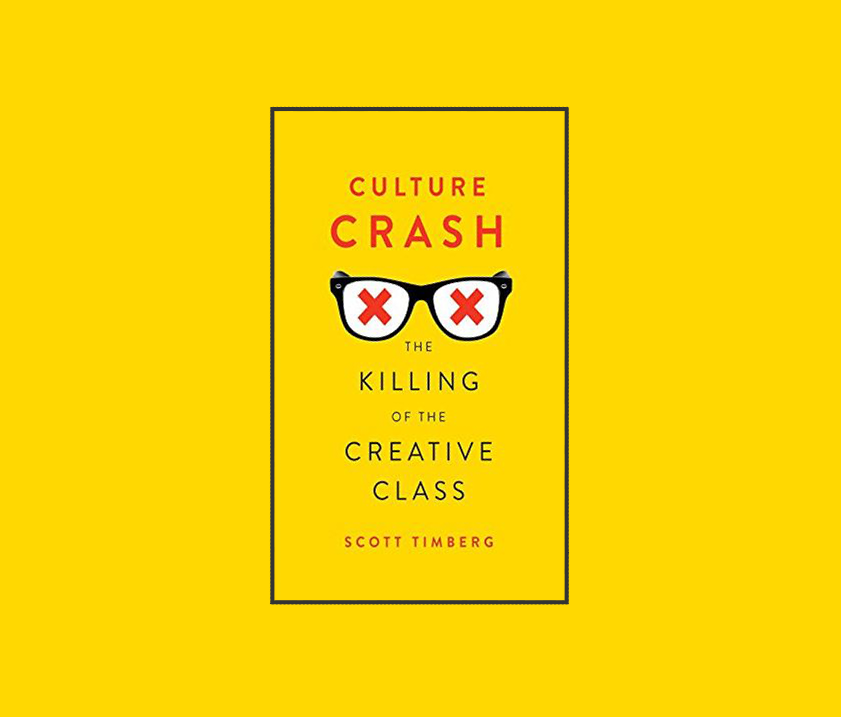
in 2014 when I read that Scott Timberg was writing a book about the modern perils of people in the arts I got a bit excited. The topic of how the internet and digital economies had laid waste to many traditional arts forms, trades and professions, has been a story that is not told very often and rarely very well. While everything in Culture Crash: The Killing of the Creative Class is pretty much depressingly true, it fails to address the most important question. Why and how is the creative class being killed?
A few of the professions that have been lost or are under stress are book, record and video store clerks, writers and in particular journalists, of course all performing artists such as musicians and dancers, architects – the list is long and pretty much everyone I know is well aware of the lower pay for creative work – people being paid ridiculously low wages to write, musician playing bars and restaurants for just tips.. Timberg seems to have had a soft place in his heart for the book and record store clerk as being a sort of cultural ambassador for the towns and neighborhoods where they live. Think of one of those cool small record stores you rarely see these days. Every employee has a strong personality, unique wardrobe and an expertise in a certain genre. Often such places would have favorite playlists of the week written on a chalkboard behind the register and it would range from thrasher metal to perhaps a new Brahms recording. Cool places no doubt. Hard to find these days save for a few stores in larger metropolitan areas.
The money being spent on music is not ending up in the hands of musicians, or even labels, or members of the creative class, from the record store clerk to a label president. It’s going to Apple – which thanks to iTunes, could buy every surviving label with pocket change – and other gargantuan technology companies. – Culture Crash: The Killing of the Creative Class by Scott Timberg
The first few chapters “When Culture Works” and “Disappearing Clerks and the Lost Sense of Space” muse nostalgically about this bygone era. “Back in the day” reminisces. Local mid-level working bands with a full calendar of gigs, paying not much but a living wage. Entry level journalists doing beat writing. Those were the days.
San Francisco and New York are becoming cities without middle classes: writers and musician lacking trust funds are being replaced by investment bankers and software jockeys, as well as a large servant class that commutes into town from poor precincts to clean their lavish kitchens and watch the children. – Culture Crash: The Killing of the Creative Class by Scott Timberg
I have never heard the term “software jockeys.” Software programmer, UI designer, web programmer but not “jockey.” Indeed, the world changes and one thing that Timberg seems unaware of is that people graduate from art school and then get a job at Apple or a large construction firm designing marketing materials and email headers. Musicians often have day jobs creating “apps” or programming websites. Being flexible and learning new skills has always been the forte of studying the liberal arts. Writing the great American novel has always been a luxury afforded to only the wealthy or the scrappy staving poor.
There is a chapter where Timberg throws the critic Pauline Kael under the bus for making fun of serious art and preferring popular trash. He also laments the avant-garde that pushed people away from the concert halls and museums. Indeed it seems that Timberg would prefer a well-attended Mozart festival to an auditorium a quarter-full of people trying to get their heads around some experimental modern piece.
The chapter near the end of the book entitled “Lost in the Supermarket – Winner Take All” is interesting as the book was published over five years ago, at a time when the monopolies of Amazon, Google and Facebook were solidifying and further buying out their competition. All books written that mention technology seem like dinosaurs by the time they are printed as the landscape does change. The tech monopolies in 2020 are even more entrench than ever.
By the end of the book, the hope is that somehow we need to regain the middle again where instead of a anti-intellectualism so prevalent in society, ordinary people go to art museums and local jazz shows. People read serious novels and discuss poetry. The gist of the book is a plea for the “middle-brow” world where culture is consumed by all. “Good luck” is all I can say. It’s a brave new world we live in with people mesmerized by social media, stupid YouTube videos and their cellphones.
Which gets me to my conclusion. What Culture Crash: The Killing of the Creative Class leaves out is the”how” and the “why. ” Why is the creative class being killed? There is one mention of Telecommunications Act of 1996 which was like a wrecking ball for many artistic environments. Shrouded in the guise of fair competition, Clear Channel went into every market and bought out smaller players. This ruined local radio, local music scenes, weekly papers and eventual laid waste to print journalism.
But the law that has done the most damage, and that was surprisingly never mentioned in Culture Crash: The Killing of the Creative Class is the The Digital Millennium Copyright Act (DMCA) of 1998. Just two years after the Telecommunications Act of 1996, the DMCA was signed by President Bill Clinton, with every member of congress voting “yes” and cheering the law on like a high school pep-rally. Neo-liberalism ( a truly misleading term) was all in vogue with the silly notion that free competition, while never really free as the big players have teams of lobbyists in Washington, will solve every problem. As pointed out many times on this website, the 1998 DMCA was a massive gift from the creative class to the tech class. It is a major reason “why” the creative class has been “killed.” It is odd that no one saw it coming. The internet has the potential to be a fair platform for publishing. The rules of “safe-harbor” have been so stretched and bent that for years technology companies’ revenue strategies are often a slimy exercise in cultural thievery – all perfectly legal. In 2020, it has gone a step further, as money is made off of peoples’ personal data, well-named as “surveillance capitalism.” But I digress. The DMCA is a failed law that needs revision every five years. I have pointed this out since 2015.
Unfortunately, far too young, in December of 2019, Scott Timberg passed away. A very good writer, a brilliant thinker, an idealist and surely a great guy. We need more people like Scott.
Culture Crash: The Killing of the Creative Class by Scott Timberg
Hardcover: 320 pages
Publisher: Yale University Press (January 13, 2015)
Language: English
ISBN-10: 9780300195880
ISBN-13: 978-0300195880