The AI Billboard Craze and What Do These Things Mean?

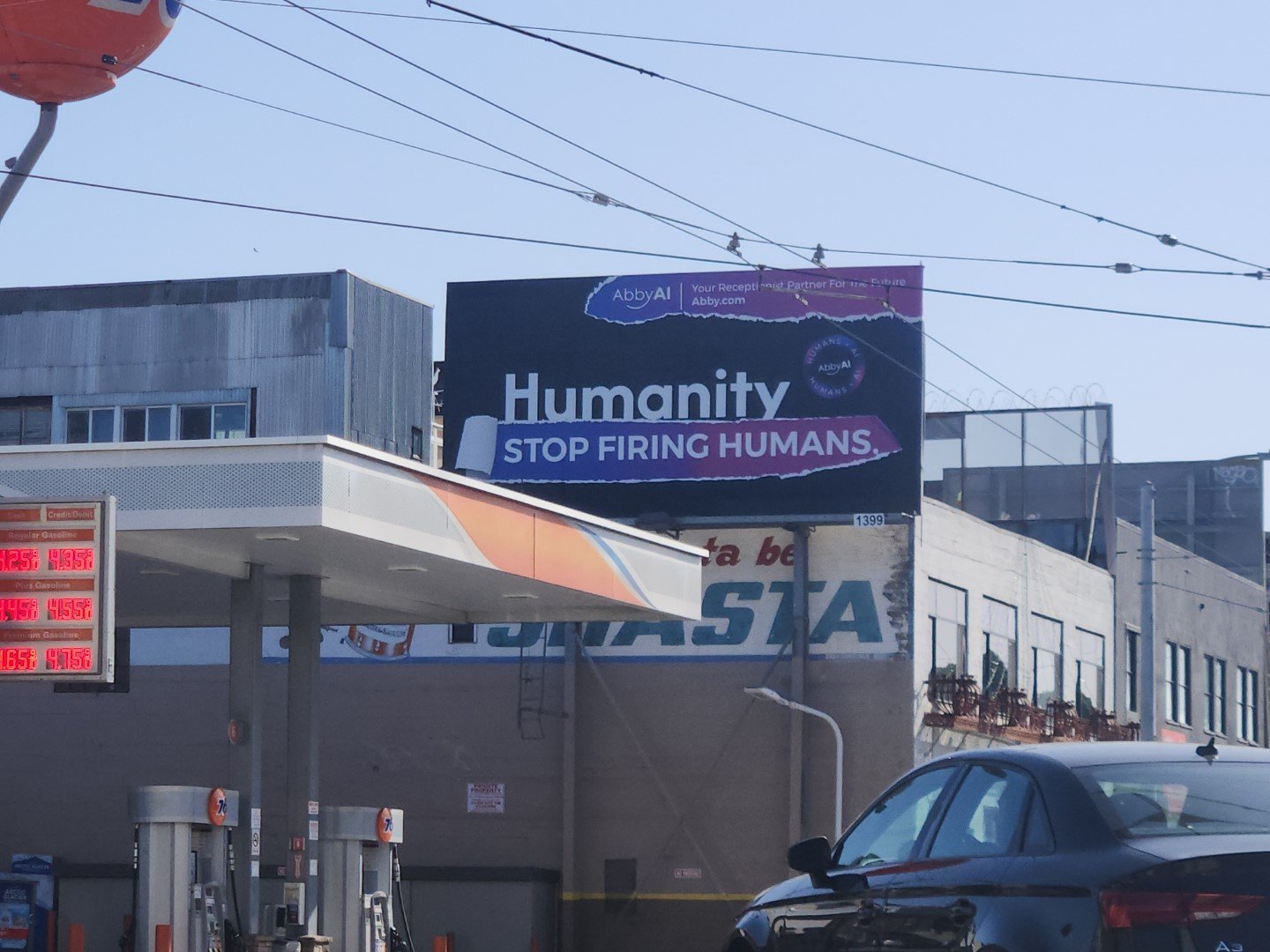
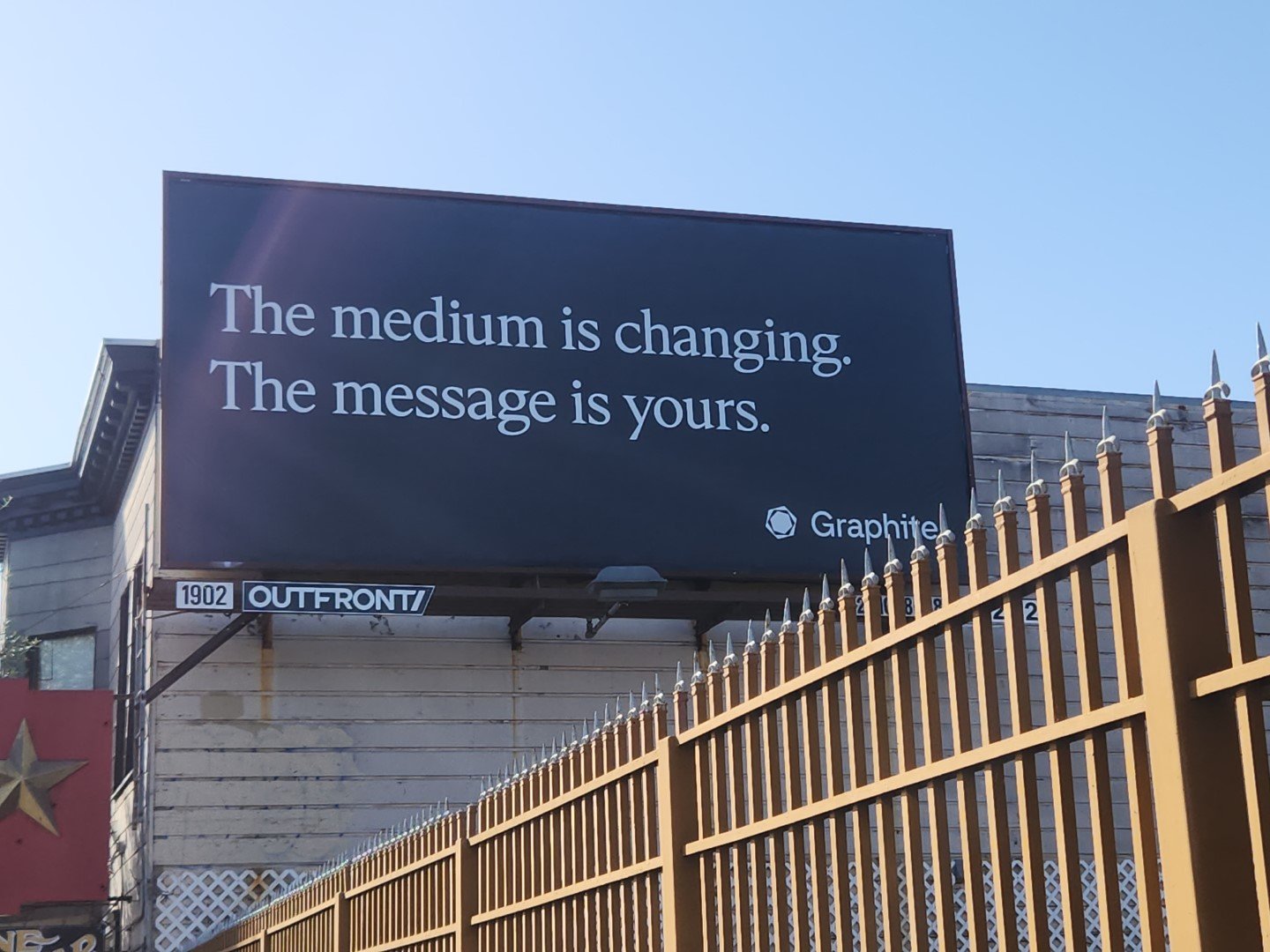
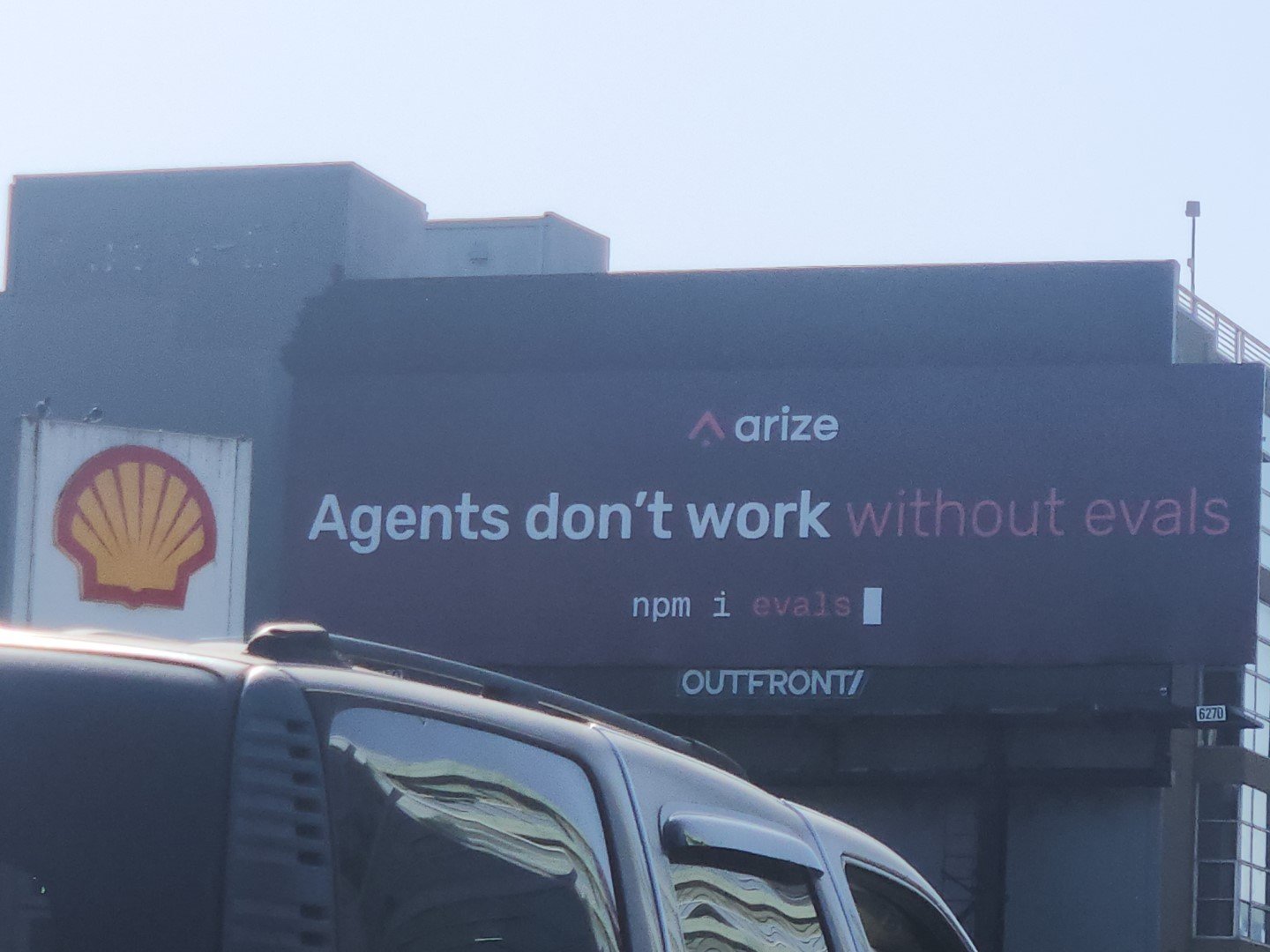
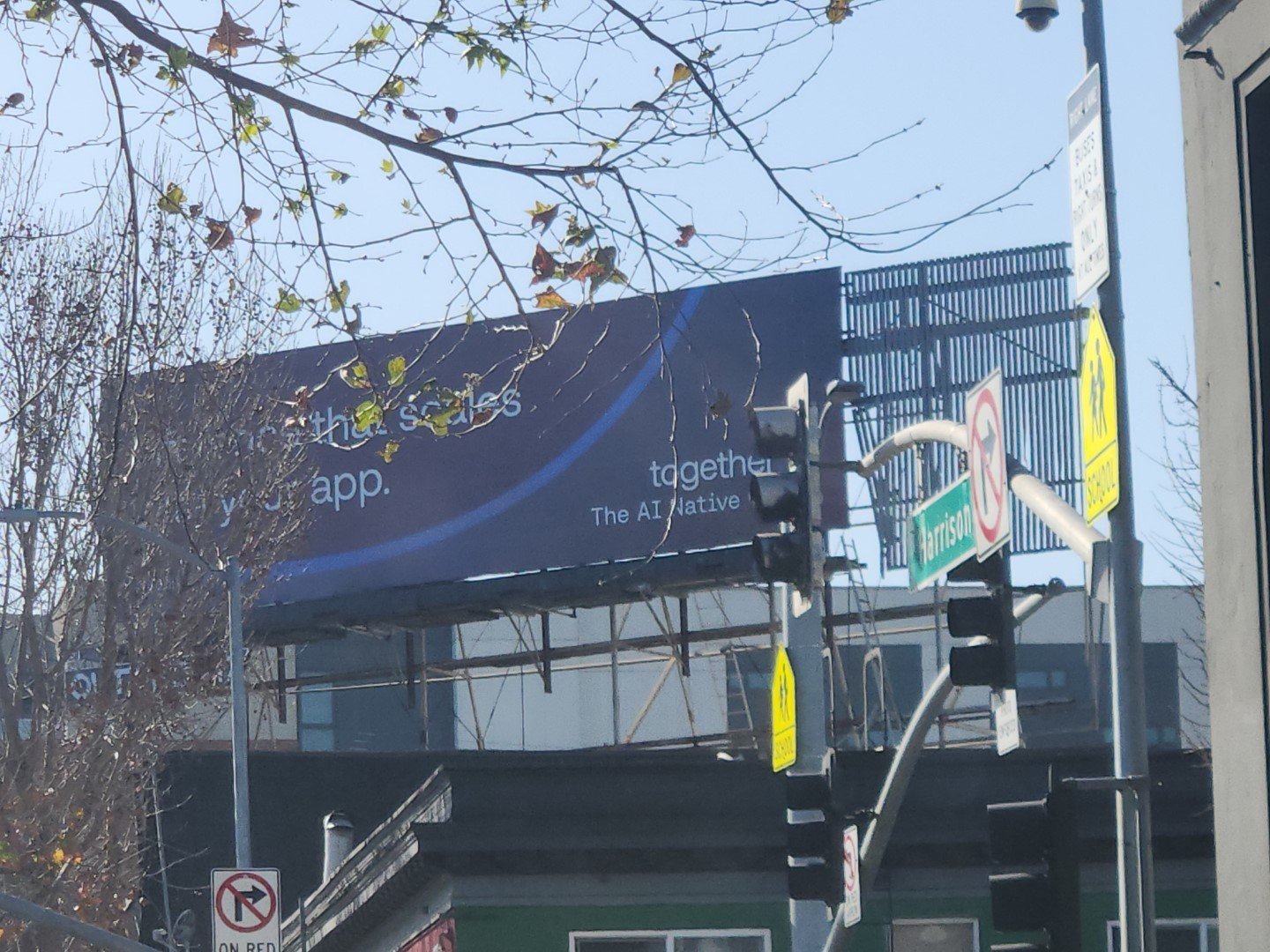
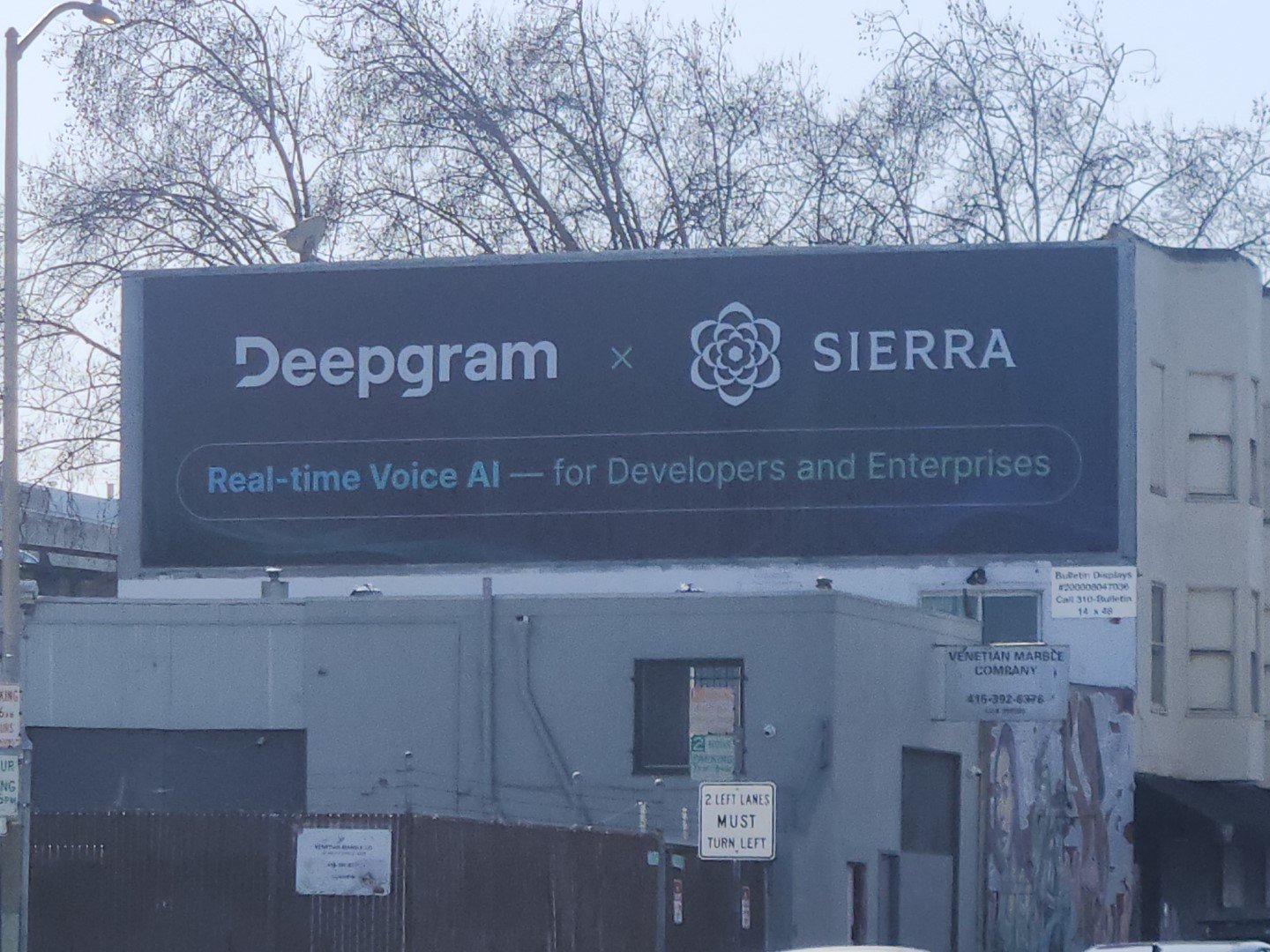
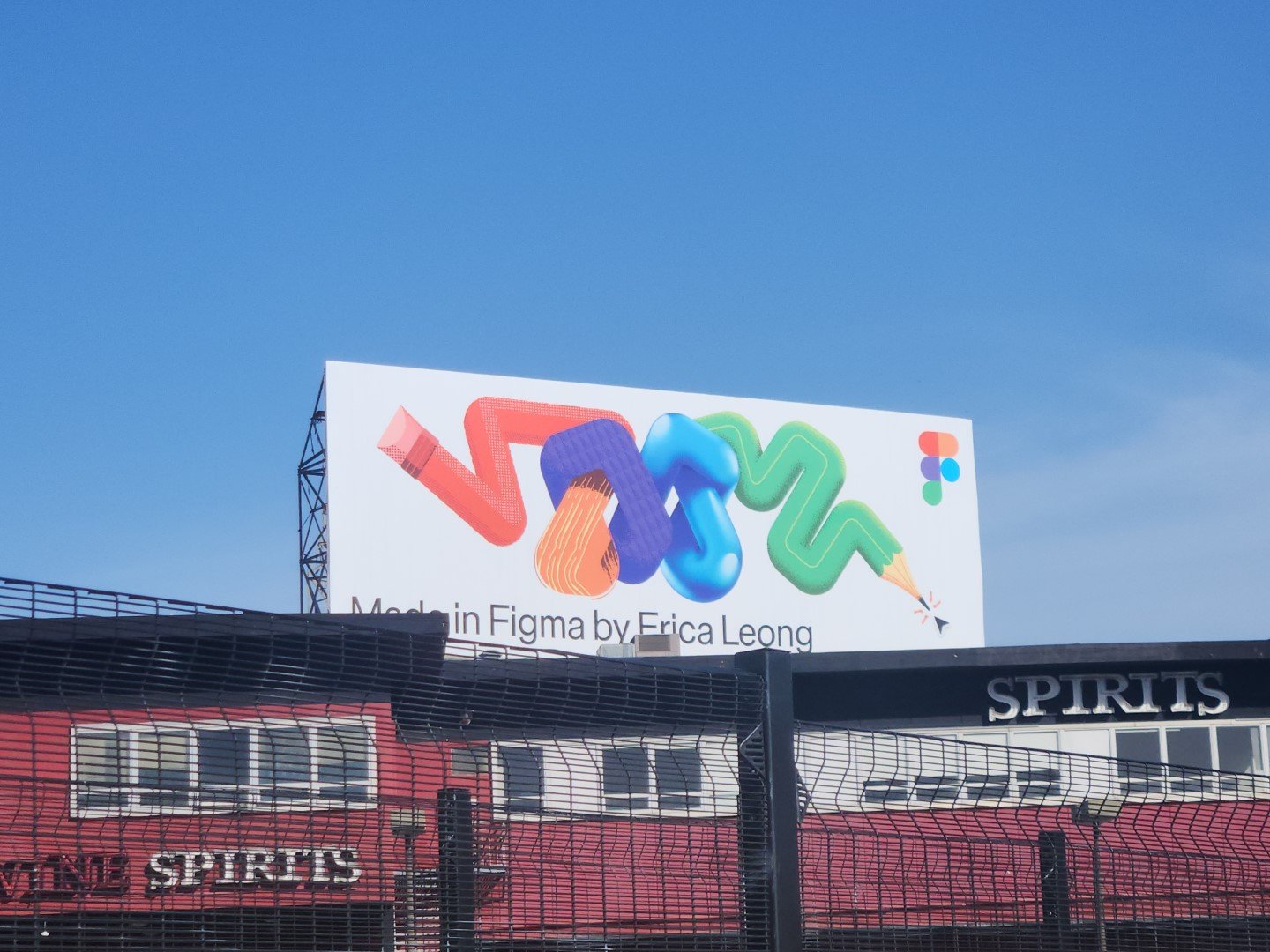
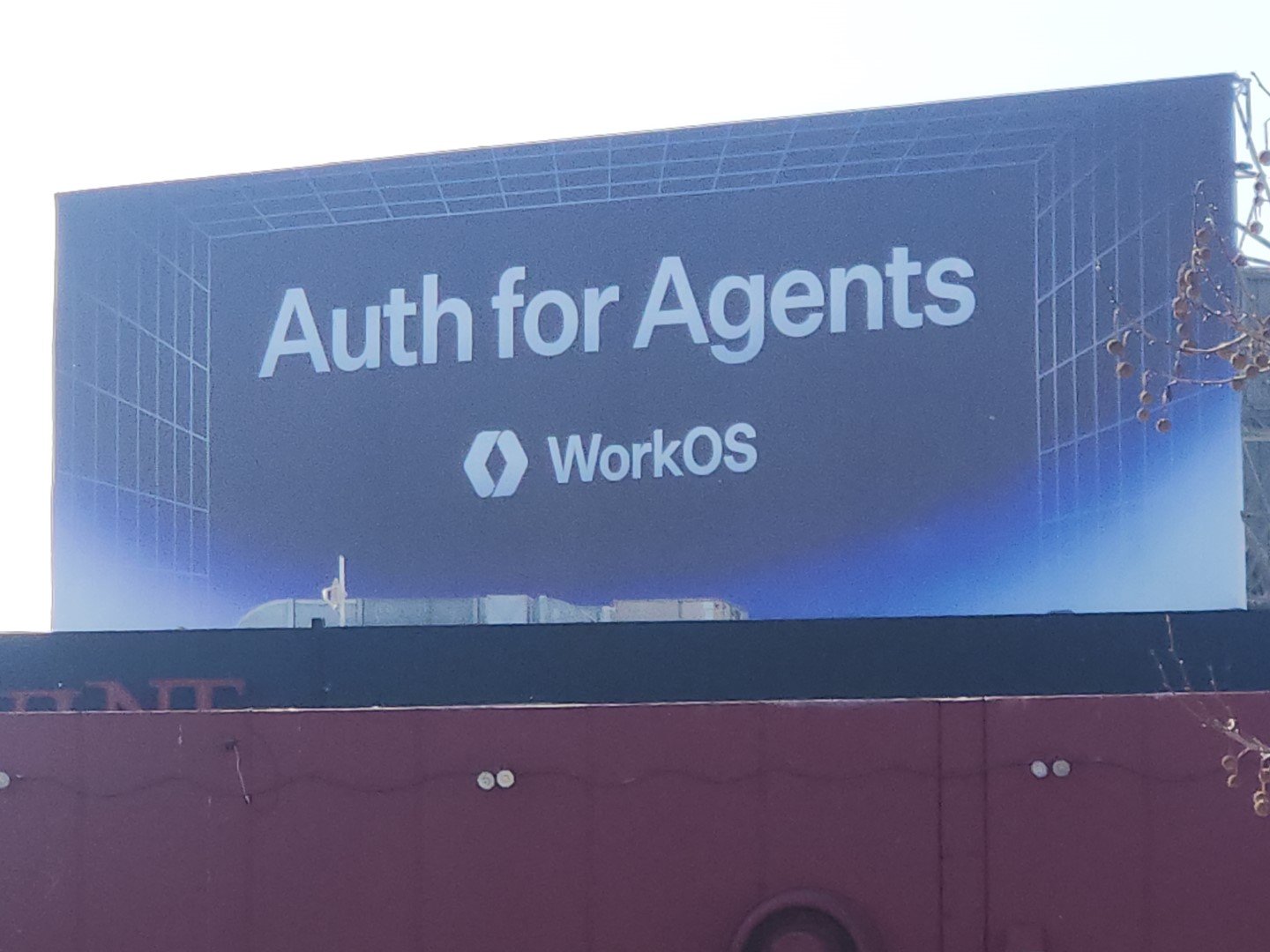
Billboards often seem to say more about the rich and powerful in a city than the actual messages. In Los Angeles there are often large expenditures for billboards promoting new movies. It is a “movie town” and the powerful would be remiss if they did not see a large photo of their multimillion dollar project along the Interstate. In San Francisco for the last few years it has all been about Artificial Intelligence or AI. Instead of billboards advertising shampoo, beer or whiskey, travel destinations or even the latest iPhones, the landscape is littered with signs for AI. It seems that almost a hundred percent of the billboards in San Francisco are AI companies. This surely tells us something about the deep pockets of the venture capital in the Bay Area that they can outbid General Mills, Coca Cola, United Airlines and Ford Motor Company for this advertising space.

In the past, billboards would have some sort of meaning to the average person on the street. Look at this great phone. Those Doritos do look pretty tasty. I really do need to use Yahoo as my search engine. But now, most of these billboards have absolutely no meaning to the average person on the street. Perhaps most are meant to build a brand or name with the hopes of getting into the subconscious of the general populous. But often the language of these billboards is programming lingo and surely is a foreign language to most. Targeted advertising? Probably not for the tech workers looking at their phones, making their way to Menlo Park on the Google buses.
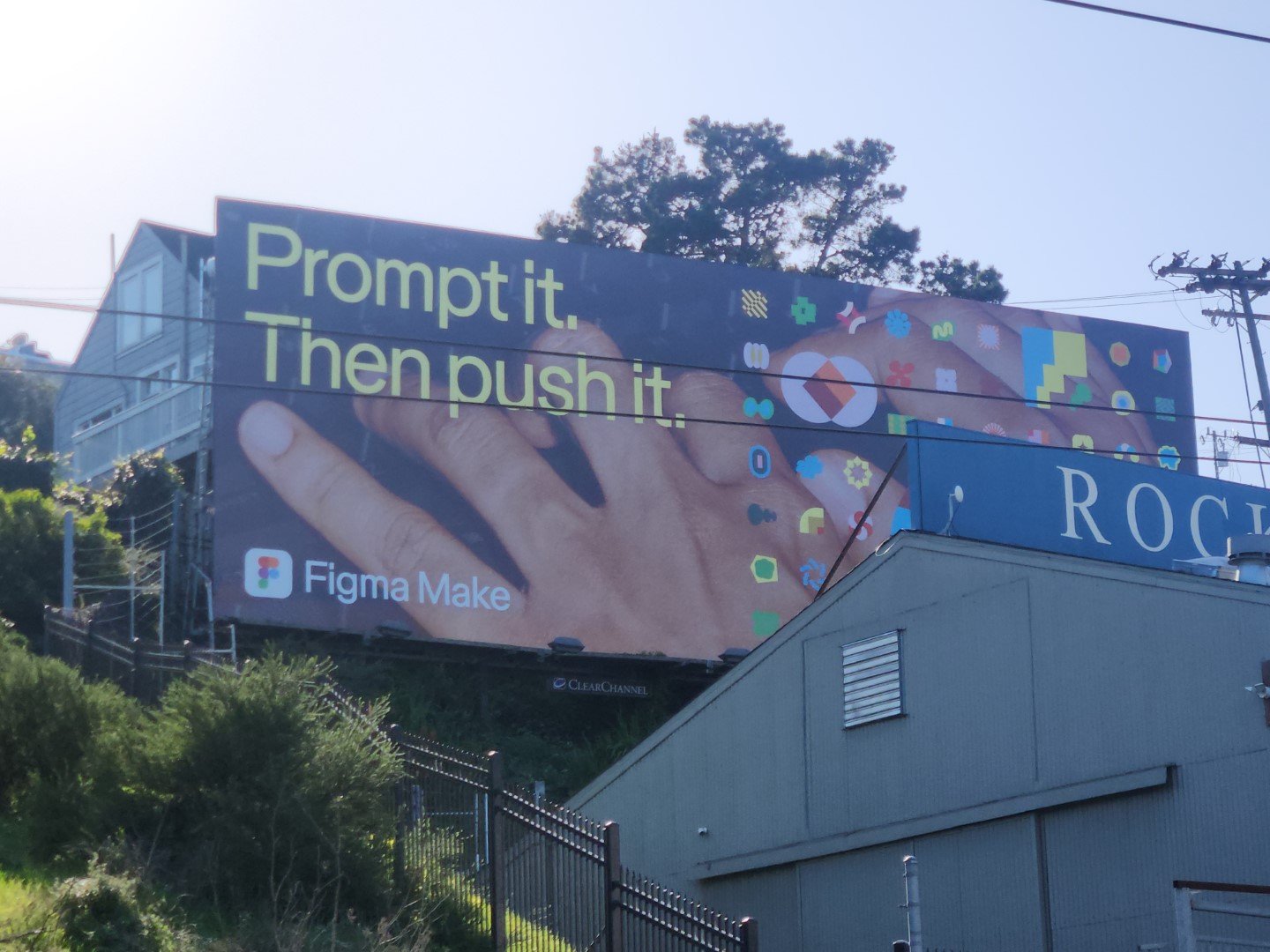
AI Billboard along Interstate 101 in San Francisco

So what does Prompt it. Then push it. actually mean?

In source control like git, you have a repository of code. Here you can see the changes that have been made over time. It makes ir so you do not lose any work and when there are bugs you can figure out what went wrong and perhaps revert to a previous version.

A command-line prompt would be something like:

git commit -m “I did all this work on my new app. Soon I shall be a billionaire.”

The “commit -m” is the “prompt” where “-m” stands for “message.” There are all kinds of prompts. It is 2026 and even though there are IDE (Integrated Development Environments) software to make things easier, programmers still use command-line prompts, like the early years of COBAL and UNIX programming.

And then to make sure none of your code gets lost somewhere, you “push” it up to the repository, often called server, now “the cloud.”

git push origin main

What is funny about the billboard that says “Prompt it. Then push it” is that in a different decade someone who was priced-out of the neighborhood might have replied “No buddy, do not Prompt it. Then push it. How about just shove it… and you know where!”

“No buddy, do not Prompt it. Then push it. How about just shove it… and you know where!”

That’s the joke in this rant.
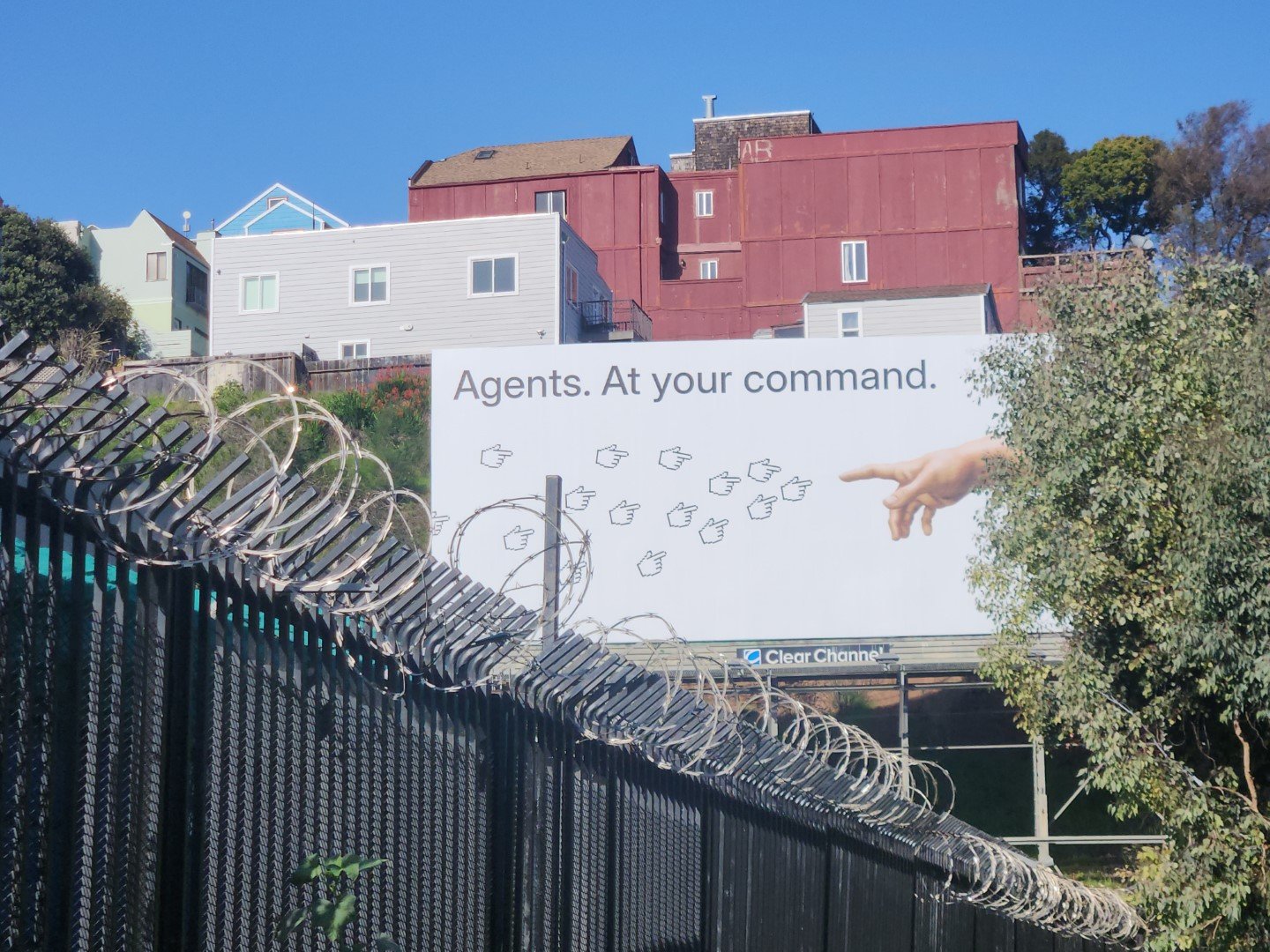
Agents. At your command.

Often there are hands on a keyboard or sometimes even hands with religious connotations in the sky looking a bit like a Leonardo Da Vinci’s Creation of Adam painting.  Another word that is used all the time is Agents.  
Modern computer culture and an excess of hubris seem to be a constant theme. Trust us. We will solve all your woes.
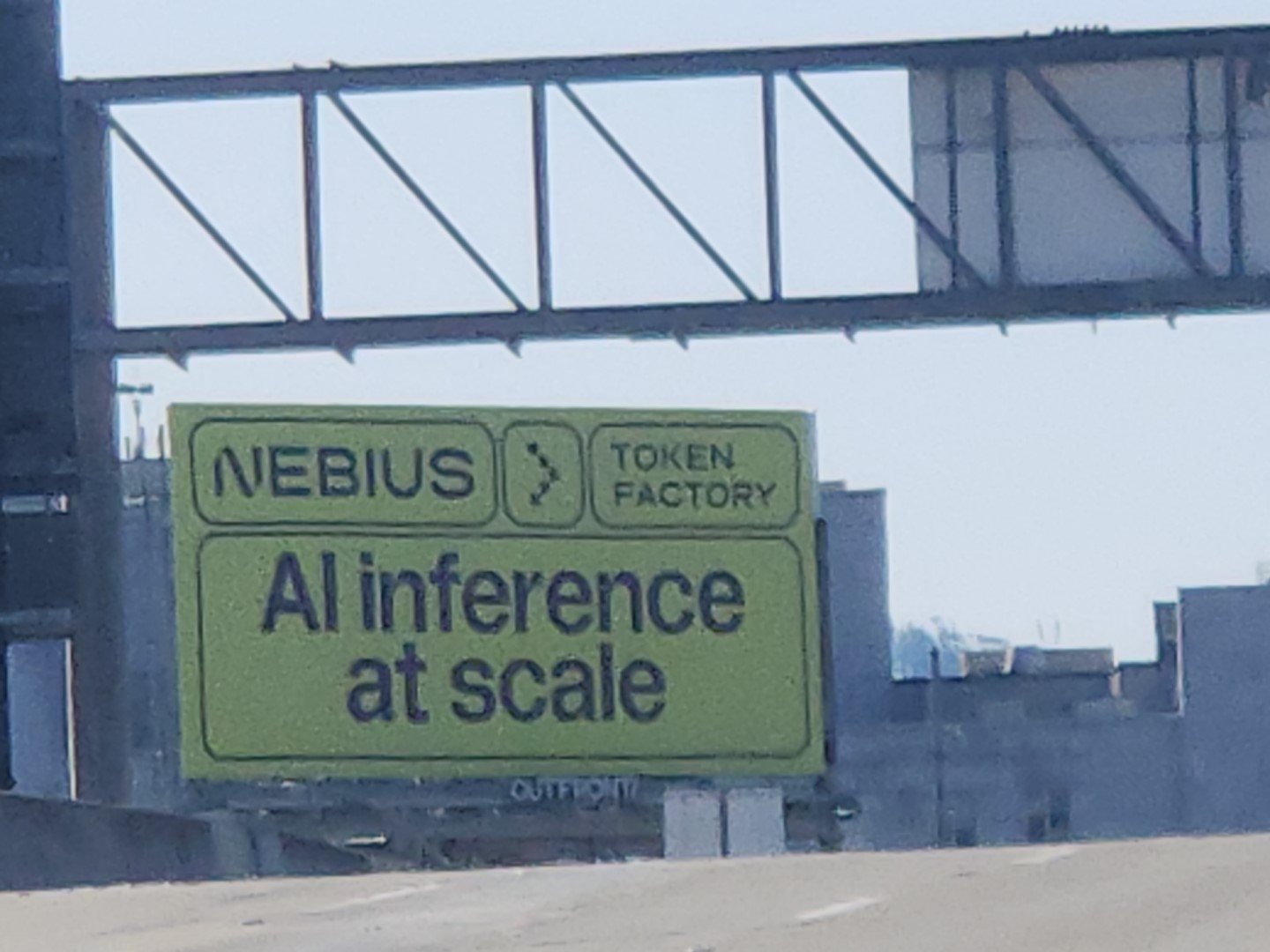
Now there is a “TOKEN FACTORY.” I am not sure what that is but I hope they have a union. Maybe ask your nephew?
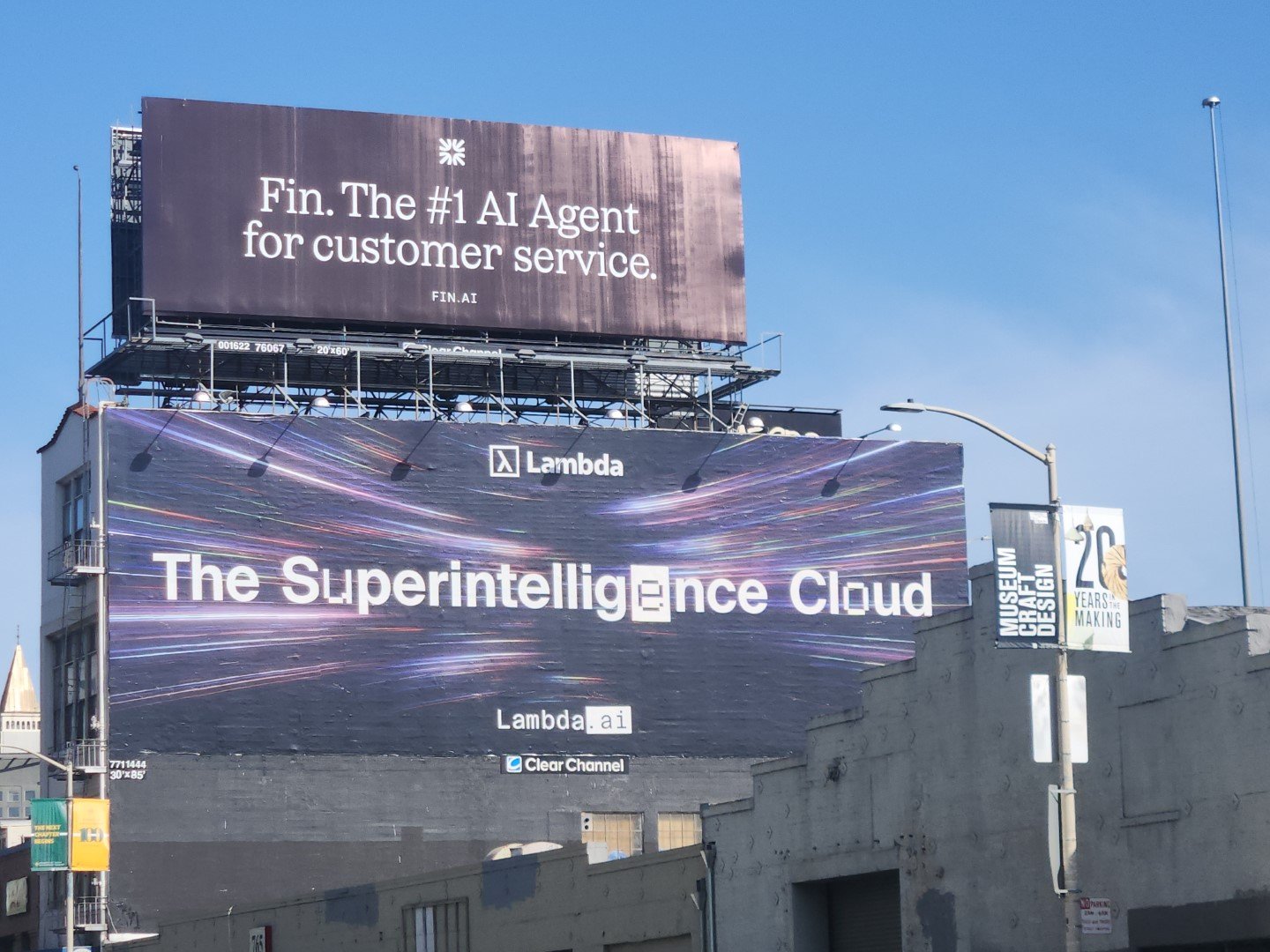
Not sure what these two mean but I suspect that the customer service jobs in the Philippines, India and Texas may be getting some layoffs in the near future. Unlike the movie The Graduate where Ben gets advised by Mr. Robinson about the one word, plastics, the new word seems to be agents.
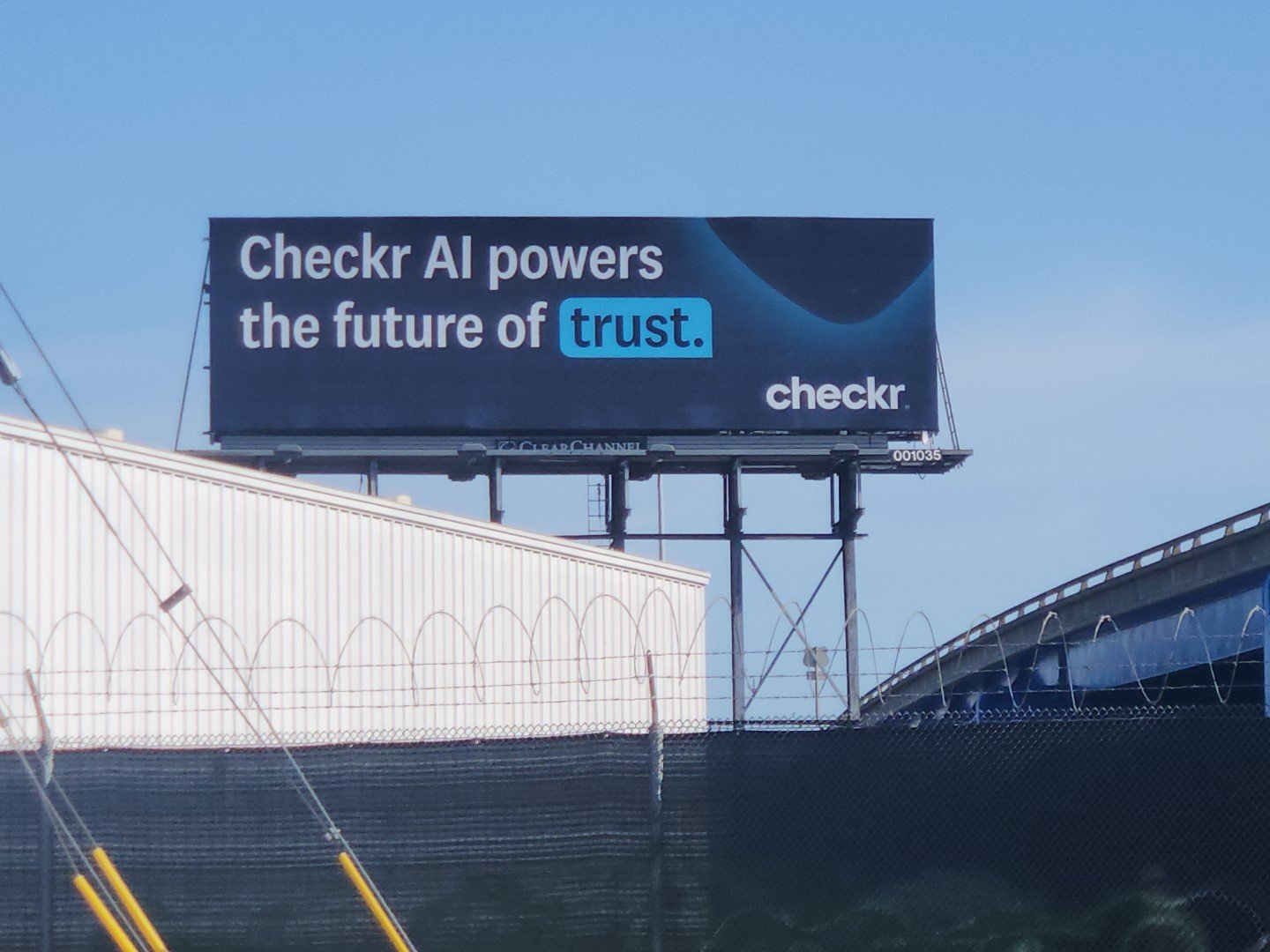
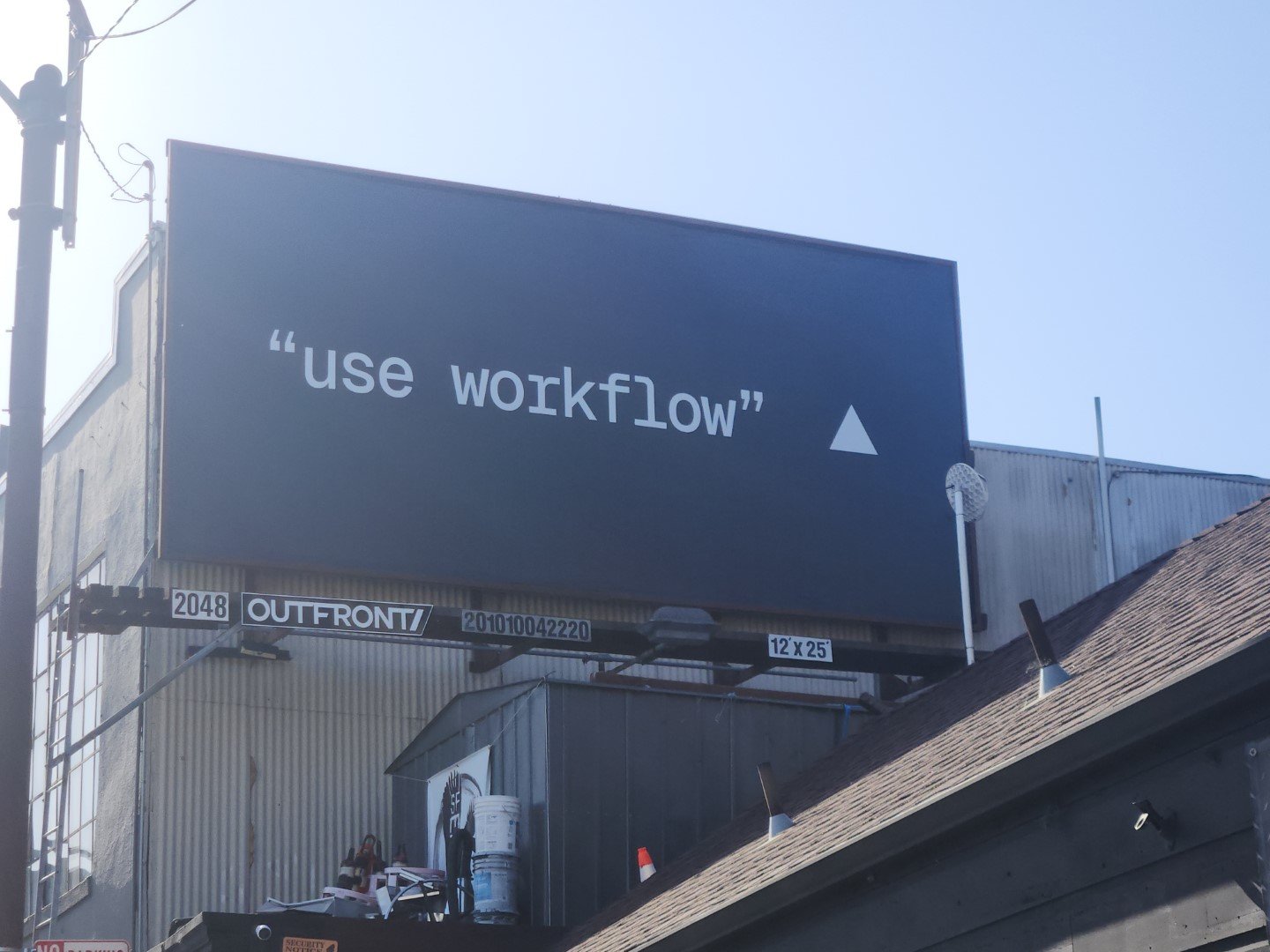
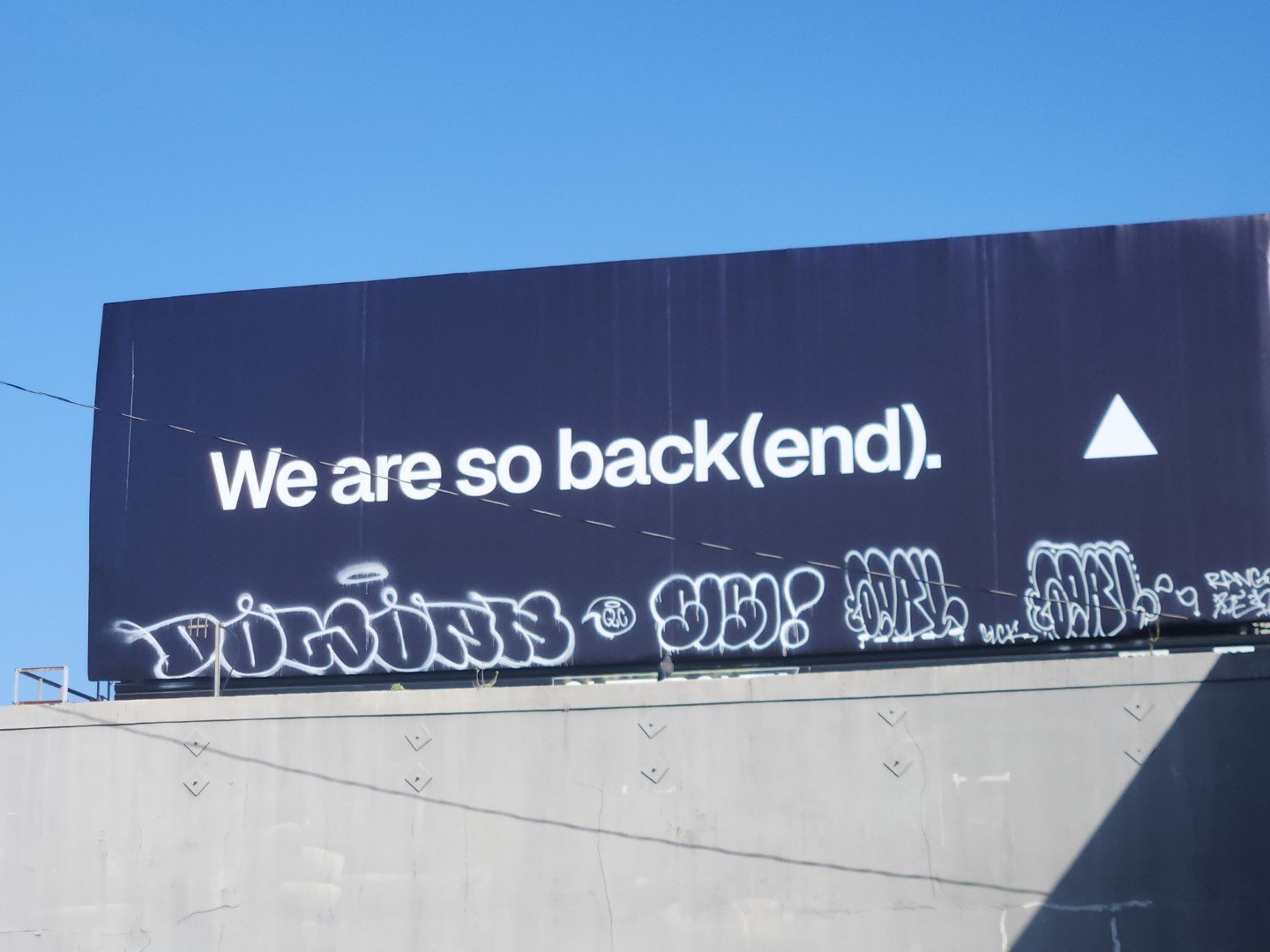
All the images above are just some of the billboards that I documented along the 101 interstate highway in San Francisco. There surely are more. One billboard actually got tagged. Not sure what that means about their “backend” but that was very “frontend.” Some things do stay the same.
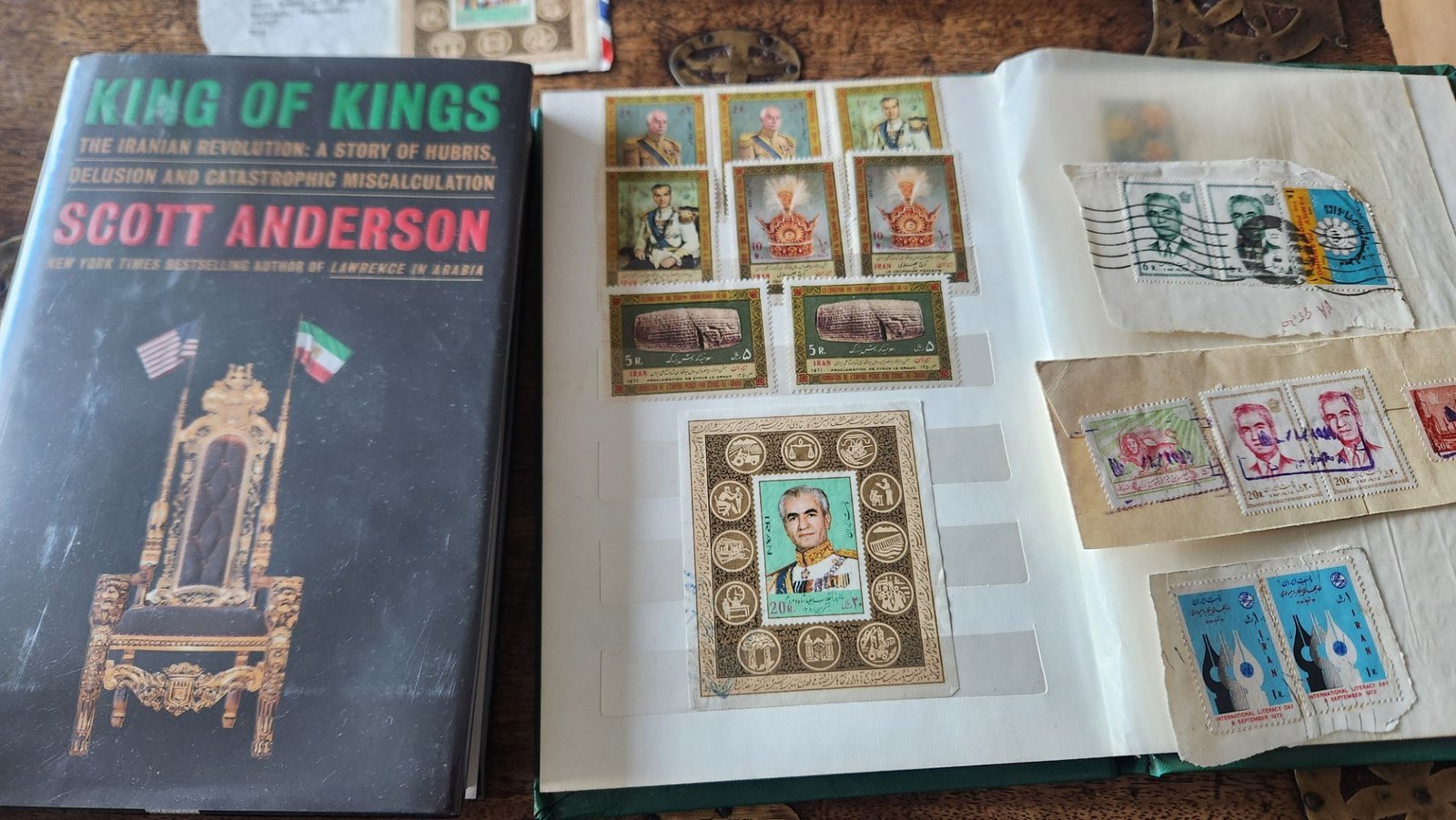
King of Kings: The Iranian Revolution – A Review and Reflections

King of Kings: The Iranian Revolution: A Story of Hubris, Delusion and Catastrophic Miscalculation is the full title of a book by Scott Anderson published in 2025.  The gist of the book is that the United States, distracted by the Soviet Union and the cold war, overly compartmentalized in its state department and spy networks, did not take the religious fundamentalism that was growing in Iran seriously.  Few people in the state department or even at the embassy spoke Farsi. Not many were in the smaller towns and countryside. Important warnings were ignored. Crucial reports where just filed away. While the book looks at the history of Iran and things like the 1953 coup, it mostly focuses on the leadup to the 1979 revolution. Three key sources are referenced throughout the book: Farah Pahlavi, Michael Metrinko and National Security Council officer Gary Sick.  Through this lens you see clearly the catastrophic miscalculations of the U.S. that lead to the fall of shah and the Iran hostage crisis. There are some juicy moments like when President Carter visited Iran in the 1970s and brought Dizzy Gillespie and Sarah Vaughan along for entertainment. Their improvisations and informality were perplexing to the stiff Shah and gave Gary Sick insights into the monarch he was dealing with. Additionally, Michael Metrinko who was one of the hostages provides some interesting and humorous  observations along the way.

“By my count I worked with nineteen different American generals over there,” Metrinko observed in the autumn of 2021, shortly after the American forces had abandoned Afghanistan to the Taliban, “but at this point I’d be very hard-pressed to tell you which one was the dumbest.”

When it gets to 1978 the book moves slowly and recounts the tense daily events leading up to the storming of the U.S Embassy and the Iran hostage crisis. The details and complexity of the situation are well-researched and conveyed. Eventually, you learn that the shah, battling cancer, leaves Tehran with his family – the shah in the cockpit of a Boeing 707, piloting the jetliner out of Iran. The book is quite the page turner and begs the question that if the state department was so incompetent then, it must be even more a disaster today. 5 stars.

King of Kings: The Iranian Revolution: A Story of Hubris, Delusion and Catastrophic Miscalculation
Publisher ‏ : ‎ Doubleday
Publication date ‏ : ‎ August 5, 2025
Language ‏ : ‎ English
Print length ‏ : ‎ 512 pages

NOTE: The author of this review lived in Tehran from 1970 to 1972, attended fourth and fifth grade at Iranzamin international school, and while he does not speak much Farsi, he does remember a few swear words that he learned by listening to frustrated Tehran cab drivers. The photo above is indeed from the author’s stamp collection from that era.

RELATED POST: Later, while in high school back in the United States, he questioned a United States senator about the situation in Iran. The senator seemed a bit stumped by the question. In a way, it foretold the disaster about to unfold.

 I had always wondered how it was possible for the two disparate worlds to get along and how the meeting of the West with the Persian world would work out in the end. Stylish woman getting off the plane from shopping sprees in Paris, wearing the latest fashions  in the same streets with Muslim women in traditional chadors.  How is this possible?

Dear Senator, I have a question


Google AI Mode and Artificial Persectives

These novels will give way, by and by, to diaries or autobiographies – captivating books, if only a man knew how to choose among what he calls his experiences that which is really his experience, and how to record truth truly.”
– Ralph Waldo Emerson

Journeys in AI and looking at how Google sees your website.

In the old days of SEO there was the Page Rank which was a cute play on words. Larry Page, a CEO at Google invented the phrase but everyone knew it was about how good your SEO (search engine optimization) was ranking. It was a scale of 1 to 10 and a 6 or a 7 was good and maybe meant you were on the first page of Google search results. About eight years ago Google got rid of exposing your Page Rank. No longer could you look under the hood or see the dirty laundry in the Google closet.

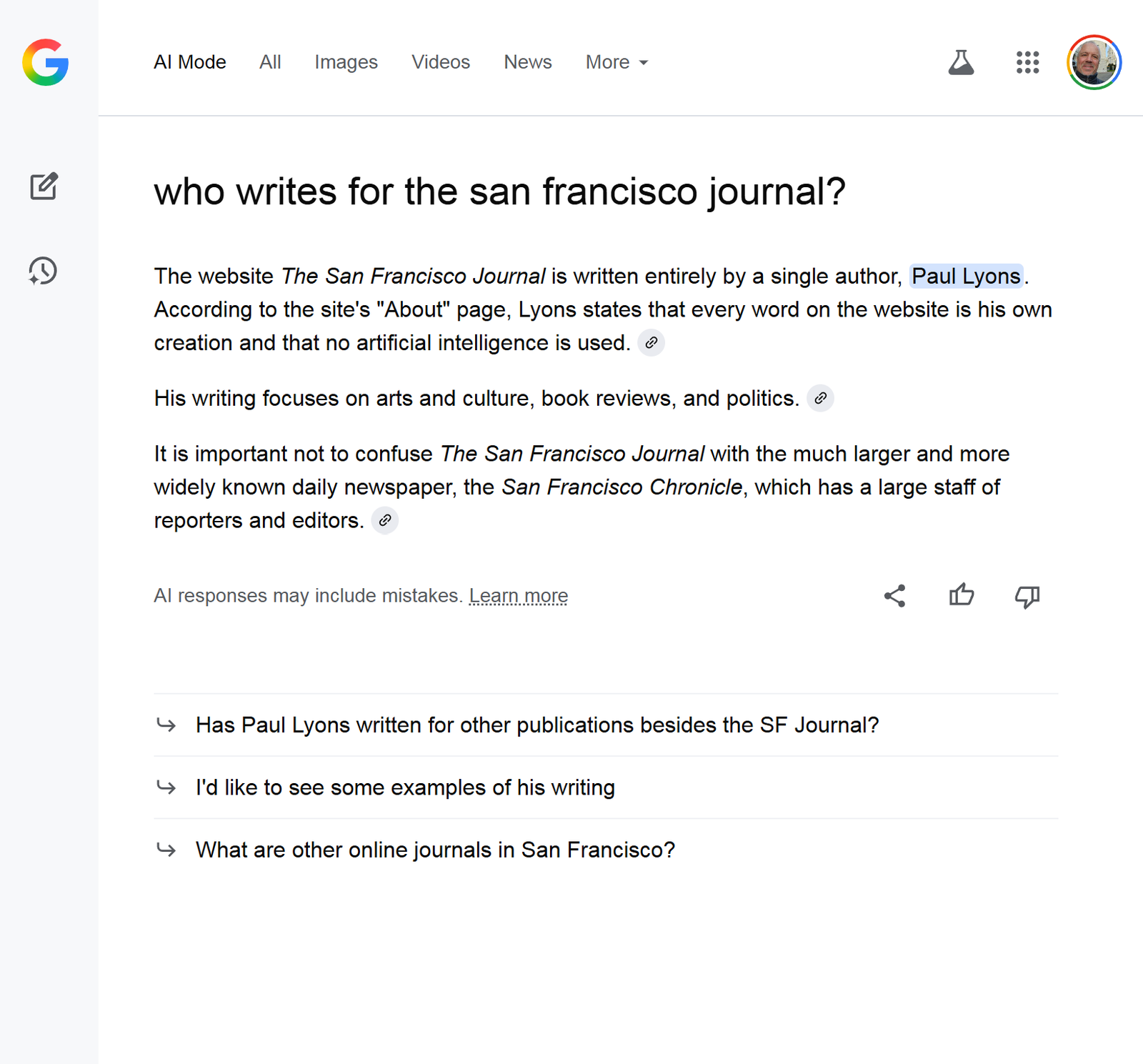
The other day I experimented with Google AI Mode and discovered some interesting assumptions by this everchanging technology. Little does Google know that I write these posts for fun and sometimes to vent and scream at the stars, but most often to embrace the 1st Amendment of the United States Constitution and simply speak my mind. At one point the internet was meant to be a force for equalization and democracy. Imagine that!

Google AI Mode - September 28, 2025
Google AI Mode – September 28, 2025

Anyway, Google AI Mode is always changing. When I query “who writes for the san francisco journal?” over time I have gotten different results. At one point it came back with:

It is important not to confuse The San Francisco Journal with the much larger and more widely known daily newspaper the San Francisco Chronicle which has a large staff of reporters and editors.

This I thought an odd and and interest observation. It could have also said “It is important not to confuse The San Francisco Journal with the much larger and more widely known daily newspaper the San Francisco Chronicle which survives by advertising from major corporations (petro-chemical, pharmaceutical, big-tech, banking, etc.) which they rarely cover by doing real investigations and perhaps finding malfeasance and bad news. The editors do seem a bit spineless.” Evidently not being beholden to large corporations is no longer a good thing. For Google AI, independent journalism is not a value-add. Bigger is better. A monopoly is the best.

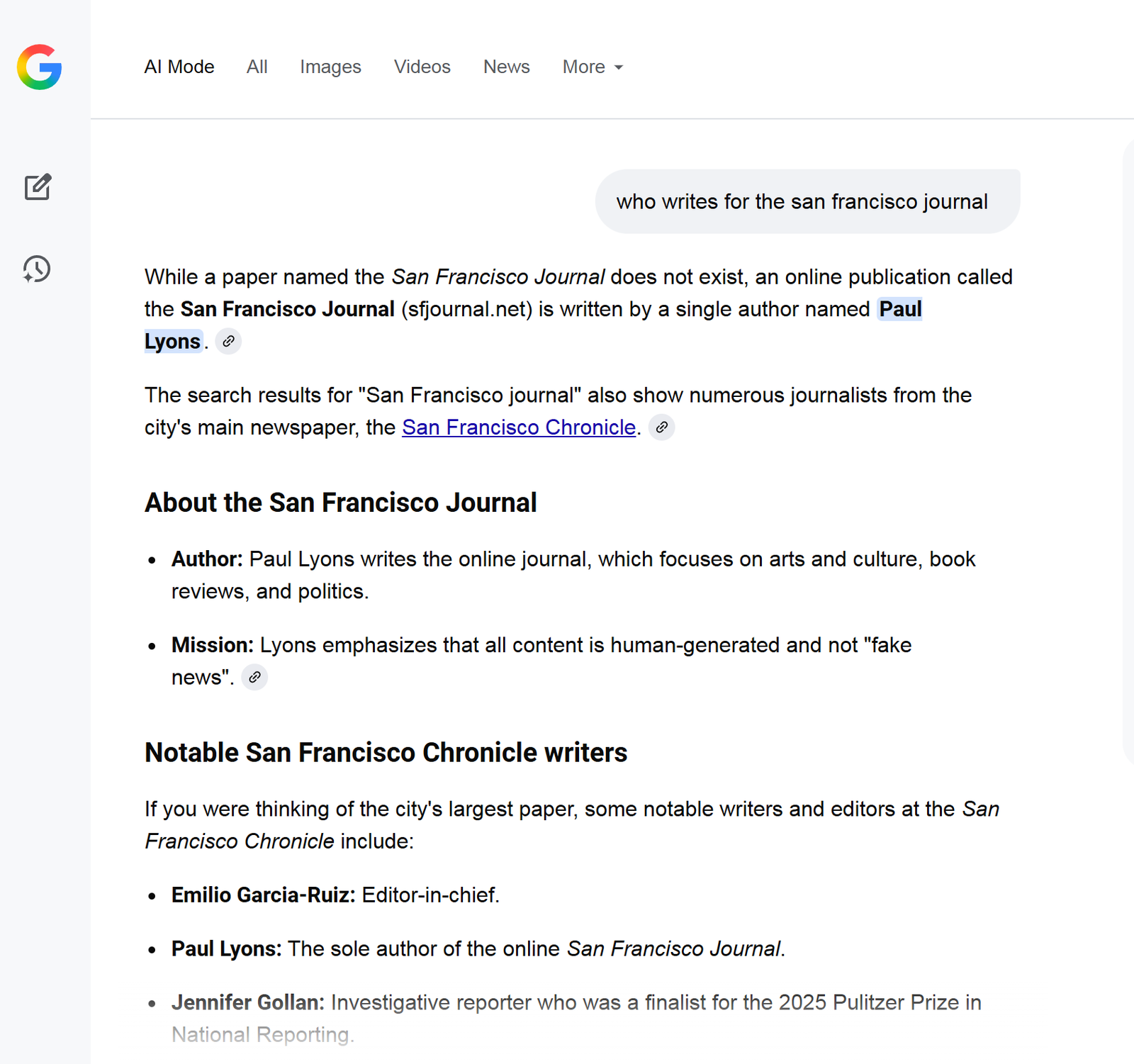
A few weeks later I did the same query and got different results. This time it stated.

The search results for “San Francisco journal” also show numerous journalists from the city’s main newspaper, the San Francisco Chronicle.

Google AI Mode - October 9. 2025
Google AI Mode – October 9. 2025

My goodness! How did that happen? Numerous journalists from the Chronicle? It must be that darn “ghost in the machine” thing. The SF Journal is unrelated to the Chronicle though I do subscribe to the Sunday paper mostly to get the funnies.

Which brings me to one of my ideas that no one seems to get. The internet is all just publishing. It matters not whether the content is produced by aunt Gertrude and posted on Facebook or a fancy computer algorithm, it is all content which is owned and often “monetized” by someone – usually a big tech company.  While tech companies like to distance themselves from the responsibilities of this content with what they call “platforms,” in the end they are simply publishers.

And do remember, the San Francisco Journal is not the San Francisco Chronicle Just stating the obvious.

Electronic communities build nothing. You wind up with nothing. We are dancing animals. How beautiful it is to get up and go out and do something. We are here on Earth to fart around. Don’t let anybody tell you any different.
– Kurt Vonnegut

Pirates of the Digital Era – This is No Captain Jack Sparrow

It has made it so tech companies and publishing empires no longer have responsibility for what is published on their applications, websites and what they now call “platforms.” Safe harbor. Everything is just content. Stuff. No one owns the stars.
Digital Millennium Copyright Act 25 Year Anniversary – SF Journal 

Piracy is the foundation of the commercial internet. It is all just stuff. The digital world is a non-destructive medium. I can copy and paste anything, it loses none of its quality, and it is all mine, evidently free to use (except if it is owned by Getty Images). It matters not whether someone “owns” it. Indeed, no one owns the stars. Furthermore, my experience of your art is just as valid expression of art as your art.  Today, the experience of art is often now monetarily more valuable than the art.  Copyright laws are meaningless. This is why music fans can create a YouTube channel and make more money off of a musical artist than the artist. In 2025, I can create software that gobbles up your art and creations and create new creations. They call this Artificial Intelligence or AI. It is just the latest version of the piracy that has been going on since the beginning of the internet.

While early photography was analog, using silver and glass plates and large box cameras, it always seemed fascinating to me the observation of some of the Native Americans in the mid-nineteenth century when they first interacted with this technology. When they saw the photographs they thought the white man was stealing their souls. They may have been on to something. Today large tech companies are not so much stealing souls but making money off of them. The most important events and parts of peoples lives are being “monetized” and in a way stolen. Who really owns your address book, contacts and photos from that last birthday?  “Safe harbor. Everything is just content. Stuff. No one owns the stars.”

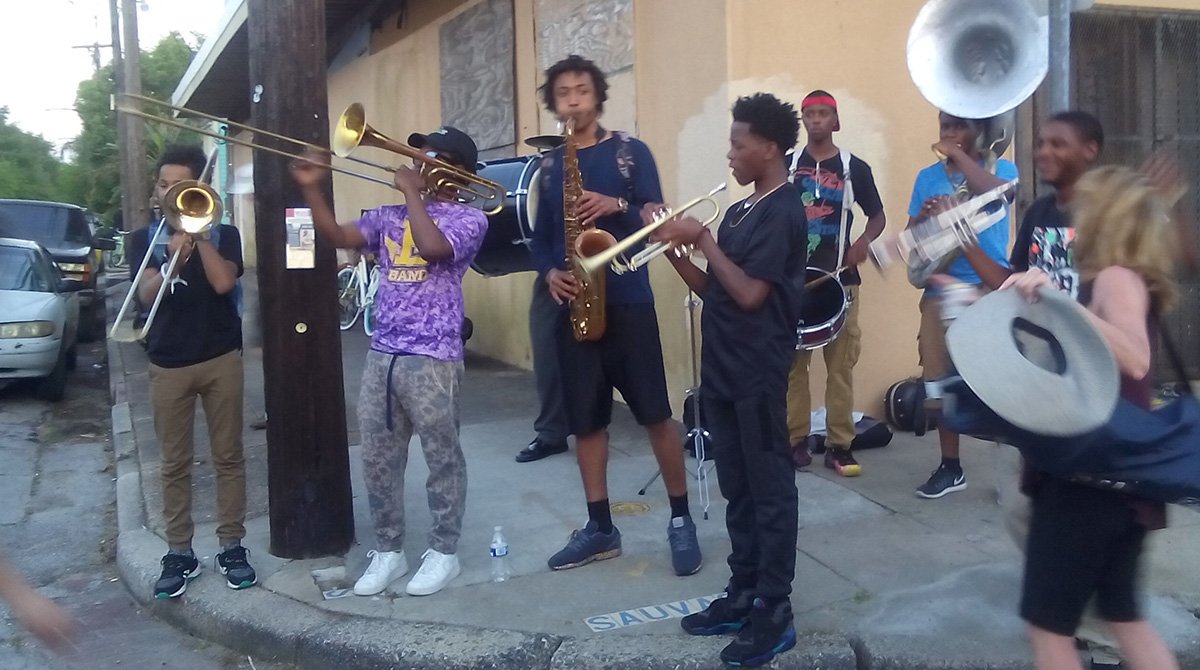
In the realm of recorded sounds, a similar dynamic happened at the beginning of the twentieth century.  New Orleans trumpet player Freddie Keppard feared that if he was recorded, people would steal his ideas. He was definitely on to something. The development of “jazz” was moved forward by recordings and people playing along and transcribing solos of the greats. Evidently, if you wanted to cop Freddie Keppard’s licks, you had to go to Bourbon Street. “Safe harbor. Everything is just content. Stuff. No one owns the stars.”

New Orleans Jazz Fest 2016

It is now 2025 and the mining of original creative content by the tech companies is on full throttle. The pirates are in control of the ship as they have always been.  The AI bots are sucking up all the work of the creative class and “monetizing” it. I was reminded of this when author David Baldacci made a video of how his novels have been ingested and now can be spit out by AI. In his own words  “[they] backed up a truck to my imagination and stole everything I ever created.” These services now spit out novels that read as if they were written by Baldacci, with similar plots, dialogues, and even character names.  “Safe harbor. Everything is just content. Stuff. No one owns the stars.”

Novelist David Baldacci: ‘AI Stole Everything I’d Ever Created’ – YouTube

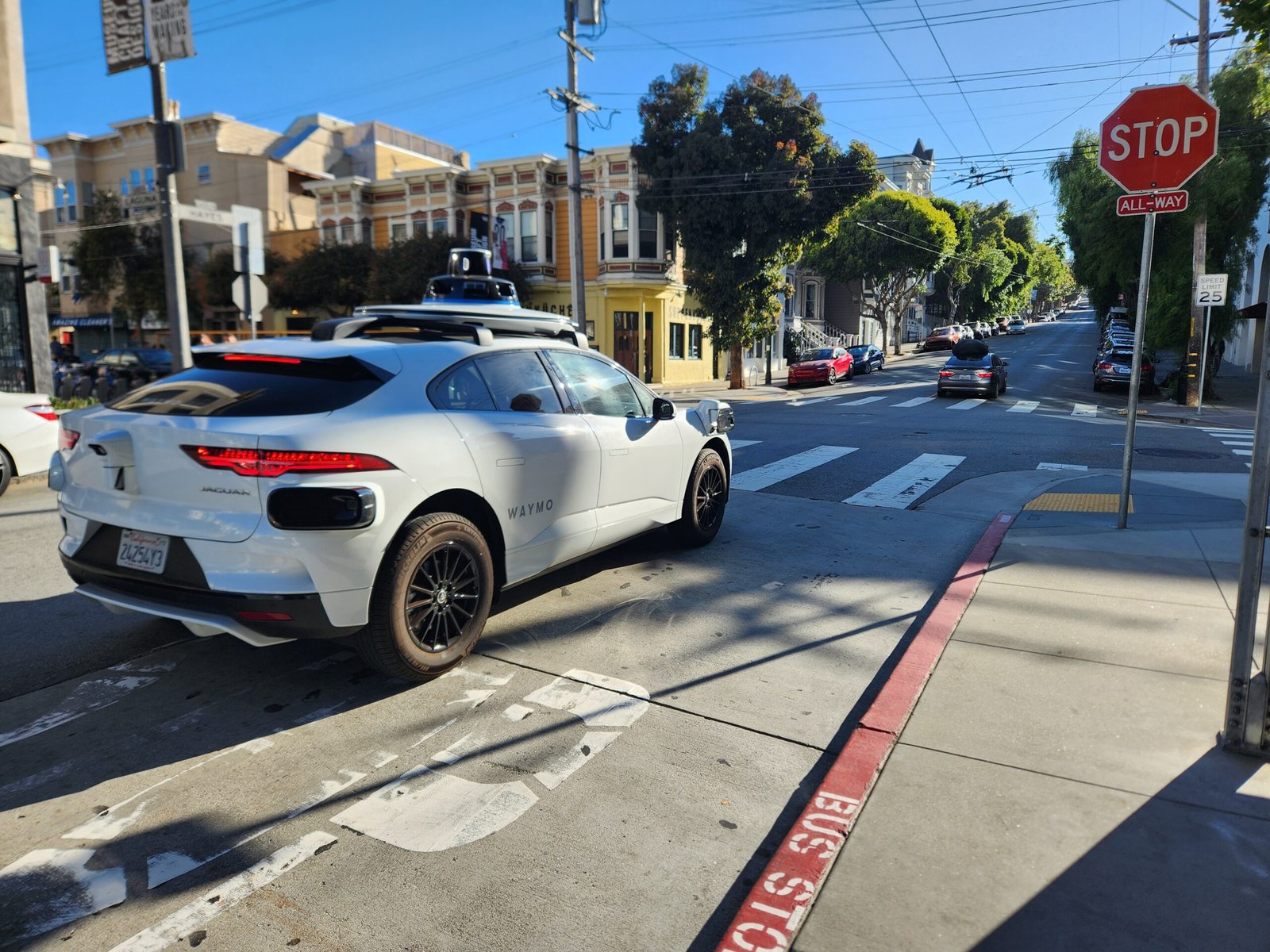
Waymo driverless taxi in San Francisco

Where this will all end, no one really knows. The control of information, the manipulation of people and the censorship of ideas is as great as ever while at the same time the billionaires mine and pillage the movements and work of just about everyone on the planet. I did have a strange dream the other night. I dreamt that a driverless Waymo taxi pulled up to our house in San Francisco and a robot passenger got in the backseat of the car. The taxi drove off. Not a soul onboard. “Safe harbor. Everything is just content. Stuff. No one owns the stars.”

Book Recommendations for Understanding Our Political Realities

If you are interested in learning about how our world got to this gilded age, where a few billionaires have amassed great wealth on the backs of ordinary citizens, a good place would be to check out of your local library Peter Thiel’s Zero to One: Notes on Startups, or How to Build the Future. Thiel believes that monopolies are a good thing. His book is a business school manual and outlines how to create a monopoly and squash the little guy by getting the wealthy and hedge funds to invest in your company. You intentionally sell products for a loss. This process can last up to even ten years. Your competition eventually goes out of business. You then jack prices back up and become the only player in town. Such is the business plan for monopolies like Amazon and Walmart. Meta simply buys any competing company and often just shuts them down. This is the recipe whereby you dominate a market. It is the formula for our gilded age.

Creative monopolies give customers more choices by adding entirely new categories of abundance to the world. Creative monopiles aren’t good for the rest of society, they’re powerful engines for making it better.
– Peter Thiel, Zero to One: Notes on Startups, or How to Build the Future.

Of course, Thiel makes the usual ignorant assumption that all over the world people lived a “extremely hard life.” p.9 An anthropologist he is not. He then goes on to admit that during the late 1990s, while working on PayPal he worked 100 hours a week. Surely more hours and stress than fishing, gathering berries and root vegetables, playing with your kids and sitting around a fire and weaving baskets.

Today, Peter Thiel and his company Palantir Technologies is a key contractor for the U.S. defense department. It is presently taking all the data from various systems and creating a digital footprint for every citizen and probably non-citizen in the U.S.. It is very much like Big Brother in George Orwell’s 1984.  We are all being surveilled.

But why should anyone care what Peter Thiel thinks or does? Because he is a very wealthy and powerful behind-the-scenes player in our world. It is a bit like why General George Patton  read Mein Kampf, Hitler’s autobiography. If you want to understand the powerful, it is best to study their work which is often in plain view. Zero to One. is an easy read, a little book and less than 200 pages.

Peter Thiel’s influence in politics is large. He bankrolled JD Vance’s senate election. In this way he is a bit of a king maker. Of course, another book to check out of the library is Hillbilly Elegy: A Memoir of a Family and Culture in Crisis by JD Vance. I read the book before watching the movie. It is a “rag to riches” memoir where the hillbilly instincts of his grandmother are idealized and the driving force of his character. JD Vance, in real life has steely blue eyes and a bit squat. In the movie, the actor playing him has soft brown eyes, and is much leaner. In our image-obsessed world, where fact and fiction are constantly blurred, biographic films often become a way to define the narrative.

Perhaps as long as we are going down this road, another book to read would be Donald Trump’s Art of the Deal  but Trump surely wrote little of that book.  It was written by Tony Schwartz who regrets writing the book. He has stated that if the book were written today, he would name it The Sociopath.

Peter Thiel is 57. JD Vance is 40. Both will be around for a few more decades. Thiel wrote his book with a student, Blake Master. JD Vance did actually write his memoir. These two men will be very influential for years to come.  Understanding the realities and myths of where they have come from will be important to understand the future.

The Quarterly Report – News From San Francisco -June 2025

The Quarterly Report: A brief synopsis of the news in San Francisco over the last three months. You are now reading “Slow News That Doesn’t Break” – the exotic internet.

Weather

April turned into May and now it is June. Summer in San Francisco has begun. Along the coast you often have a marine layer, otherwise known as fog. This marine layer will sometimes burn off in the afternoon and then we get the strong onshore northwest winds. It is a time for morning walks and afternoon kiteboarding. The surf season is pretty much over until the fall as most days the ocean is blown out. If you are visiting San Francisco, bring a light jacket and layers, maybe even a beanie. Summer is great time of year to walk along the Embarcadero or better yet to visit wine country where it is much warmer. If you have more time, head to mountains and enjoy the streams and lakes.

Sunset lighting San Francisco City Hall

National Politics

Nothing to report on the national politics front that you probably do not already know. The news cycle is manufactured for the attention span of gnats. The current president is a cunning and treacherous man (pay not attention to that strange man behind the curtain). His weird notion that raising tariffs will bring back manufacturing is silly and naïve and more of a marketing play for some nostalgic bygone era.  In the twentieth century,  the growth of U.S. manufacturing was a decades-long process. We have sold all the manufacturing equipment to Mexico, China and Brazil (Punching Out – One Year in a Closing Auto Plant by Paul Clemens).

Matt Stoller in his Newsletter Big illuminates this slow news quite well.

In truth, America’s vast productive capacity was built on skill with machine tools, which are the specialized tools that cut, bore or bend metal. In the 20th century, it was America’s capacity to create factories that sparked the “arsenal of democracy,” and America led the world until the 1960s in machine tooling. We were a high productivity and high wage nation, and the basis was a fierce competitive drive to pull out costs in production as aggressively as possible, using our ability to wield machine tools creatively and cheaply.
 China Is Not Why America Is Sputtering – Matt Stoller on Substack

In the 1980s, the United States economy moved to finance and transferred power to Wall Street where the easy money is had and the people in power could make a quick buck. All the major industries: housing, healthcare, pharmaceuticals,  banking, transportation are controlled by Wall Street. It is but a financial game where the oligarch leaders are the casino dealers and they get to count cards. Sorry for the buzz-kill Donald. Tariffs will simply be a tax on mostly poor people. Price inflation on consumer items will be the only result. The factories are not coming back. We are truly living in the Age of Delusion.

What is really happening, if one looks at the larger picture, is that we are in an economic state of Technofeudalism as outlined in Technofeudalism: What Killed Capitalism by Yanis Varoufakis. Big data now dominates our lives and we are unknowing serfs volunteering our time and energy for the oligarchs who rule the day. Pretty fair assessment. Yanis Varoufakis solutions are a bit overidealistic and impractical, but his birds-eye view of our modern economy is right on.  Very chilling.

Another of Donald Trump’s deplorable initiatives is deporting migrants, many whom are in the U.S. legally, and most who do not have a criminal record. Most are here to simply work, make $15-$20 an hour and send some money back home. This is all more than ironic as Mr. Trump is a convicted felon. Our supposed free press has done a deplorable job investigating Trump’s businesses hiring practices. It is common knowledge that people who do the grunt work in hotels, real estate and golf courses are often recent immigrants, often undocumented and living in the shadows.  Where are you New York Times and Washington Post? It’s pathetic.

Local Politics

When you visit San Francisco this summer, you may be surprised that there are less unhoused people on the streets. Major Daniel Lurie has done a fine job getting them out of Civic Center, 5th Street and Market Street areas. Often times they do end up getting services and he has been creating more beds. Sometimes the homeless simply move on to the next neighborhood. The Mission District around 16th Street has had a new influx of unhoused people. Indeed, they have made it five miles south of downtown all the way to the sidewalks of the Excelsior District where they camp out on a sidewalk with a  fifth of something strong and a cardboard sign pleading for mercy. We have seen this playbook before. However, I do give Mayor Lurie credit. The Civic Center is free of tents and Park & Rec are there with some cool games to play.

Jerry Day in McLaren Park is around the corner on August 2nd

Sporting News

The Golden State Warriors made it to the playoffs but were trounced by the Minnesota Timberwolves. Steff Curry was injured. the team is getting a bit older and without the usual depth. As the saying goes: you can’t win them all.

AT&T Park where the SF Giants play

As of this writing, the San Francisco Giants are playing well and just 2.5 games behind the Dodgers in a tough Western Division.

Paul Lyons and Trumpeter Luis Gasca
Author Paul Lyons and Trumpeter Luis Gasca (85 and still doing it)

Road Repairs, Parking Tickets, Do Not Parks Signs and Other Treacherous Endeavors

I recently had to get a new set of tires after just four years for a car that rarely leaves San Francisco. Many of the roads in San Francisco are terrible. This is especially true in the less affluent parts of town.. The City tries but it is odd that high-traffic streets like Mission Street get very little love (this was once the “royal highway” where the early missionaries first traveled). It must be pretty high maintenance for the 14 and 49 Mission buses that bounce their way down the El Camino Real. Below are some of the photos of the roads that I took without even trying. There are worse spots on Mission Street. No bueno!

That is The Quarterly Report – June 2025

Some photos from the last few months.

No Need for Alcatraz, You Can Stay at Rikers

“That is why, today, I am directing the Bureau of Prisons, together with the Department of Justice, FBI, and Homeland Security, to reopen a substantially enlarged and rebuilt ALCATRAZ, to house America’s most ruthless and violent Offenders.”
Donald Trump = May 5, 2025, AP News

It never ends. The crazy, ridiculous ideas. Donald Trump wants to save the government money but at the same time wants to open a prison that was closed sixty years ago because it was far too expensive to maintain and run. He seems to have a fetish with incarceration. Someone should inform him that there are many famous prisons in California. For just one of his many offenses and felonies he could be locked up in say San Quentin. That has a ring to it. Or perhaps Folsom Prison where Johnny Cash made that famous album. I am sure they could round up someone to sing the Folsom Prison Blues while Donald lunches on some toxic thin gruel. But I always thought Rikers Island Jail in New York is the most appropriate. Like Alcatraz, it is an island and this way he could get easier visiting rights from the likes of Melania and other friends and family.  Just saying.

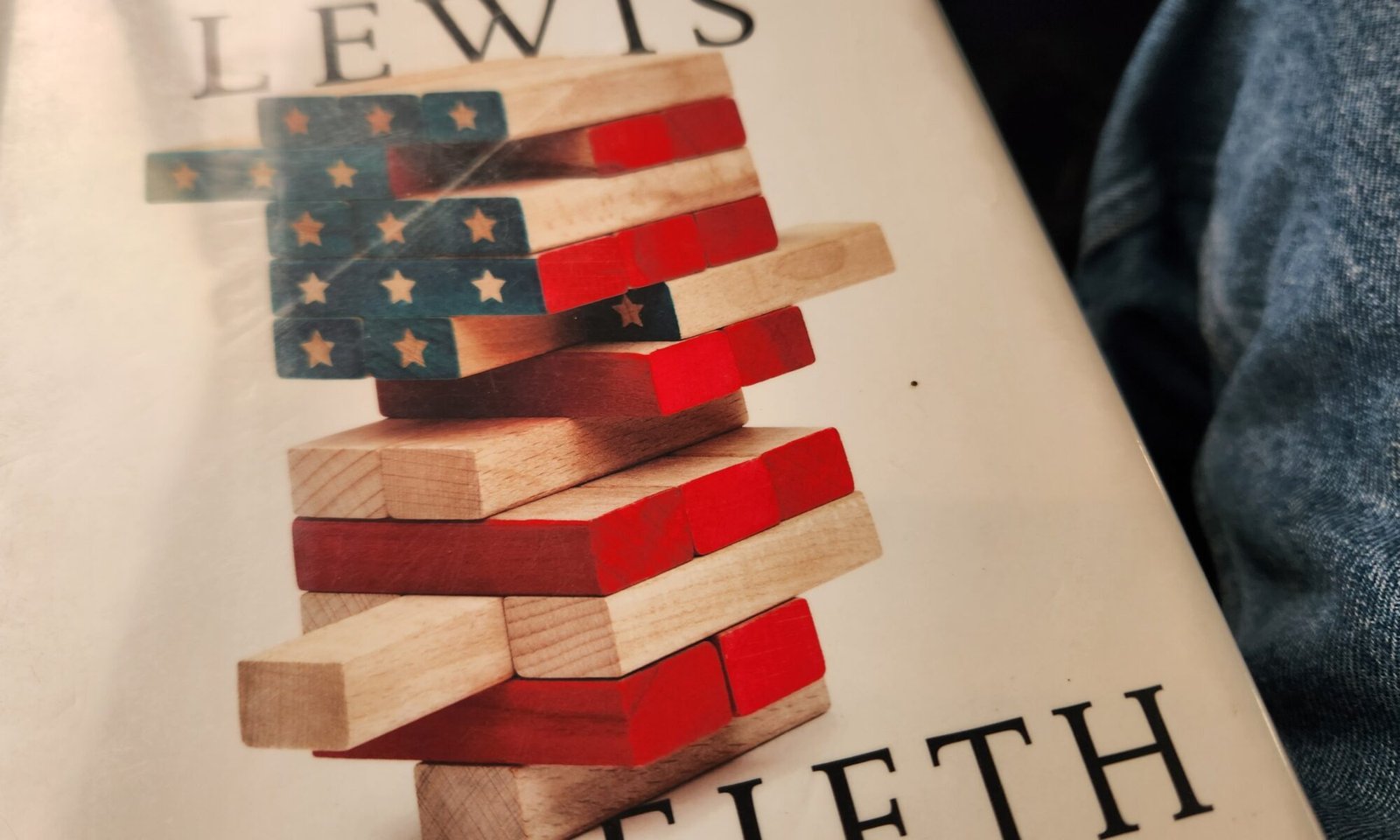
The Fifth Risk by Michael Lewis – On Ignorance

Indeed, if you are seeking to preserve a world view, it actually helps to gut science. Trump’s budget, like the social forces behind it, is powered by a perverse desire – to remain ignorant. Donald Trump did not invent this desire. He was just the ultimate expression.
Michael Lewis – The Fifth Risk

The Fifth Risk is a book about how the federal government does all sorts of things people take for granted. They make sure our food is safe. They make sure nuclear waste does not end up in the ground water or our rivers. They make sure airplanes do not crash into each other. The list is long and Michael Lewis illuminates just a few stories. It is a fun fast read and the type is large. With the cutting of the federal workforce it will be only time before the American public gets pissed off.

UPDATED: 3/5/25

Books I Read in 2024

In 2024 most of the books I read were courtesy of the San Francisco Public Library. I read parts of books and checked out books that I was simply curious about. The San Francisco Public Library is an amazing resource.

Below is a list of books that I finished. I do this exercise to simply reflect on the previous year. One of my favorite books of the year was Tropical Truth a Story of Music and Revolution in Brazil by Caetano Veloso. It is a book written by the musical artist and illuminates music in Brazil during the 1960s and 70s. It opened up a journey into the music of such great musical artists such as Chico Buarque, Dorival Caymmi and Gal Costa. It introduced me to the concept of anthropophagia that was a large part of the Tropicália musical movement.

Books I Read 2024

Romney A Reckoning
Coppins, McKay
First Scribner
see review

My Bike & Other Friends Volume II of Book of Friends
Miller, Henry
Capra Press

Baumgartner A Novel
Auster, Paul
Grove Press

Tropical Truth a Story of Music and Revolution in Brazil
Veloso, Caetano
Alfred A. Knopf

The Free World – Art and Thought in the Cold War
Menand, Louis Farrar, Straus and Giroux
This is a great read of essays. A bit like reading and endless New Yorker issue.

The Autobiography of Malcolm X
Malcolm X
Ballantine Books
One of those classic civil rights era books that is great to read to the very last word.

What Kind of Bird Can’t Fly A Memoir of Resilience and Resurrection
Nunn, Dorsey
Heyday
see review

Adventures of Huckleberry Finn
Mark Twain
The Mark Twain Library
Every time I read this masterpiece I find a different angle. I read the original version, some while camping and bike packing along the Mississippi River.

The Origins of Totalitarianism
Arendt, Hannah
Schocken Books
I read most of this book. It was interesting that the first 100 pages is about anti-Semitism. It was written a few years after the Second World War and it is easy to see how racism is always a prime component of totalitarianism.

The Last Night of the Earth Poem
Buckowski, Charles
This is a very fun book to read if you do not like poetry. Buckowski writes in a very accessible fashion and it is pretty hilarious at times.

Invisible Man
Elison, Ralph
Knopf Doubleday Publishing Group, 1995
One of those books that you think you read but when a few chapters in you realize it is your first past.

Hillbilly Elegy A Memoir of A Family and Culture in Crisis
Vance, J. D.
Harper
I read this before the elections. Strange to think that the author is going to be the next vice president. He grew up in a poor broken family with his foul-mouthed grandmother matriarch often the hero. He benefited much from the safety nets created by the New Deal, all things that he now wants to tear down. His main point is that hillbilly instincts are rarely wrong and a sort of untouchable source of wisdom.

We Are What We Pretend to Be
The First and Last Works
Vonnegut, Kurt Vanguard Press, c2012.
Short read of Vonnegut. The first novella is a formally unpublished work when he was a young man and before he developed his style and wit.

Seneca – Fifty Letters of A Roman Stoic
Seneca, Lucius Annaeus
Chicago : The University of Chicago Press, 2021

Something That Will Surprise the World
The Essential Writings of the Founding Fathers

Washington, Hamilton, Jefferson, Adams, Madison
Basic Books, c2006.
The amazing thing that you realize when reading this book is that the Founding Fathers had respect for the intellectual.  Many were amazing writers and often wished only to retreat to their farms to read and study. I always like to read the original documents, not interpretations of the works.

Dear George Washington – On Healthcare – Part 1


George Washington
Former President of the United States
The White House
Washington, D.C.

Dear Honorable George Washington,

November 22, 2024

It is with utmost respect and gratitude that I humbly write you this letter, sent into the abyss of time, and with the knowledge that you are enjoying your eternal rest with our Maker. The postal service, as outlined in Article I, Section 8 of the U.S. Constitution, is still functioning adequately save for towns on the edge of the continent, such as Bolinas, California, where the post, for reasons not made public, has been suspended.  Though it may shock you, the entire western coast of America is part of the United States, of which there are now fifty. There are millions of souls and even woman and Black people can vote, though there are forces present to revert to prior voting regulations and rules. Forgive me honorable icon of virtue of this Republic.  I easily digress. With the utmost admiration, I hope you are doing well and that your afterlife is one of tranquility.

You probably wonder what has happened with the United States of America, the country that you lead into battle in Harlem Heights long before the existence of even the first bodega grocery store. The country of which you were the first President though you would rather have been recluse with Martha on the farm at Mount Vernon. The Republic that you founded on the modern, fashionable French philosophy of liberty and equality, (save for the slaves and women and others we deem unworthy). My friend: all is not well with the Republic, but that is another matter. This letter is to begin our conversation and update you on advances in the area of medicine and dentistry.

The letting of blood that you carried out with the advice of your doctor, and that which hitherto was common practice was later deemed to be a therapy of little use and perilous for the patient. Voltaire was mostly correct in stating that  the “the art of medicine consists in amusing the patient, while nature cures the disease.” Indeed, blood-letting has accounted for the deaths of thousand and thousand of souls.  That’s the bad news. The good news is that many years after your death, a potion called an antibiotic was developed. These potions, often taken as pills, would have rid the disease that had invaded your body and you would have experienced relief in a matter of hours.  Science does move forward from time to time. The age of reason proceeds sporadically. You apparently came to the festivities a few hundred years too early.

Another piece of good news is that field of dentistry has advanced beyond your wildest dreams. Today, while many in the field of dentistry appear to be charlatans, with twice yearly visits, ordinary citizens can keep their teeth healthy for their entire lives. Additionally, the manufacturing of false teeth and what are now called dentures has advanced to the point were these false teeth look even better than the teeth God provided! Additionally, held in place with a modern sort of adhesive, they are surprisingly comfortable.  I know not the dental programmes in heaven so this may be old news. I do hope that dental pain is not part of you daily life. It is extremely difficult to pursue tranquility and virtue when you have a raging toothache and your only remedy is to bite down on a strand of hemp.

I am humbled to have this unique channel of communication, and I extend my deepest thanks for your service and sacrifice.

With the highest esteem and respect,

Yours,

Paul Lyons


Traffic Lights, Artificial Intelligence and Driverless Cars Stopped at Red Lights

Driverless Car is San Francisco

You see them everywhere is San Francisco these days – driverless cars. Waymo uses a Jaguar with cameras all over the place. George Orwell is probably mumbling “I told you so!” from his grave. Driverless cars are found on slow streets, going up and down hills in neighborhoods, in downtown during rush hour, on crowded streets by Golden Gate Park – sometimes two, one after another.  No one in the driver’s seat. Rarely a passenger in the backseat. They creep me out.

I was thinking about these cars that often clog up our busy streets, endlessly mapping the terrain, when at an intersection where everyone was going nowhere -everyone was waiting at a  red light. I thought: how hard would it be to put a little artificial intelligence (AI) into urban traffic signals? It seems now the traffic signals all are all on egg timers.

Like most things in large organizations, like cities and counties,  large companies and corporations, things move slowly when adopting new ideas and technology. This is both good and bad..

Half of San Francisco’s traffic signals were built more than 30 years ago.
– Traffic Signals Program

Half of San Francisco’s traffic signals were built more than 30 years ago. This means that they were built to last but the actual technology in the signals is from the 1990s or older.

The failure of many of the technological transformations of our society is that they are done without a very holistic mindset. The larger consequences are rarely considered. Economics and a quick buck seem to be the driving forces.

What if just 10% of the technology of the fancy driverless cars went into more responsive and “smarter” traffic lights? A traffic signal could sense that even though there is a left turn signal there are no cars there, and by the way, the through traffic is backed up due to a sporting event just ending. There are many more scenarios like this, and I would think that the actual programming would be pretty simple if/else statements.

I did inquire with the City or San Francisco and got a quick response. This is what they said:

“To your inquiry about traffic signals and AI, the majority of signals in San Francisco are pretimed, or the timing is predetermined based on minimum requirements and estimated demand.  Some locations have sensors that change traffic signals based on actual demand or presence of certain vehicles like buses.  But no set of signals operated based on algorithms that optimize based on artificial intelligence.”  – sfgov,org

In other words, almost all traffic lights are are on egg timers, or “pretimed.” If any of our readers know of any companies or municipalities developing more modern traffic signals, feel free to comment below.


Sept 21, High Noon in Every Time Zone – United Nations International Day of Peace in San Francisco

40th Anniversary of the First Global Celebration of the
United Nations International Day of Peace in San Francisco

Join the PeaceWave
A Minute of Silence, a Moment of Peace

Sept 21, High Noon in Every Time Zone
3 Billion People from over 200 Countries to Participate

PeaceWave launched from San Francisco in 1984 gathers more and more strength as it circumnavigates the globe for its 40th year in observance of the United Nations International Day of Peace this September 21.

In a universal symbol of unity, digital billboards in San Francisco will display video of glowing candle at noon and midnight on Sept 21.

The sound of silence reverberated at high noon in every time zone across the globe on September 18, 1984 as it rode a peace wave launched from San Francisco.

On that day, Pathways To Peace (PTP), a UN-designated Peace Messenger Organization, had coordinated a Peace Day in San Francisco (the birthplace of the UN) to celebrate the International Day of Peace, which was first established by unanimous United Nations resolution in 1981 as the opening day of the UN’s annual session in September.

The focal point of the San Francisco Peace Day event, a co-operative, public assemblage of representatives from diverse organizations, religions, and backgrounds, was the activation of a global PeaceWave- a “minute of silence, moment of peace” observed at noon in every time zone- to coincide with the traditional minute of silence that the delegates of the UN General Assembly observed to commemorate the day as they rose to convene in New York for their year’s work.

As the PeaceWave circled the globe that first year, citizens from 52 countries responded to the invitation from San Francisco to participate in the celebration of the International Day of Peace. Those numbers have grown exponentially over the past 40 years. This year, organizers are expecting three billion people to observe the noon minute of silence and to participate in peace building events held in over 200 countries. Major international cities such as Geneva, Hiroshima, and New York will join San Francisco in livestreaming their Peace Day events to a global audience, with more cities to be announced in the weeks to come.

To celebrate the 40th anniversary of the first United Nations International Day of Peace gathering and the launch of the PeaceWave from The City by the Bay, Pathways To Peace is hosting the Peace Day gathering at the Civic Center Plaza in San Francisco this September 21.

This year’s celebration marks a unique collaboration with “Essays for Peace”, a global action for inner and collective peace that consists of replacing the content of every possible screen in the world (public and private, big and small ) with the image, in video, of a lit candle glowing for five minutes, one minute, or any possible fraction on September 21 (concentrated mostly at midday or midnight). Initiated by international artist Martin Bonadeo, “Essays in Peace” is meant to evoke a universal symbol of unity- a simple candle that bears no words, no logos, and no political or religious associations. The digital candle image will be livestreamed from the Pathways To Peace event at Civic Center Plaza and displayed on billboards throughout San Francisco. (Several billboards are in talks to display the candle in the days leading up to the 21st.)

Tezikiah Gabriel, Executive Director of PTP, said, “As it was 40 years ago, the purpose of the Peace Day initiative is to foster cooperation at all levels of our local-global communities and to demonstrate the difference each individual, group, organization, or nation makes when acting in concert with one another… enough of a difference to change the course of history!”

About the UN International Day of Peace in San Francisco
Hosted by Pathways To Peace, the San Francisco International Day of Peace celebration will be held on September 21 at the Civic Center Plaza in front of City Hall from 11:00 am to 4:00 pm.

Award-winning singer and activist Amikaeyla Gaston will emcee the event, which will include:

  • an introductory welcome by San Francisco Mayor London Breed
  • a variety of musical performances headlined by Maria Muldaur
  • dancers, drummers, poetry slams
  • a meditation led by Dr. Emmett Miller
  • observance of a minute of silence at noon in tangent with a digital display of a lit candle
  • The day’s events will be simulcast with a livestream of celebrations held in other major international cities as the Peace Wave circles the globe from its birthplace, San Francisco.
  • Participants are invited to conclude the day with a global peace walk from the Civic Center Plaza to the Golden Gate Park, hosted by partner organization Global Peace Yes.

For more information, visit https://pathwaystopeace.org/international-day-of-peace-40th-anniversary/
About Pathways To Peace
Initiated in 1978 and incorporated in 1983, Pathways To Peace (PTP) is a UN-designated Peace Messenger organization, has Consultative Status with the United Nations Economic and Social Council (UNESCO), and works with the UN Centre for Human Rights, UN Centre for Human Settlements, UNESCO, UNICEF, and other agencies.

As an international Peacebuilding, educational, and consulting organization, PTP has dedicated itself to expanding the understanding and expression of Peace, fostering Peacebuilders and Peacebuilding activities, and building an integral movement for a Culture of Peace. PTP is a tax-exempt, Social Profit, Non-partisan 501(cX3) Corporation (tax-exempt ID# 68-0015625). https://pathwaystopeace.org/

About Essays for Peace
September 21st – UN International Peace Day.

We invite everyone to be part of Essays for Peace.

This global action consists of replacing the contents of every screen in the world (public and private, big and small) for 5 minutes (at midday or midnight) with the image, in video, of a lit candle glowing.

No words. No logos. No political or religious associations. Just a candle.

We want to evoke a universal symbol of unity. Each glowing flame projected represents a pilgrim soul seeking tranquility; each one rising like a prayer for the solidarity that can cure our fractured world.

The project proposes to assemble a network of networks: individuals, public and private organizations together looking for their inner peace, where hope and solace can emerge both spiritually and collectively in order to renew our commitment to peace. https://essaysforpeace.com/