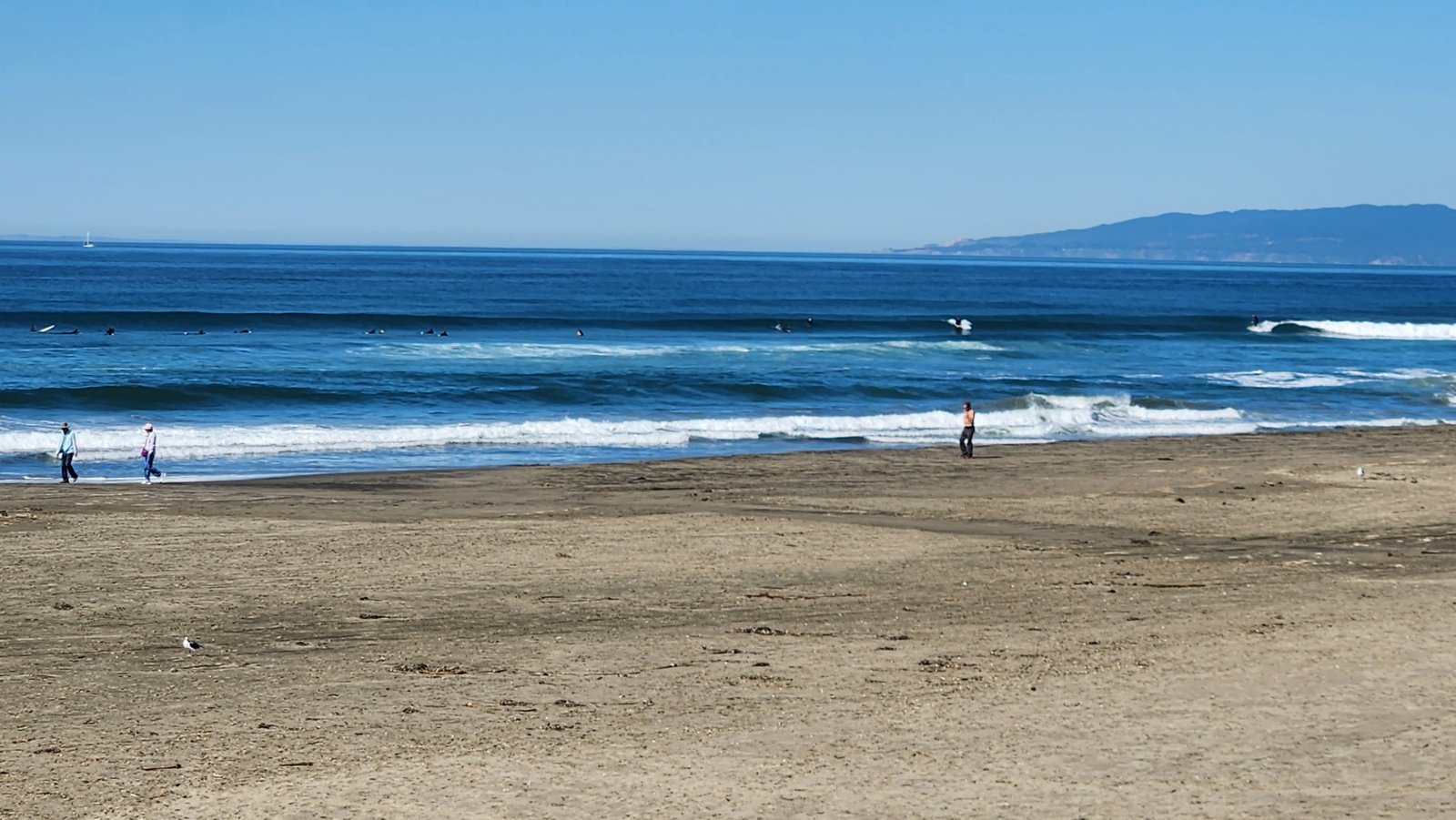
October is a special time of year in San Francisco. The fog usually moves out and the long period swells start rolling in. The surfing gets good. This year we have had some early season rain which is quite welcome seeing as fires have been a major problem of late. With the cumulous clouds in the sky the sunsets have been magical.
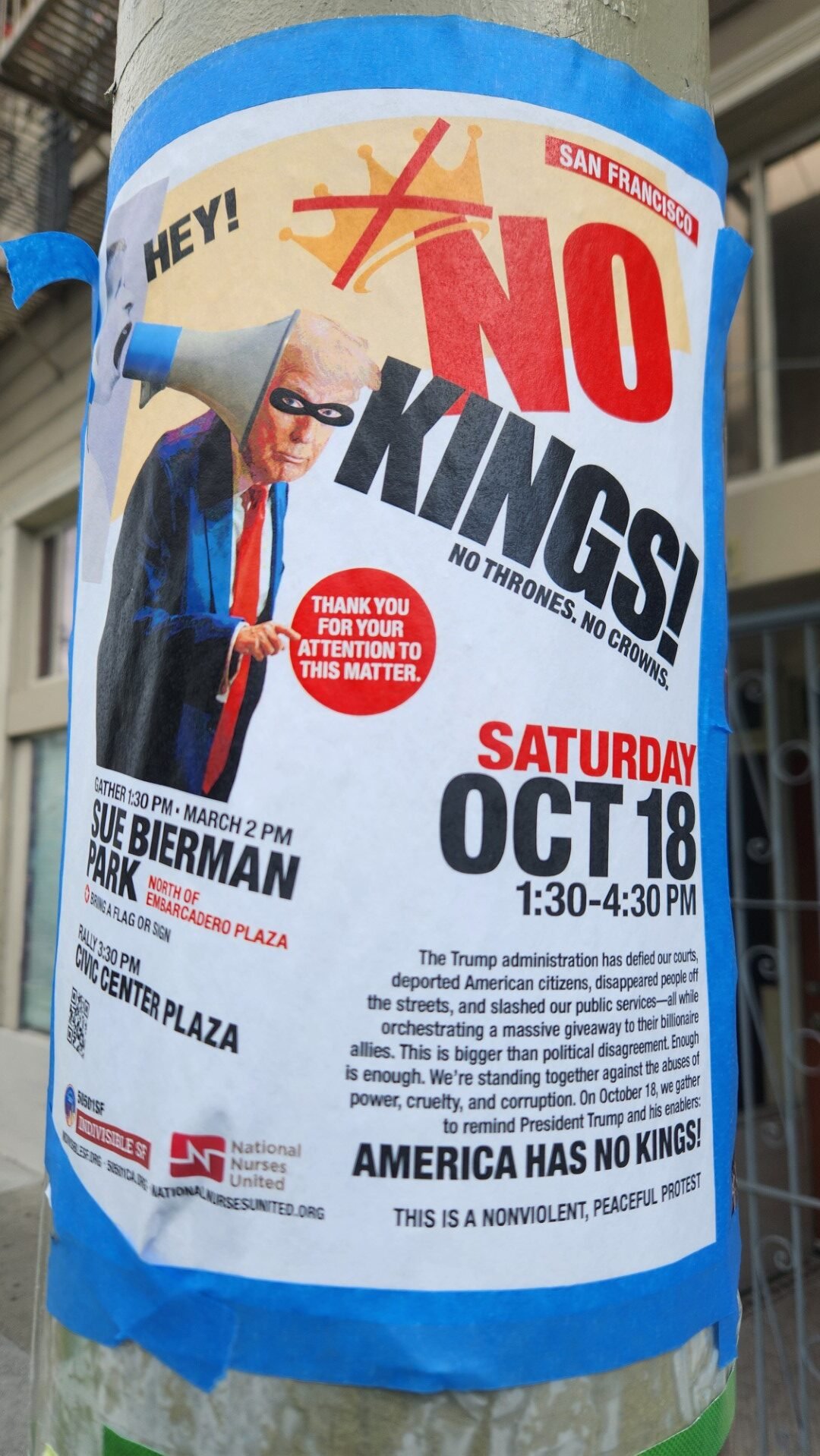
There is no reason to send in the National Guard or troops of any kind into San Francisco. As you can see by the photos there are no major disturbances. There is a fentanyl problem but that was actually started by the U.S. pharmaceutical industry and both the City of San Francisco and many non-profits are working on the problem and helping those involved. On Saturday many of us will take to the streets for a No Kings – No Thrones – No Crowns protest. If George Washington were alive, he would surely be joining us.
We are not crazy. We are the Americans.
No Kings Protest – Saturday October 18, 2025
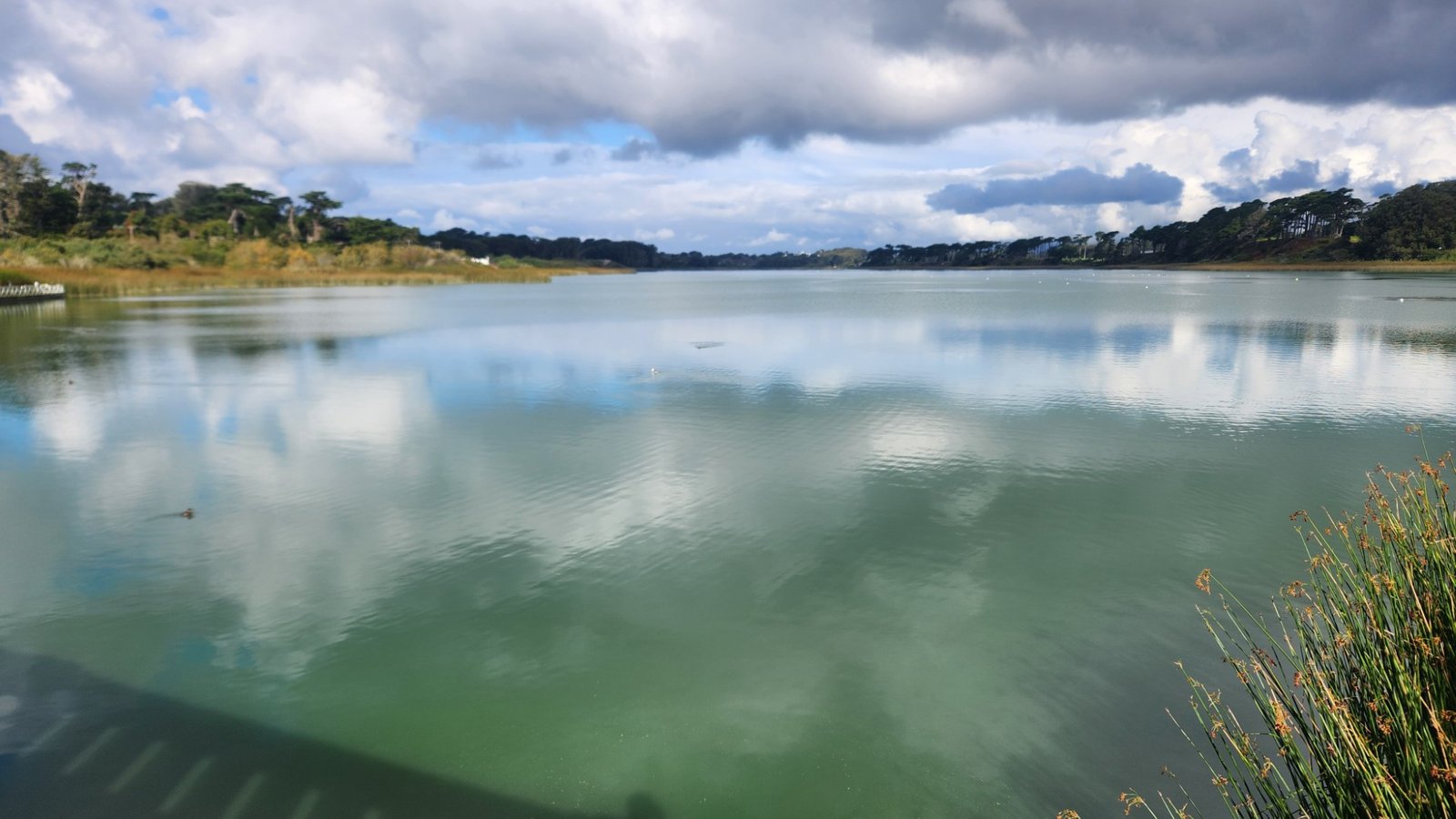
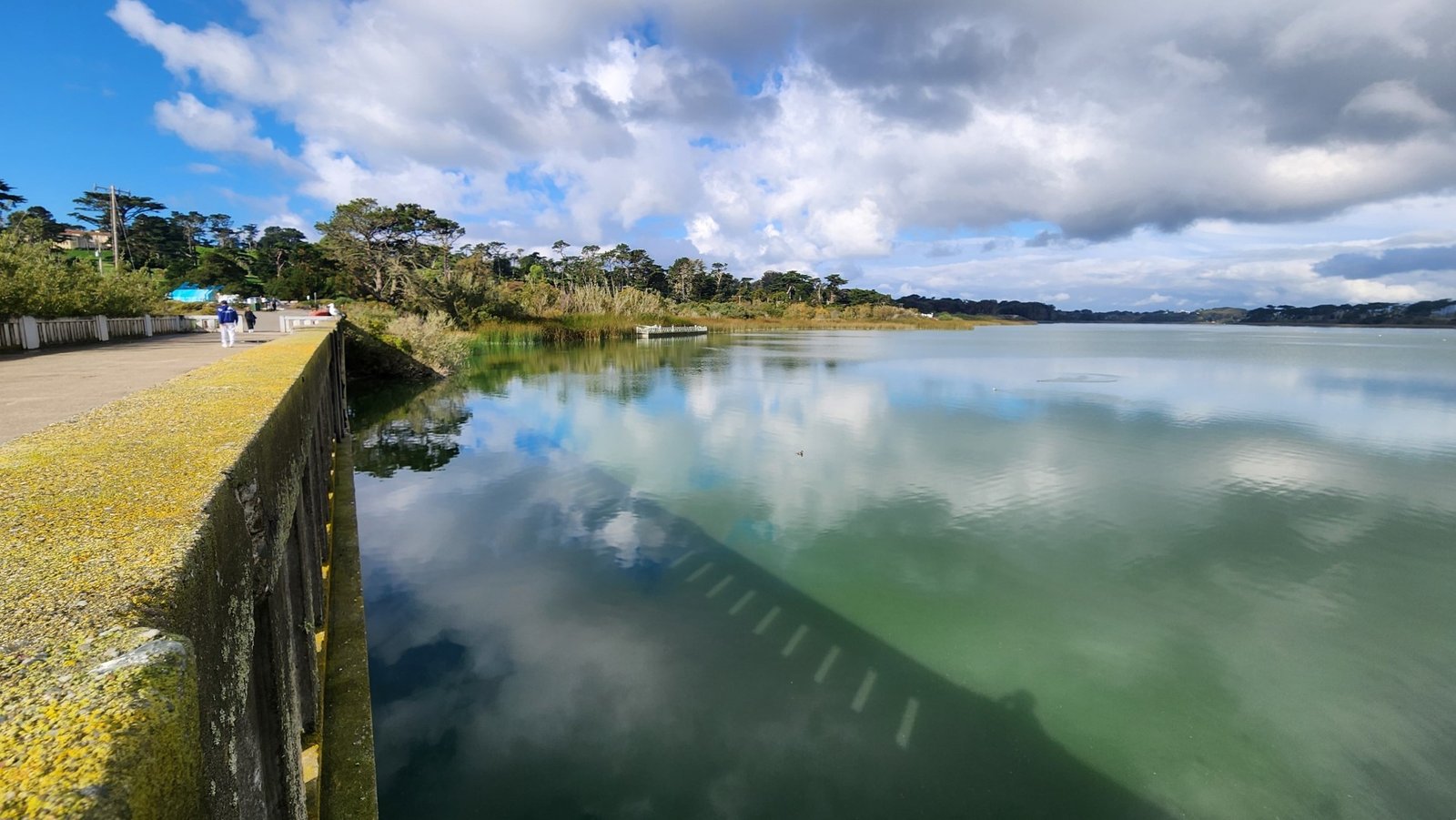
Lake Merced
Lake Merced
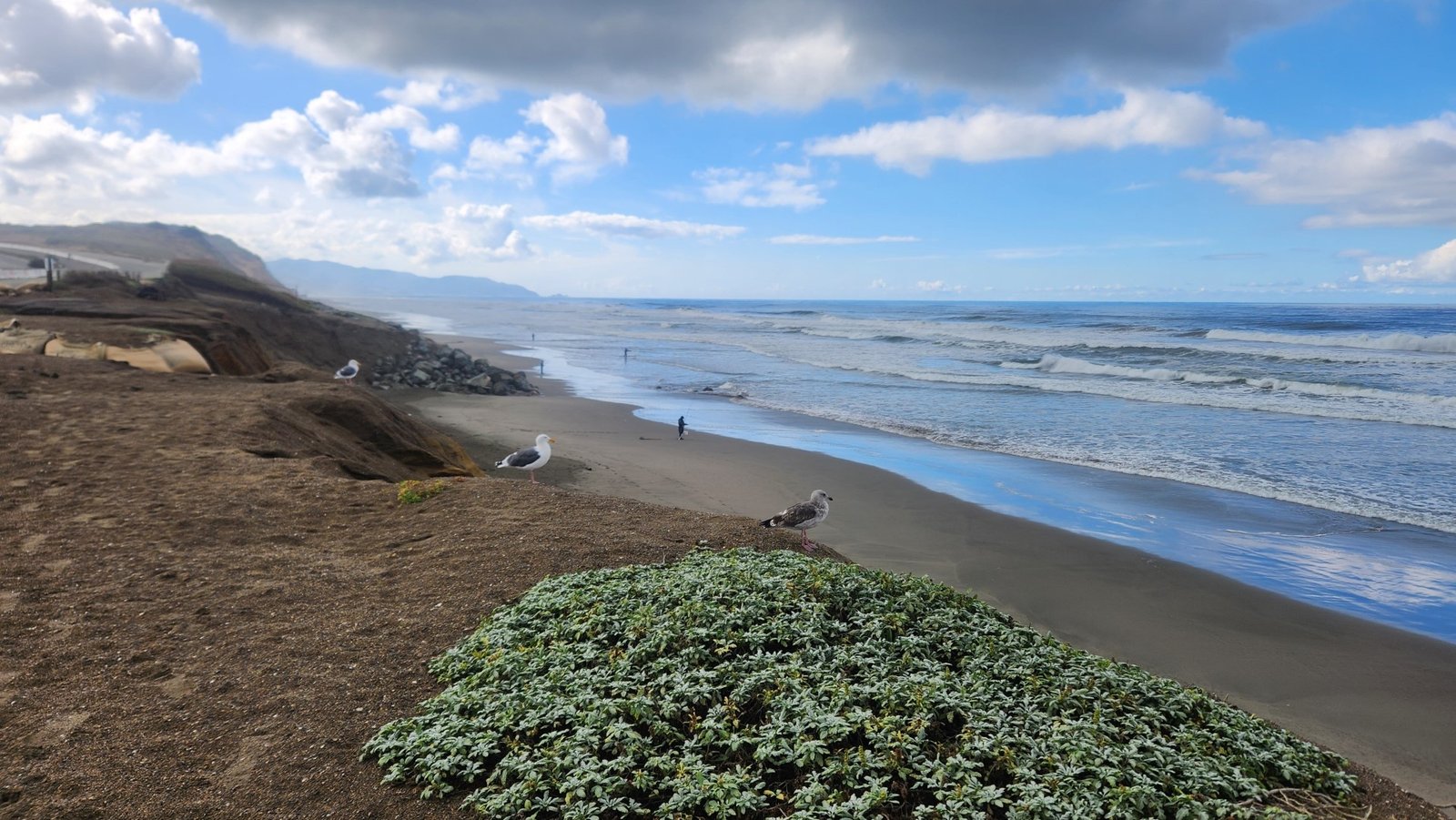
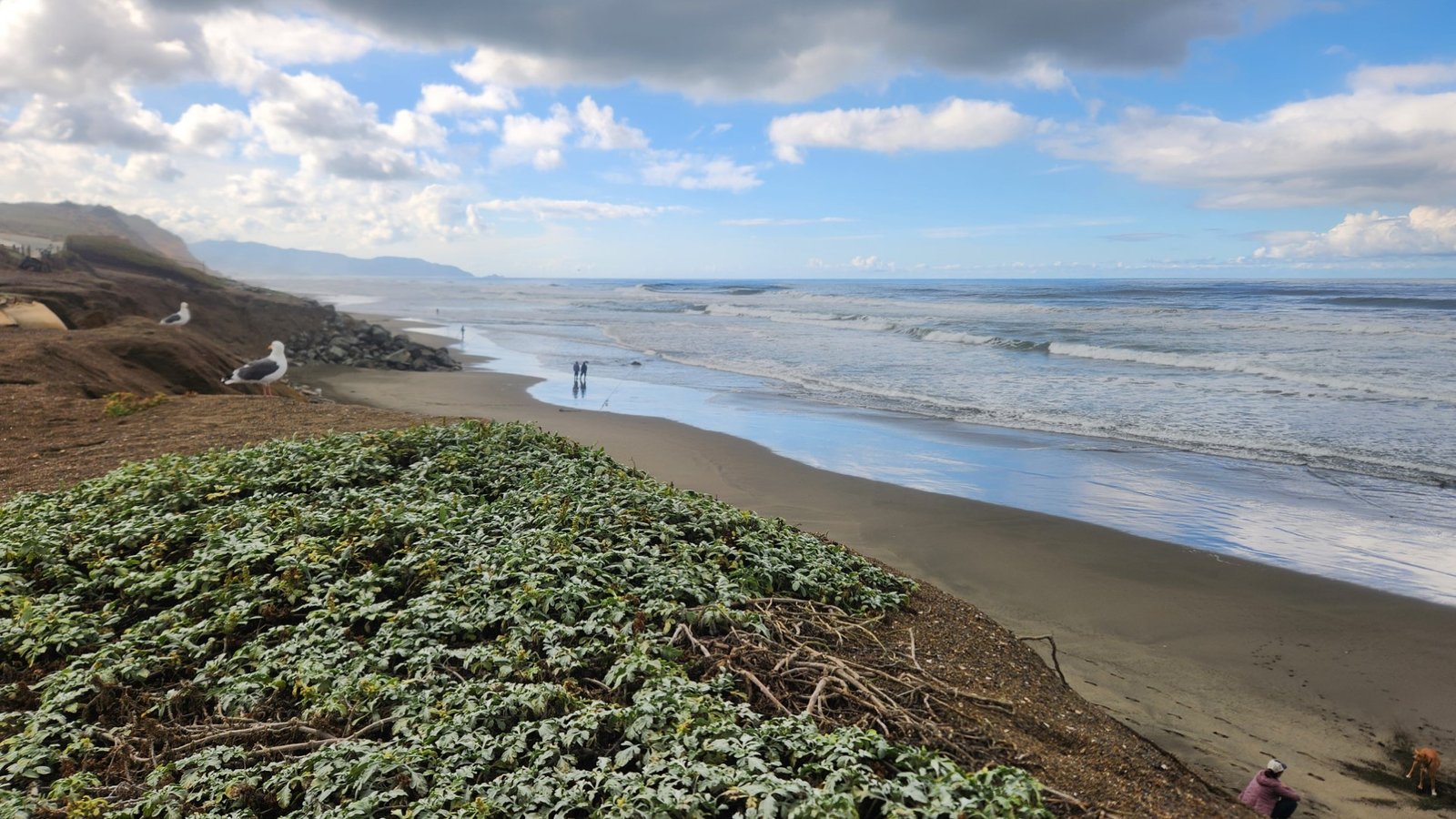
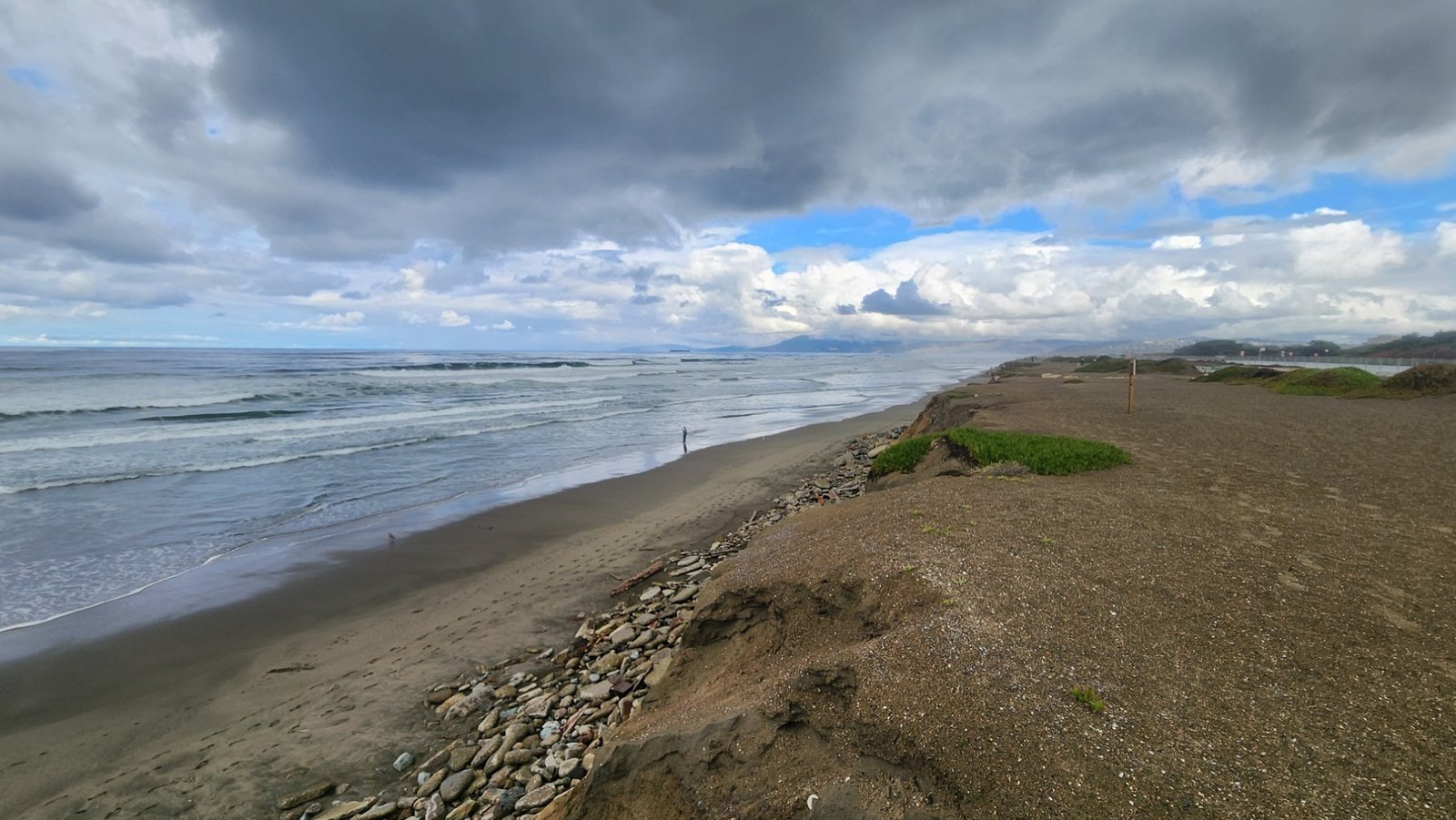
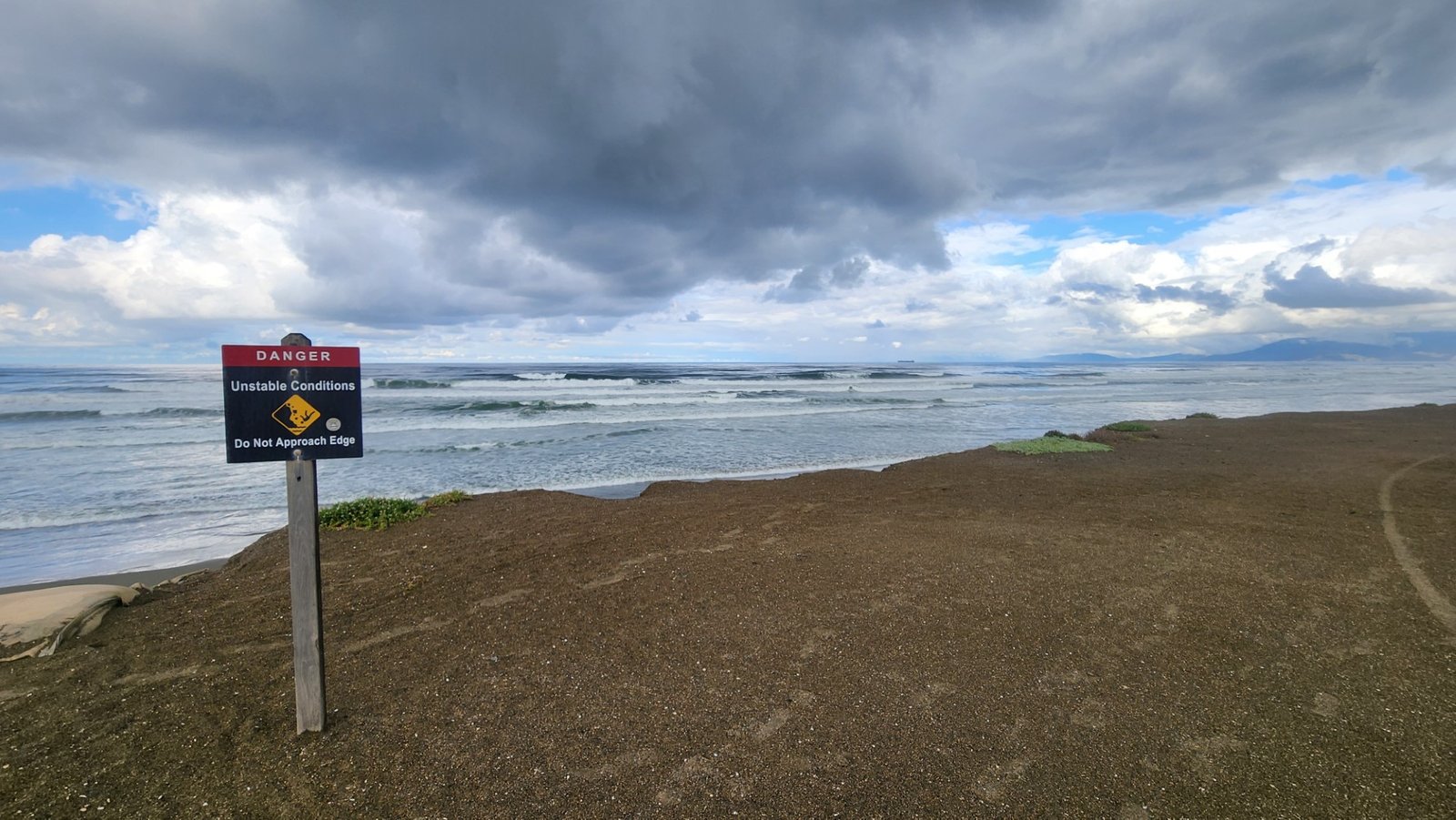
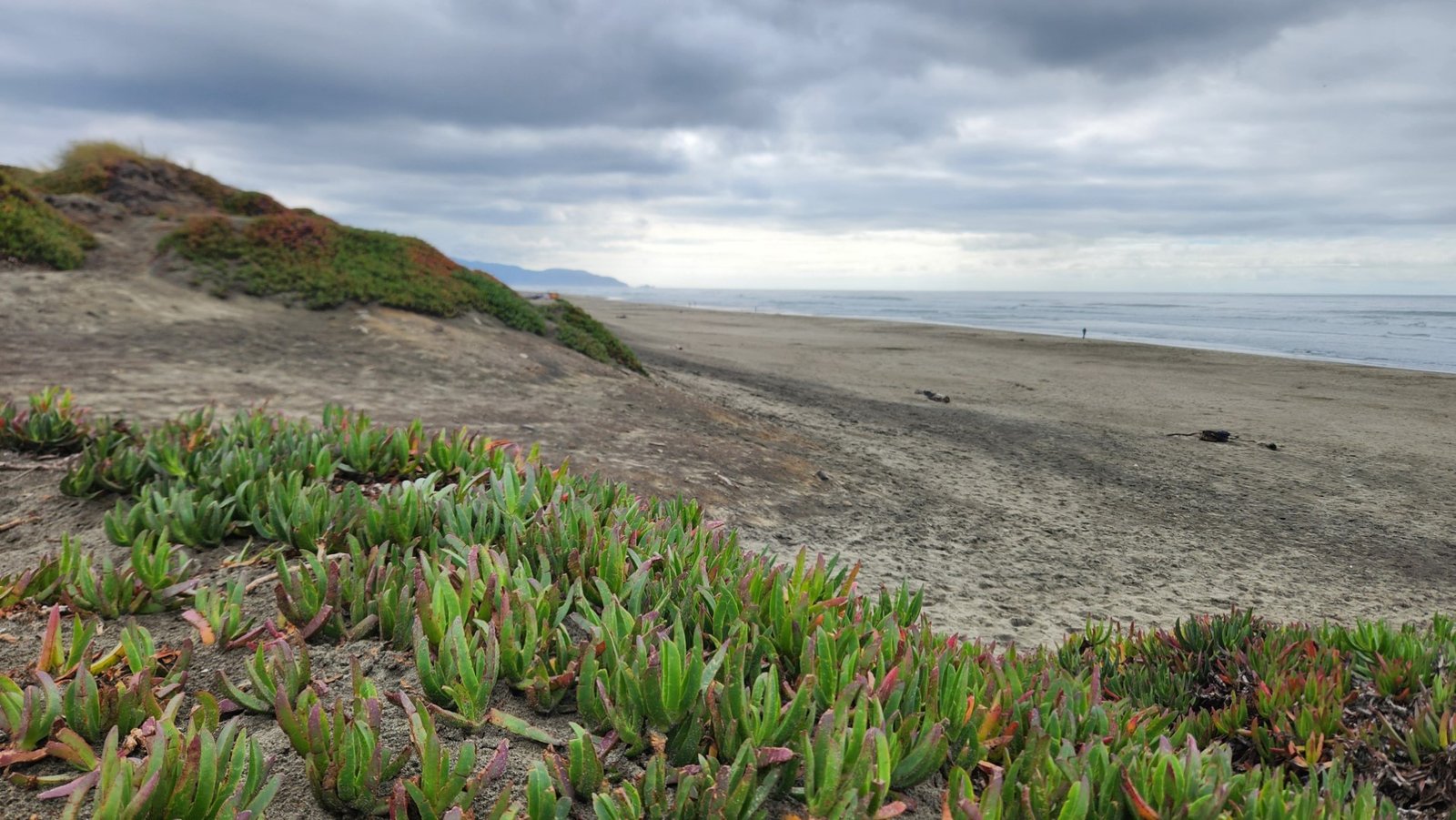
Ocean Beach San Francisco
Ocean Beach San Francisco
Ocean Beach San Francisco
Ocean Beach San Francisco
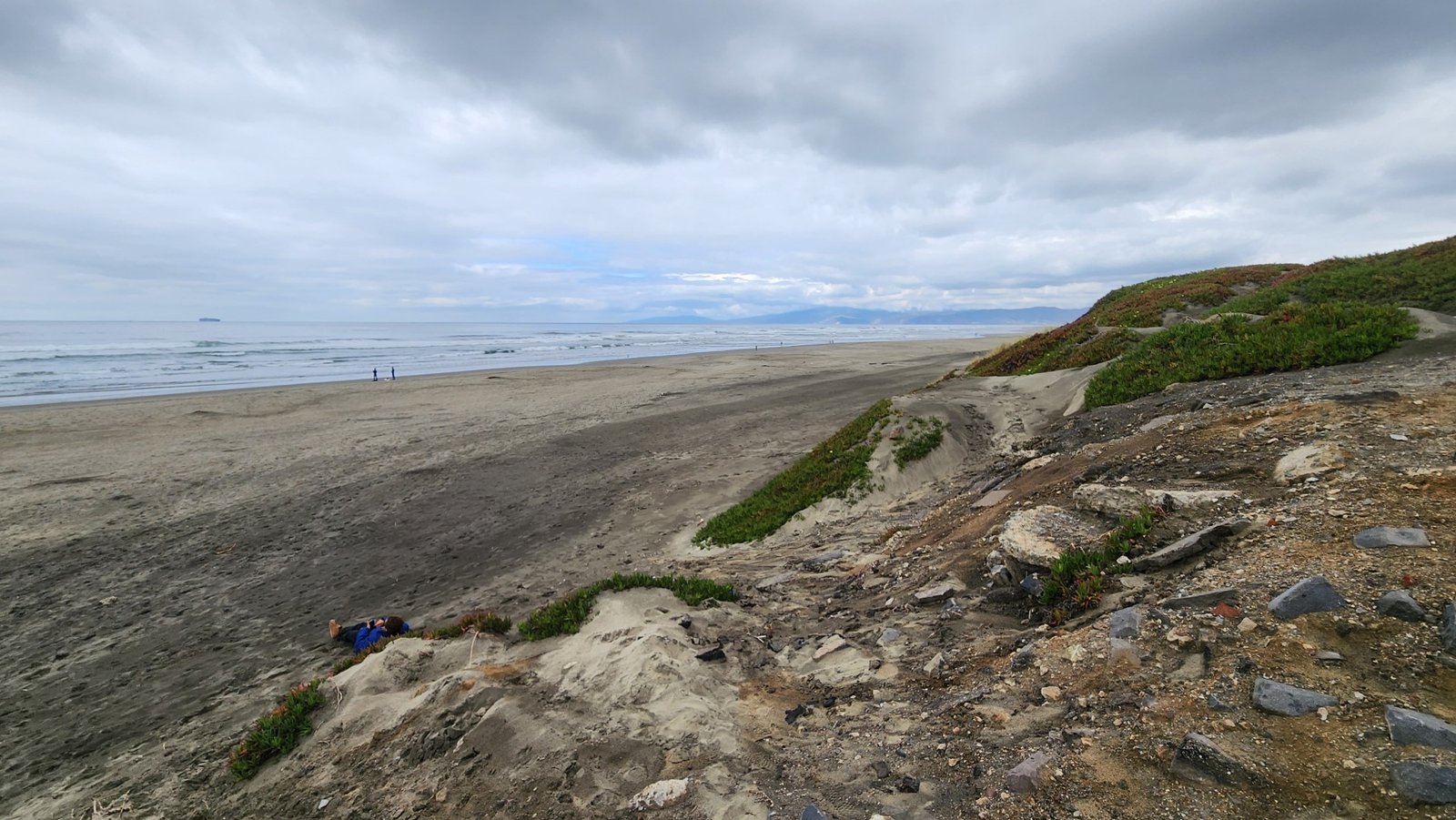
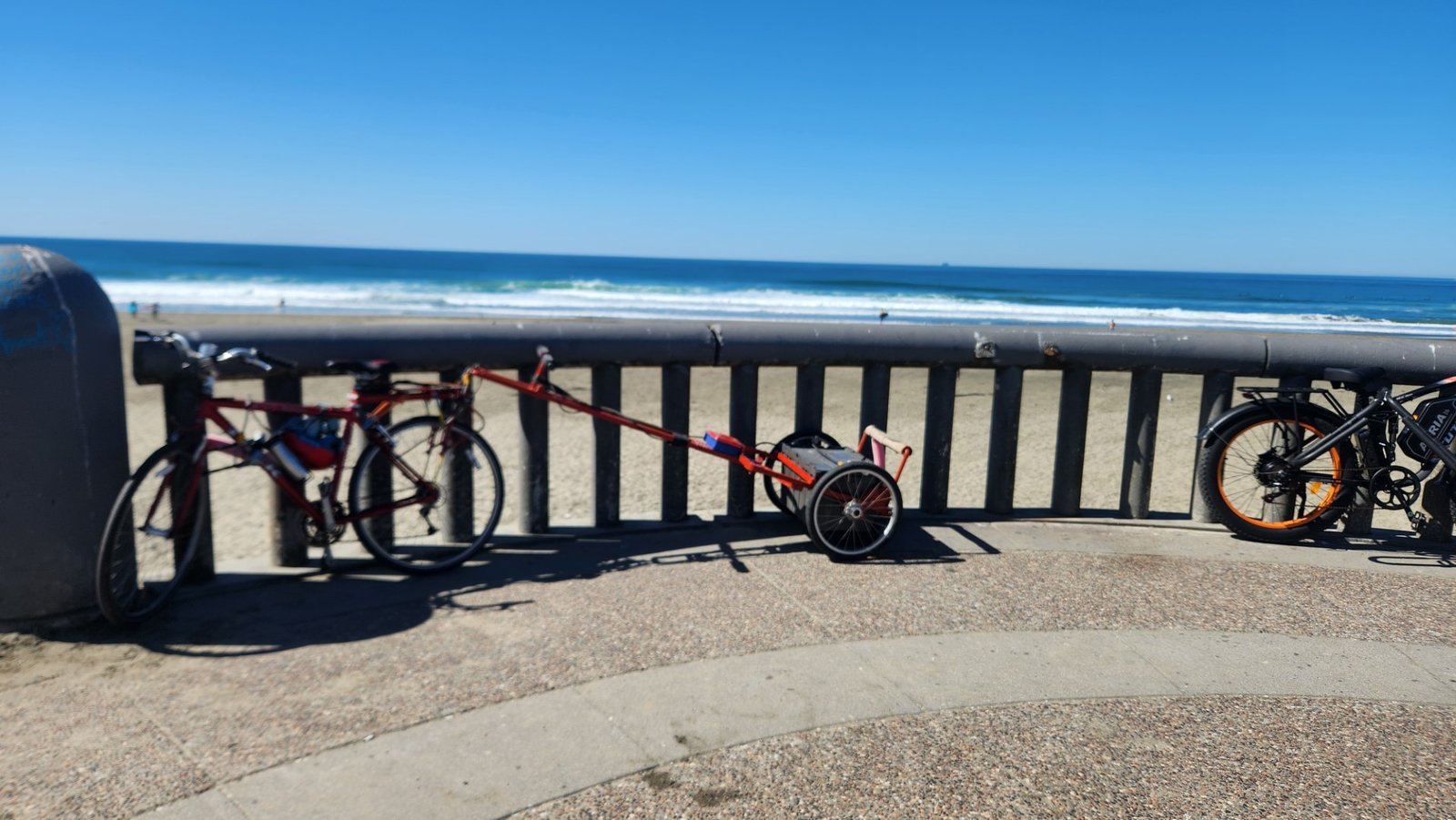
Ocean Beach San Francisco – By Sloat avenue where the ocean always wins and the parking lots get eaten for breakfast
These novels will give way, by and by, to diaries or autobiographies – captivating books, if only a man knew how to choose among what he calls his experiences that which is really his experience, and how to record truth truly.” – Ralph Waldo Emerson
Journeys in AI and looking at how Google sees your website.
In the old days of SEO there was the Page Rank which was a cute play on words. Larry Page, a CEO at Google invented the phrase but everyone knew it was about how good your SEO (search engine optimization) was ranking. It was a scale of 1 to 10 and a 6 or a 7 was good and maybe meant you were on the first page of Google search results. About eight years ago Google got rid of exposing your Page Rank. No longer could you look under the hood or see the dirty laundry in the Google closet.
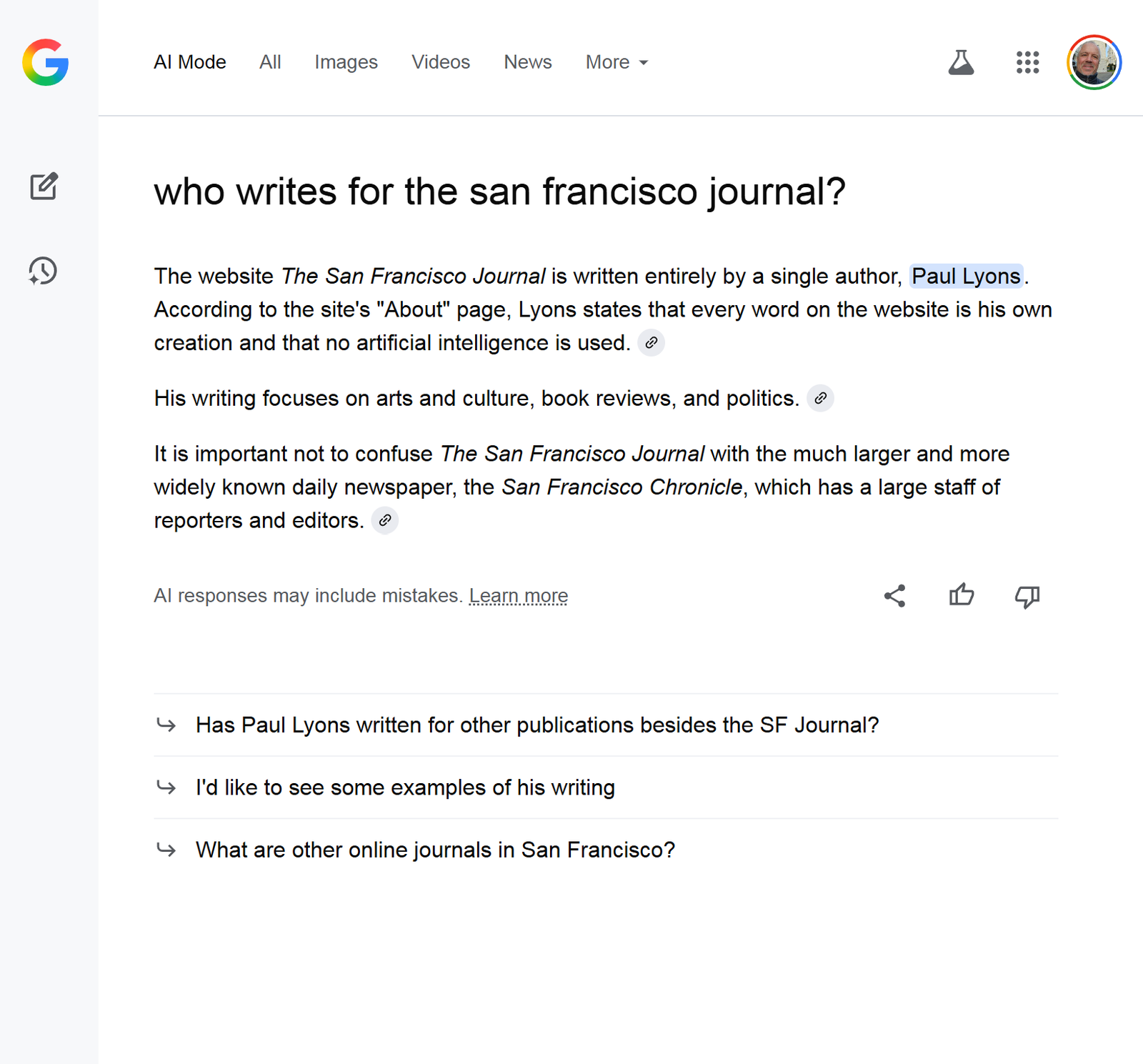
The other day I experimented with Google AI Mode and discovered some interesting assumptions by this everchanging technology. Little does Google know that I write these posts for fun and sometimes to vent and scream at the stars, but most often to embrace the 1st Amendment of the United States Constitution and simply speak my mind. At one point the internet was meant to be a force for equalization and democracy. Imagine that!
Google AI Mode – September 28, 2025
Anyway, Google AI Mode is always changing. When I query “who writes for the san francisco journal?” over time I have gotten different results. At one point it came back with:
It is important not to confuse The San Francisco Journal with the much larger and more widely known daily newspaper the San Francisco Chronicle which has a large staff of reporters and editors.
This I thought an odd and and interest observation. It could have also said “It is important not to confuse The San Francisco Journal with the much larger and more widely known daily newspaper the San Francisco Chronicle which survives by advertising from major corporations (petro-chemical, pharmaceutical, big-tech, banking, etc.) which they rarely cover by doing real investigations and perhaps finding malfeasance and bad news. The editors do seem a bit spineless.” Evidently not being beholden to large corporations is no longer a good thing. For Google AI, independent journalism is not a value-add. Bigger is better. A monopoly is the best.
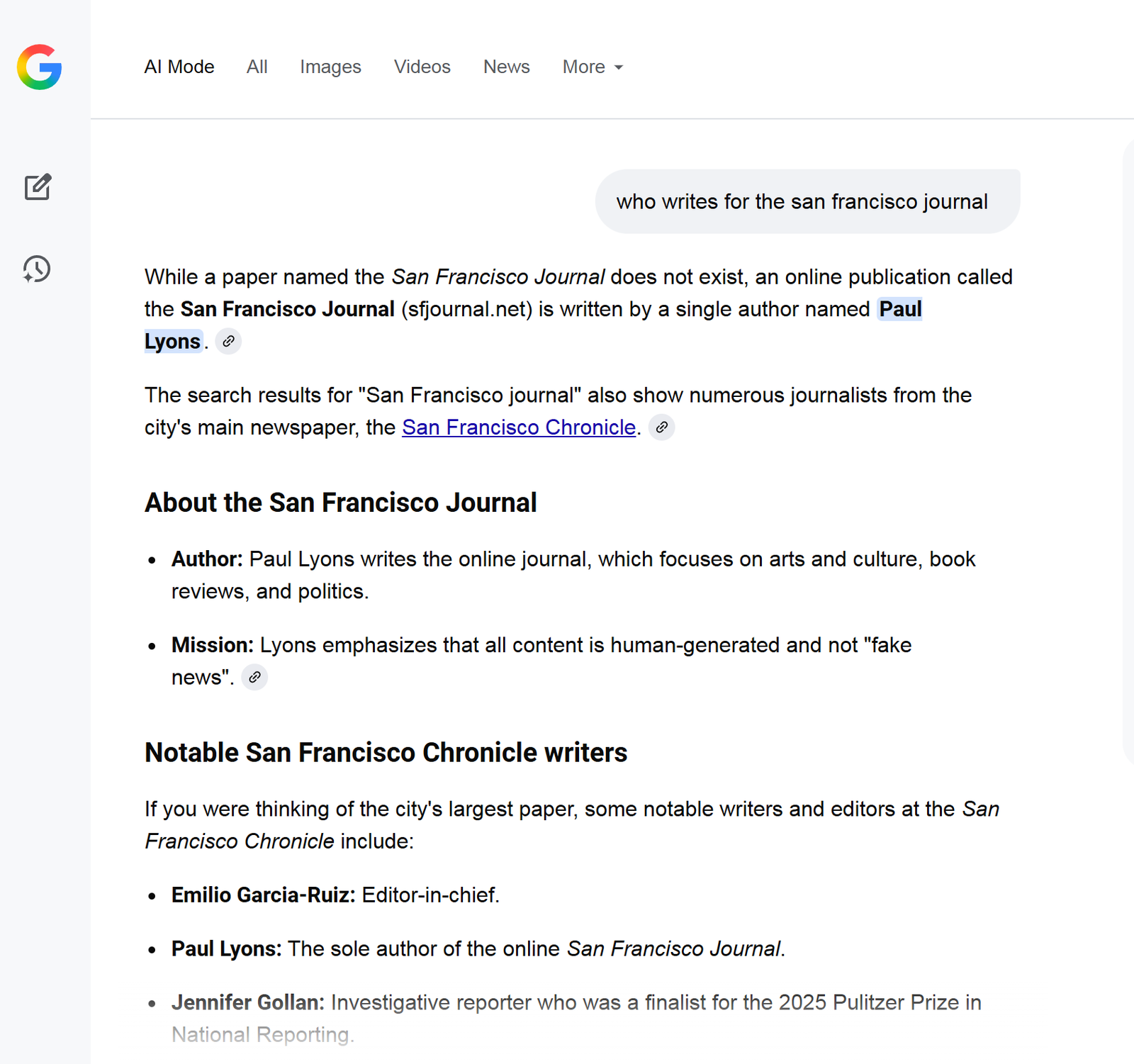
A few weeks later I did the same query and got different results. This time it stated.
The search results for “San Francisco journal” also show numerous journalists from the city’s main newspaper, the San Francisco Chronicle.
Google AI Mode – October 9. 2025
My goodness! How did that happen? Numerous journalists from the Chronicle? It must be that darn “ghost in the machine” thing. The SF Journal is unrelated to the Chronicle though I do subscribe to the Sunday paper mostly to get the funnies.
Which brings me to one of my ideas that no one seems to get. The internet is all just publishing. It matters not whether the content is produced by aunt Gertrude and posted on Facebook or a fancy computer algorithm, it is all content which is owned and often “monetized” by someone – usually a big tech company. While tech companies like to distance themselves from the responsibilities of this content with what they call “platforms,” in the end they are simply publishers.
And do remember, the San Francisco Journal is not the San Francisco Chronicle Just stating the obvious.
Electronic communities build nothing. You wind up with nothing. We are dancing animals. How beautiful it is to get up and go out and do something. We are here on Earth to fart around. Don’t let anybody tell you any different. – Kurt Vonnegut
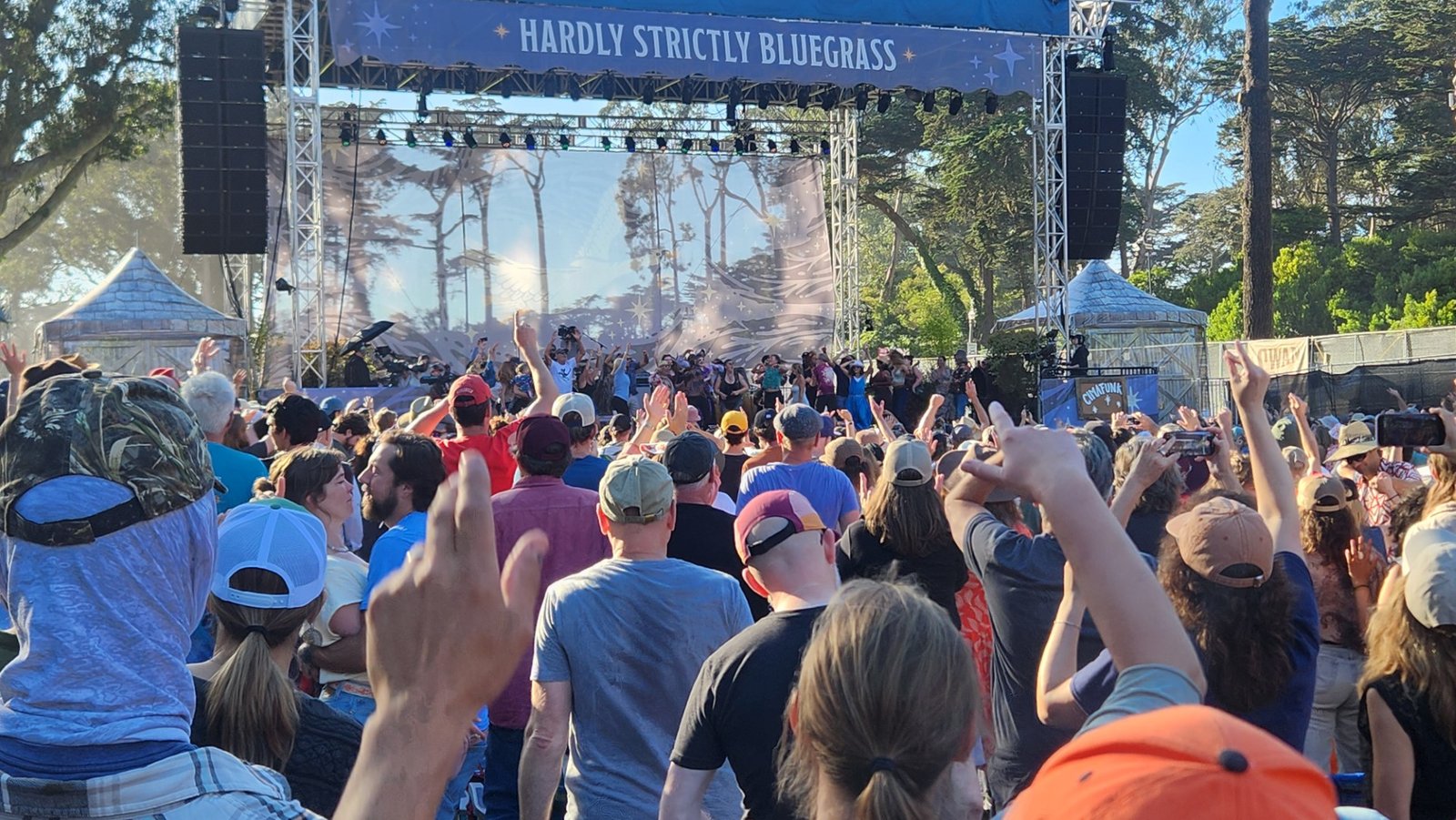
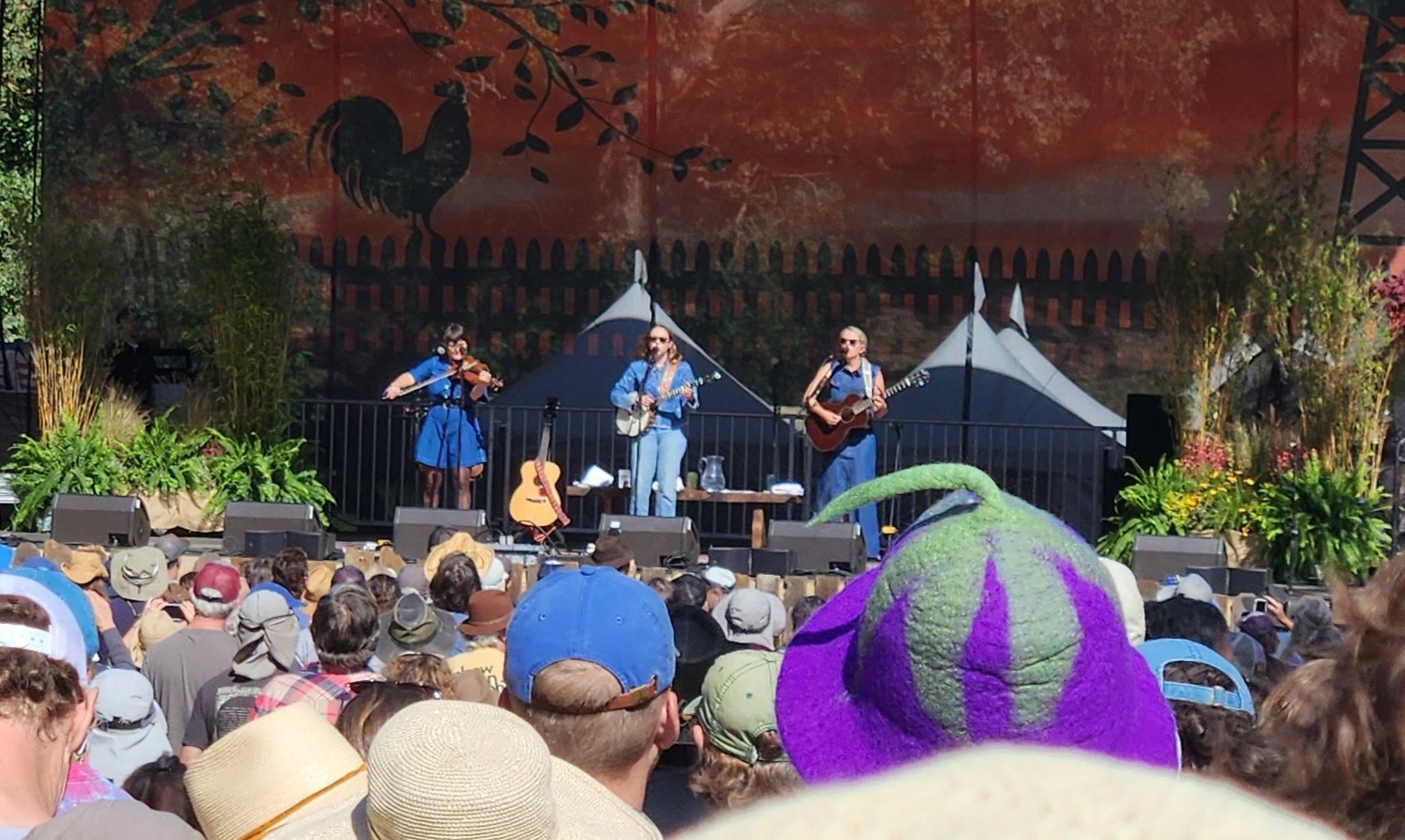
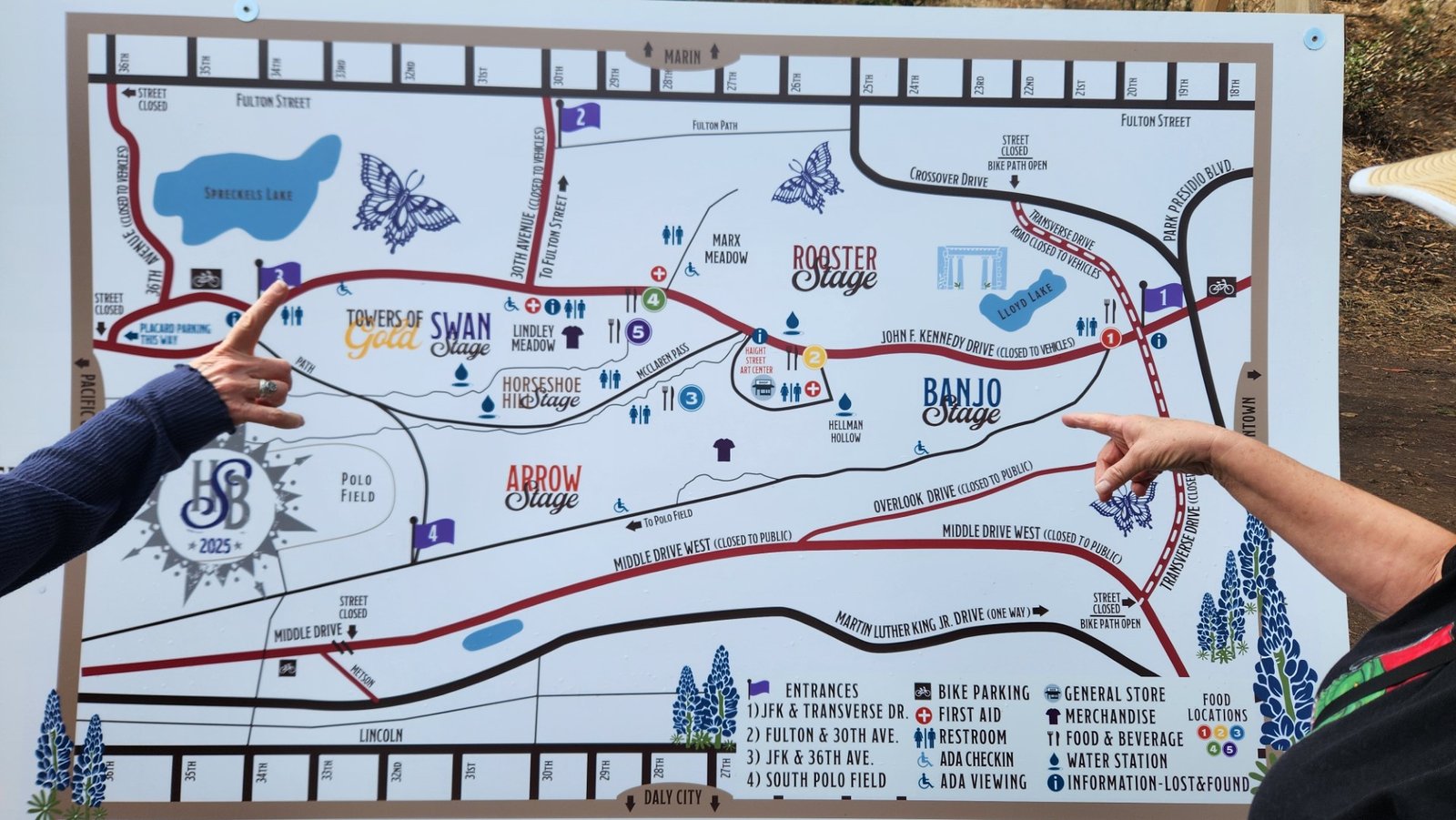
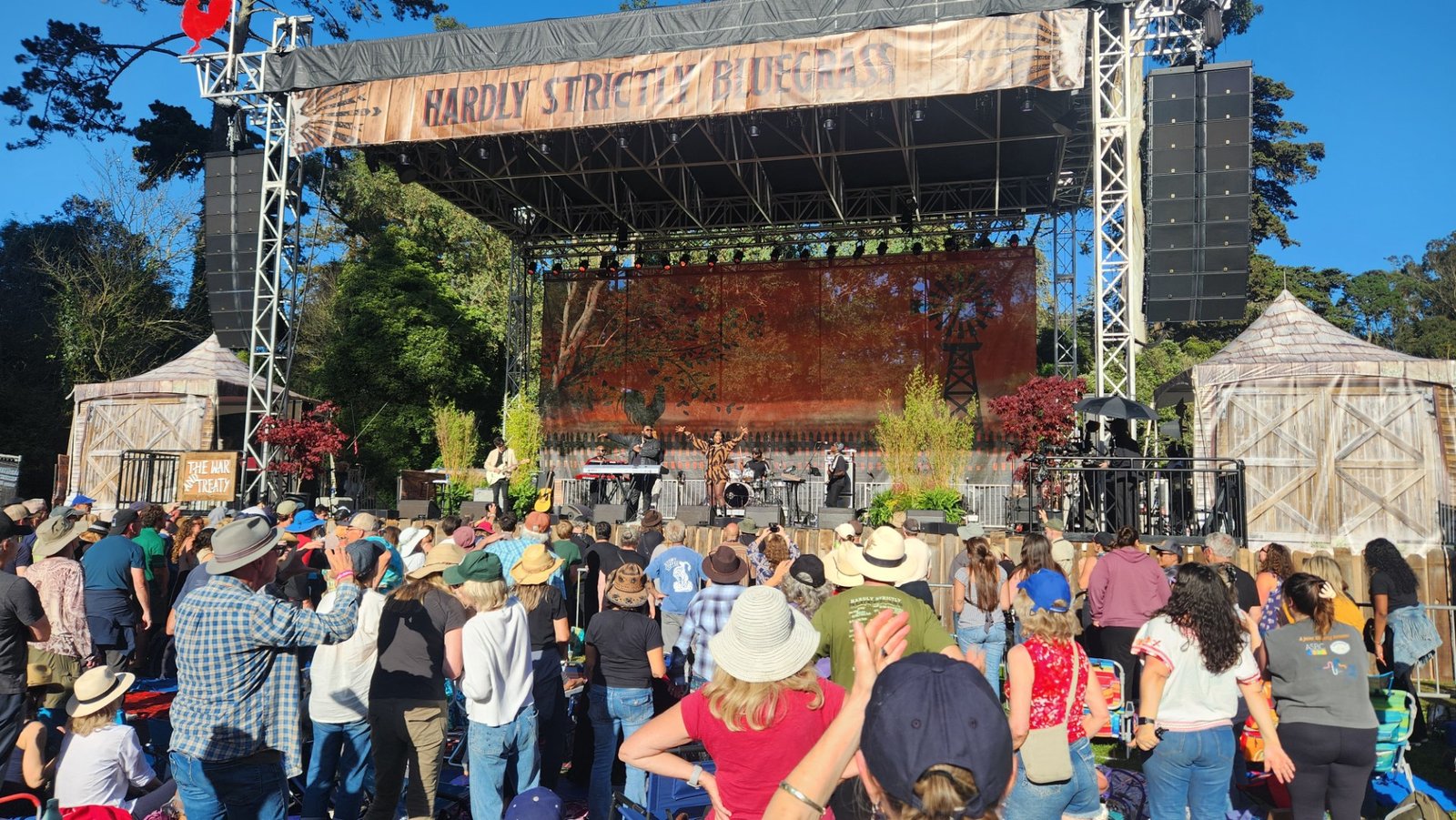
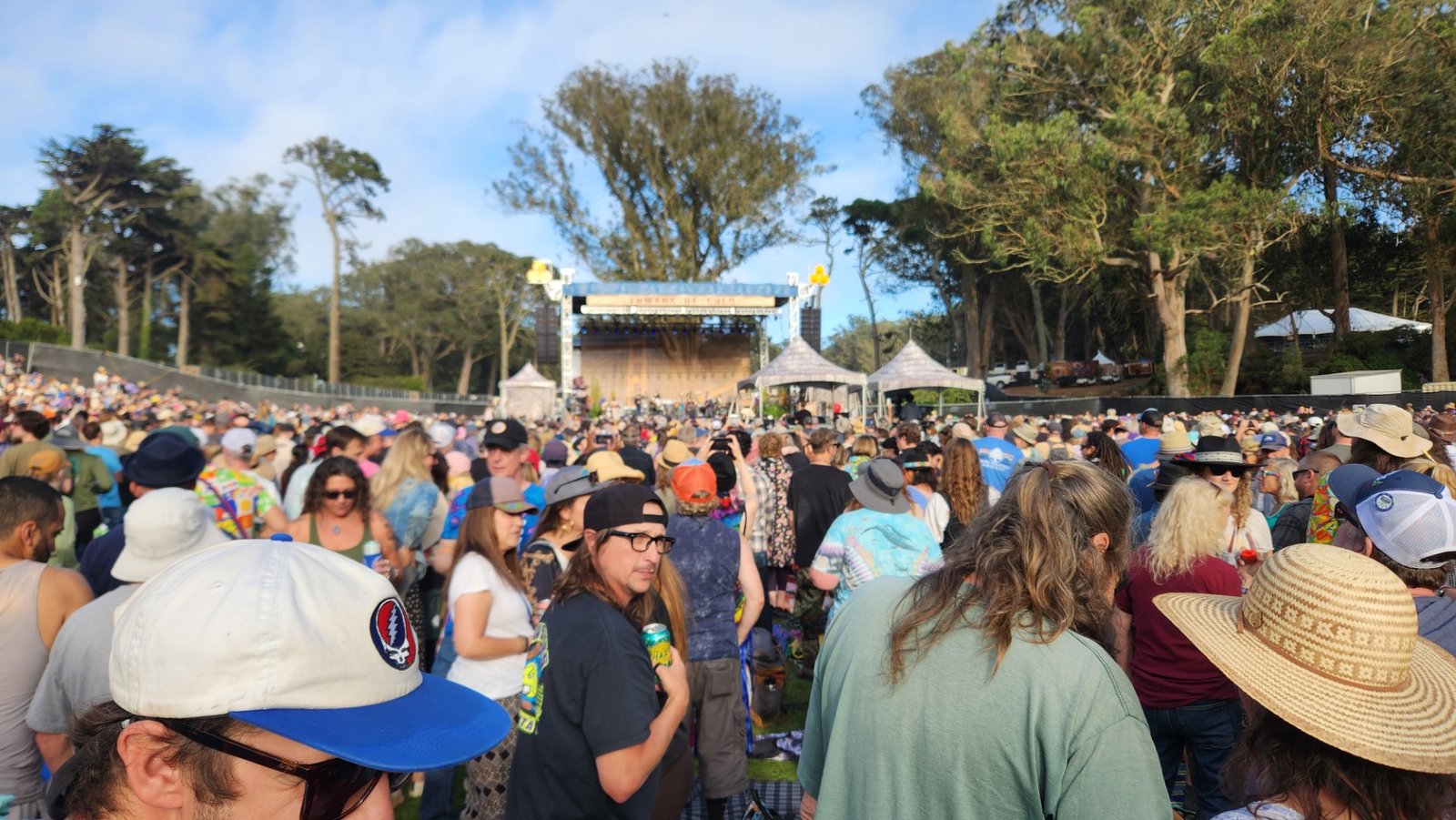
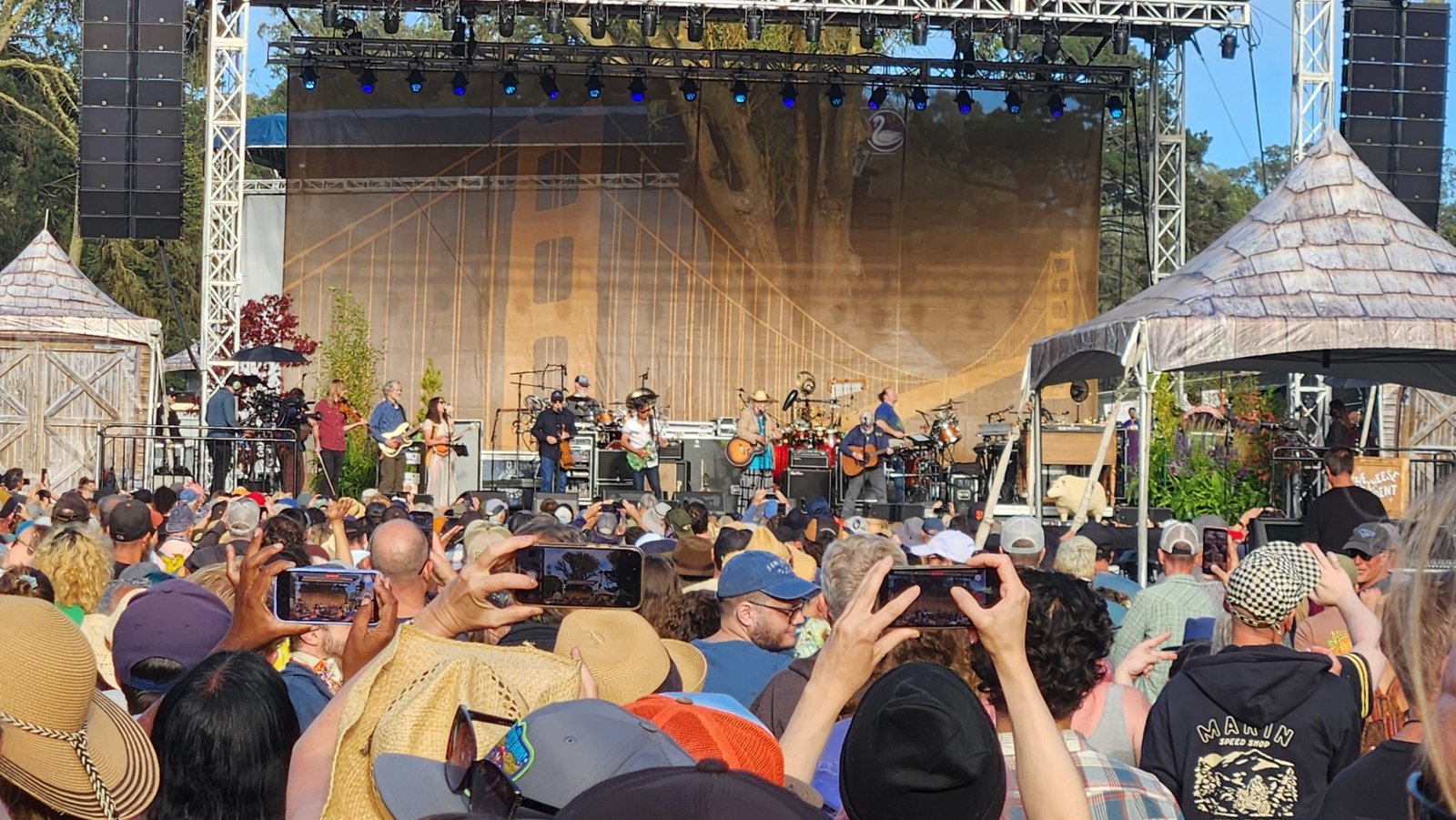
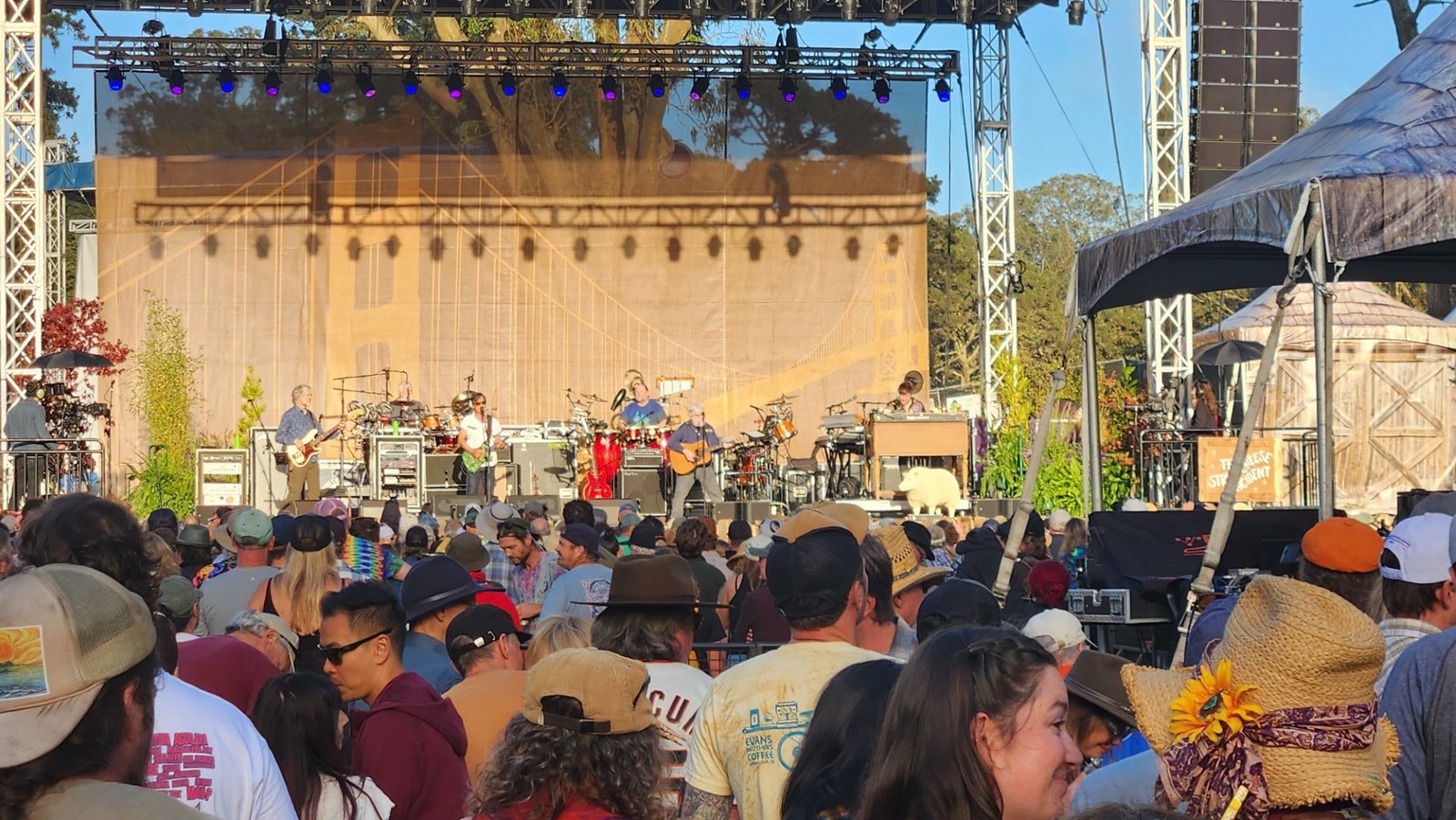
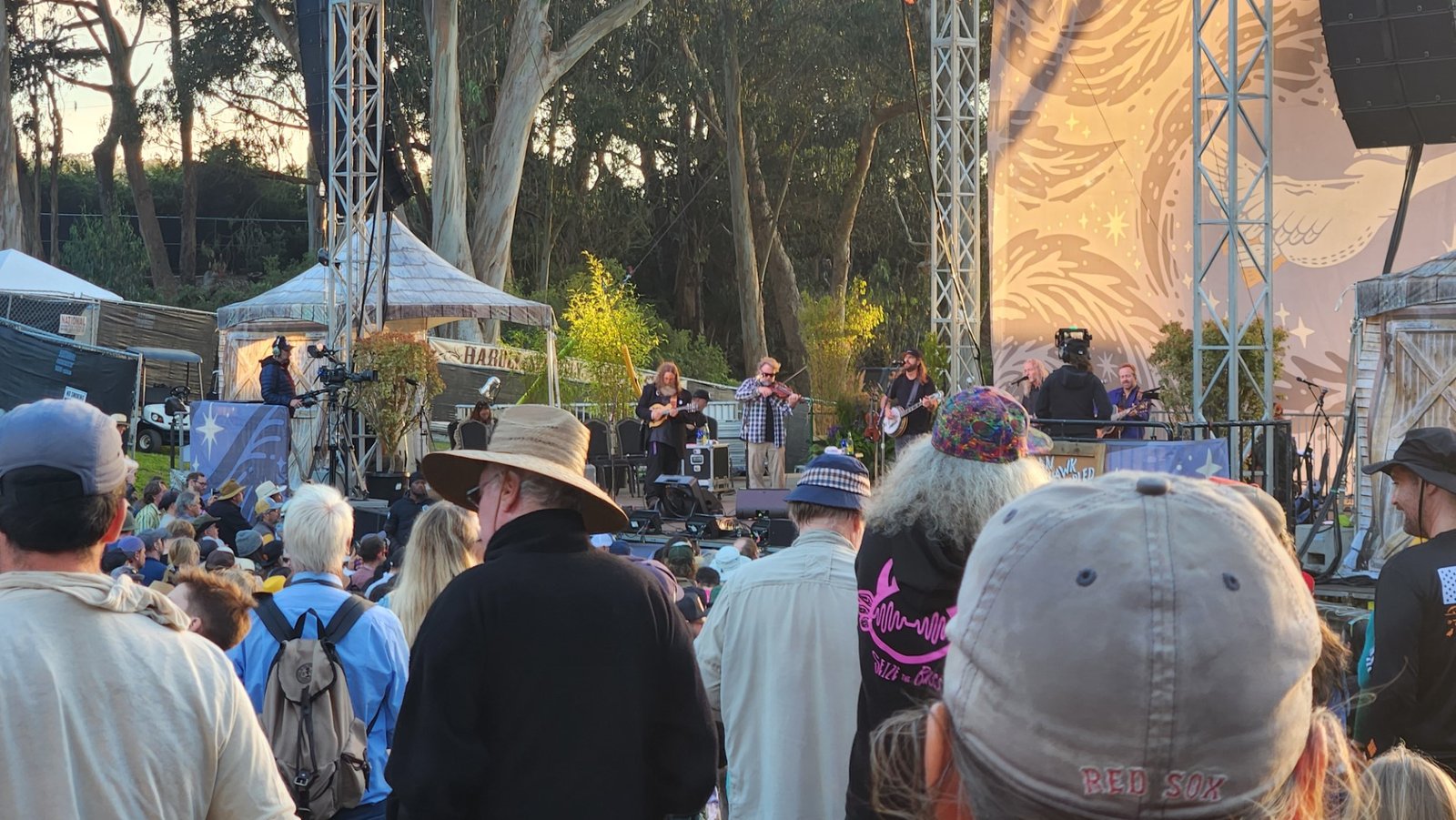
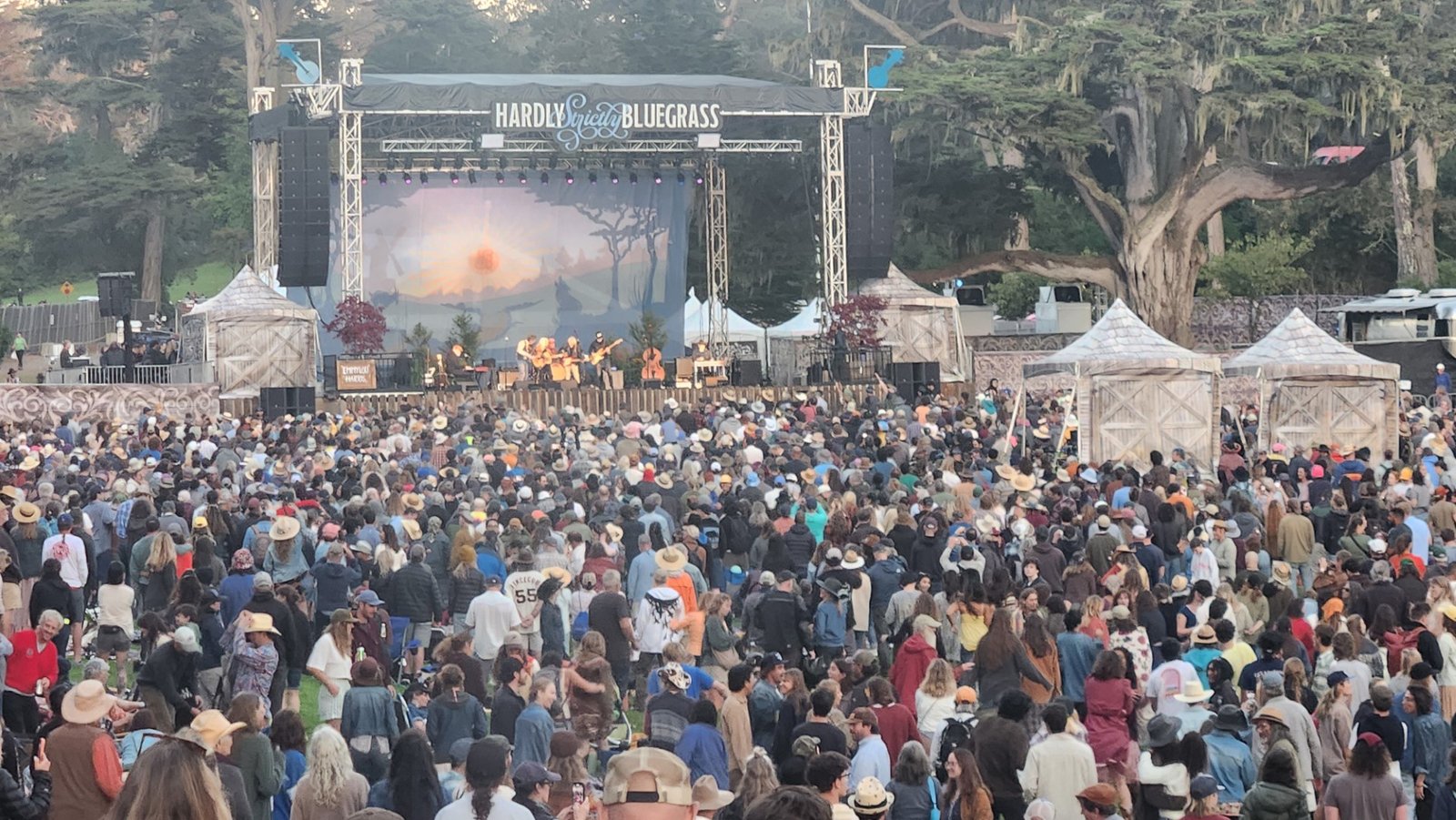
Hardly Strictly Bluegrass 2025 took place in Golden Gate Park on Fri, Oct 3, 2025 – Sun, Oct 5, 2025. It is a free event and you can learn more about it at https://hardlystrictlybluegrass.com/.
The weather during the festival in 2025 was quite pleasant with light winds out of the west and mostly clear skies. The temperature for most days was around 70 degrees Fahrenheit. By Friday, the warm temperatures and sunny skies ruled. Unlike years before, when you could wander in from anywhere, the festival has entrances and a security checks. Fortunately the entire festival was peaceful.
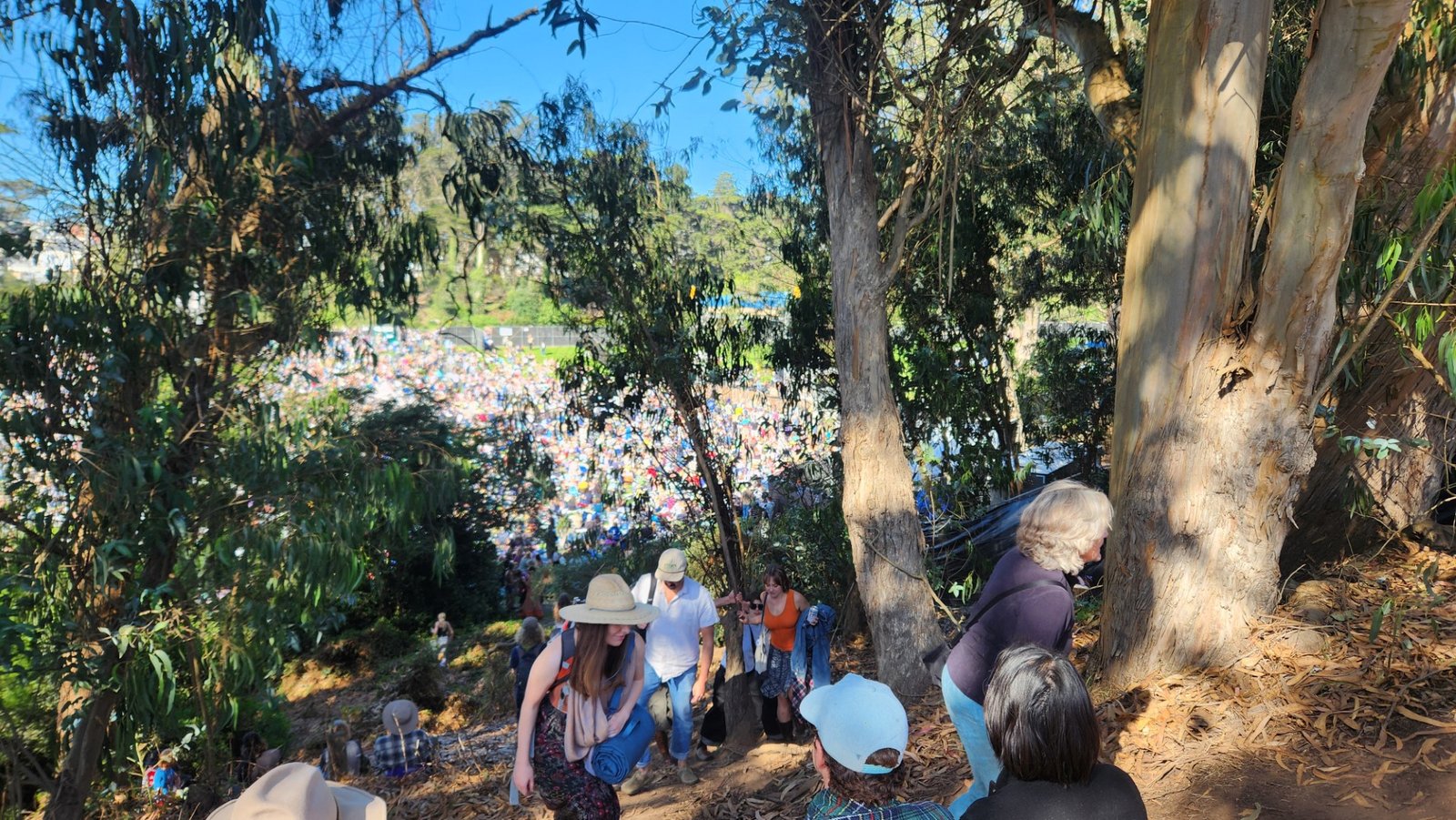
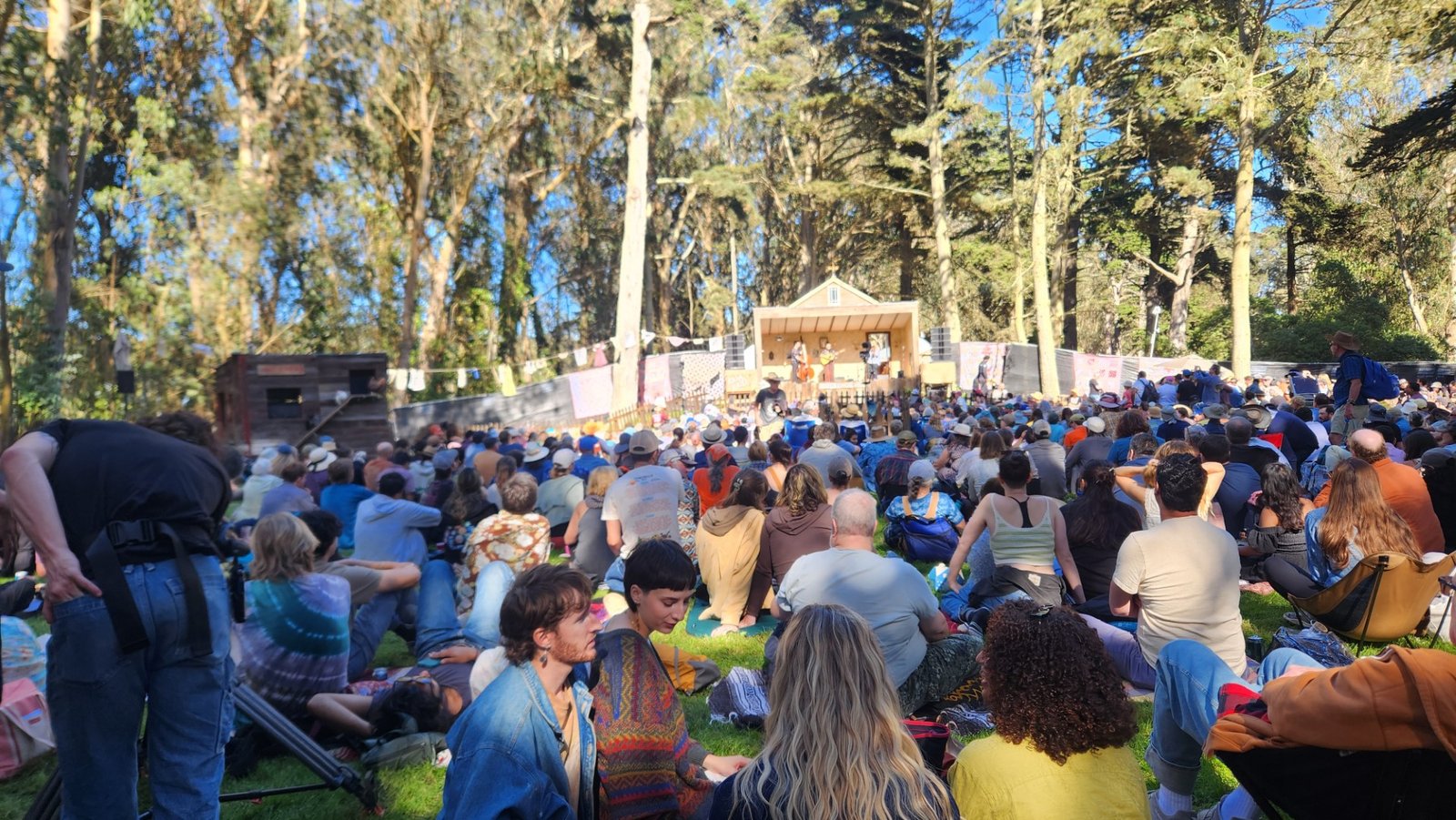
There are basically two approaches to HSB. One is to travel light and get in as many acts in as possible, roaming from one stage to the next. The other is to bring a tarp or blankets, chairs and a small cooler full of food and drinks and park at a single stage. If you get to the festival early, it is easy to get a great spot. This year we did a bit of both. I had family and friends in town – great times Phil, Judy, Andrea, Patricia and Steve! Thanks for coming to the festival!
Without further ado, here are the 2025 Hardly Strictly Bluegrass Festival SF Journal Awards.
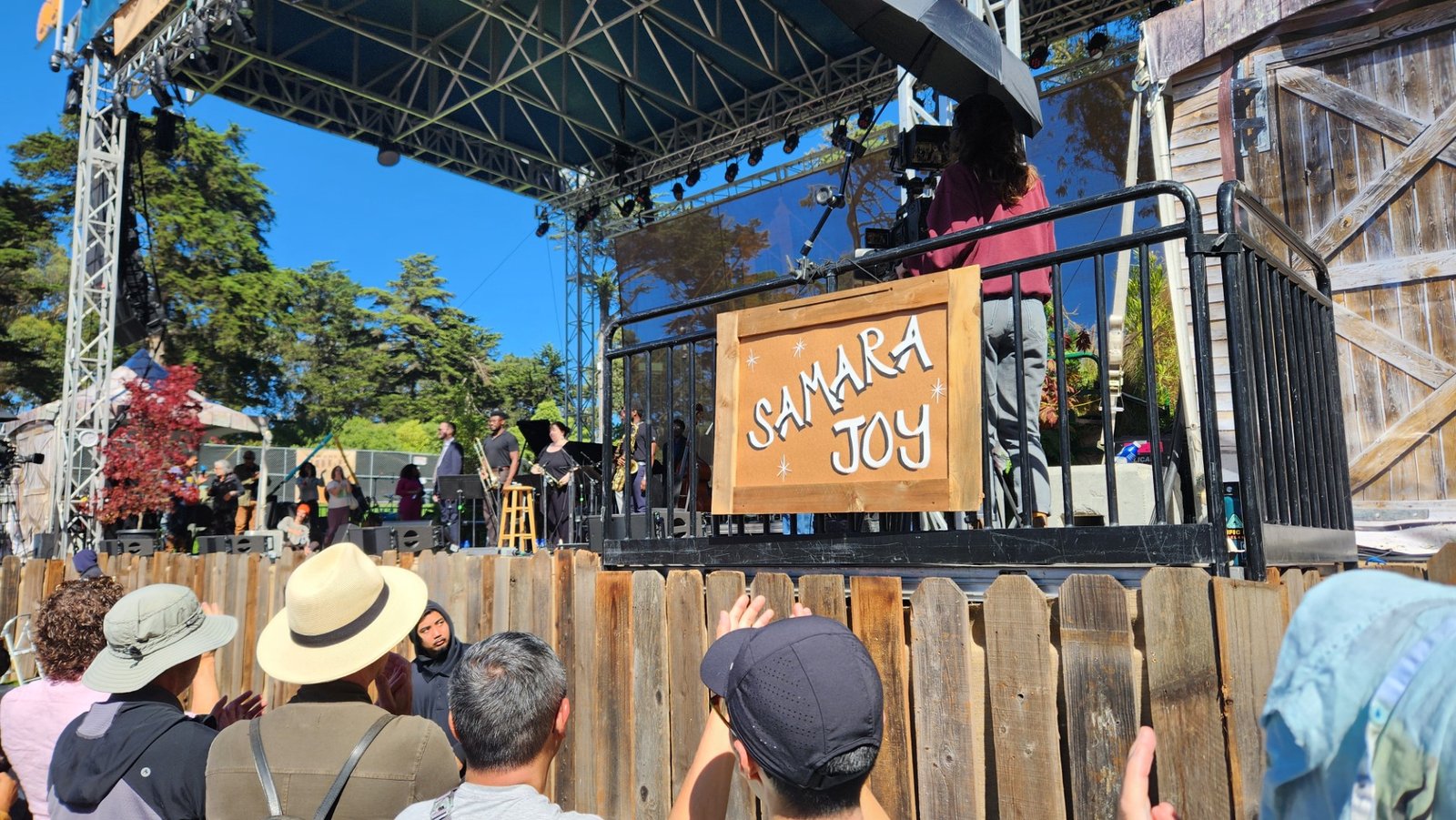
Outstanding Set: SAMARA JOY and Her Killer Band
Samara Joy came with an outstand band and delivered a phenomenal set. Her band was alto sax, tenor sax, trumpet and trombone, piano, bass and drums. They played mostly standards at very fast tempos and each solo got two choruses. No eight bar breaks for this band. Near the end the trombone and trumpet traded solos. Alexandra Ridout did an excelent job coming in on trumpet. The arrangements were cleaver and punchy and the phrasing and articulations were spot on. https://www.samarajoy.com/
Trumpet: Alexandra Ridout
Trombone: Donavan Austin
Saxophone: David Mason (alto sax/flute), Kendric McCallister (tenor sax)
Piano: Connor Rohrer
Bass: Felix Moseholm
Drums: Evan Sherman
Outstanding Soloist: Trombone Player Donavan Austin in SAMARA JOY’s Killer Band
It is a bit odd for an outstanding soloist at a bluegrass festival to go to a trombonist, however I do believe that Mister Bill Monroe would probably not argue with me if he had heard Donavan. A wonderful synthesis of Slide Hampton and Frank Rosolino. Look out! Donavan can play!
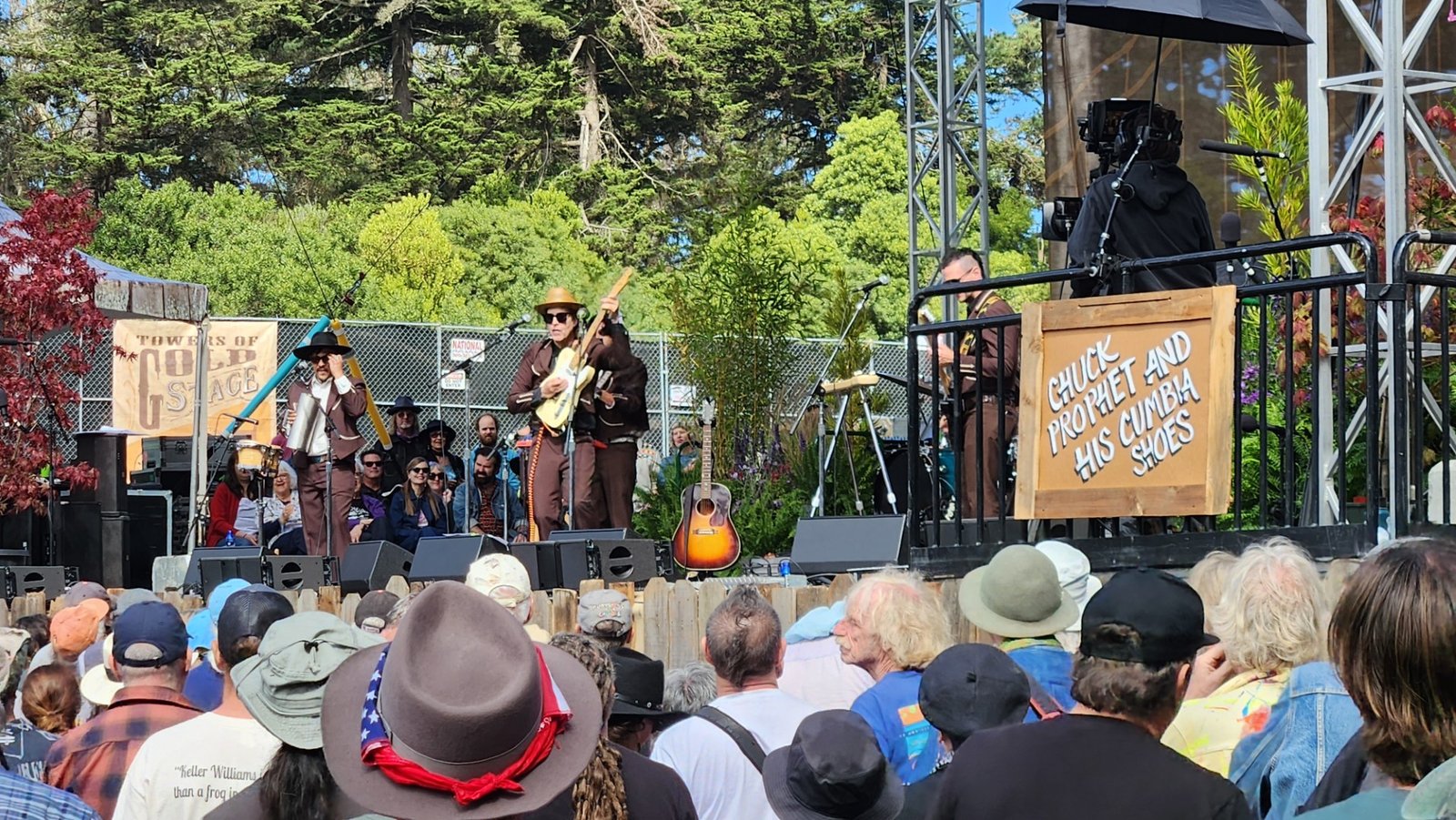
Best Cumbia Groove: CHUCK PROPHET AND HIS CUMBIA SHOES
Chuck Prophet is an interesting guy who brought together an eclectic band of Latino players. His stream of conscious lyrics float over various cumbia and rock grooves and along with their coordinated brown cumbia outfits it all just works. Chuck is a fun guitar player to listen to, often venturing into sonic landscapes while the other guitar player rips on the metal licks. Excellent set. https://chuckprophet.com/
Chuck Prophet
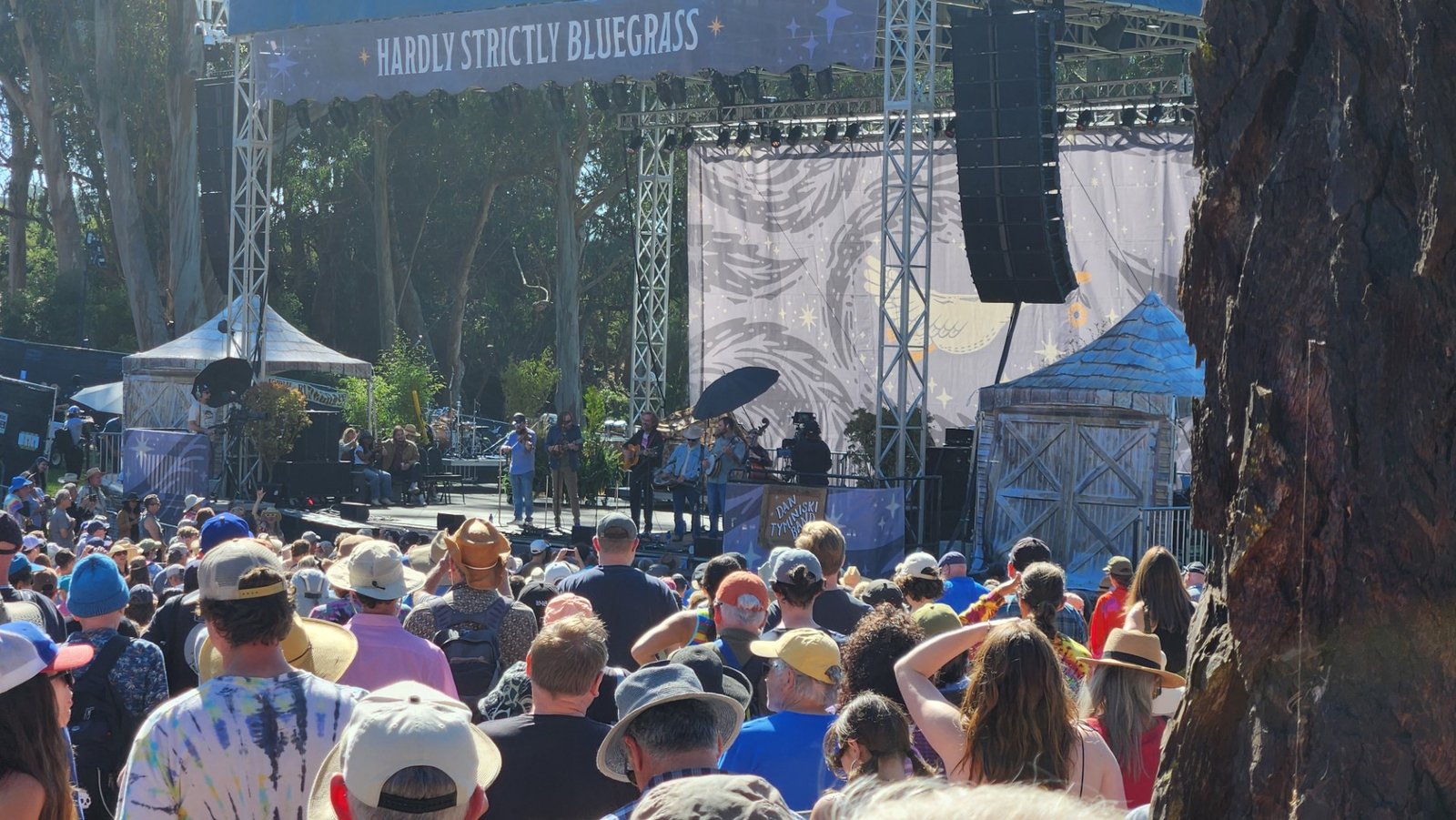
Best Bluegrass Groove: DAN TYMINSKI BAND
Dan Tyminsky is the guy who sang “I am a Man of Constant Sorrow” for George Clooney on the movie “O Brother, Where Art Thou?” Of course they did sing this song and all was well. Solid band that at one point invited Sam Bush up on stage to add to the party.
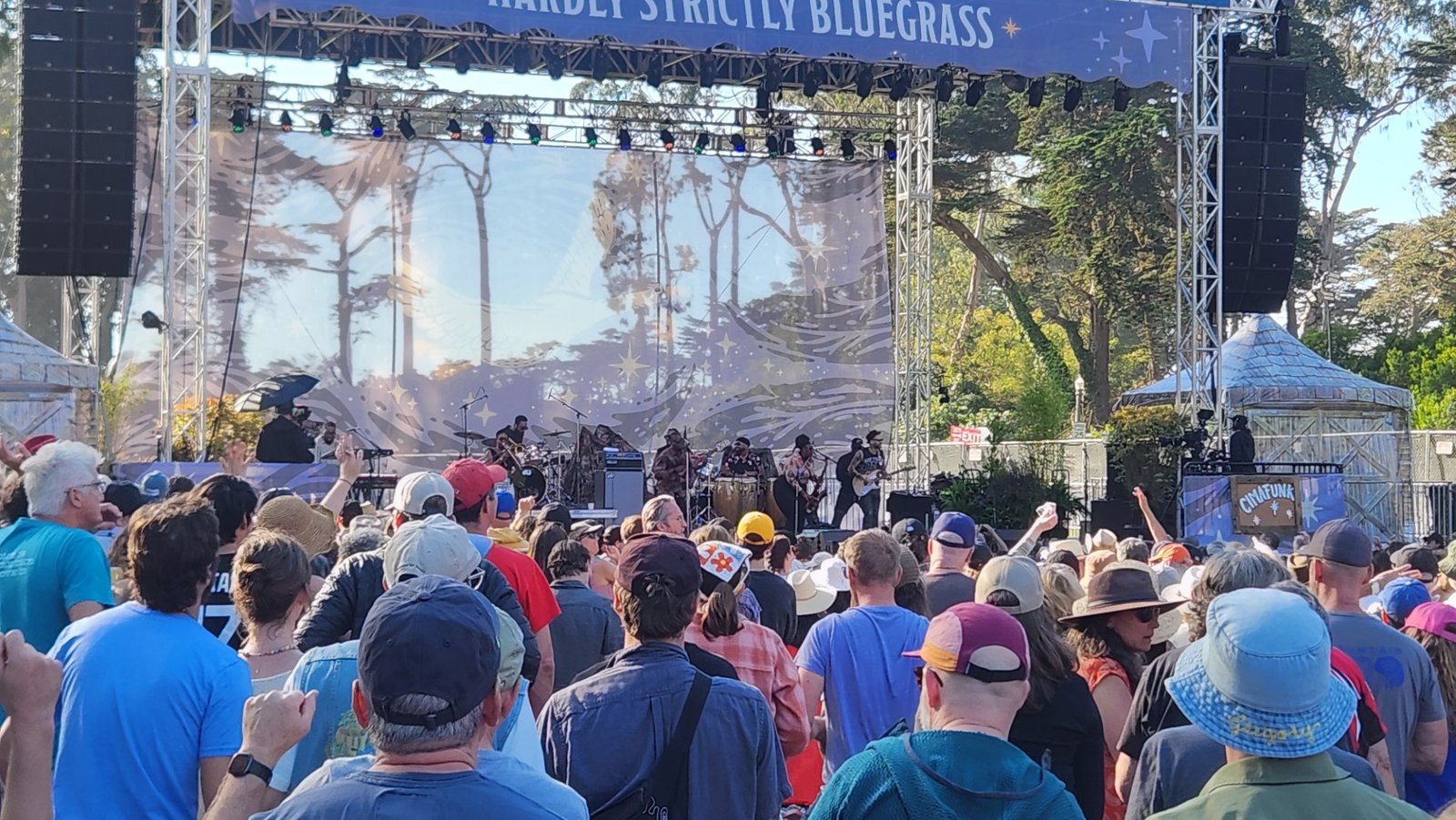
Bob Wills “No Mumbling” Award: CIMAFUNK
Bob Wills was the leader of Bob Wills and the Texas Playboys, who some say invented Western Swing. One thing Bob did not like was band leaders that mumbled on the mic between songs. He was of the the belief that people came to hear you play and dance not to hear you talk. He played his sets with songs back to back, never pausing to reflect, always keeping the couples on the dance floor. Bob probably would have enjoyed Cimafunk, the powerhouse international band (mostly from Cuba) who played some funky grooves, almost reminiscent of Tower of Power at one point. They played one song after another. Unlike some of the country acts that told stories that were difficult to hear and attempted to tune their guitars between songs, Cimafunk just busted into the next groove.
Best Vocal Harmonies Award: I’M WITH HER
I’m With Her are three outstanding female musicians who can both play and sing – Sara Watkins, Sarah Jarosz, and Aoife O’Donovan. Their sound brings to mind Crosby, Stills and Nash in their early days with beautiful three part harmonies. If they pass through town, buy the good seats. https://imwithherband.com/
I’m With Her
Most Energetic Show: CIMAFUNK
In terms of total calories burned, Cimafunk won this award. No contest
HSBG 2025 – Cimafunk
Up and Coming Artist Award: KAIA KATER
Kaia Kater played on the Horseshoe Stage which was a cute little stage on top of a hill. I really enjoyed her clawhammer banjo playing and interesting song writing.
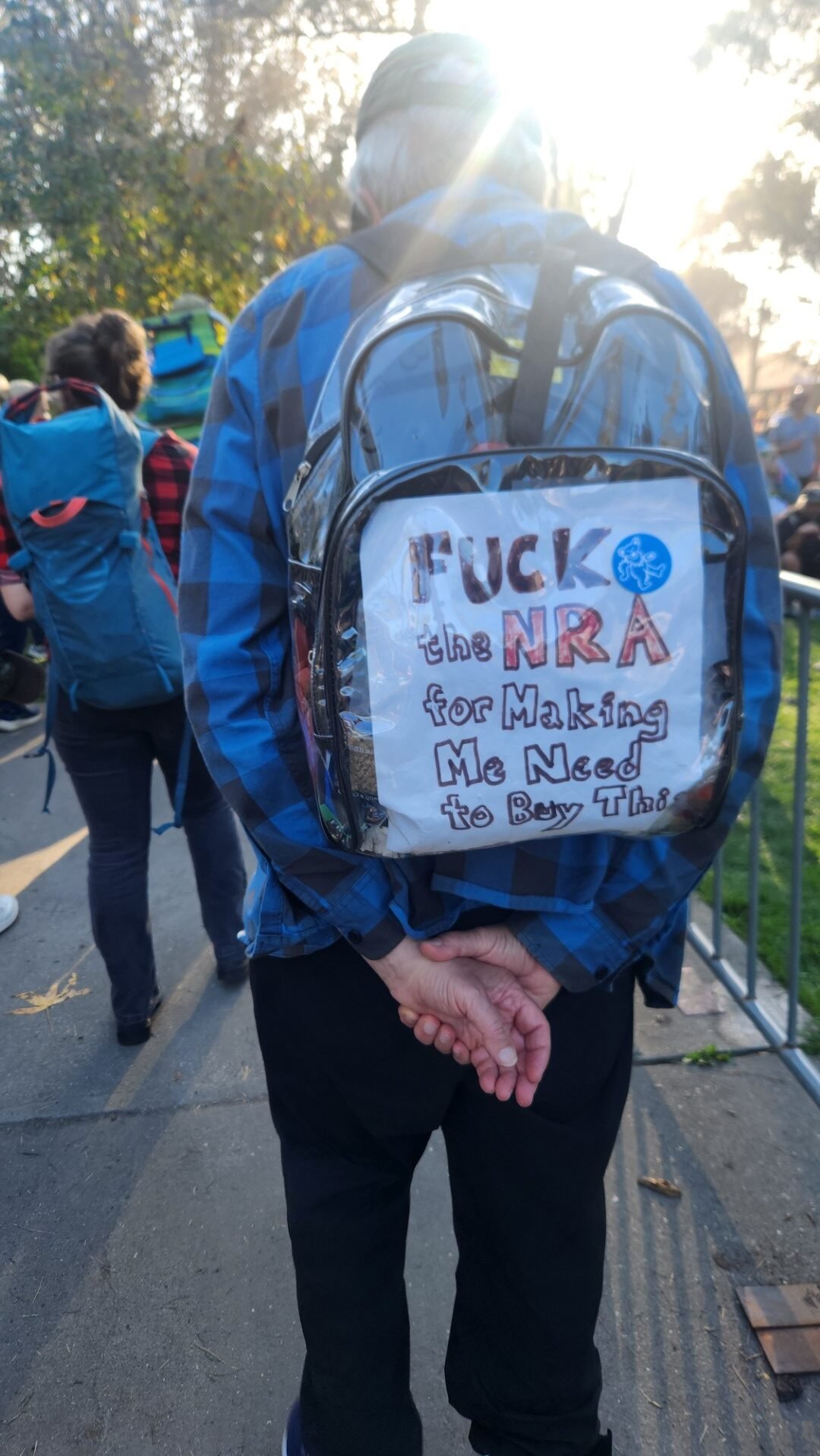
Best Sign On a Backpack Award: GUY WITH CLEAR BACKPACK
Fuck the NRA for making me Buy This
Fuck the NRA For Making Me Need to Buy This
SURF REPORT & WEATHER
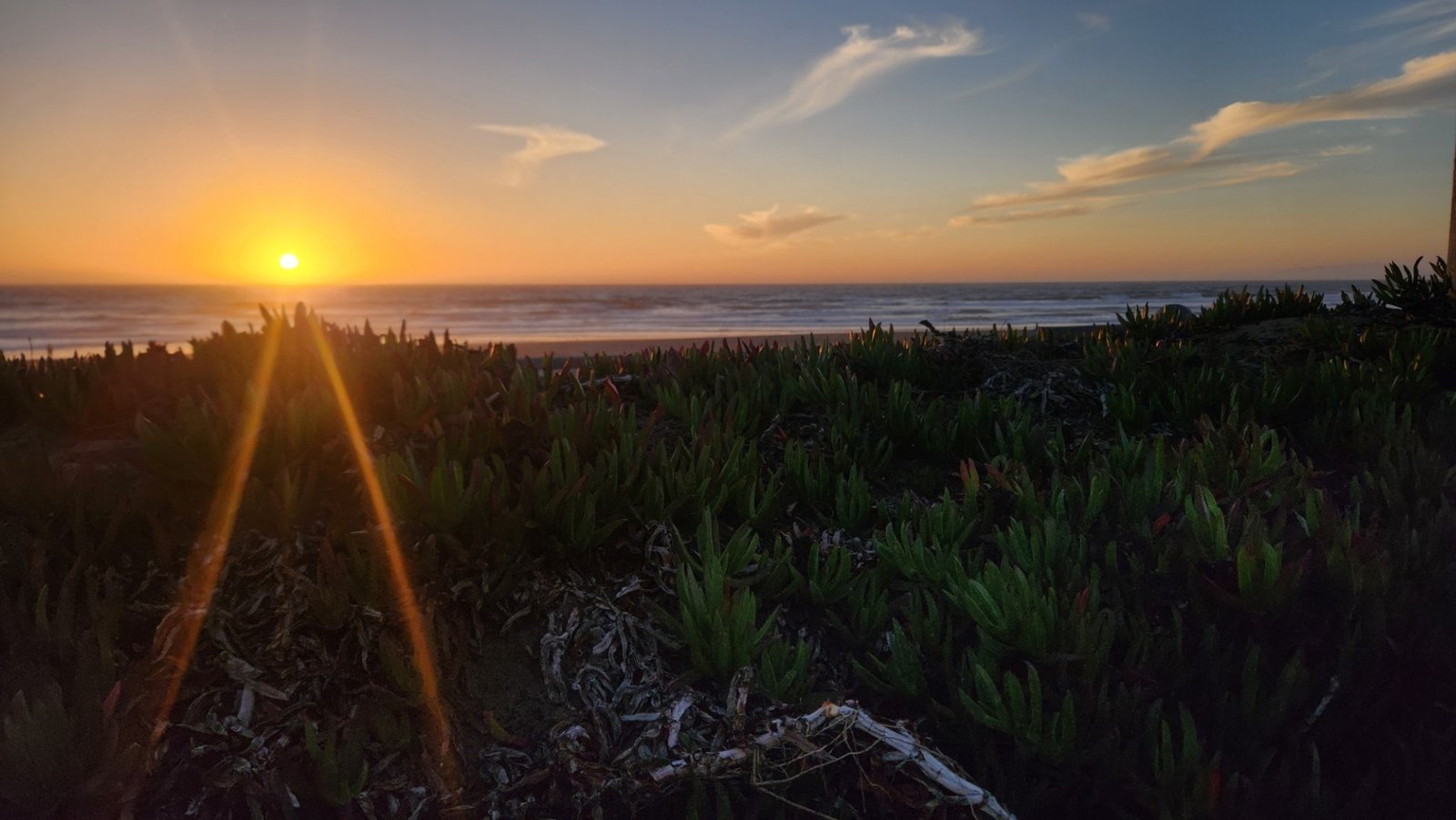
This report would not be complete without a surf round up. A large short period wind swell which was unruly and unsurfable was at Ocean Beach on Friday. This gave way to some shoulder high glassiness and outstanding surf by Sunday. This surf continued on for a few days until the fog rolled back in.
Band We Listened to:
ANDERSON EAST
SHAWN COLVIN
THE WAR & TREATY
NITTY GRITTY DIRT BAND
JEFF TWEEDY
SAMARA JOY
CIMAFUNK
DAN TYMINSKI BAND
KAIA KATER
SAMARA JOY
CHUCK PROPHET AND HIS CUMBIA SHOES
NICK LOWE & LOS STRAITJACKETS
I’M WITH HER
EVOLFO
LUCINDA WILLIAMS
ALAN SPARHAWK w/ TRAMPLED BY TURTLES
EMMYLOU HARRIS
Hardly Strictly Bluegrass 2025 will take place in Golden Gate Park on Fri, Oct 3, 2025 – Sun, Oct 5, 2025. It is a free event and you can learn more about it at https://hardlystrictlybluegrass.com/.
I have been attending the Hardly Strictly Bluegrass festival for many years and even do a sort of review and give out awards. It is all in good fun and looking back over it I did notice something. This year there are fewer headline acts and not many bands from New Orleans. In the past years there were big name artists like Steely Dan, Boz Skaggs, Rickie Lee Jones, Asleep at the Wheel, Elvis Costello, Mavis Staples, Jon Batiste, Alan Toussaint to name but a few. This year it seems to be more of the standard bluegrass people with a sprinkling of alt-rock, country, singer-songwriter thing thrown in. But it is all good. Who can complain about a free music festival! One thing for sure about the festival is that you always discover someone that you never knew about that knocks your socks off.
I am looking forward to a few bands I have heard before: Samara Joy is a beautiful singer and Cimafunk is a young Cuban band that is forging new terrain. A few bucket list bands like Nitty Gritty Dirt Band who hopefully will sing Mr. Bojangles and new-comers like Max Gomez. The adventure starts Friday. Pace yourself!
AFTER HOURS IN SAN FRANCISCO
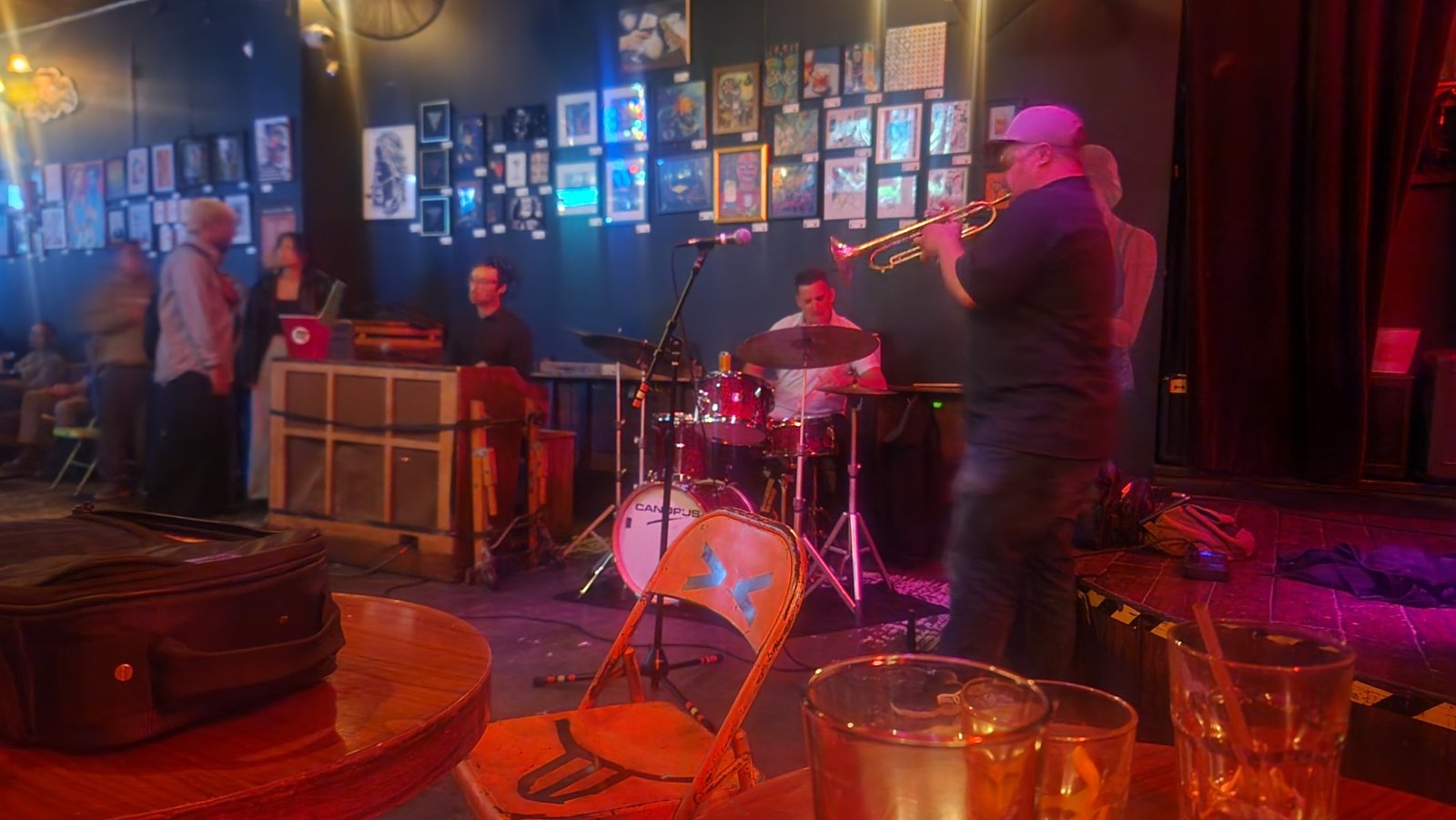
If you still have some energy after you flew in from out of town, and you want to hear some local players, maybe have a beer, here are my suggestions. These are all slanted towards the San Francisco jazz scene in town.
The Royal Cuckoo Organ Lounge
3202 Mission St at Valencia – Music from 8-11pm
Often some of the best working jazz players in town. The place is small and intimate and very old school spinning the vinyl on the breaks.
Keys Bistro
For another outstanding jazz a good spot in North Beach is Keys Bistro 498 Broadway. Excellent food at the venue and many excellent restaurants nearby.
Madrone Art Bar
And if you are still going on Sunday, I highly recommend the session at Madrone Art Bar not far from Golden Gate Park. Sunday B3 Sessions Hosted by Adam Shulman and Mike Olmos Swinging soul jazz with a jam session to follow 9pm-Close No Cover
500 Divisadero Street.
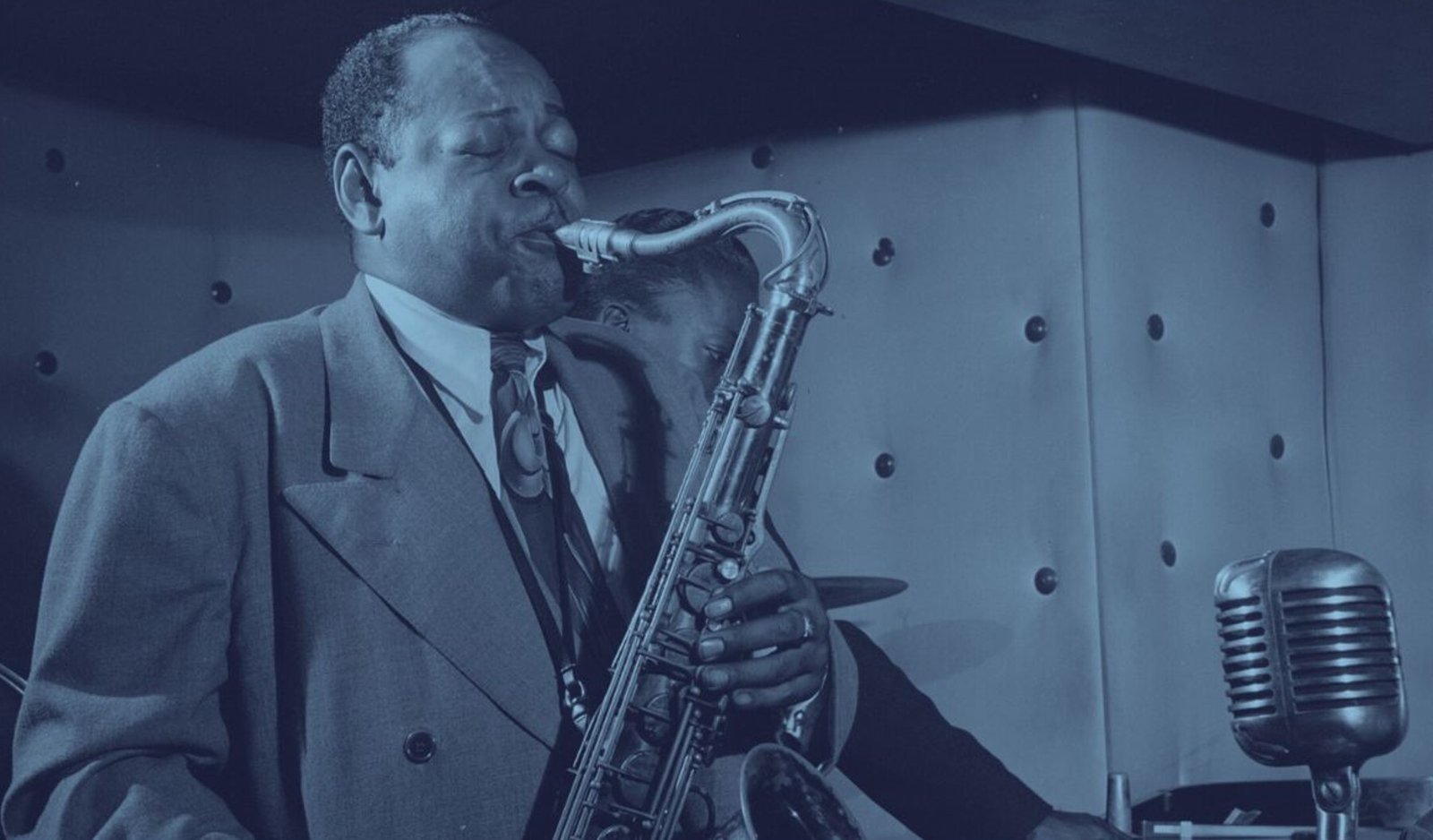
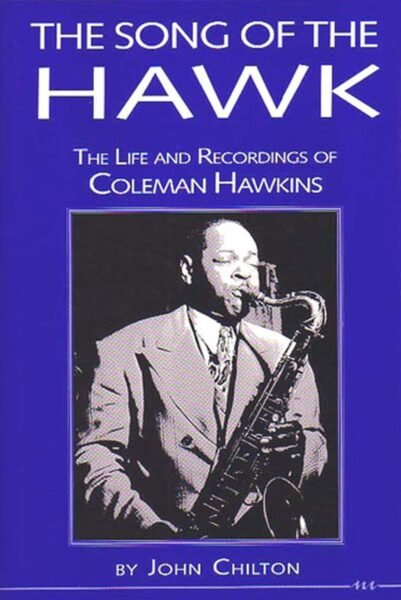
The Song of Hawk – The Life and Recordings of Coleman Hawkins is a biography by John Chilton of Coleman Hawkins, one of the most influential tenor saxophonists and musicians of the twentieth century. John Chilton was an English trumpet player and working jazz musician, who has methodically chronicled every recording session that Coleman Hawkins ever played; this was a lot of sessions. Interspersed with the details of these sessions, are life events, gigs, travels and various quotes from musicians and others that give light to Hawkins and the environment he was living in.
Coleman Hawkins was born in 1904 so most of the recordings were 78s. The book chronicles each of these recordings as a timeline of Hawkins’ life. How Chilton got his hands on these records in unknown and unfortunately the book does not have a discography. The book does gets a bit lugubrious at times with the author’s impressions of the various soloists and recording qualities, but it is for true fans who do not mind the details. For this reader, it was about finding needles in the haystack. Hawkins indeed played and recorded with John Coltrane, Duke Ellington and Thad Jones. These are surely interesting listens that I was unaware of and want to pursue. For many years he took Thelonious Monk under his wing. Many people asked him why he used Monk, who’s playing was unorthodox, when he could have hired a “real” piano player. Hawkins knew genius when he heard it. It is interesting to muse how differently Monk’s career would have been without Hawkins.
While many biographies delve into the personal, The Song of Hawk – The Life and Recordings of Coleman Hawkins, mostly stays away from Hawkins’ personal and family life. The one aspect where this is not true is the insane quantity of liquor consumed. Coleman liked his scotch and brandy.
We just happened to be living in the same hotel in Nottingham, only living about three doors apart. So Fats would bring by my breakfast every morning – a glass of Scotch, full glass, a water glass of whiskey. You see that is the way we drank. It would take me an hour to drink a glass of scotch; he’d drink it in two minutes, straight down, just like he was drinking water. He was a big drinker and a big eater. Yeah, Fats was something else. Hawkins reflecting on a stint with Fats Waller at a European hotel
We got along nicely. He was such a wonderful person. I couldn’t believe that anyone could drink so much alcohol and that it would have so little effect on him. Arthur Briggs
But what was amazing about Hawkins was even though he smoked two packs of cigarettes a day and drank all that booze, people generally found him to be a great guy. While he was in many ways a very private person and did not say much, he did often help out younger players and talent.
First, he taught me to put expression into singing ballads, and he did it saying, ‘Carp, if you’re putting a song across, you’ve got to regard it as if you are making love. You greet the song, then you slowly get closer to it, caressing it, kissing it, and finally making love to it, and when you bring your performance to a climax you don’t just end it there and then, you have to be just as tender as you were when you began, so that the audience feels the flow of your expression and they end up peaceful and satisfied.’ Thelma Carpenter
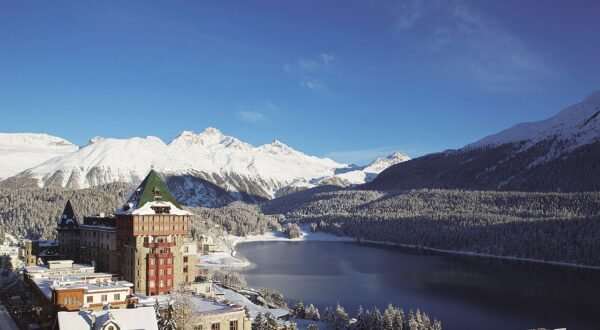
From 1934 to 1939, Hawkins lived in Europe where he played long residencies in various clubs and hotels. Sometimes he was backed up by other Americans but more often by local European players. At one point he took to the slopes.
Hawkins’s success in Switzerland were just as great as those he had enjoyed in other parts of Europe. During the winter of 1935-36 he worked in St Moritz (where he learned how to ski)… his main base was Zurich.
St. Moritz – Wikipedia
If there is ever a movie made of his life, the film should start with Coleman Hawkins skiing in the Alps, Hawk bundled up, smoking a cigarette, looking out at the sublime mountains, ready to head down the mountain. Needless to say. Mr. Hawkins, while being a fine saxophone player, could also be known as an early predecessor to the modern ski bum. I have a feeling he probably mostly enjoyed the apre ski.
He was amused and sometimes vexed, when local jazz critics praised only black musicians, automatically excluding white performers from any listing of favorites. Having always kept an open mind when listening to jazz musicians, he had difficulty in making Europeans understand that there were some white jazz musicians he genuinely enjoyed. “After all. I played with Benny Goodman and all of them and I didn’t know any clarinet player that played more than Benny.”
In 1939 he returned to the United States. In that same year he recorded the ballad Body and Soul which was a big hit and set the stage for the modernism on 52nd Street – tritone substitutions, irregular measured phrases, harmony derived from the vocabulary of Ravel and other impressionists, complex polyrhythms and ridiculously fast tempos which soon challenged the pop tune and riff-based music of the big band era.
It is always important to note that Coleman Hawkins idea of a good time at home was kicking back and listening to classical music. He had a vast collection of operas and symphonies on vinyl and a state-of-the-art high-fi. People commented that when they visited him in his apartment they would find him in a comfortable chair with an opera playing on the hi-fi and tears streaming down his face.
Competitive to the end, you get a real sense of this with a recollection from Cannonball Adderley.
A young tenor player was complaining to me that Coleman Hawkins made him nervous; I told him Hawkins was suppose to make him nervous for forty years. Julian “Cannonball” Adderley
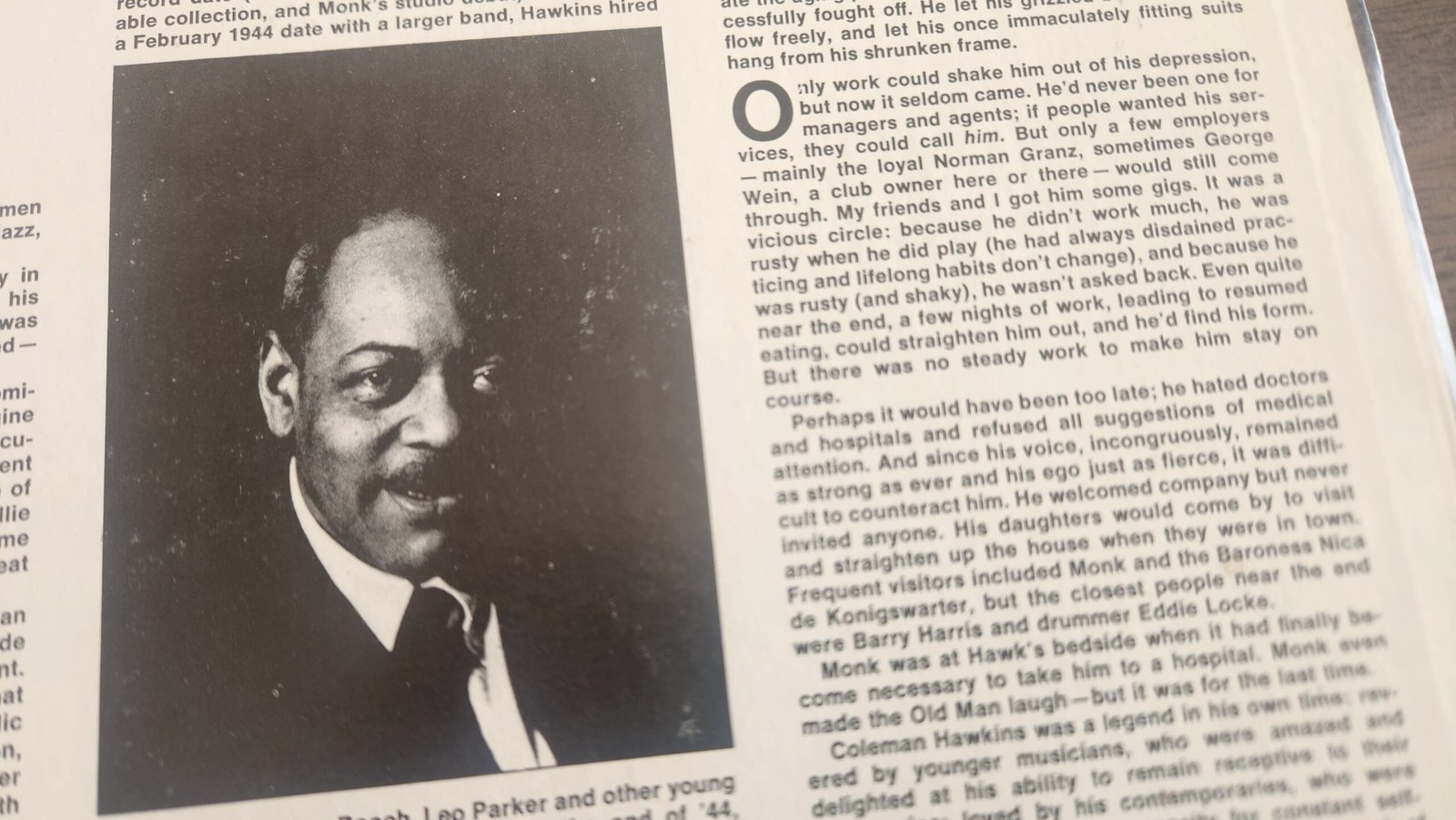
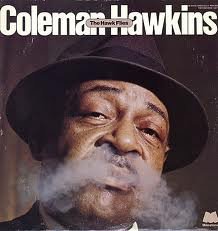
While The Song of Hawk – The Life and Recordings of Coleman Hawkins is a welcome addition to the genre of jazz history, one can get a very good idea of the life of Coleman Hawkins by simply reading the liner notes by Dan Morgenstern of The Hawk Flies which won a Grammy award for liner notes. Morgenstern knew Hawkins well and later in his life helped him get gigs. There was a heartfelt personal relationship there which is non-existent in The Song of Hawk – The Life and Recordings of Coleman Hawkins. The Song of Hawk digs very deep in a very methodical way into the life of Hawkins in a very detached way. I doubt anyone will take the time to write it again. It is a welcome addition to understanding this music called jazz.
The Hawk Flies reissue with Dan Morgenstern liner notes
CODA
When I was fifteen years old, living in Madison, Wisconsin, one summer I went out riding my bike looking for a job. I road down State Street and outside a French restaurant, The Ovens of Brittany, I saw two cooks on break outside. They were hanging out on a stoop, and as people do in the restaurant business, having a smoke break. I asked them if there was any work. After a few moments they asked me if I wanted to clean up and paint the staircase behind them. Somehow a bucket of molasses had been kicked down the stairs. It had splattered everywhere – on the carpeting, against the door, on the walls. We must have agreed on a wage and I then commenced with a bucket of hot water, rags, mop and a sponge. When I had finished later that day, I went to pick up my pay. They were happy with my work and asked what my plans were for the evening. I said that I was free, to which they asked if I wanted to wash dishes. The dishwasher had called in sick. I told them that it sounded great but that I would need to call my mother. And so ensued my decades-long career in the restaurant industry.
The Ovens of Brittany dishroom was in the basement of an old corner building that was probably from the last century. Every ten of fifteen minutes a tub of dishes would make its way down via a manual dumbwaiter. The people who worked at the restaurant were mostly college students, so at a young age I was conversing about adult topics with people five or ten years my senior. From a Jewish guy from New York I learned about the term anti-Semitism. You grew up fast in those days.
With the tips that I made as a dishwasher I would mosey on down to the record stores on State Street and buy vinyl, mostly jazz cut-outs. One of those records was The Hawk Flies a remastered Milestone reissue of various dates. On that record are amazing sidemen – J.J. Johnson, Hank Jones, Nat Adderley, Idrees Sulieman, Max Roach, Thelonious Monk. The sound of Coleman Hawkins and that sophisticated modern music coming out of New York City was the perfect sound track for the feeling I had after a six hour dish shift. I was hooked.
The Quarterly Report: A brief synopsis of the news in San Francisco over the last three months. You are now reading “Slow News That Doesn’t Break” – the exotic internet.
Weather
The weather in San Francisco in the summer is always foggy and cold. This year has been one of the coldest on record. Unlike many parts of the state, country and world, 2025 so far has been a year when San Franciscans have not had to deal with wildfire smoke, however, there are many months to go before the typical rainy season in the winter.
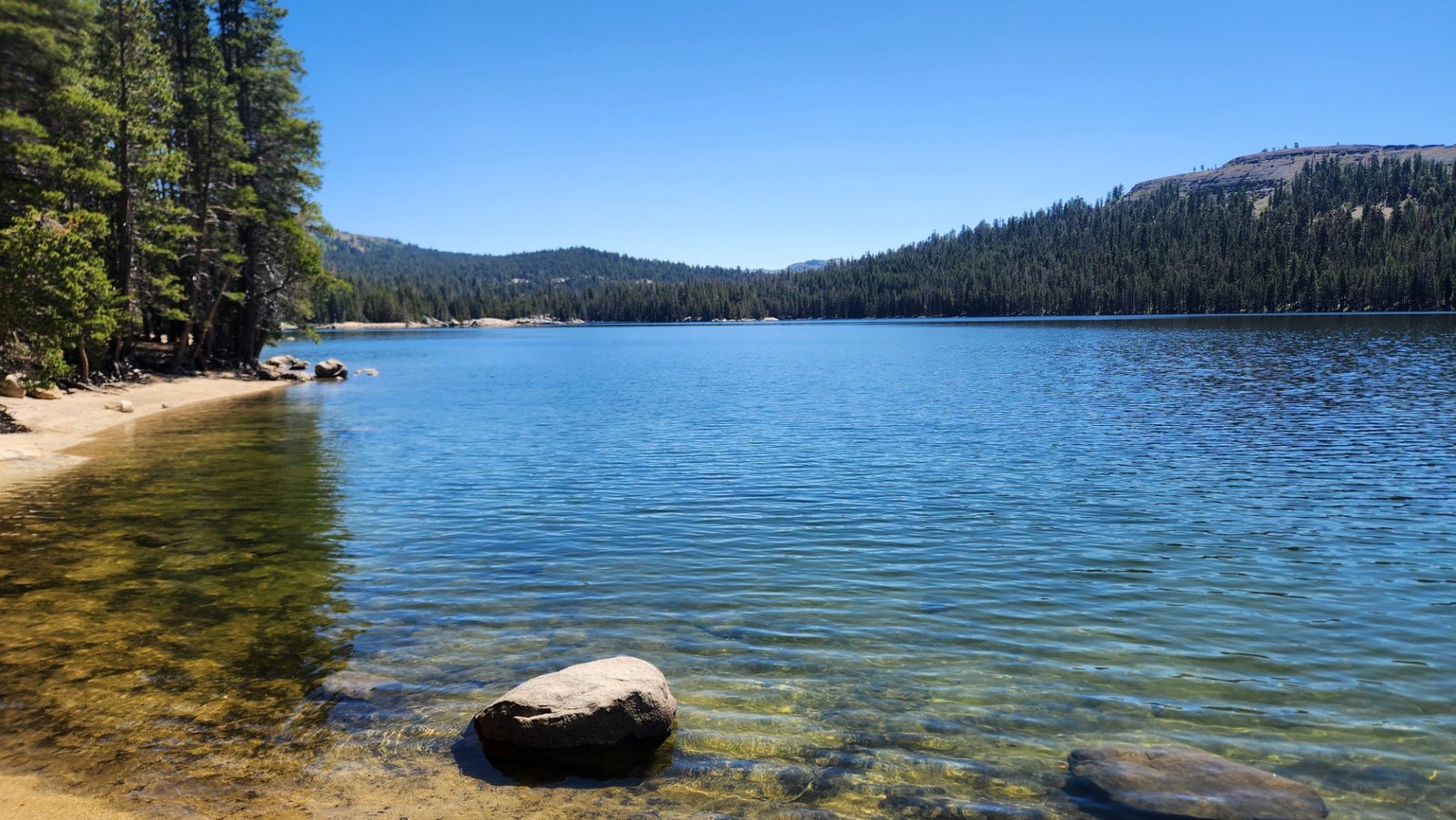
Historically, summertime is when people leave The City and go inland. There are entire neighborhoods in Oakland that were built in the early twentieth century that are mostly cottages for people escaping the fog. In the summers I like to head to the mountains and feel the sun on my neck and get some fresh air. When the skies are clear, it is difficult to get too much of the Sierra.
Lake Alpine
National Politics
Good grief! I need not write about the state of the federal government and the current president. Recently, Californian Governor Newsom has taken to rhetorically mocking him. It may be the only way in this Age of Delusion. Below is a quote by Newsom published on a social media website concerning attempts at redistricting and gerrymandering.
A follow-up post tonight read: “DONALD ‘TACO’ TRUMP, AS MANY CALL HIM, ‘MISSED’ THE DEADLINE!!! CALIFORNIA WILL NOW DRAW NEW, MORE ‘BEAUTIFUL MAPS,’ THEY WILL BE HISTORIC AS THEY WILL END THE TRUMP PRESIDENCY (DEMS TAKE BACK THE HOUSE!). BIG PRESS CONFERENCE THIS WEEK WITH POWERFUL DEMS AND GAVIN NEWSOM—YOUR FAVORITE GOVERNOR—THAT WILL BE DEVASTATING FOR ‘MAGA.’ THANK YOU FOR YOUR ATTENTION TO THIS MATTER! —GN”
It is 2025 and politics is now truly a place of sarcasm, dark humor and unavoidable childishness. I think “Donald Taco” is a good one. Let’s stick with it
Local Politics
If you want to keep track of San Francisco politics, probably the best place is https://missionlocal.org/. They actually have a few beat reporters and report on things like homelessness and the police. For the last few months there has been a lot of coverage about 16th and Mission Street, a place that has for decades been a bit rough around the edges. With the crackdowns of activity in the Tenderloin, many people moved on to the Mission District This has happened many times in the past.
Who needs humans?
If you drive down Interstate 101, most of the billboards are for tech companies and speak in terms only programmers would understand. Many are for selling AI. Of course, politicians are embracing the new technologies as a panacea for all our problems. AI plus crypto currency? Sounds like a disaster to me. It is definitely the formula for the next financial crash. You heard it here first.
Sporting News
As of this posting the San Francisco Giants are nine games out of first place and are under five hundred. And so it goes. THANK YOU FOR YOUR ATTENTION ON THIS MATTER!
That is The Quarterly Report – August 2025
Photo Gallery of SF
The Quarterly Report – August 2025
Mariachi at the San Jose Jazz Festival
Headhunters at the San Jose Jazz Festival
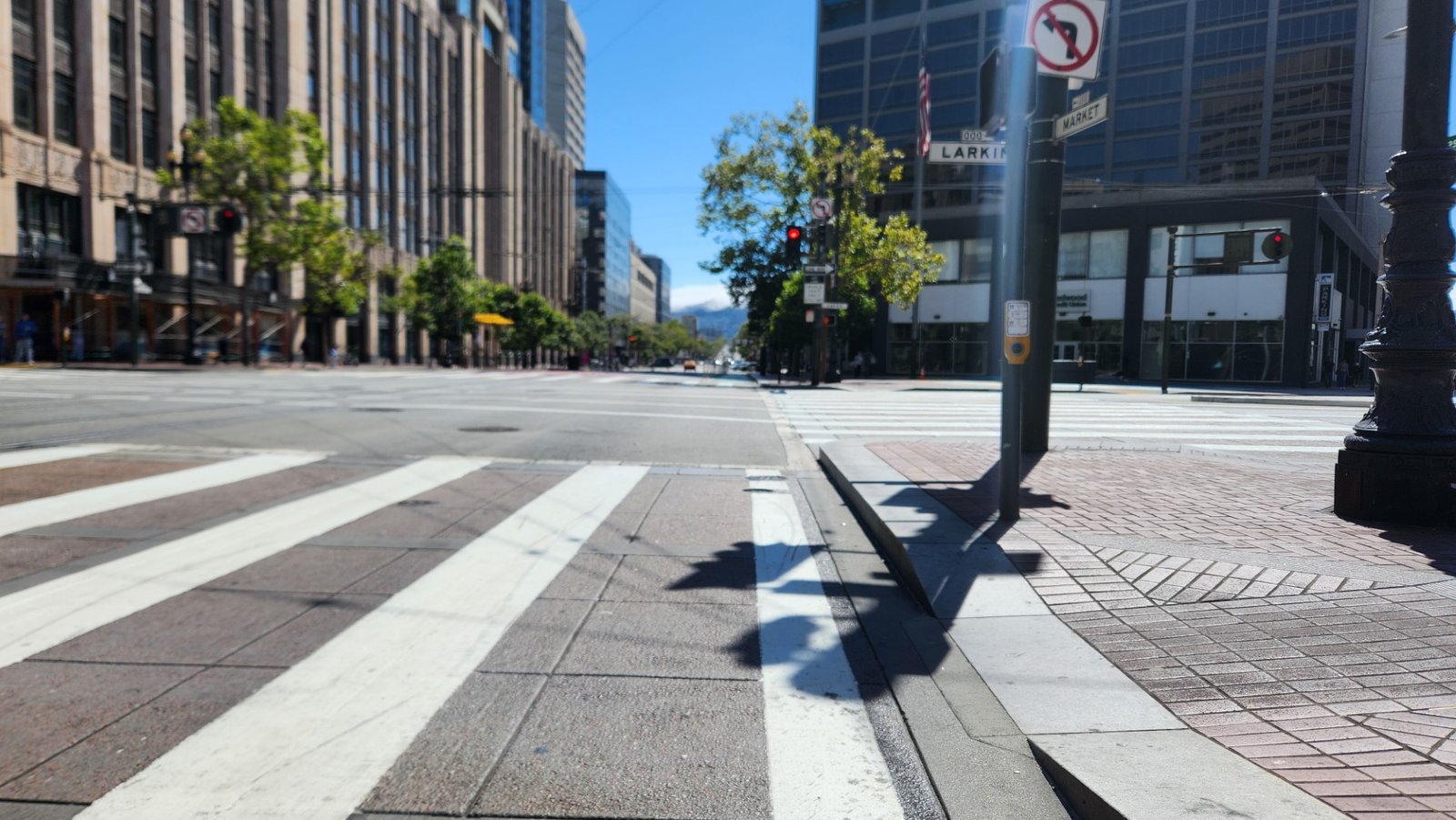
Looking west down Market. Street The fog is seen at Twin Peaks
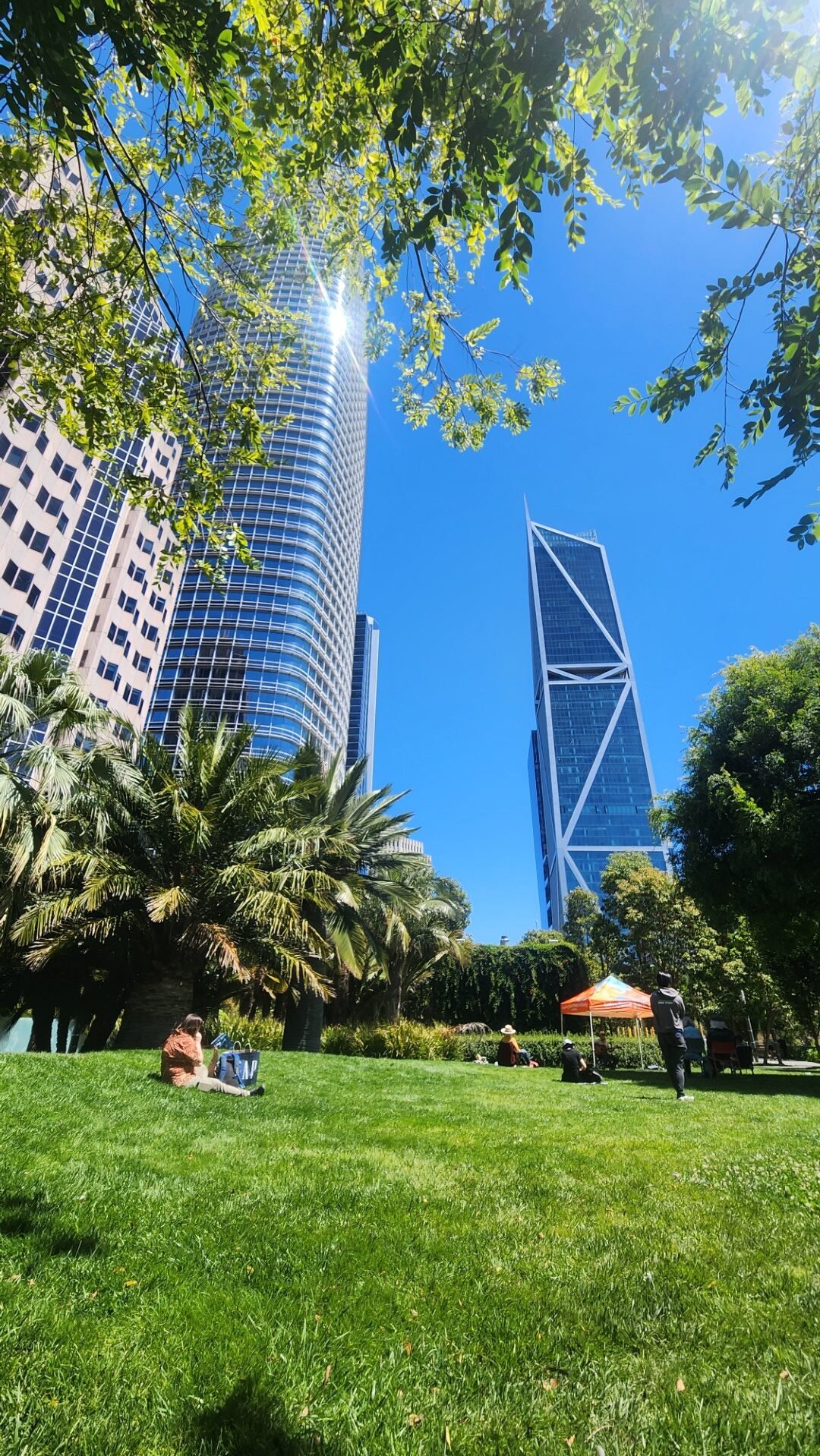
Salesforce Park and a free Nat Keefe solo concert
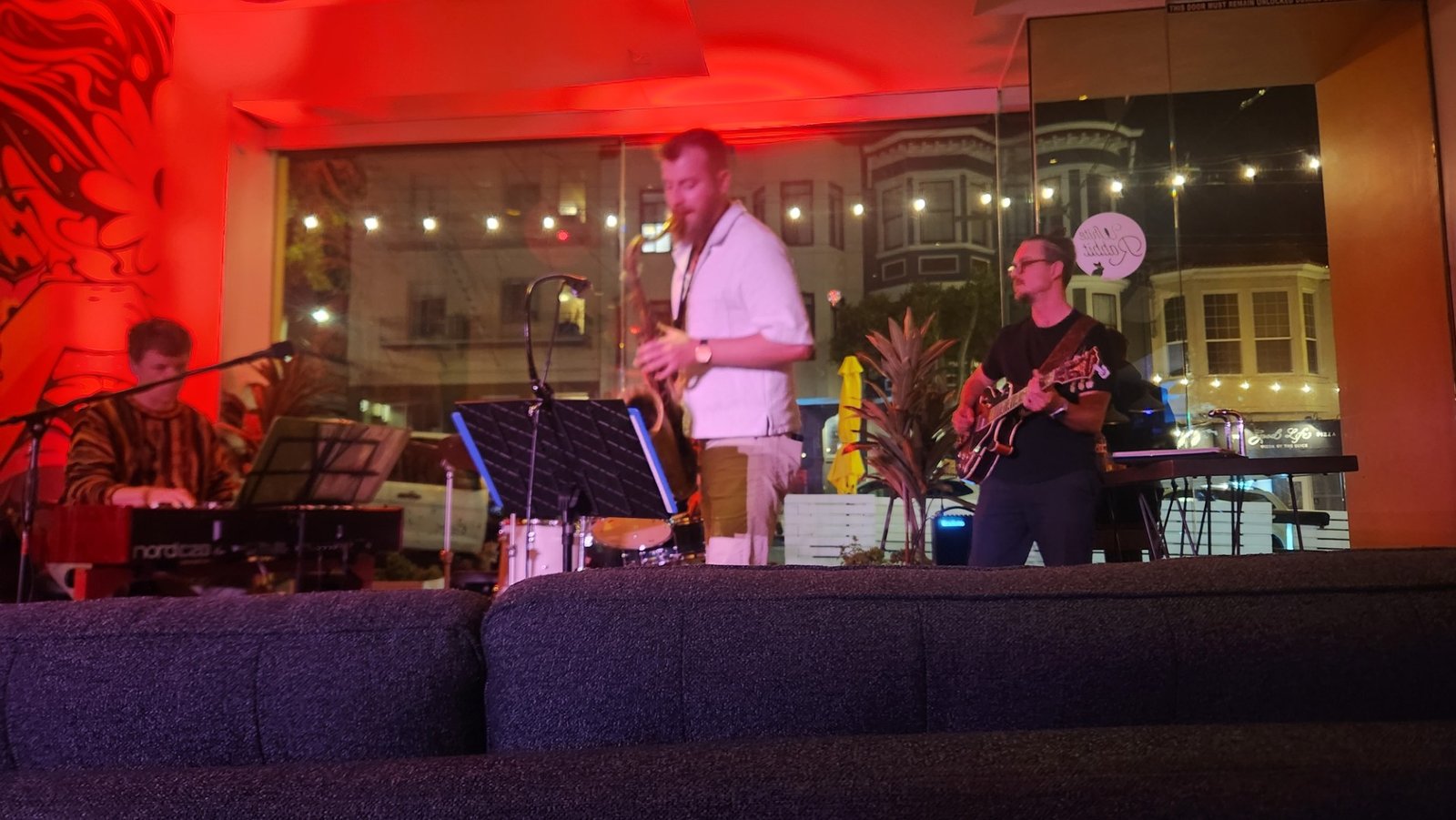
SF nightlife
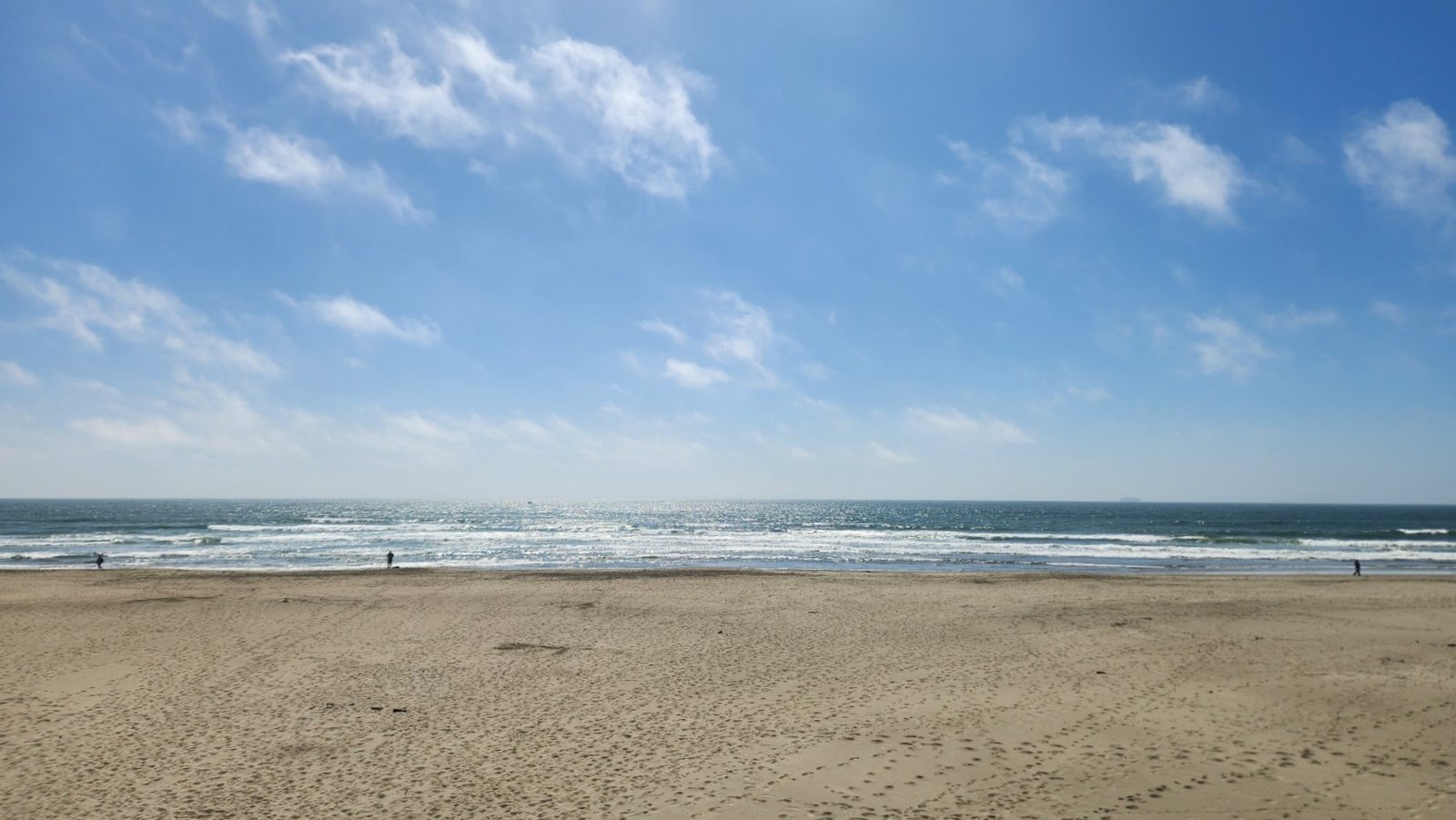
Ocean Beach on a rare clear day
Julio Lemos concert in Oakland
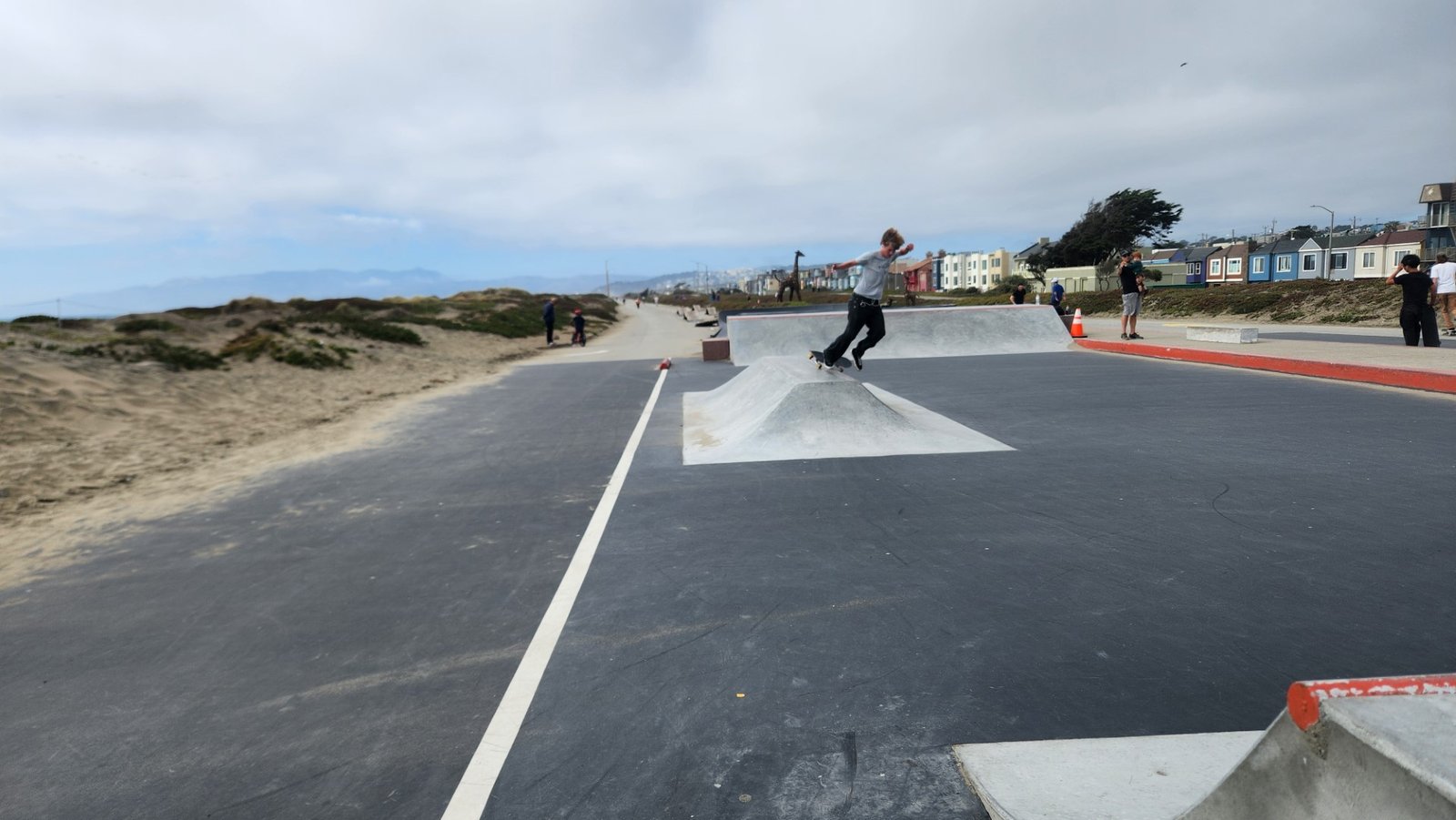
The Great Highway skatepark.
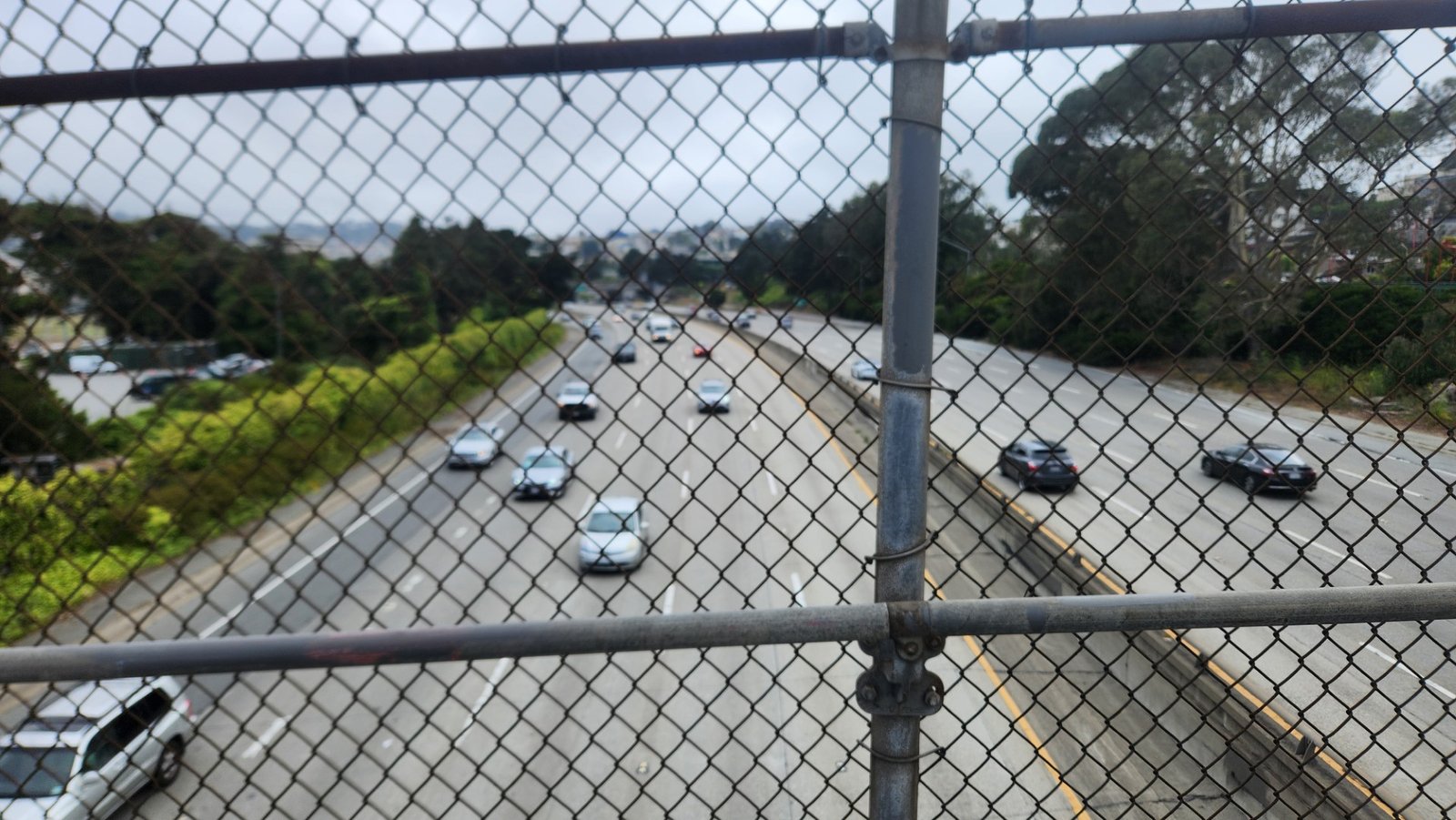
Pedestrian overpass of Interstate 101
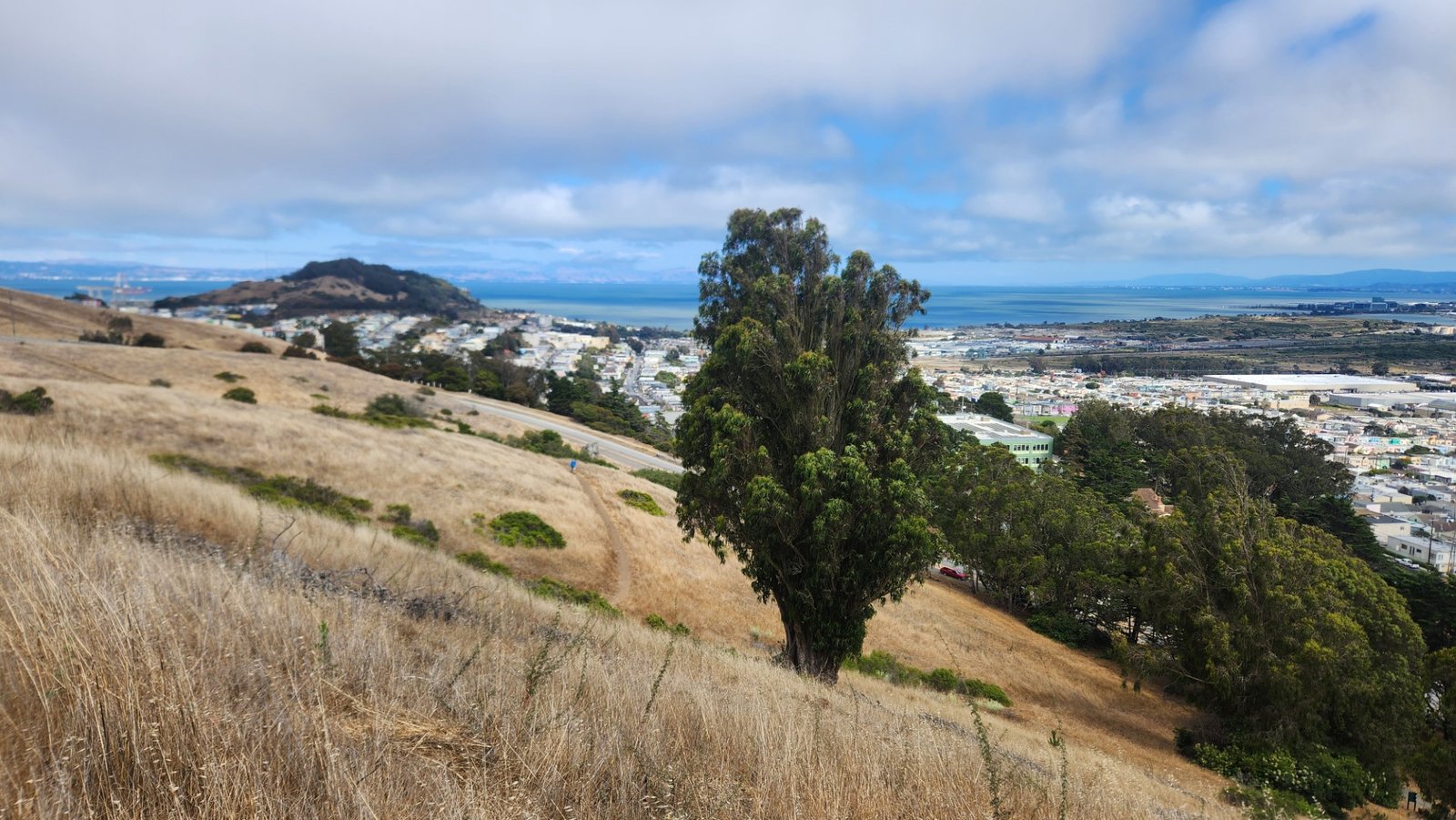
McLaren Park view looking Eastside towards the bay.
McLaren Park view looking west down Ocean Ave.
Who needs humans? Stop hiring them!
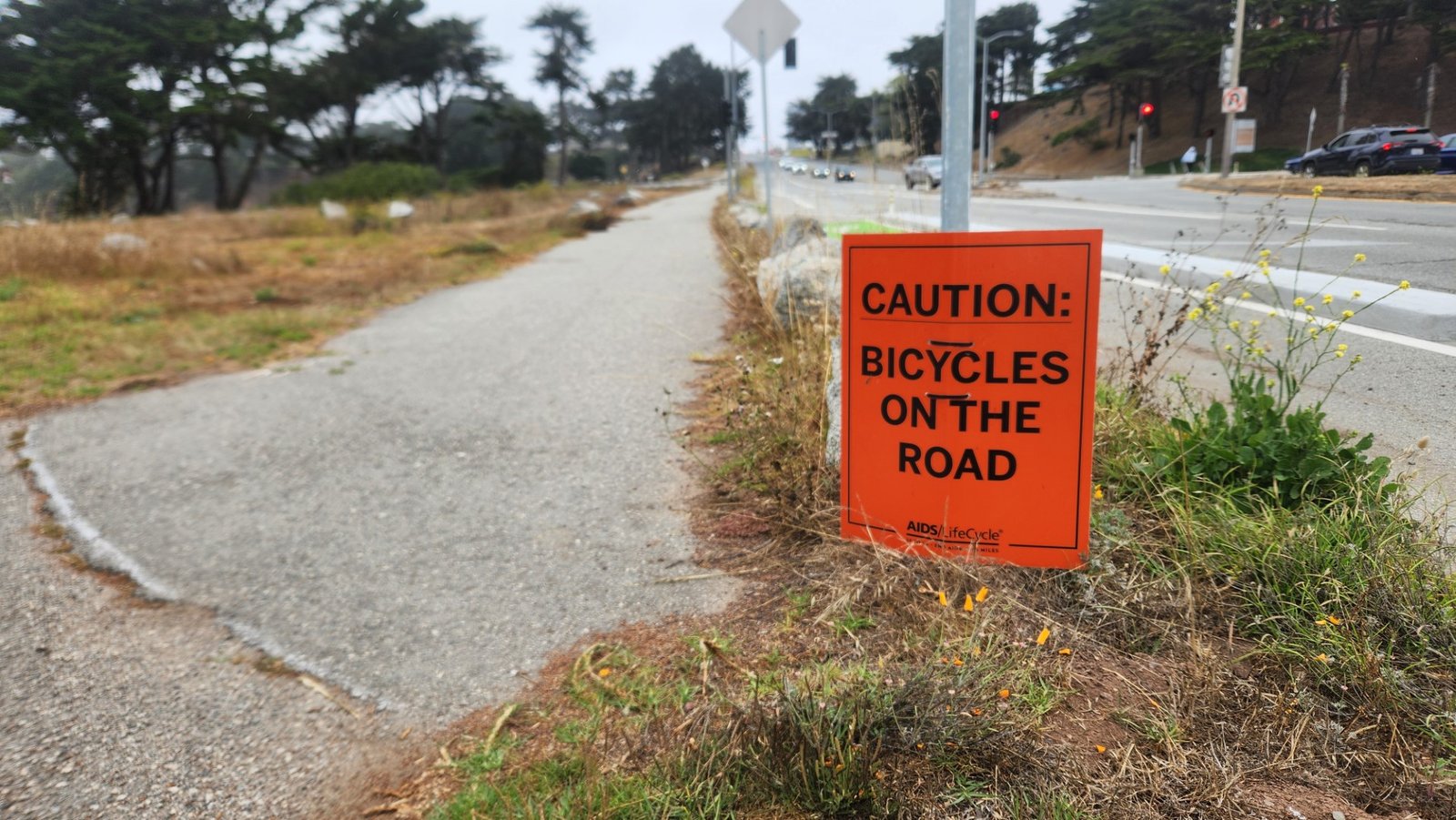
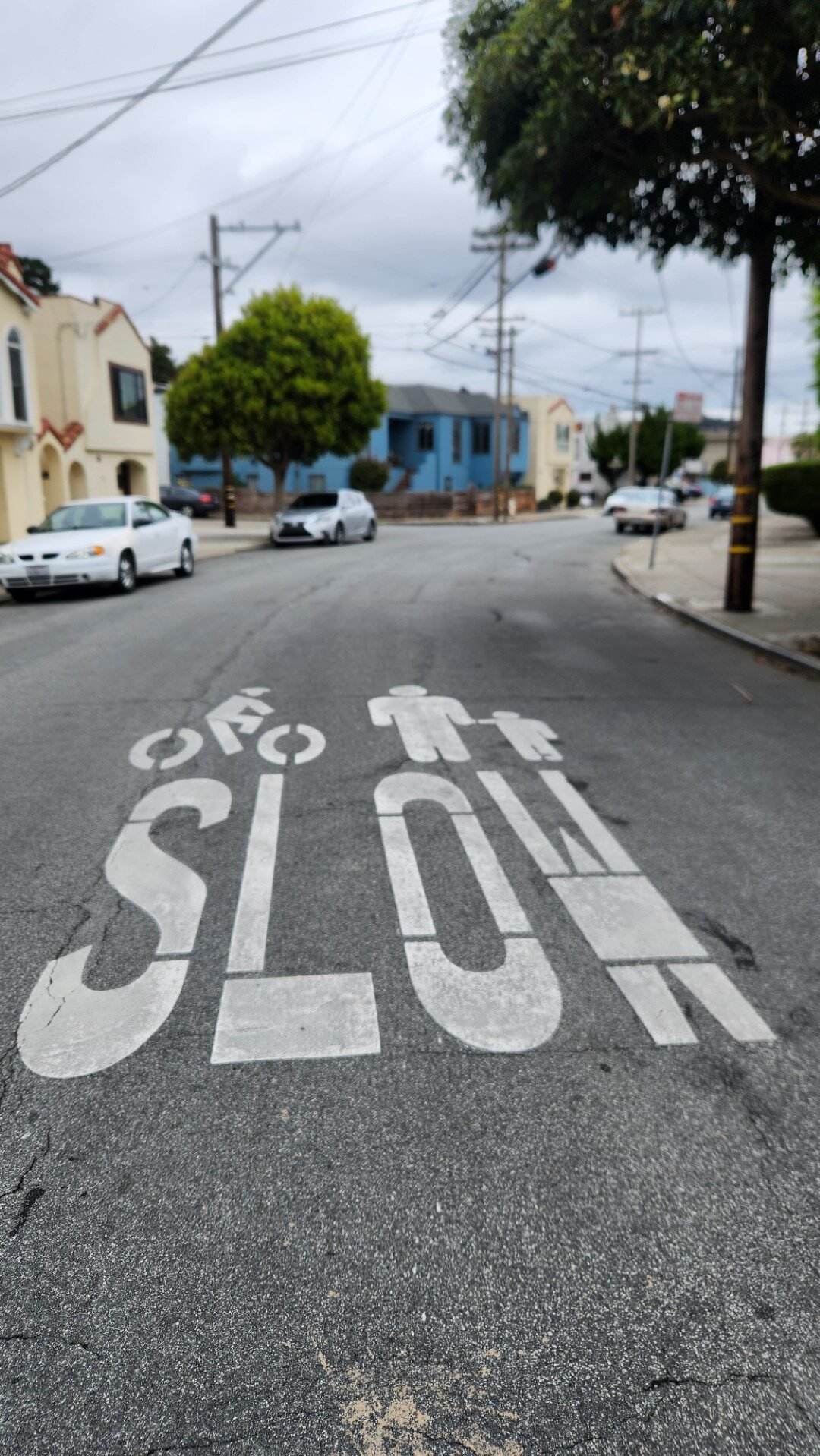
Caution: Bicycles on the Road
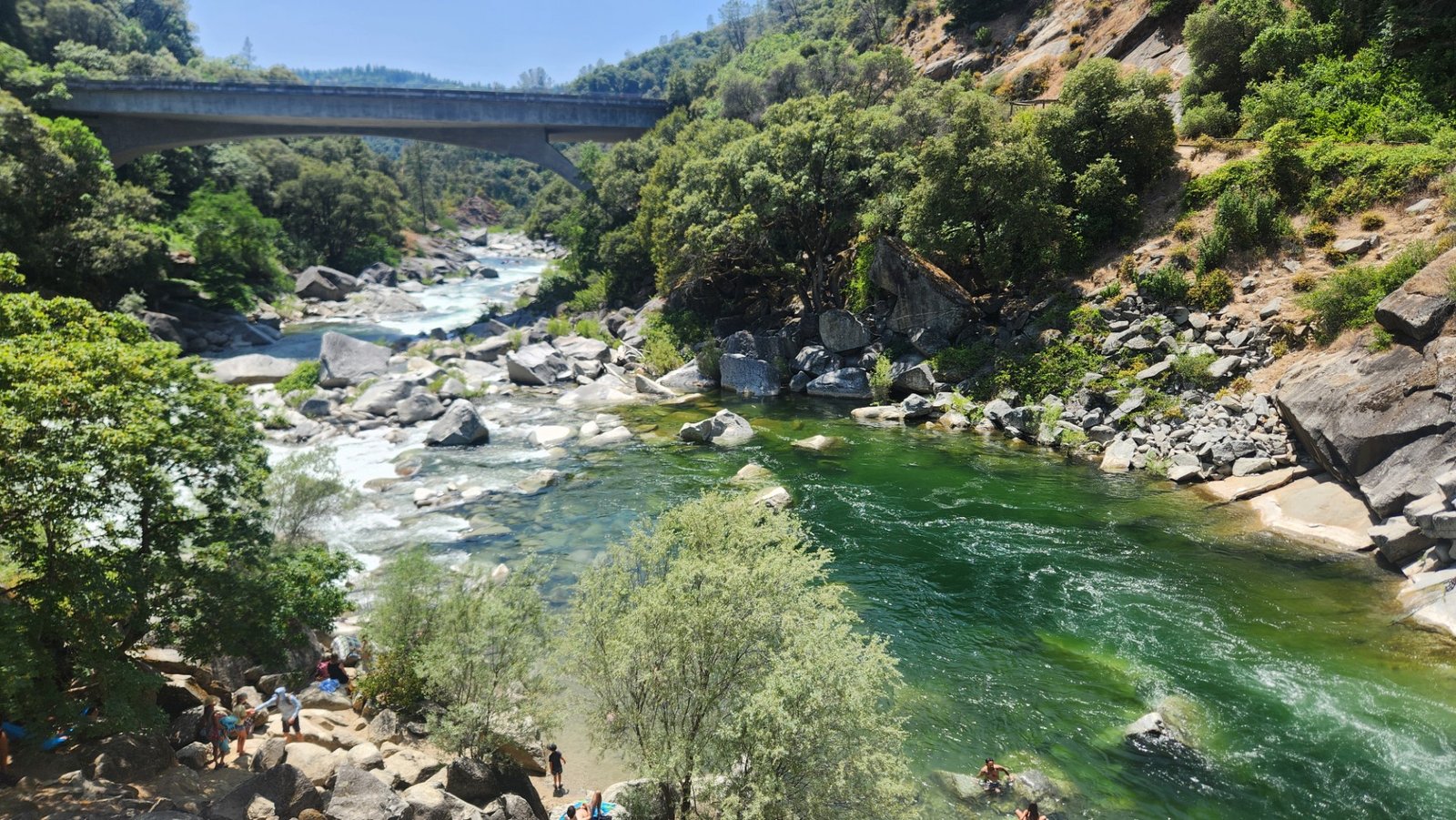
Lake Alpine by Bear Valley
Fillmore Jazz Fest 2025 – Paula West
Fillmore Jazz Fest 2025
The Great Highway
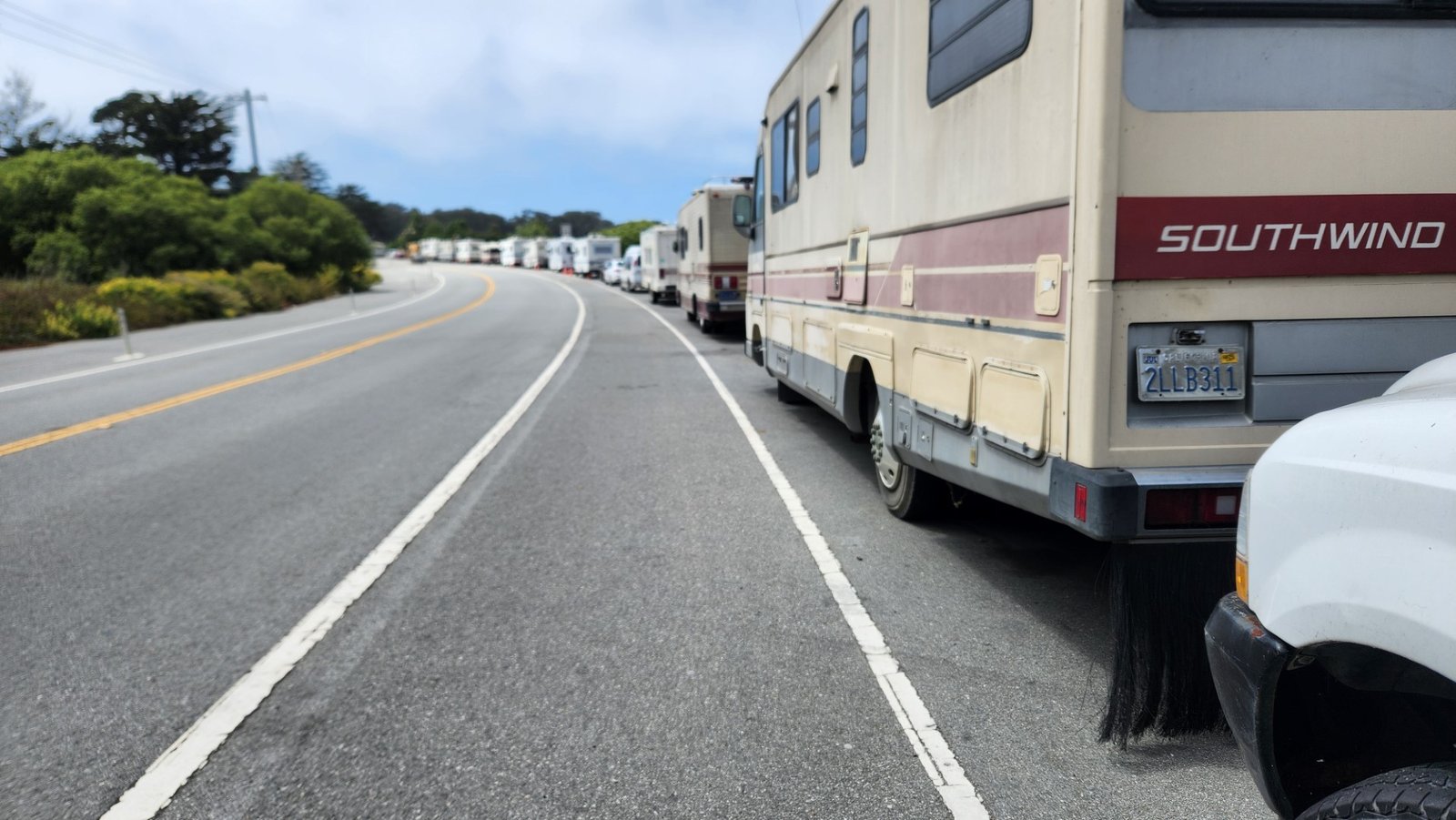
RVs by Lake Merced in San Francisco. This is a very non-dramatic photo of people surely priced out of the housing market, figuring out a way to survive.
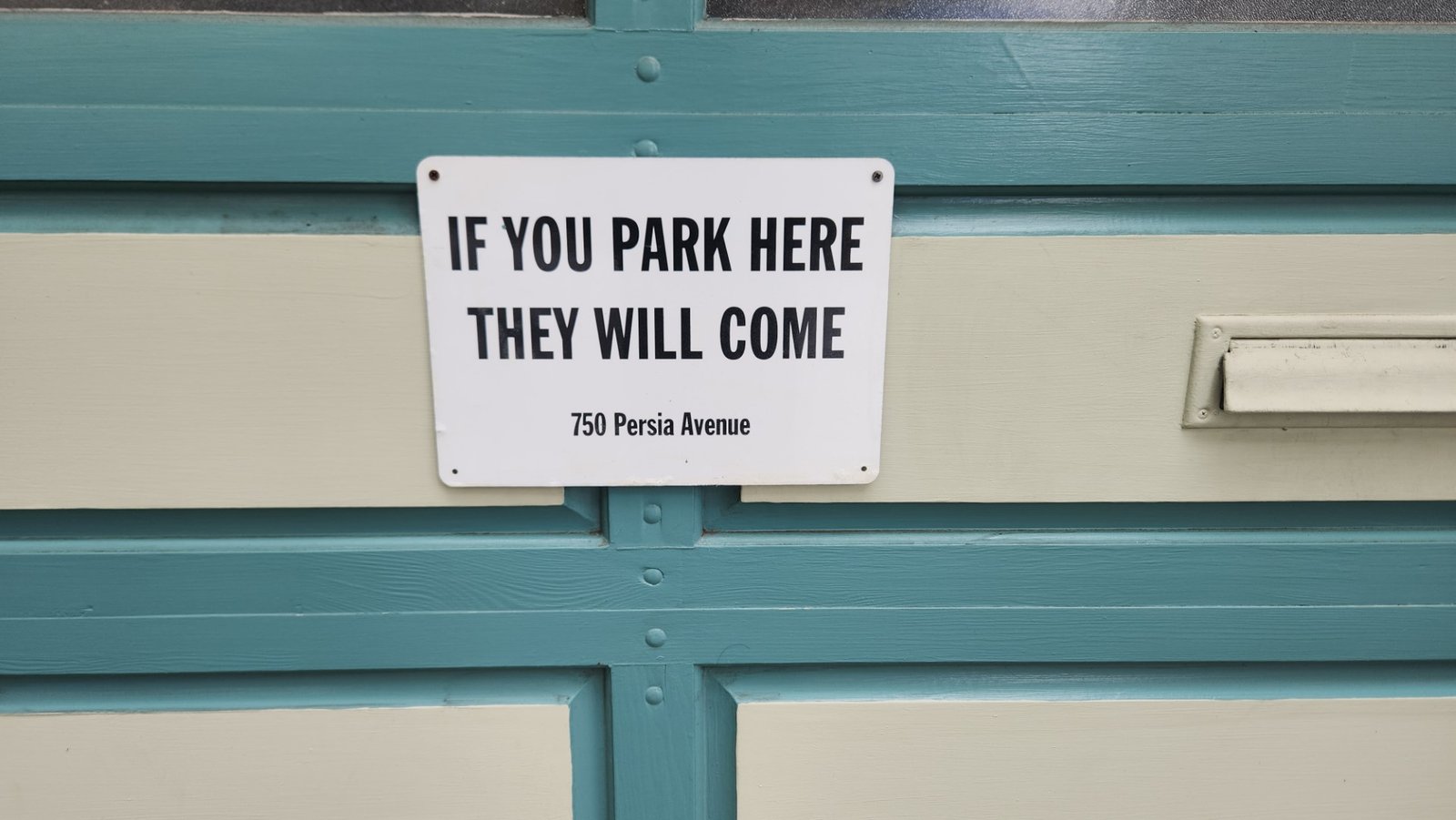
There is something a bit whimsical and wry about this sign. It is a bit mean, passive-aggressive in a good way, and oblique. Everyone knows who “they” are. First, the little white golf cart looking vehicle with the guy wearing a bike helmet and the $63 blocking residential door ticket. Then the yellow tow truck and the $500 tow charge. Then the crazy hourly fees for storying your car far away from where you parked it. The parking tickets in San Francisco are all outlined in https://www.sfmta.com/sites/default/files/reports-and-documents/2024/05/sfmta_fees_and_fines_for_posting_effective_april_16_2025.pdf. One of the constants of living in San Francisco, is that parking tickets always go up.
Please DO NOT BLOCK DRIVEWAY Thank You
Then there is the nice way to say “do not block my driveway.” Do take some fresh-baked chocolate chip cookies on the top stairs before you head off, drive around for 15 minutes and try to find that elusive place to park. Have a wonderful day. Thank you!
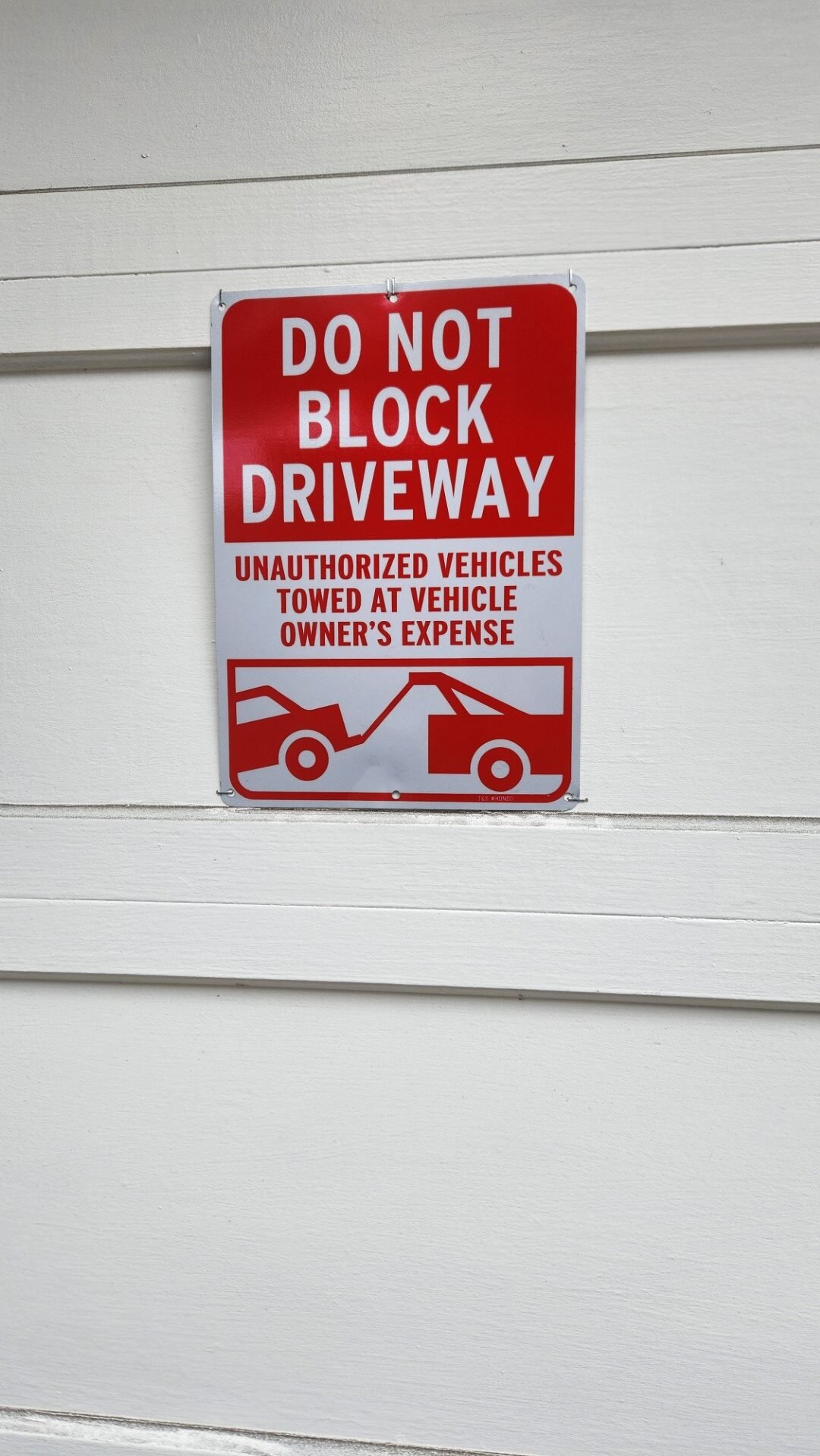
DO NOT BLOCK DRIVEWAY UNAUTHORIDED VEHICLES TOWED AT OWNERS EXPENSE
Then there is the sign you buy at the hardware store that is very direct. It does not matter what your first language is, this one, with the universal iconography of the tow truck and the car, tells you exactly what will happen. It is a bit like those instructions for IKEA furniture. Does it really even need words? This one is the opposite of the snarky “if you park here they will come” sign. It is ADA approved but forget about the cookies at the top of the stairs. Do not even think about ringing the doorbell.
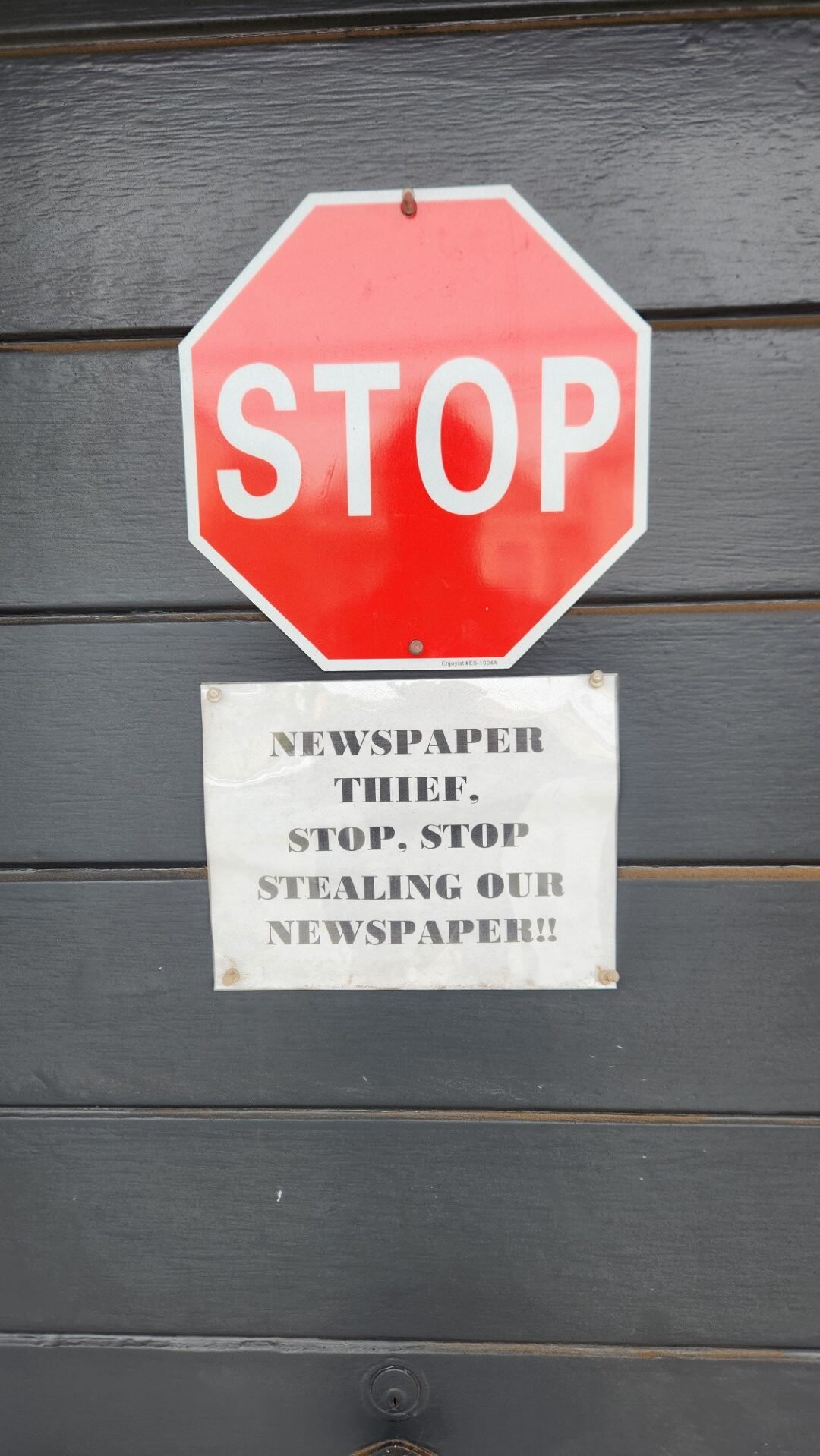
NEWSPAPER THIEF STOP, STOP STEALING OUR NEWSPAPER
Indeed, crime is on the rise in San Francisco. Someone, evidently, cannot get enough to read and is walking off with the neighbor’s San Francisco Chronicle.
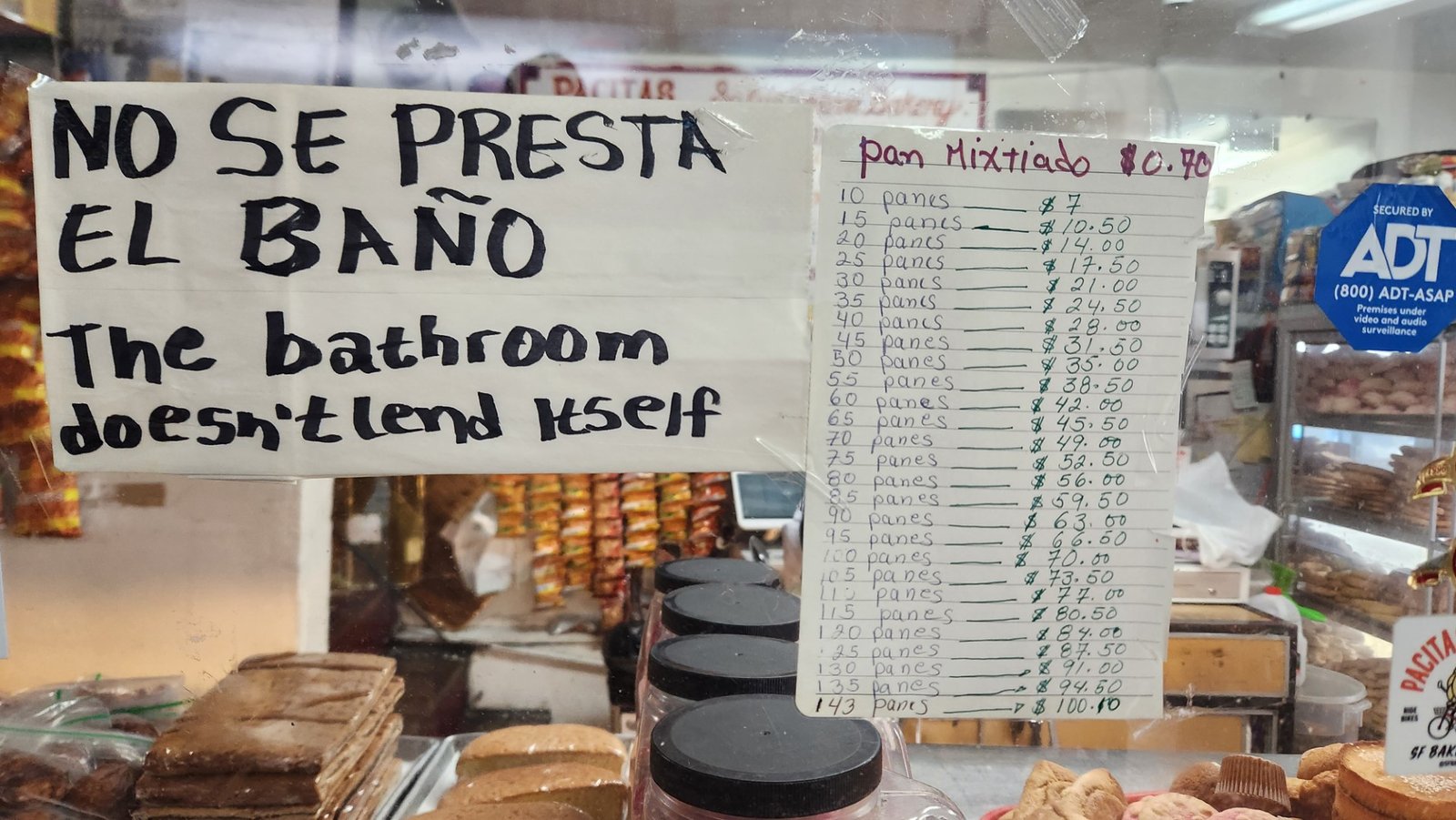
NO SE PRESTA EL BANO – The bathroom doesn’t lend itself
The grand finale of this signage journey is a handmade sign from the counter in a local Salvadorian bakery. While “NO SE PRESTA EL BANO – The bathroom doesn’t lend itself” is not a NO PARKING sign, in a way it is. It is telling the world that you are not welcome. In this case, it is you ass on the throne in our water closet. The literal translation works just fine. Impressive that they got the apostrophe in the correct place. I am glad that they did not draw any pictures.
If you want to get an idea of how San Francisco was in the early twentieth century, it is fun to check out the photos at https://www.opensfhistory.org/ Not too long ago people got around on horses and entire neighborhoods had dirt streets. Empty lots where now there are houses that look like they have been there forever. Less trees.
Excelsior Playground – 1912
It is a bit shocking to see how a neighborhood on the south side of the city, the Excelsior, looked a little over a hundred years ago. At the time there surely were farms close by. Cows, goats and sheep. I attempted to get the same shot today of the photo above but so much has changed and the angle was tricky. There is a baseball field there now where you see the lumber. The playground today has fences, basketball and tennis courts, a kids playground and a clubhouse.
Excelsior Playground – 2025
If you go north of here, there is a similar story with Bernal Heights.
Here is looking up Cortland from San Bruno. Now, every speck of land is a lot with a house on it.
On the other side of Bernal going west, looking down to Mission Street. Too bad the trains are no longer running. Now you can take the 24 Bus.
Above is the “proposed” Alemany Boulevard. Now Alemany Boulevard runs next to a massive interstate interchange where 101 and 280 meet and go their own ways. Cars and truck roar down raised concrete highway cloverleaf structures, banking to the left and the right. A hundred years ago it must have been very quiet with probably hundreds of rabbits hiding in the brush.
No collection of historic San Francisco photos would be complete without a photo from 1906, the earthquake and the fire that destroyed a lot of the city.
It has made it so tech companies and publishing empires no longer have responsibility for what is published on their applications, websites and what they now call “platforms.” Safe harbor. Everything is just content. Stuff. No one owns the stars. Digital Millennium Copyright Act 25 Year Anniversary – SF Journal
Piracy is the foundation of the commercial internet. It is all just stuff. The digital world is a non-destructive medium. I can copy and paste anything, it loses none of its quality, and it is all mine, evidently free to use (except if it is owned by Getty Images). It matters not whether someone “owns” it. Indeed, no one owns the stars. Furthermore, my experience of your art is just as valid expression of art as your art. Today, the experience of art is often now monetarily more valuable than the art. Copyright laws are meaningless. This is why music fans can create a YouTube channel and make more money off of a musical artist than the artist. In 2025, I can create software that gobbles up your art and creations and create new creations. They call this Artificial Intelligence or AI. It is just the latest version of the piracy that has been going on since the beginning of the internet.
While early photography was analog, using silver and glass plates and large box cameras, it always seemed fascinating to me the observation of some of the Native Americans in the mid-nineteenth century when they first interacted with this technology. When they saw the photographs they thought the white man was stealing their souls. They may have been on to something. Today large tech companies are not so much stealing souls but making money off of them. The most important events and parts of peoples lives are being “monetized” and in a way stolen. Who really owns your address book, contacts and photos from that last birthday? “Safe harbor. Everything is just content. Stuff. No one owns the stars.”
In the realm of recorded sounds, a similar dynamic happened at the beginning of the twentieth century. New Orleans trumpet player Freddie Keppard feared that if he was recorded, people would steal his ideas. He was definitely on to something. The development of “jazz” was moved forward by recordings and people playing along and transcribing solos of the greats. Evidently, if you wanted to cop Freddie Keppard’s licks, you had to go to Bourbon Street. “Safe harbor. Everything is just content. Stuff. No one owns the stars.”
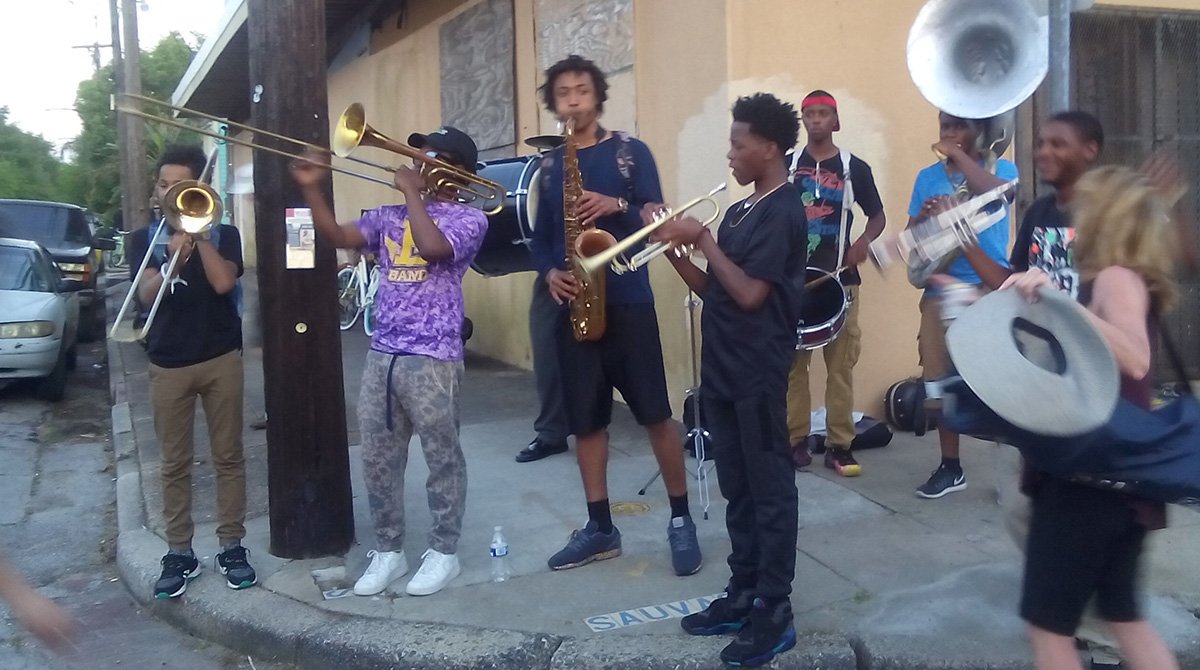
New Orleans Jazz Fest 2016
It is now 2025 and the mining of original creative content by the tech companies is on full throttle. The pirates are in control of the ship as they have always been. The AI bots are sucking up all the work of the creative class and “monetizing” it. I was reminded of this when author David Baldacci made a video of how his novels have been ingested and now can be spit out by AI. In his own words “[they] backed up a truck to my imagination and stole everything I ever created.” These services now spit out novels that read as if they were written by Baldacci, with similar plots, dialogues, and even character names. “Safe harbor. Everything is just content. Stuff. No one owns the stars.”
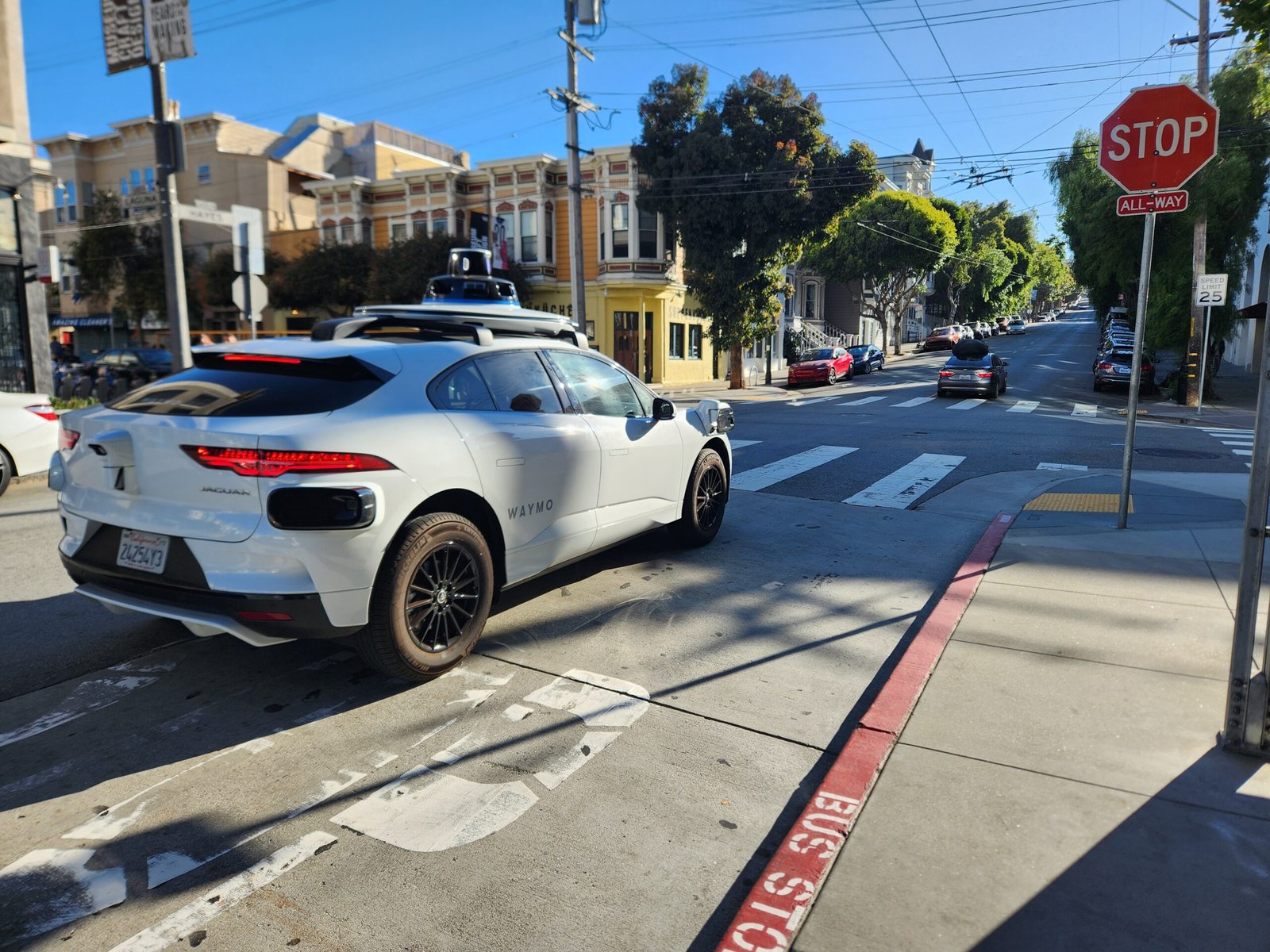
Where this will all end, no one really knows. The control of information, the manipulation of people and the censorship of ideas is as great as ever while at the same time the billionaires mine and pillage the movements and work of just about everyone on the planet. I did have a strange dream the other night. I dreamt that a driverless Waymo taxi pulled up to our house in San Francisco and a robot passenger got in the backseat of the car. The taxi drove off. Not a soul onboard. “Safe harbor. Everything is just content. Stuff. No one owns the stars.”
One day it will happen. Though billionaire Peter Thiel thinks he can become immortal, the beauty of life is that it has its seasons. One day we all die. I did not make up this rule. It is just the way it is.
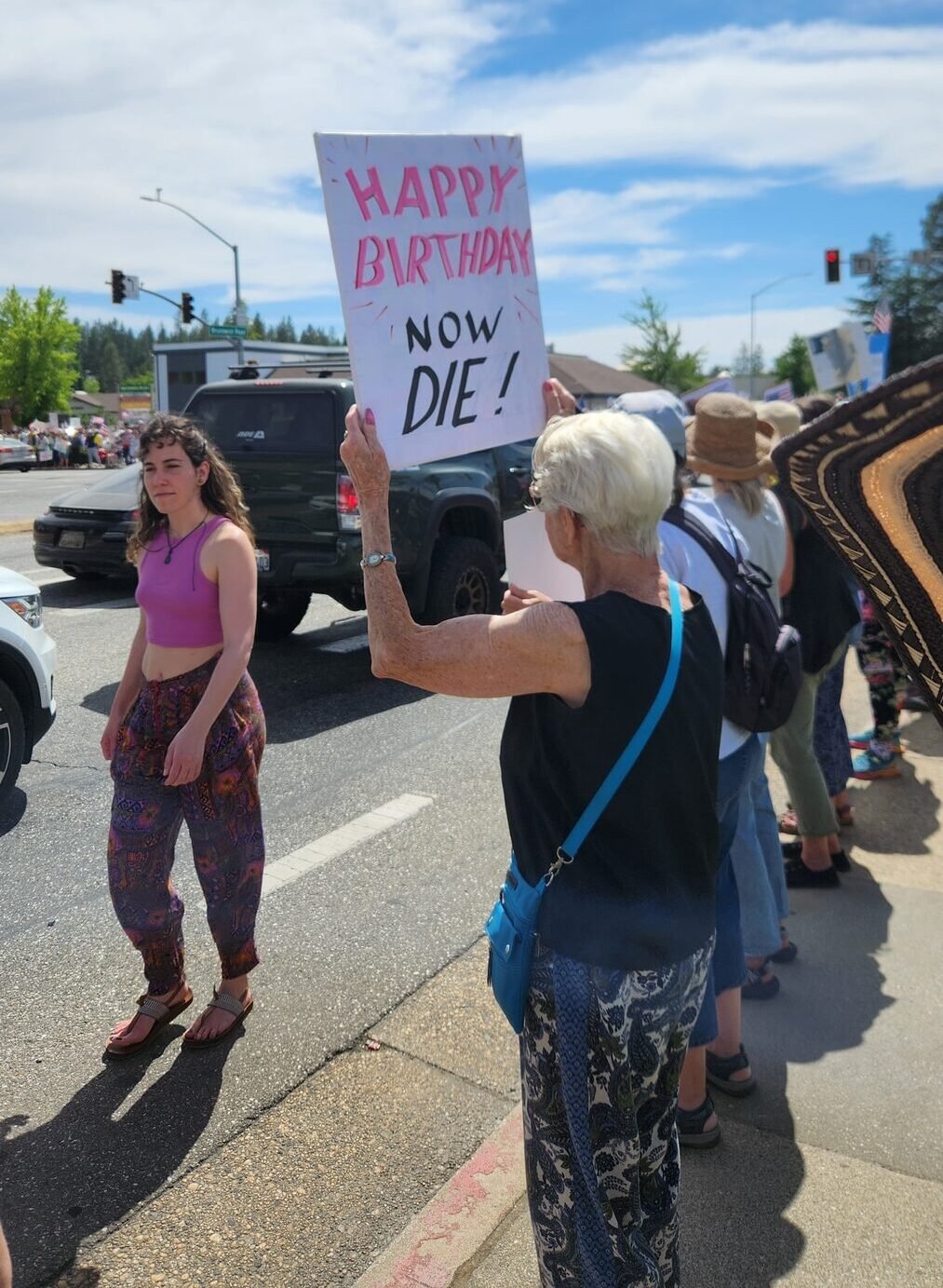
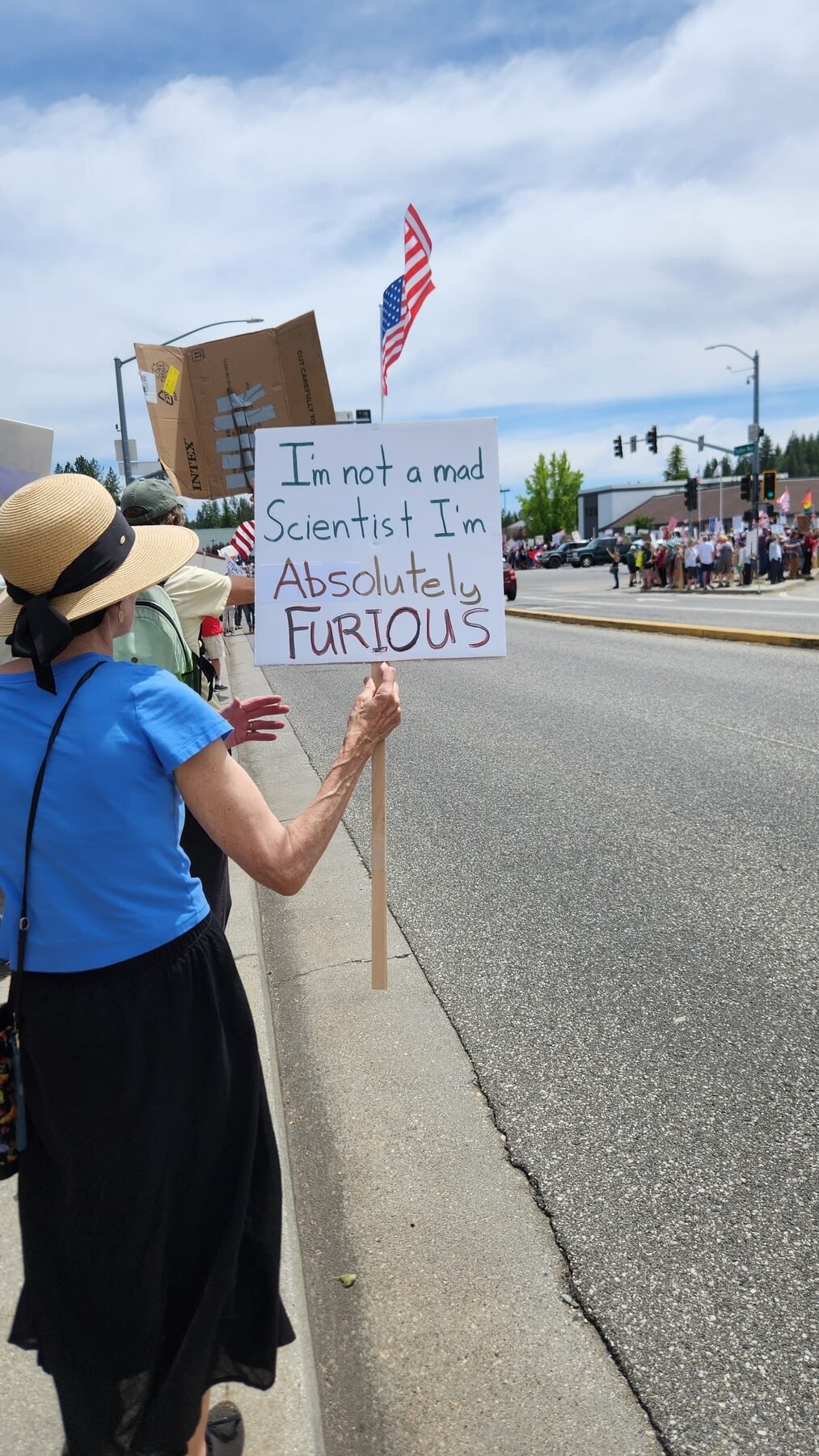
No Kings Day – Grass Valley, California. It always amazes me the signs at demonstrations in 2025. The biting humor and the clever observations. “Happy Birthday, Now DIE!” Good one!
So when Donald Trump dies and finds himself at the pearly gates and meets his maker, he asks God to let him into heaven. God then asks Donald why? What virtues he has lived, whether he believes and loves Jesus and why he should give him eternal life. Donald responds that he Made America Great Again, deported all the brown-skinned people. God responds that the immigrants were just his children looking for a better life. “When a foreigner resides among you in your land, do not mistreat them. The foreigner residing among you must be treated as your native-born. Love them as yourself, for you were foreigners in Egypt.” —Leviticus 19:33–34. God goes on to say “even my only son Jesus had to escape tyranny and travel to foreign lands. And besides, the lettuce and tomatoes on your Big Mac hamburgers were picked by these hard working immigrants.”
Donald then says that he should go to heaven as he dismantled the corrupt federal government and the deep state that ruined so many lives. But God answers that “the federal government programs he cancelled were mostly virtuous, programs that feed the poor and needy, aided the sick, infirmed and elderly. It aided people that respected the natural world and lived to protect and defend God’s many wonderful creations.”
Donald, in a bit of distress, then asks God if there is anything he can negotiate to gain his entrance. Perhaps New York real-estate, Jeffery Epstein’s favorite underage hookers or perhaps an undervalued crypto-currency to which God just shakes his head. Then Donald said that his greatest accomplishment was banning abortion. That it rallied the troops to save the unborn, to which God says “au-contraire.” “You never really had any true beliefs in your heart on the subject but used it to simply divide people. In the end, many women who were not ready to be mothers or were raped had to give birth to children that then had little food and support. Others died of sepsis and suffered painful deaths. Your heart had no compassion for the poor and suffering.”
No Kings Day – Grass Valley California
So then Donald, out of options and realizing he did not have the cards, asks God what his plan is for him, to which God said it is best that Donald J. Trump spend eternity in a hot and humid climate, like the Florida Everglades, in a cage, surrounded by a cheap poorly made tent, surrounded by hungry alligators.
If you are interested in learning about how our world got to this gilded age, where a few billionaires have amassed great wealth on the backs of ordinary citizens, a good place would be to check out of your local library Peter Thiel’s Zero to One: Notes on Startups, or How to Build the Future. Thiel believes that monopolies are a good thing. His book is a business school manual and outlines how to create a monopoly and squash the little guy by getting the wealthy and hedge funds to invest in your company. You intentionally sell products for a loss. This process can last up to even ten years. Your competition eventually goes out of business. You then jack prices back up and become the only player in town. Such is the business plan for monopolies like Amazon and Walmart. Meta simply buys any competing company and often just shuts them down. This is the recipe whereby you dominate a market. It is the formula for our gilded age.
Creative monopolies give customers more choices by adding entirely new categories of abundance to the world. Creative monopiles aren’t good for the rest of society, they’re powerful engines for making it better. – Peter Thiel, Zero to One: Notes on Startups, or How to Build the Future.
Of course, Thiel makes the usual ignorant assumption that all over the world people lived a “extremely hard life.” p.9 An anthropologist he is not. He then goes on to admit that during the late 1990s, while working on PayPal he worked 100 hours a week. Surely more hours and stress than fishing, gathering berries and root vegetables, playing with your kids and sitting around a fire and weaving baskets.
Today, Peter Thiel and his company Palantir Technologies is a key contractor for the U.S. defense department. It is presently taking all the data from various systems and creating a digital footprint for every citizen and probably non-citizen in the U.S.. It is very much like Big Brother in George Orwell’s 1984. We are all being surveilled.
But why should anyone care what Peter Thiel thinks or does? Because he is a very wealthy and powerful behind-the-scenes player in our world. It is a bit like why General George Patton read Mein Kampf, Hitler’s autobiography. If you want to understand the powerful, it is best to study their work which is often in plain view. Zero to One. is an easy read, a little book and less than 200 pages.
Peter Thiel’s influence in politics is large. He bankrolled JD Vance’s senate election. In this way he is a bit of a king maker. Of course, another book to check out of the library is Hillbilly Elegy: A Memoir of a Family and Culture in Crisis by JD Vance. I read the book before watching the movie. It is a “rag to riches” memoir where the hillbilly instincts of his grandmother are idealized and the driving force of his character. JD Vance, in real life has steely blue eyes and a bit squat. In the movie, the actor playing him has soft brown eyes, and is much leaner. In our image-obsessed world, where fact and fiction are constantly blurred, biographic films often become a way to define the narrative.
Perhaps as long as we are going down this road, another book to read would be Donald Trump’s Art of the Deal but Trump surely wrote little of that book. It was written by Tony Schwartz who regrets writing the book. He has stated that if the book were written today, he would name it The Sociopath.
Peter Thiel is 57. JD Vance is 40. Both will be around for a few more decades. Thiel wrote his book with a student, Blake Master. JD Vance did actually write his memoir. These two men will be very influential for years to come. Understanding the realities and myths of where they have come from will be important to understand the future.
Recently, I tried to explain to a friend why I like doing these weeklong bike trips, camping out, eating in diners, living the simple life. I explained that what is really valuable is that the trips make me much more aware of the world. When you get done with the trip, you notice things in your everyday surroundings that you did not before you left. You start hearing things that you had somehow ignored. You see things about your city that you never noticed. Trees. Graffiti. People waiting for the bus. It helps to make a person fully alive.
When I was on the ride I discovered an interesting theme – the crucifix. While I was not riding El Camino Real, the road that the first missionaries traveled, I did pass by a number of old churches. In the end, I realized that there were three crosses that told a story of my journey and of the time and geography I had pedaled.
ACT 1: RIP Our Beloved Eurovan
RIP Our Beloved Eurovan 12-4-2001 – 7-27-2023
You would never see this cross from a car. It is along Skyline Boulevard, about 20 miles outside of Santa Cruz, high on the road, before you make it to Highway 9. If you were in a car you would have zipped by it and never knew it was there. I saw it out of the corner of my eye and had to stop, thinking it was a cross for some poor person who had perished in an automobile accident. I paused and drank some water and took it all in. Fortunately, it was just a van. Obviously, the climb up the coastal range finally did in the German engineering. The Eurovan surely had a good life and was much loved but maybe overheated and the engine seized? The twentieth century and into the twenty-first was a time when the internal combustion engine became something often more loved than other humans. At some point we are all guilty of this fetish. We all at one point gave our cars names and bathed them on the weekends. Cleaned their hubcaps. Worried about their overdue oil changes. That we anthropomorphize them to the point of an afterlife is a bit strange but it sort of makes sense. This must have been a Christian Eurovan. Surely Catholic.
ACT 2: Mission Carmel Basilica
Of course, Mission Carmel Basilica was the second mission in California, and was one of the places where in California the “saving of souls” all began. In this land where all the manmade things are so new, something that has a bit of history stands out. I wonder what the first Indians thought of this place and the cross that adorns the top? The story of the tragic demise of the native peoples and the history is well-known at this point. RIP dear friend. I am sorry you got one of those nasty viruses that came over on the boat. Some day your great, great, great grand daughter will be able to drive a Ford F150 pickup and get vaccines for the diseases that wiped your people out. Let us pray.
ACT 3: Henry Miller Library
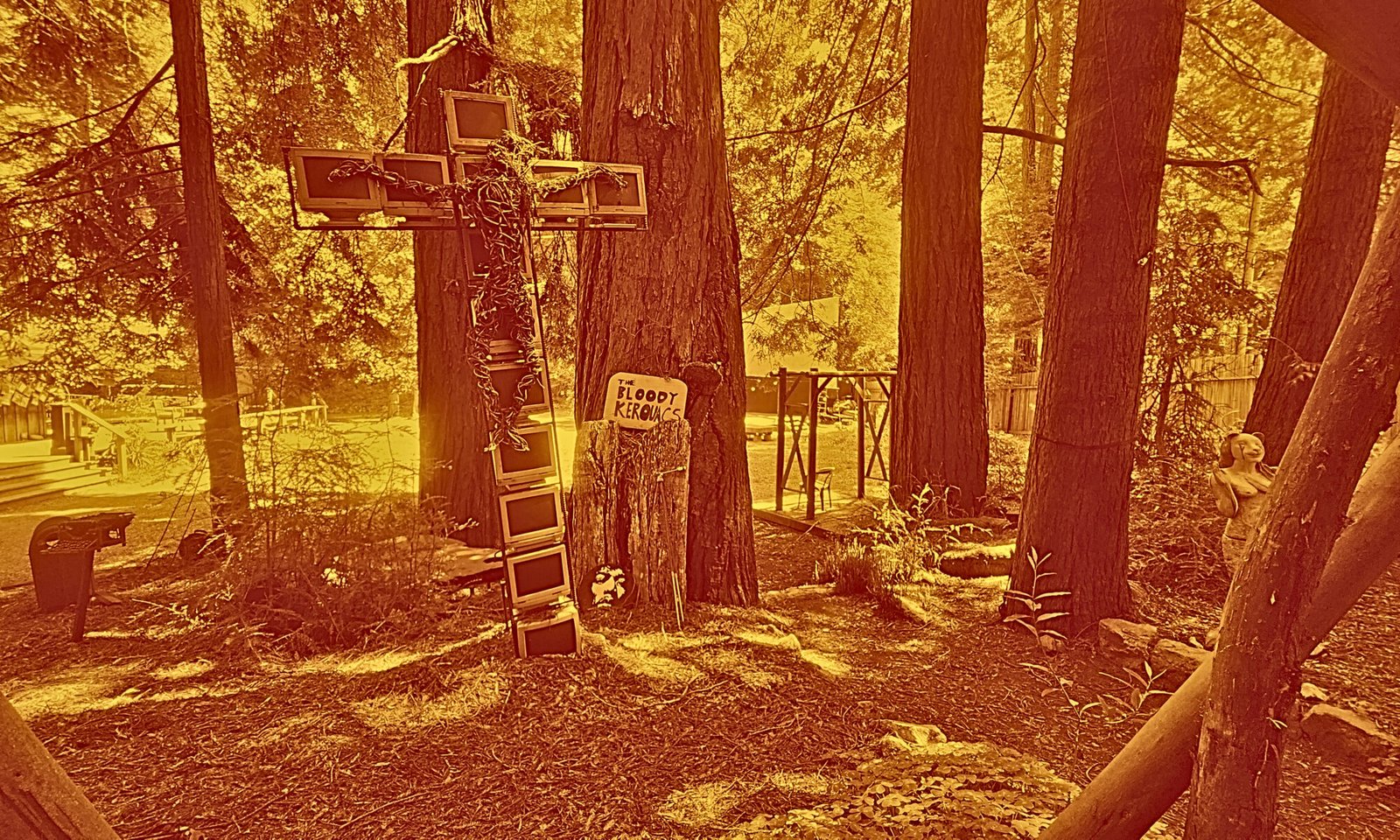
Christ on the MacPlus’s – Henry Miller Memorial Library
The third cross that I came across, that really grabbed my attention, was this sculpture above at the Henry Miller Memorial Library in Big Sur. The cross is made out of old Apple MacPlus computers, stacked up so that you do not realize what you are looking at. Jesus, is but a twist of wiry vines, dried and dead. Is this a statement on the futility of progress and the modern life? Is it a complex diagram of our soulless world that has been usurped by technology, where even Christ gets eaten up by the mayhem of technology and becomes but a tangled mess? Is it a battle between the inorganic and the organic, where the machines always win and both sides die in a tragic death? One obsolete trash. The other just a tangled mess of organic wires impersonating their master? Who’s to say, but it does seem like a tragic omen to our feeble chances of survival.
This genre of art I like to call technomacabre. Along the coast you see it every now and then. Found objects from our recent technological past that are turned into a statement of demise, oppression, humor or even violence. There is no service out here anyway. These things are useless.
Technology, Nailed to the Fence – Mendocino County



 While The Song of Hawk – The Life and Recordings of Coleman Hawkins is a welcome addition to the genre of jazz history, one can get a very good idea of the life of Coleman Hawkins by simply reading the liner notes by Dan Morgenstern of The Hawk Flies which won a Grammy award for liner notes. Morgenstern knew Hawkins well and later in his life helped him get gigs. There was a heartfelt personal relationship there which is non-existent in The Song of Hawk – The Life and Recordings of Coleman Hawkins. The Song of Hawk digs very deep in a very methodical way into the life of Hawkins in a very detached way. I doubt anyone will take the time to write it again. It is a welcome addition to understanding this music called jazz.