Remembering Allen Toussaint

I am not sure that many Americans know the name Allen Toussaint. I surely did not until I was well into my twenties. Like so many really important things, Mr. Toussaint was not a part of the standard core curriculum. I think Allen Toussaint should be on a stamp! He was an incredible musician and force in 20th Century American music. Period. But unfortunately, Mr. Allen Toussaint has left the building and passed away November 10, 2015.

Allen Toussaint
January 14, 1938 – November 10, 2015

You can read about this amazing guy here http://allentoussaint.com/

Harry Shearer’s radio show, Le Show, this week plays an interview with Allen Toussaint from a few years back. It is about ten minutes in, just past the “apologies of the the week.” http://wwno.org/post/le-show-week-nov-15-2015

>>>>>>>>>>>>>>>>>>>>>>>>>>>>>>

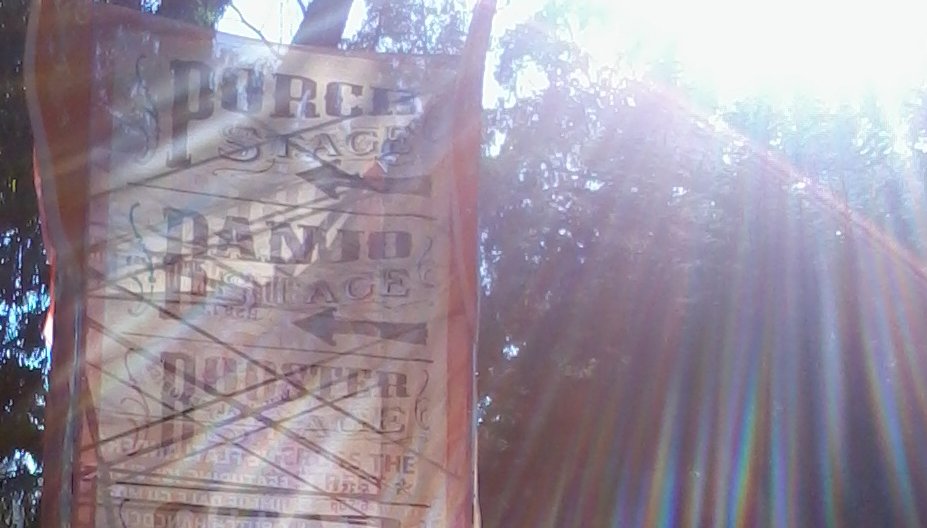
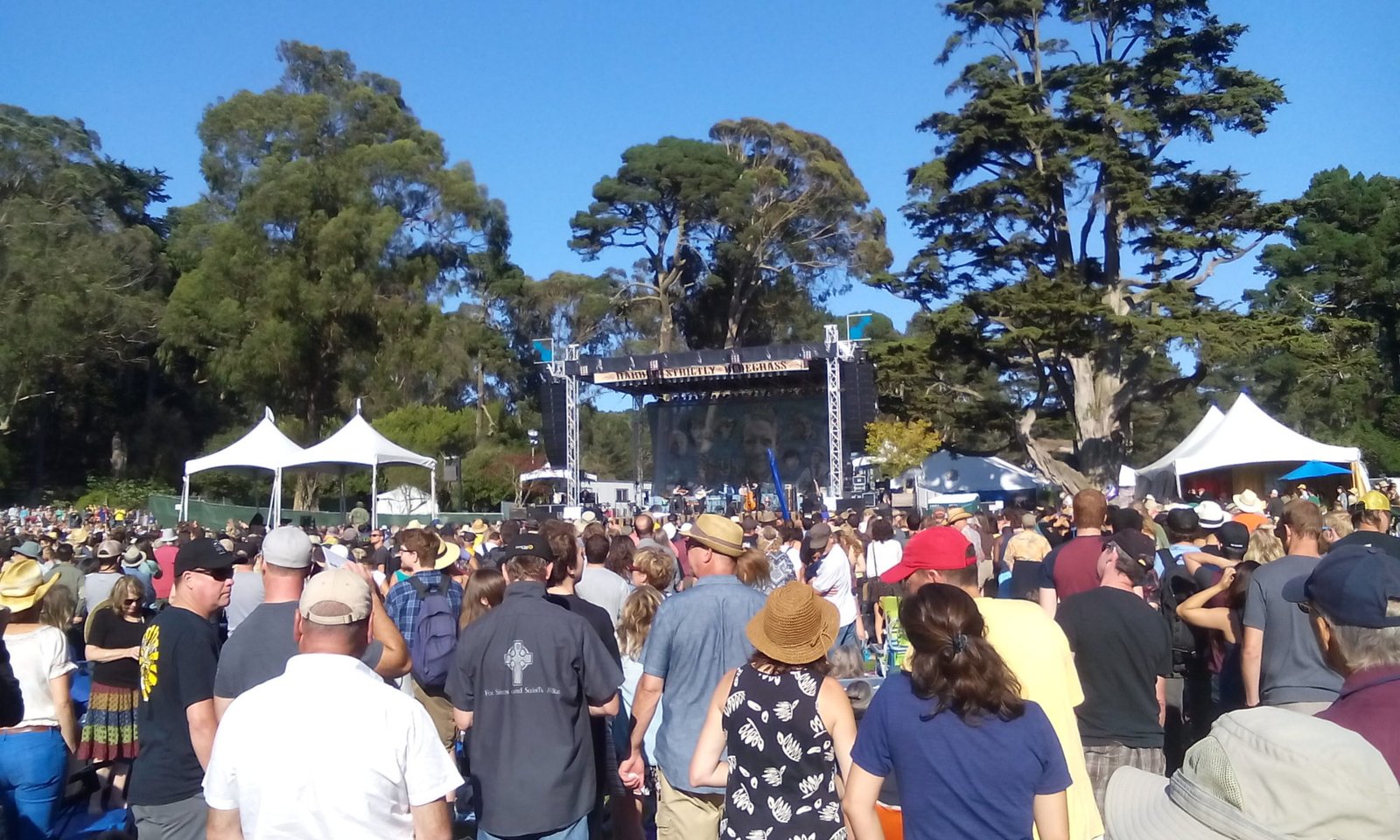
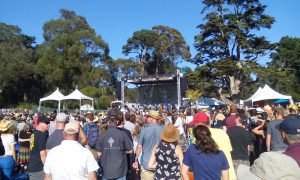
I am not qualified to write about this man. I heard Allen Toussaint play live just one time. It was at the San Francisco Hardly Strictly Bluegrass festival in about 2012. It was at the Star Stage and I was simply amazed that there were not more people in attendance. Allen Toussaint, on the stage, with a grand piano, for free!!! He was there with a quintet. I remembering seeing him back stage, impeccably dressed, smoking a cigarette, by himself. He seemed to be going over the lyrics in his head. His gaze was far off and he seemed to be talking to himself. He was about to go out and sing about twelve tunes in a row, probably a few he had not played in a while. His band seemed in a bit of disarray. But then they hit and all was good. I distinctly remembering him sing a beautiful rendition City of New Orleans by Steve Goodman. Like the absolute pro he was, he nailed every verse.

Night time on the City Of New Orleans
Changing cars in Memphis Tennessee
Halfway home – we’ll be there by morning
Through the Mississippi darkness, rolling down to the sea

>>>>>>>>>>>>>>>>>>>>>>>>>>>>>>

Rest in Peace Allen Toussaint.

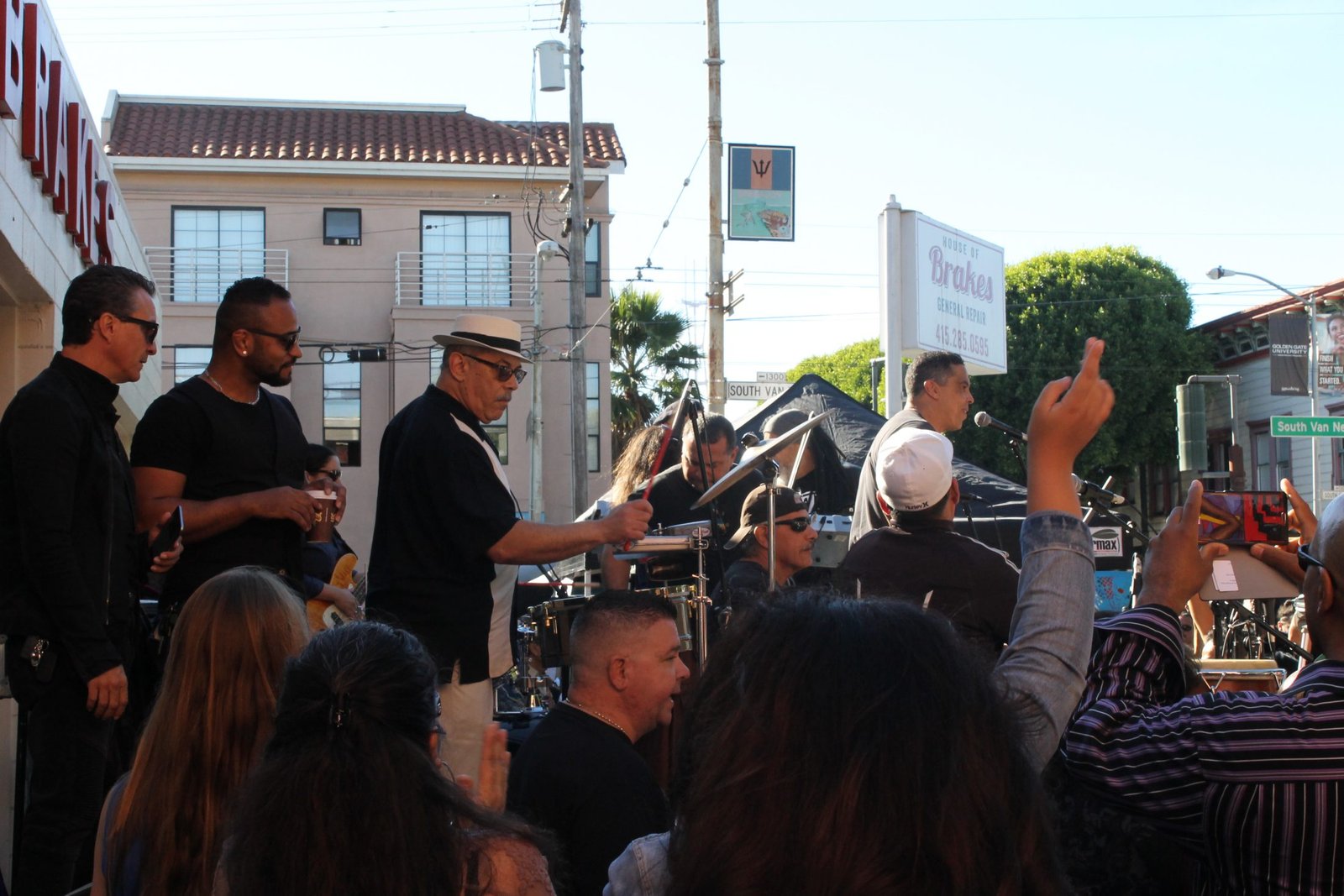
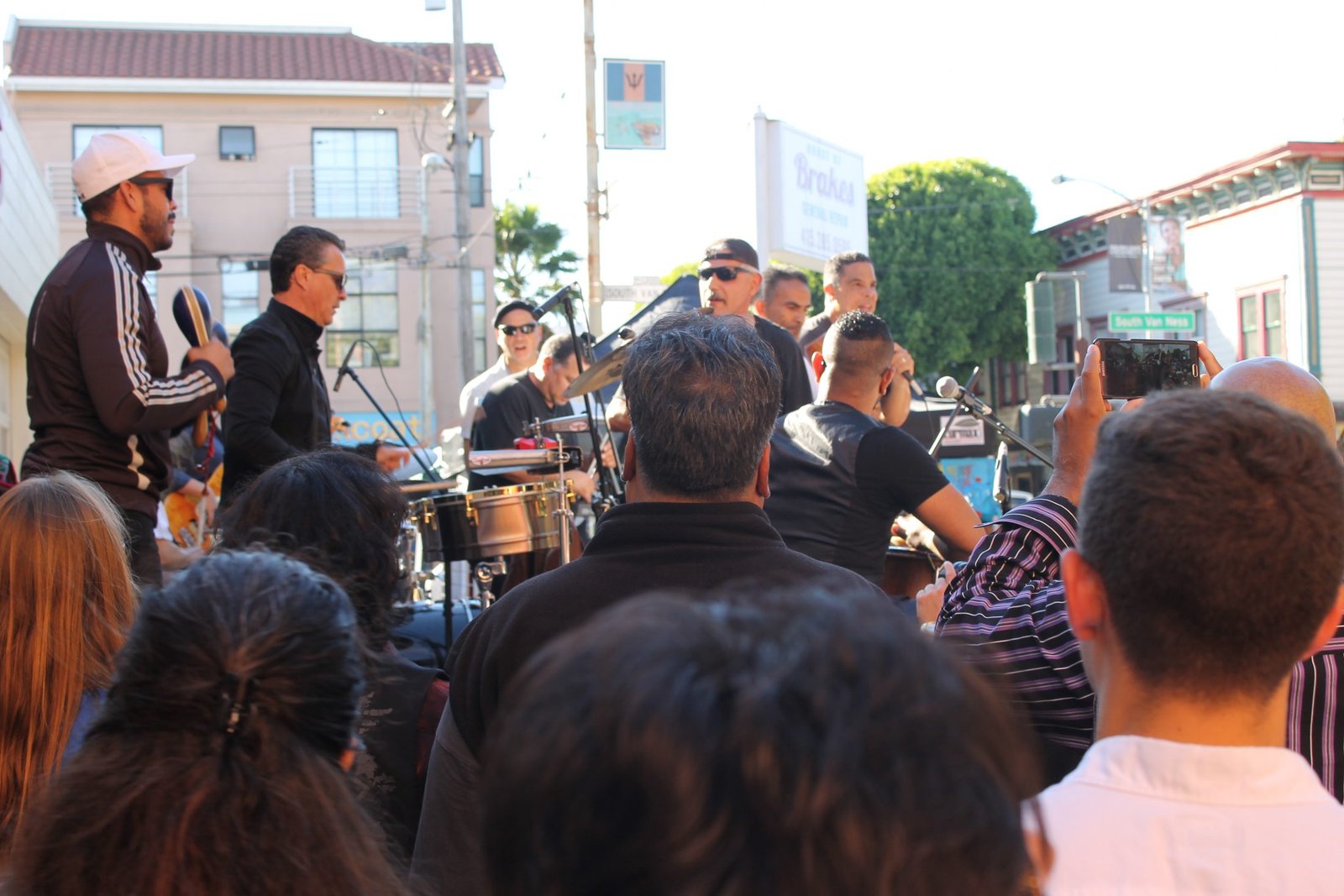
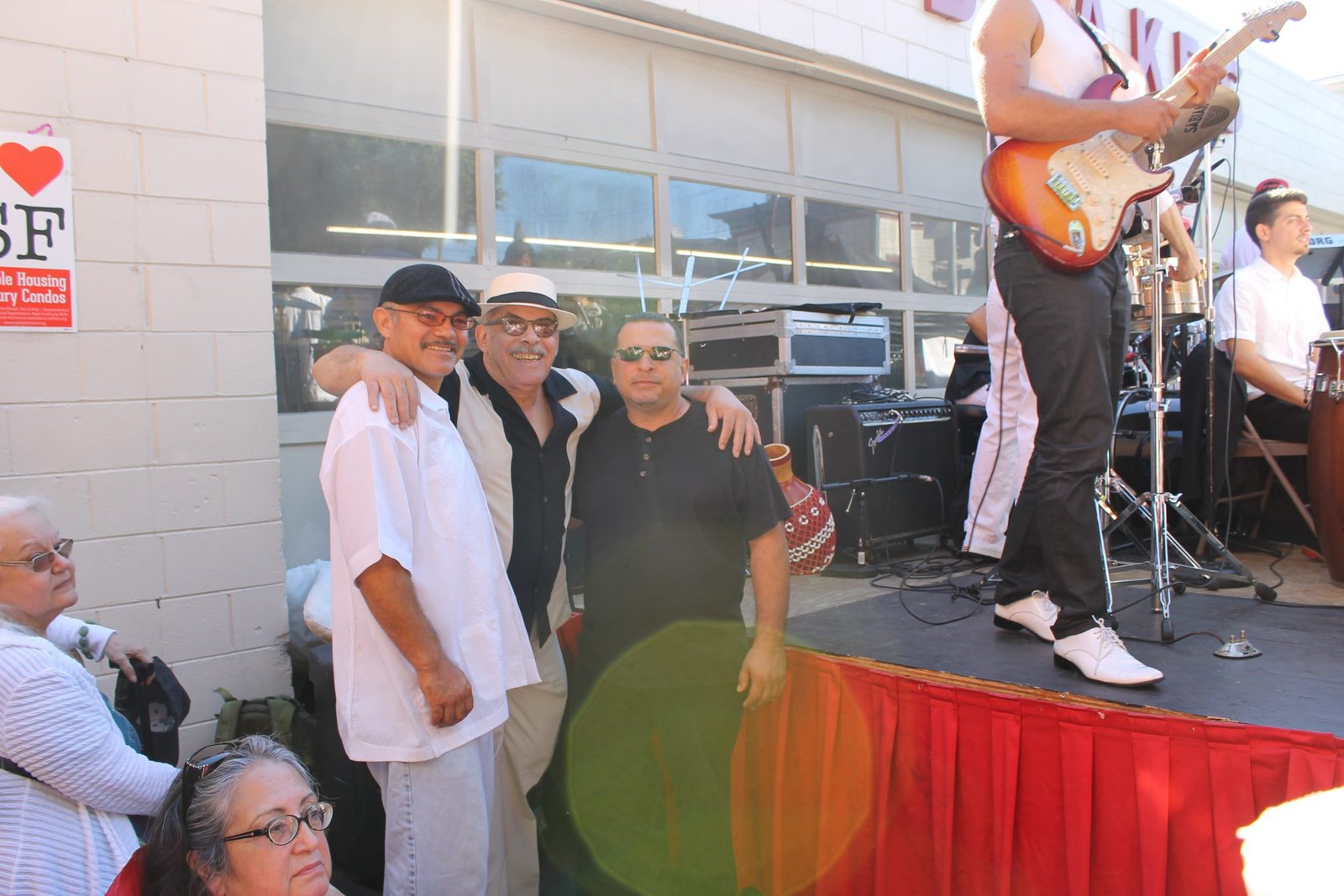
Chata Gutierrez Mural Celebration

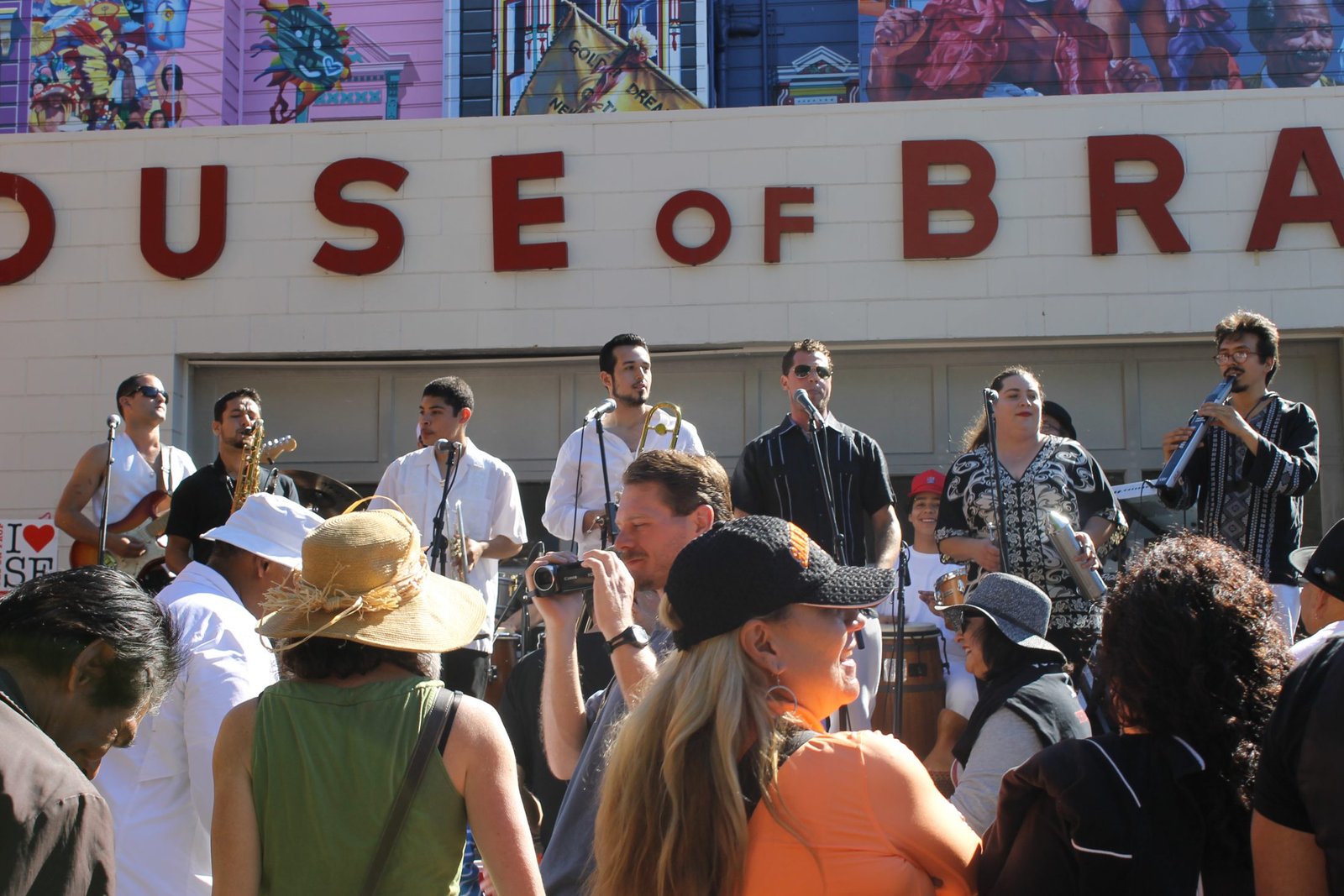
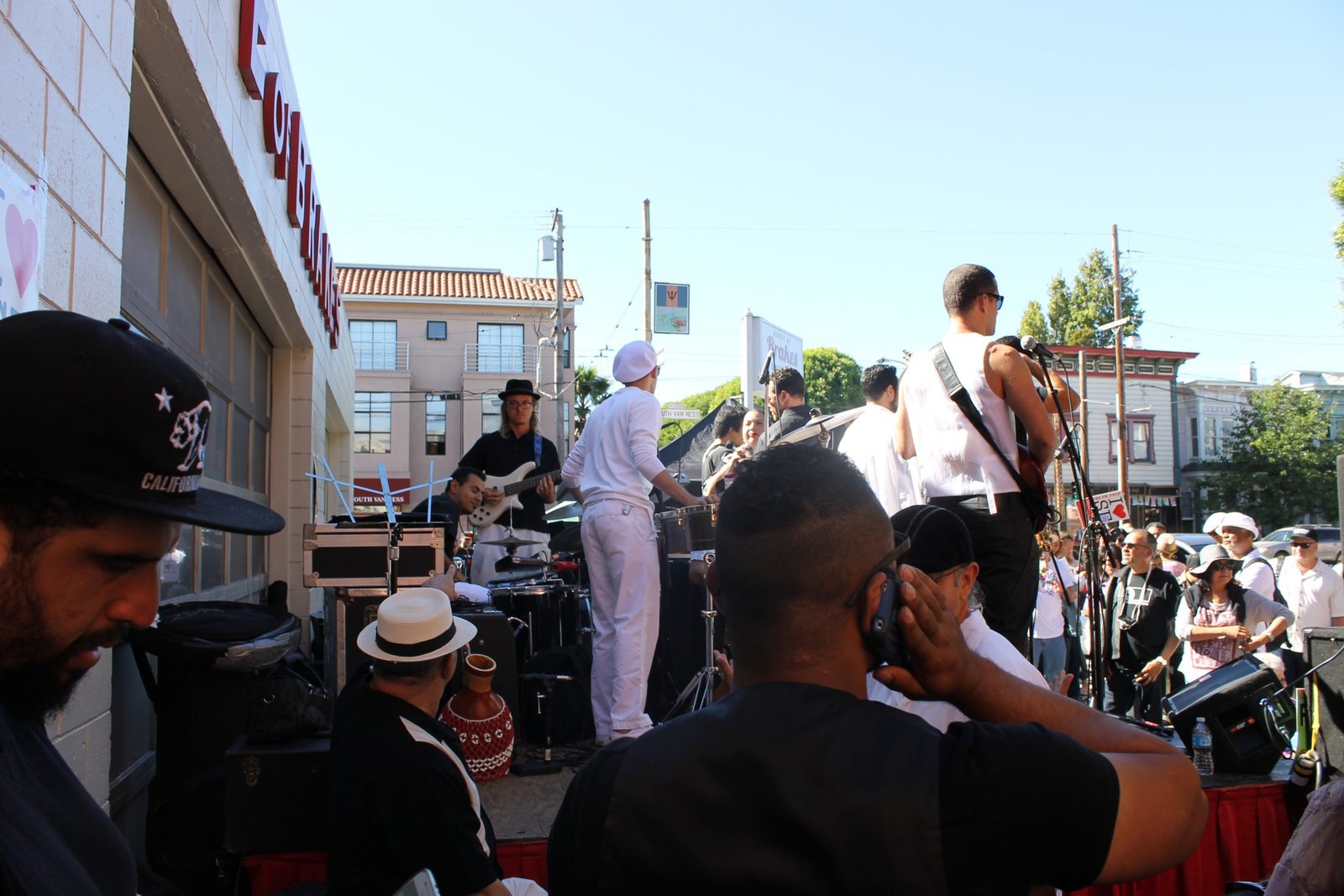
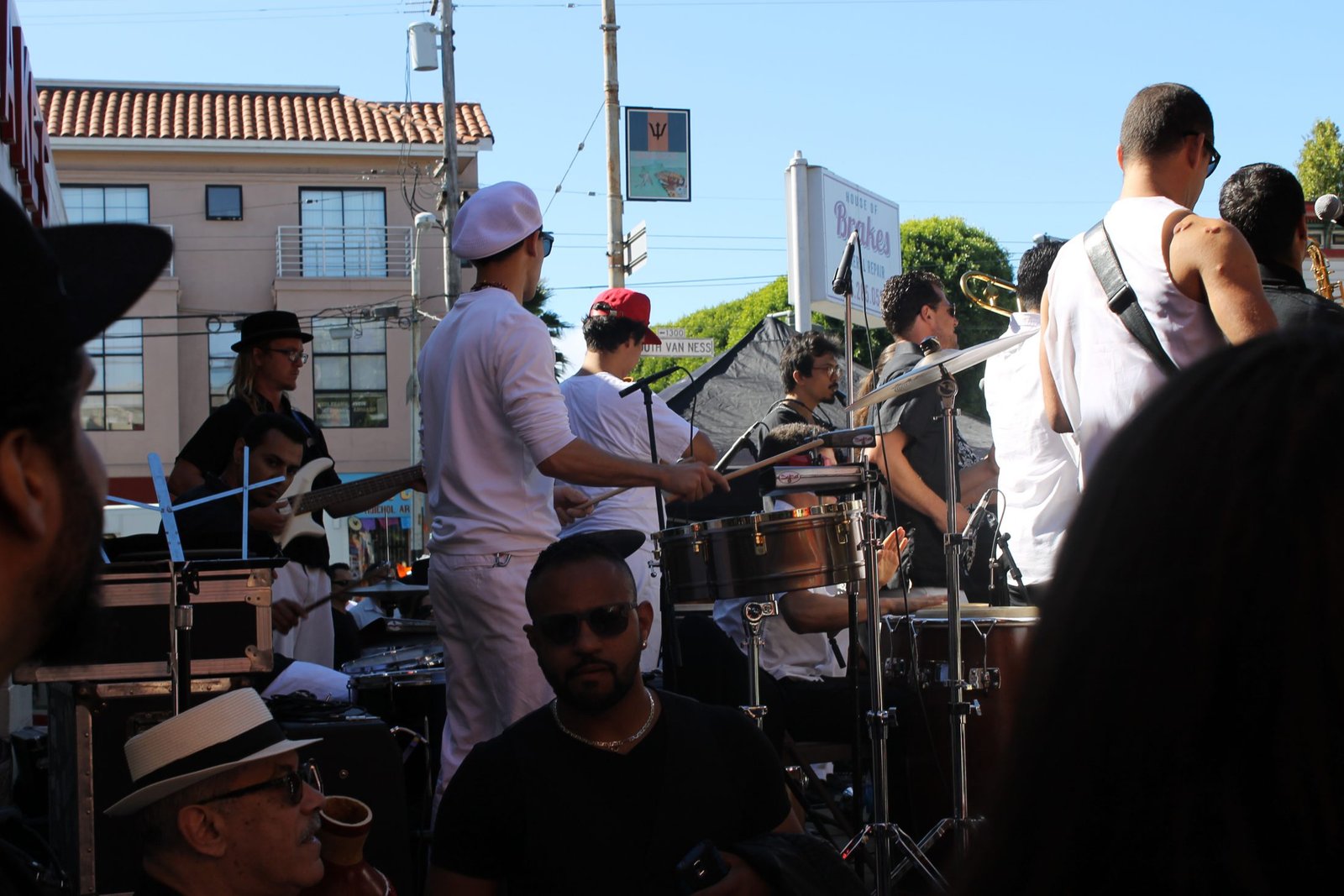
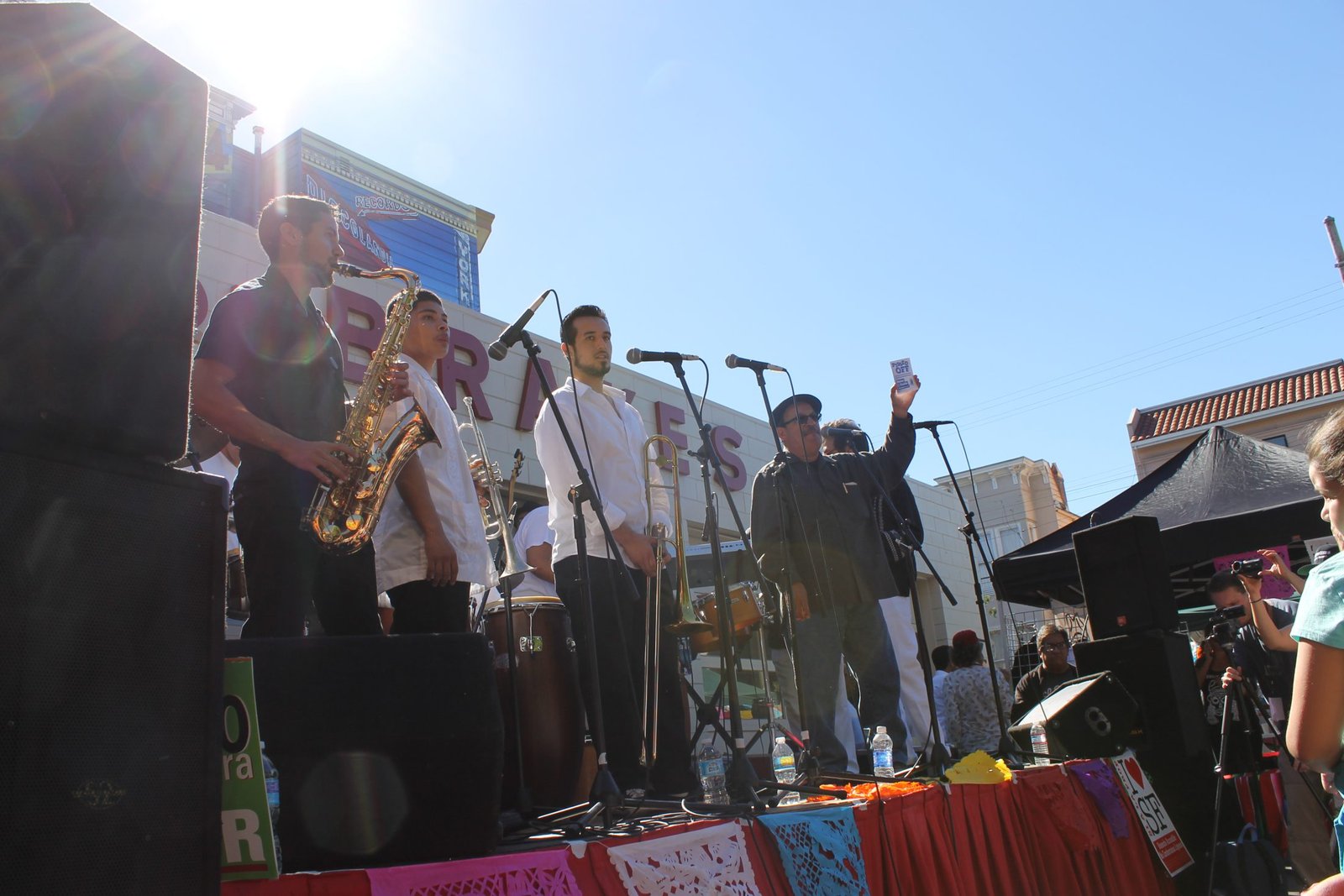
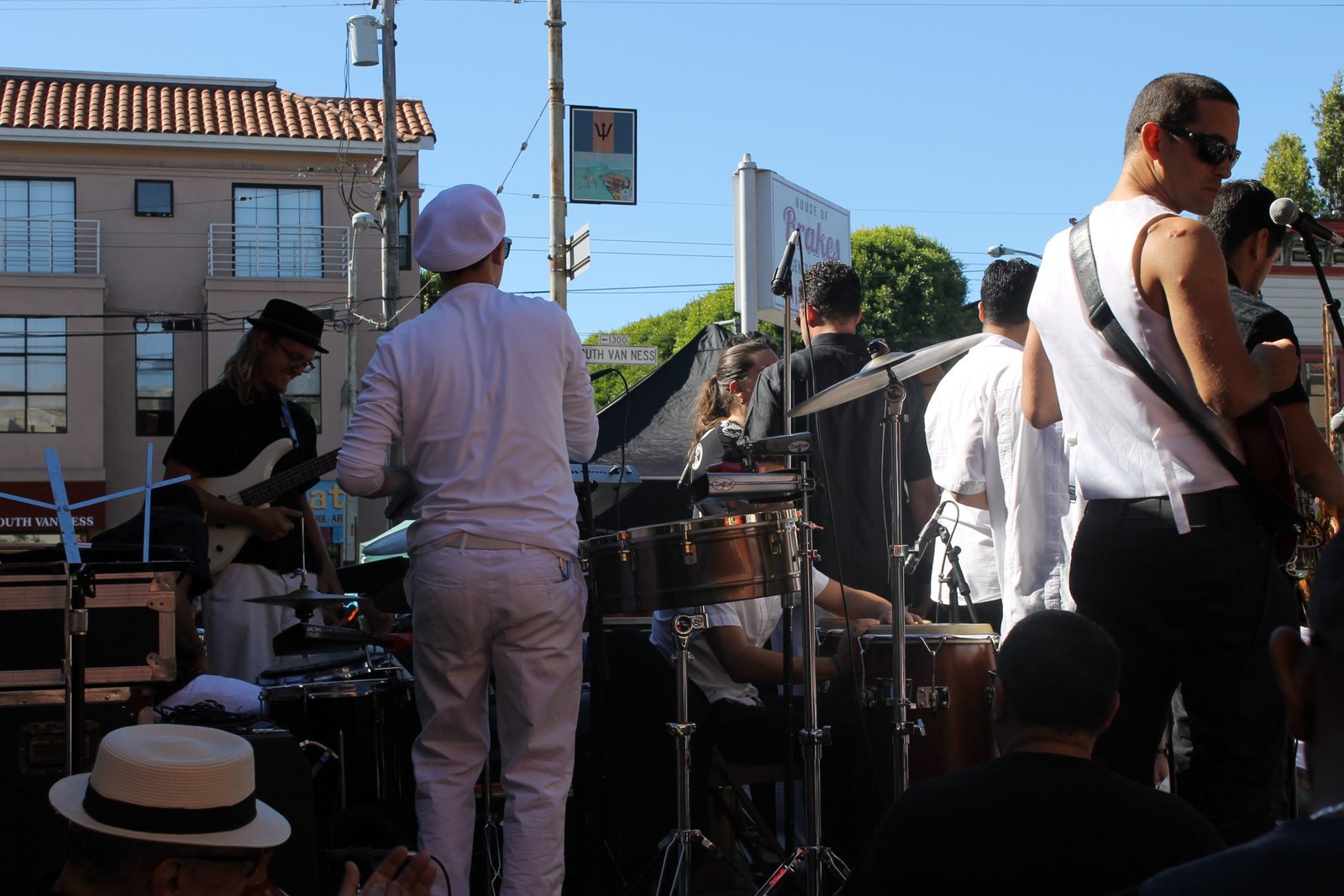
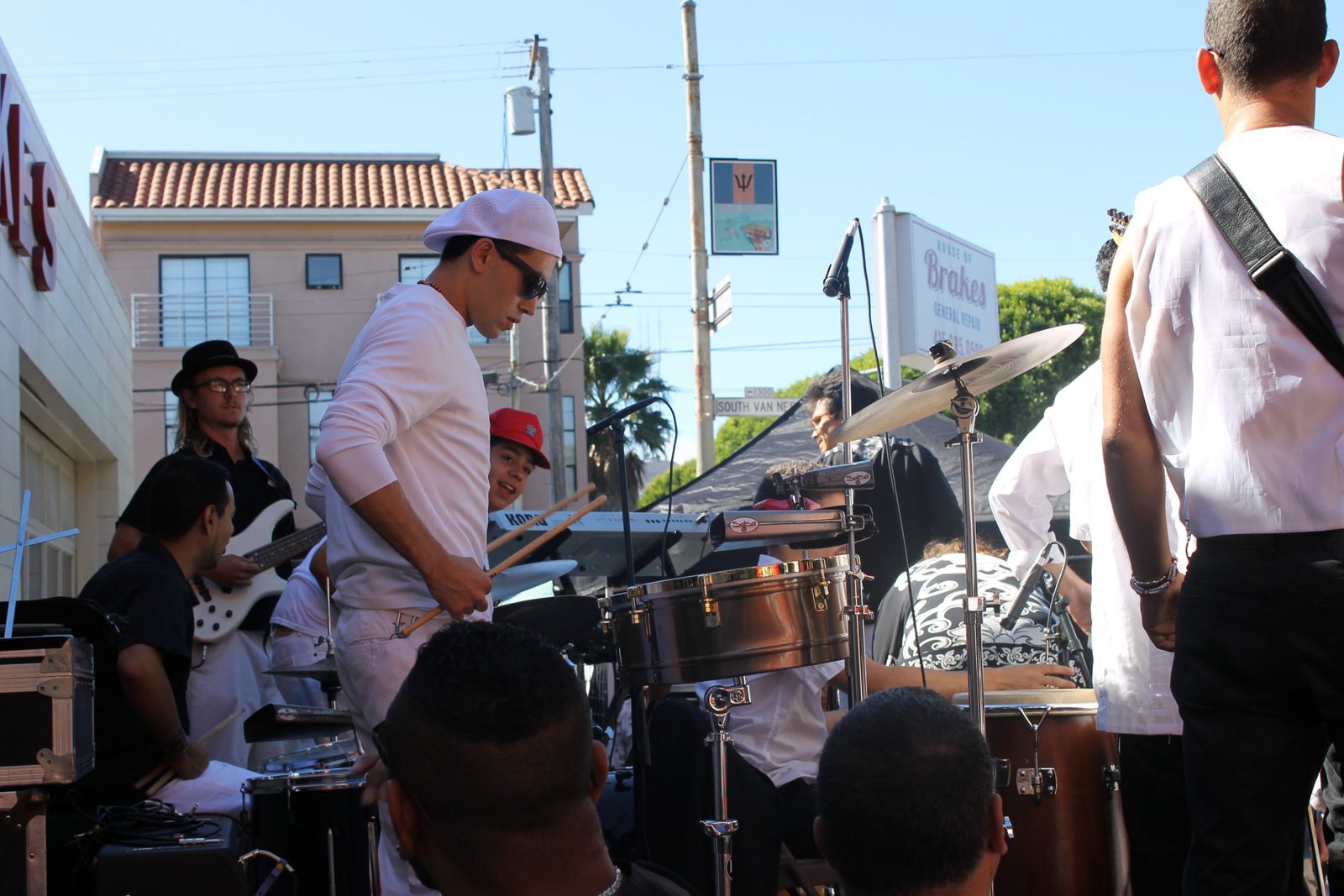
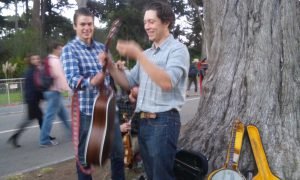
Photos of Soltron, Anthony Blea, Orlando Torriente, Louis Romero and Carl Perazo outside the House of Brakes.
South Van Ness and Mission. 10/10/2015

A minute of Sotron….

Had to be there.

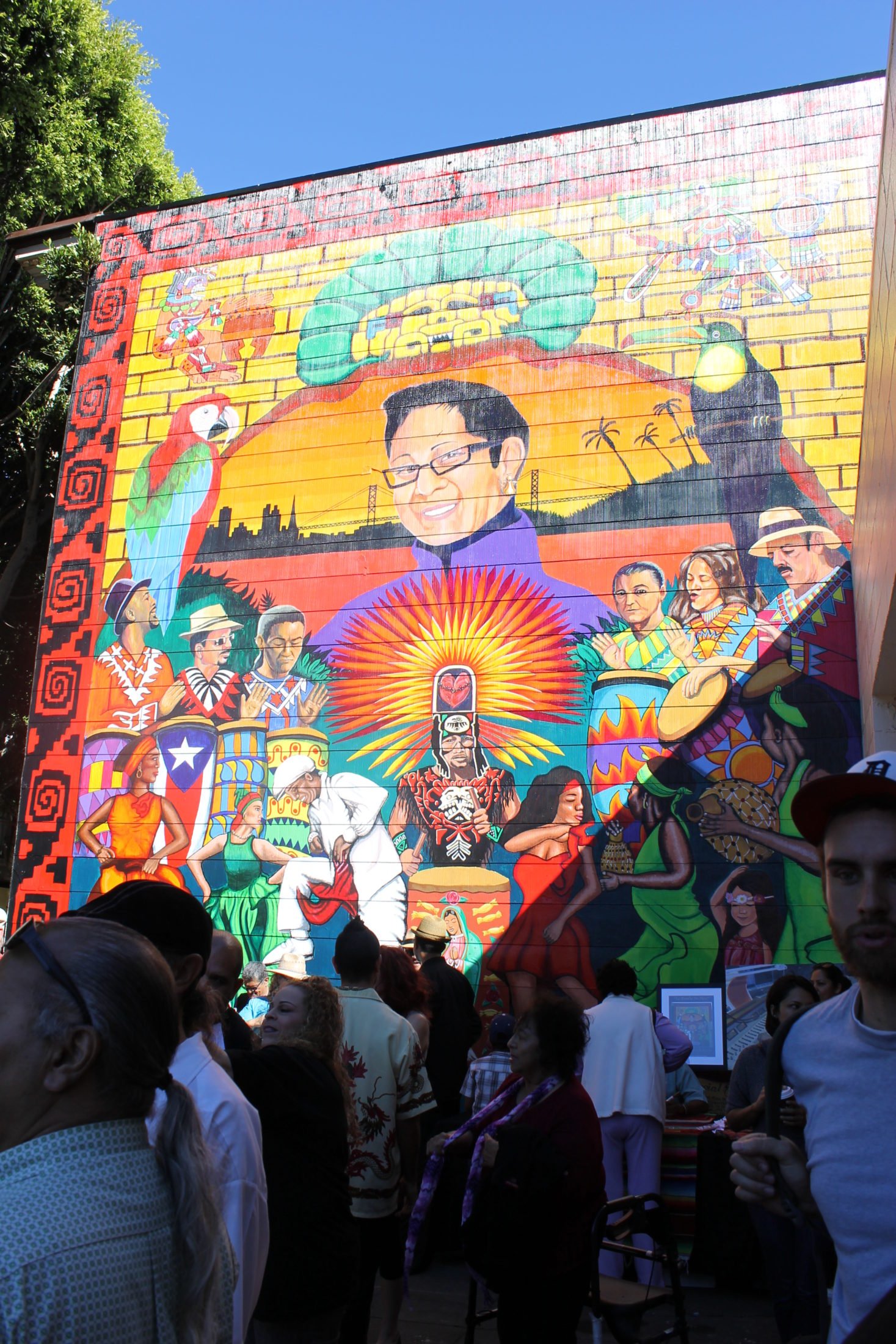
The legacy of the late Chata Gutierrez, radio personality and salsa DJ on KPOO and KPFA, remains in the forefront for Mission District locals. The Chata Mural Project aims to showcase Gutierrez’s cultivation of heritage through an honorary mural by Carlos Kookie Gonzalez — and the proposed location: The Mission.

SFWEEKLY

While the rest of the city was battling the fog, the Mission had a special day honoring the late Chata Gutierrez, a very influential person in the San Francisco music scene. Her shows on KPOO and KPFA informed the entire Bay Area about Caribbean, African and various American musics.

Many local groups played and the 48 MUNI bus keep passing by. Beautiful restored from the late 50s cars were parked out front of the House of Brakes while the music found its groove. The mural is beautiful.  It was the old neighborhood crowd and only they knew the significance. Louis Romero, John Calloway, Karl Perazzo, Anthony Blea on the same stage!! Soltron, full or original material and some solid songs are  building upon the tradition.


The 2015 Hardly Strictly Bluegrass Awards

Once again, it is an honor and privilege to present the Pelican Cafe 2015 Hardly Strictly Bluegrass Awards to some of the outstanding musicians and acts at the festival. This was probably the seventh Hardly Strictly Bluegrass Festival that I have attended. The Hardly Strictly Bluegrass Festival always takes place the first weekend of October in San Francisco’s Golden Gate Park. In 2015, the weather was superb, with clear skies both days. By the afternoon on both days a moderate to strong west wind started blowing.It was nice to see the trees swaying in the breeze but the sound traveled away with the breeze as well. I went for a few acts on Friday and for most of both Saturday and Sunday. So much music. So many stages. There are always trade-offs and you cannot be two places at once. I missed a few shows I had circled but caught some great acts unexpectedly. This year I mostly listened from the grassy field at the Arrow Stage. Not too crowded and close to the little Band Wagon Stage were some of the real troubadours sing their songs. After flying solo on Friday and Saturday and meeting some real characters, Sunday was a grand party with my honey and some good friends. While Joe Jackson, Boz Scaggs and the Indigo Girls were all just grand playing their hits, it was the lesser known groups that to me really shined.

BEST SONG WRITER IN THE SPIRIT OF WOODY GUTHRIE

Tim Barry

Tim sang “Prosser’s Gabriel” for his album 28th & Stonewall and it was sung with such passion and honesty it really made my day. A man who seems on the edge, his song writing is excellent. His message to the crowd was “do something that scares you.” His passion for the moment came through.

BEST TRUMPET SOLO

Mike Olmos

Mike is a local trumpet player from the Bay Area and grew up in the East Bay. In years past I heard him play with Boz Scaggs and Jimmie Vaughan. His solos with the New Master Sounds were awesome as usual. Unfortunately, when the leader Eddie Roberts introduced Mike Olmos, the crowd sort of looked out vacantly off to the distance. San Francisco. A city with little clue as to the amazing quality of some of the local talent.

BEST FIDDLE PLAYER WHO MAY HAVE DROPPED ACID FIVE MINUTES BEFORE THE DOWNBEAT

Nicky Sanders

Speaking of local talent, Nicky pretty much took over the last tune and man can he play! He is a showman in the tradition of Paganini and will quote some the great classical works in his solos, from symphonies to classical themes all in a very whimsical way. Originally from San Francisco he obviously had home field advantage and pulled out all the stops. Just simply off the charts.

BEST BAND OF REALLY TALENTED MUSICIANS

Punch Brothers

Some things in life are just not fair. I had head the Punch Brothers a little here a little there. I left work early on Friday and biked to the festival. Starting the weekend with the Punch Brothers was awesome and they play with such amazing virtuosity and musicianship it is just breathtaking. The only problem was that after the Punch Brothers the only direction left to go musically was down. While every musician in the group is simply amazing, the banjo player was the one who really impressed me.

WORST BAND OF THE FESTIVAL (OR “HOW DID THEY GET THIS GIG?”)

Michael Franti

I know a little of Michael Franti’s work from an early Spearhead album. It is an awesome album with some stellar Bay Area players adding to the over sound. Charlie Hunter. Some amazing singers. What happened? Franti’s work now is somewhere between a frozen yogurt commercial and a group therapy session at the YMCA. Audience participation is one thing but when that is the point of the show it all seems silly. At one point I began to think that it was to cover for the fact that Michael has a hard time finding the pitch. Someone get with that man and work with a strobe tuner!

BEST LOOKING SAX PLAYER WITH A COWBOY HAT ON

Jay Reynolds

Jay was probably the only sax player at the entire event and there is something just sort of strange about a sax player wearing a cowboy hat and cowboy boots. I had always wanted to hear Asleep at the Wheel. It is such a strange sound that must be extremely regional. Country Swing, which sounds like 40s big band music but everyone is wearing cowboy hats and instead of trumpets and a sax section the sax, fiddles and a guitar play these tight arrangements like they know them in their sleep.

Ray BensonRay Benson backstage after the show

The leader of the band, Ray Benson was amazing. So relaxed it made me think I was hearing a Bing Crosby 45 record at 33 rpm. Man can that guy sing contra-bass. There is no award here for the lowest note sung at the festival, but Ray would win it by about two whole octaves.

Musician getting the boot

REALLY STUPID RULE THAT WILL BE THE DOWNFALL OF THE FESTIVAL

NO BUSKING

At one of the first festivals I attended, I heard a band called Fruition. Youngsters from Portland who were busking off to the side, behind one of the structures. They were really good, so good and real you kind of wondered why they were not on one of the stages. Probably next year, or in a few years they would make the Porch Stage or maybe the Arrow Stage you thought and then and you could reminisce about when you saw them in 2004 back behind the maintenance shed.

This year when I was leaving the festival, walking down the street, I saw a very traditional sounding bluegrass band being shut down by security. The band was simply playing as people left. The irony was that at the time all the stages were playing rock and roll and these fine young gentlemen were playing the tunes Warren Hellman would have played. It just seemed ironic and strange to be kicking fiddles and banjos out of a bluegrass festival.

While the Hardly Strictly Bluegrass is world-class and amazingly free, you have to wonder why the kabash on people playing in the street. All great American music comes from the street. To not allow for this sort of expression seems strange, ignorant and antithetical to so much of the songs being sung inside the gates. Time for an area for the buskers. Time to water the seeds. I think a lot of people who go to the festival to hear bluegrass would be in agreement. After the Warren Hellman money runs out, that is what will be left.

Butterfly Jazz Trio – CD Second Year Anniversary

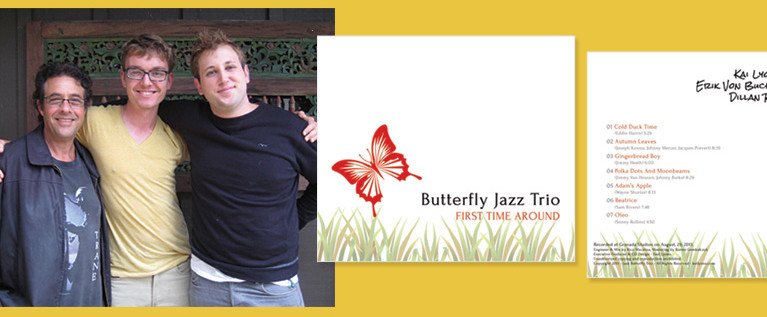
On August 29th 2013, I assembled a band in a studio in Half Moon Bay, on the Pacific Ocean and made a CD. This Saturday that band (the Butterfly Jazz Trio) is playing again at their steady gig at The Burritt Room by the Stockton Tunnel in San Francisco. Saturday, August 29th 2015 makes it two years.. Come on down and grab a CD (only a few left) and check it out!

The cast
Kai Lyons – Guitar
Erik Von Buchau – Drums
Dillan Riter – Bass

The spot
Burritt Room in the Mystic Hotel by Charlie Palmer
417 Stockton St, San Francisco, CA 94108
Phone:(415) 400-0561

Some samples

Overture
My son, Kai Lyons plays guitar and in 2013 I spent many Saturday nights hanging out down in this mysterious place called the Burritt Room in the Mystic Hotel down by the Stockton Tunnel a few blocks from Union Square. There is cheap parking in the garage across the street and it is a nice walk from the Powell Bart. There are so many options but I highly recommend the New Delhi Restaurant on Ellis. The Burritt Room is a restaurant-bar with fancy cocktails and special cuts of meat and fine dining. A crazy place, I would run into Willie Brown or see Tony Hall walk in the door. Often it would be a few German tourists with that sort of wide-eyed, I am a visitor here having walked up mountains on the wrong side of the planet look. Anyway, listening to the band, I got this notion that I should get these guys in the studio. They sounded great! The one day session down the coast was pretty cool.

A little background
Kai met Erik when he was a toddler. When we lived in Bernal Heights Erik lived about a block away and Kai went to daycare with Erik’s son Cole at Joni and Red’s house across the street. The joke is that it is quite possible that Erik changed Kai’s diapers at point. Dillan and Kai met while busking in the BART and at the Ferry Building. Dillan had played bass for just a few years, but his work ethic, listening ability and drive have always been constant. The band has gone through many changes depending on work schedules and which way the wind is blowing. The addition of Parker Grant, graduate of the University of Miami and East Bay native on piano has been awesome. Often Brandon Etsler plays drums but this Saturday the lineup will include Erik Von Buchau on drums so it is a two year anniversary event!

Come on down!
The CD was a limited run and there are just a few left but they will be available at the Burritt Room this Saturday night. I feel blessed just to hangout and hear these guys play.

More info
http://www.kailyons.com/buy-cd/

Who is the Real Bill Evans?

If your last name is Evans, I would never name your son Bill. The Bill Evans’ of the world are all just way too talented and original. Your son would have such large shoes to fill, he would never get out bed. Some day he would end up an insurance adjuster in some far off town like Des Moines. Of course, if you live in a city, and are over say 45, Bill Evans is the great jazz piano player who worked with Miles Davis and all the heavies in the 60s – yeah, that guy. But wait, I am mistaken, you probably meant Yusef Lateef, the fine sax and flute player would did many sessions and was born, strangely enough with the name Bill Evans, but changed his name to Yousef Lateef later in life. Probably a good move. But then again, perhaps when someone says Bill Evans you start thinking of the saxophonist by that name. Famous for a few years but I don’t hear much of that Bill Evans. But wait, I know the guy you are talking about! Bill Evans the banjo player form California and plays shows festivals and clinics. Yeah, that guy. He’s the bomb!

The 40th Annual Father’s Day Festival

“You can play like me – now go get your own style.”

Bill Monroe – as recalled by David Grissman on the Vern Stage at Mando Madness – Saturday, June 20, 2015

Bill-Monroe-3

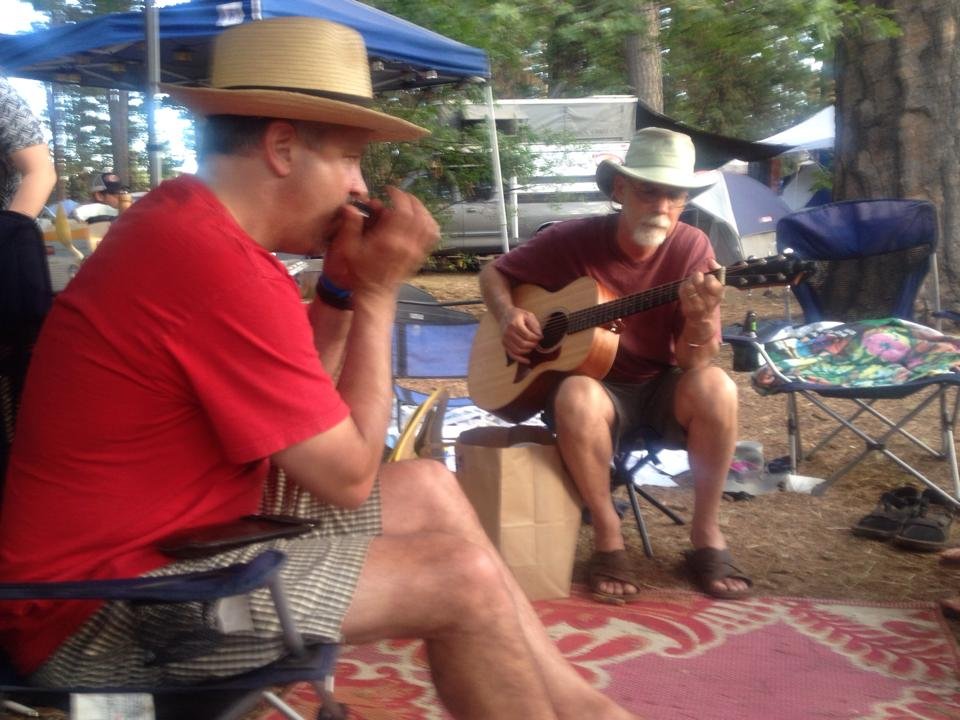
I have been to the California Bluegrass Association. Father’s Day Bluegrass festival about four times. My entire family, including cousins, aunts and uncles once removed attend and the festival is a combination of three stages but mostly jammin’ all night long until the sun comes up – literally 5:30 am. Often some really fine players do this all-night jamming, playing mostly classic bluegrass and old time songs in the classic way. People stroll from campsite to campsite in middle of the night and sit in with complete strangers – the music being the currency of friendship.

If you attempt to take a nap in the tent in the middle of the day, you will be listening to the fiddles and guitars and banjos and dobros. They crank out three chord songs one after another and often a completely different group one campsite down will start another tune a whole step away. Often the two bands will play in the same tempo, starting songs at slightly different times so you get an interesting polyphony going. A major over G major. The one chord of the first key bouncing off the four chord of the other. Chords changing in odd places. The tunes stopping and starting at unusual spots. It all sort of echos through the trees and if you are like me, forget about sleeping for more than about ten minutes at a time. You feel like you are on a carnival ride and even the bluejays head out of the neighborhood for more tranquil climes. Ear plugs are no match for a 5 string banjo.

When I arrived on Saturday at about 10 am with my niece Laura, the sun was shining, it was nice and warm and people were stirring. Some had jammed until 5 am the night before. Others looked like they had not slept a wink. My strategy this year was to set up the tents as far away from the “jam zone” as possible. This worked great as my one night stay was very restful in a secret, undisclosed location up a hill, under some pine trees by some sleepy RVs. Just far enough away from any of the pestering banjos.

I only saw a few shows this year. David Grisman Bluegrass Experience with his son Sam Grisman on stellar bass was great but my affinity with David Grisman comes from a discovery of his Dawg music – a jazzy, sort of gypsy form of music he pioneered in the late 70s. I remember having Hot Dawg on vinyl and cassette and listened to it for about two months straight. Tony Rice and Darol Anger complete an interesting group. However, The David Grisman Bluegrass Experience plays a more traditional style and material – Scruggs and Doc Watson tunes.

I heard The Kentucky Colonels Reunion who played pretty well for some really old guys. They seemed like a pick up band of good ‘ole buddies. From some reason those were the two main acts I heard as I realized that the banjo player one camp over could have played the main stage. In fact the entire group one camp over could have formed a band and played the main stage in about five minutes flat. So a lot of the music I heard and played was in the camp.

Sunday was spent with more jamming, Father’s Day breakfast, a Lucia Birthday cake and then a few hours on the Yuba River where the water level was about normal. We baked ourselves on the granite boulders and the Sierra water washed away the worries of the city. The California Bluegrass Association Father’s Day Bluegrass festival. The tradition lives on.

On the SOTA Arts Proposition in San Francisco – Rethinking Arts Equity

This essay is a comment on the the recent proposal, In Support of Access, Equity and Diversity in the Arts at Ruth Asawa School of the Arts and Throughout SFUSD” by Commissioner Rachel Norton and Commissioner Matt Haney, by the SFUSD that was passed unanimously. I find it unfortunate that it passed unanimously as disagreeing about things is what makes the end product a lot better. But the title of the proposition is one of those political maneuvers that happens so often these days. Name it something that everyone can rally around but have the actual action items be a bit weak and not get to the root of problems. Of course everyone is for “Access, Equity and Diversity in the Arts.” If you are not, it is political suicide. Just think of Clear Skies Act of 2003 by George Bush which really did not have a lot to do with air pollution. I have great respect for Congresswoman Barbara Lee who does not just flow with the pack.

If you want to read the actual proposal, you can download it here: In Support of Access, Equity and Diversity in the Arts at Ruth Asawa School of the Arts and Throughout SFUSD” Commissioner Rachel Norton and Commissioner Matt Haney

Photo0327

Introduction
Passed by unanimous vote, the “In Support of Access, Equity and Diversity in the Arts at Ruth Asawa School of the Arts and Throughout SFUSD” is an interesting attempt to remedy San Francisco’s school system engrained problem of an uneven school quality through out the district. In particular it singles out the arts and SOTA, but this problem goes way beyond the access to arts education. The problem has to do with the actual enrollment process in SFUSD.

In the 1970s there must have been school busing in San Francisco; sending poor kids across town to the nice school further west and vice-verse. Now in SFUSD there is a “choice” system, which means any student can apply to any school within the District. This I remember being called OER ( Open Enrollment Registration). http://portal.sfusd.edu/apps/departments/educational_placement/HistoryStudentAssignment.pdf

This gives students and parents the ability to choose what school a child will attend. Sounds great!… right? Now I can send my kid to one of those nice schools in a neighborhood with all those fancy houses. Every parent in San Francisco has gone through this process and for people outside of San Francisco, it is often a stressful thing and results in intense discussions between parents taking care of kids at playgrounds and social gatherings. But why do we even do this sort of enrollment process with school choice in the first place? By the very concept, it is saying that one school is better than the other. What often happens is parents who spend a lot of energy advocating for their children get into the better schools. If you want to get rid of inequities in SFUSD, get rid of school choice. Be diligent in making sure there is equity in all the schools from kindergarten onward.

Why this is important for not only equity but the environment and traffic. Have you ever noticed how light the traffic is in town on certain weekdays? This is because when public school is on a holiday there are literally thousands of less cars of parents driving there kids off to school across town. Young kids is San Francisco rarely go to their neighborhood school. This means they are strapped into the back seat with their breakfast cereal and carted off across town to Clarendon or Miraloma or one of the “good” schools. Does that sound like equity? To me, that sounds like we have a class of the privileged and one that gets the dregs. This all becomes compounded. These “good” schools then have PTA’s that raise a lot of money that is for extra programs for their school – things like art and music and field trips and gardening projects. The less desirable schools will valiantly try to raise funds but not to the point of actually creating “artist in residency” programs.

Why does inequity continue? Often, the elementary school years in a family’s life are incredibly formative. Families, kids and parents make very strong bonds during this time. Families at this time are incredibly busy simply living life. But for the society as a whole this process of school choice actually engrains and deepens the education inequities. If you want to address inequities in the SFUSD, start at the source – get rid of school choice and bring quality education to all schools. Lift up the the schools in the east part of town with more resources and the best teachers.

How School Choice Does not Address the issue of Inequity
Just look at these images of the school ranking by greatschools.org and you can see that there is an institutionalized racism in the quality of schools by neighborhood.

TOP
sfusd-top

MIDDLE
sfusd-middle

BOTTOM
sfusd-bottom

So if you live in Hunters Point, the Bay View or even the now trendy Mission and want to go to one of the “good” schools, head West young man and just hope that you have a parent who has been advocating for you and a car to schlep you across town. Otherwise, if you live in the barrio, you will be sent to your local school that scores a 1 or 2 and you can forget about those free piano lessons and cool art classes. By making the schools in the east part of town better, you will lift up the entire neighborhood.

Two things in the Resolution that Are Good
There are two things about the resolution that are good. One of the main aspects of the resolution is to create a summer program for students from less advantaged neighborhoods, so that they can get more arts “training.” I am not sure why you need a proposition to make this happen but so be it. This is a great idea and it has always amazed me that this approach has been lacking. If you want to increase the overall citizenship and keep people from going to jail, the arts does truly change lives and engage people in creative ventures and create more well-rounded people. But this should not be in anyway dependent on SOTA. It is just a good idea.

The other aspect that I like is the idea of increasing transparency in the audition process. There are many departments at SOTA and the process of auditioning is often convoluted. Sometimes very talented kids are asked to re-auditon not because they are good enough but simply to challenge their commitment and desire to be at the school. This seems disingenuous and childish. Often times extremely talent and motivated kids do not get into SOTA because of a difference of genre. If SOTA mission is to be a conservatory of European art, that is a problem. We now live in the New World in America, so lets be a bit more embracing of our own cultures. Let’s have some self respect.

Race and SOTA
I have had two children attend SOTA during various times in their high school journeys. While SOTA is 37% Caucasian in both departments that my kids participated in, it was obvious that the directors looked at each applicant with an understanding that all kids do not have the same advantages. There were students who where “people of color” accepted into the theater and guitar programs that had no prior experience but are simply very talented and had the desire and drive. The directors and people auditioning could see this and they got in.

Now look at the racial mix of another prestigious high school, Lowell, where the majority of students are Asian. Is that something to be upset about? Having public high schools that accept students based on merit is a slippery slope that will always lead to controversy.

But Why is There An Arts School Anyway?
The concept of an arts school as a pre-professional training is actually not such a great idea. Most high schools use to have pre-professional technical training in other subjects – classes in woodworking, auto mechanics and sewing but those have pretty much disappeared. The concept that there is one school that focuses on pre-professional training in the arts seems odd. Why isn’t there a school that has pre-professional training in say other blue collar trades?

But the problem with having an arts high school in San Francisco is that it makes it so all the other high schools have truly dismal performing arts programs. Anyone who is good at say the violin or singing or dance will end up at SOTA. Because of this talent drain, all the other high schools then end up having performing arts groups that are actually much worse than some of the middle schools. This is truly embarrassing and I have the utmost respect for music teachers in these disadvantaged schools. It is tragic. Balboa High School has produced some great musicians – Wayne Wallace, John Calloway and Gary Flores to name a few I know and now the band program is almost non-existent. It has no momentum.

In high school, the goal of arts education should not be to produce the next Broadway star or the next Picasso. The goal of arts education in high school should be so that all students have access to the arts so that they may live an enriched life with a broad appreciation and understanding of the arts. Playing musical instruments. Throwing pots. Learning about painting all contribute to a more intelligent, well-rounded citizen. If they end up pursuing the arts as a career, they can go down that treacherous road after they graduate.

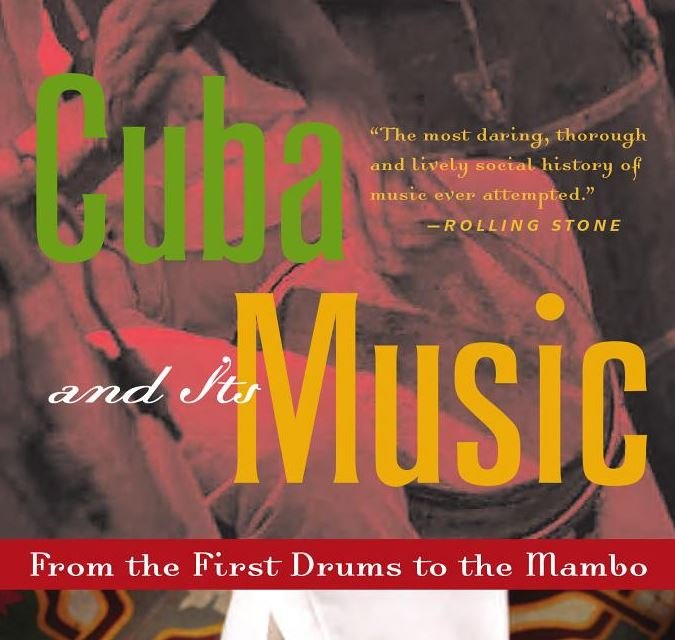
Cuba and its Music – Thoughts on Ned Sublette’s Amazing Book about American Music

“So imagine the Zarabanda, the Congo god of iron – the cutting edge, if you will – traveled on a slave ship with his magic, his mambo, and his machete as soon as the New World was open for business. Then he went back through Havana, across the ocean again, where he got all of Spain dancing, then covertly crept upward through Europe – through the servant’s entrance, of course – and became part of what we now call classical music. In the process, his name was frenchified, he lost his drum and his voice, and his tempo slowed way down. All that remained was the distillation of his dance onto the lute and the guitar, with only the barest trace of the original flavor remaining. Today we call that process going mainstream.”

Ned Sublette Cuba and its Music – From the First Drums to the Mambo (2004)

In December, my brother-in-law, Ted “Banjo” Kuster gave me Cuba and Its Music: From the First Drums to the Mambo by Ned Sublette. It is five hundred and eighty pages long and I thought that it would take me until the following December to finish the book, but it was a page turner, at least for any musician who plays American music. In 1998 I wrote a book called Arranging for Salsa Bands – The Doctor Big Ears Essay were I stated – “Let us look deeply into music and explain why things are the way they are.” Ned Sublette goes very deep.

There are many fascinating ideas in the book. One of the main ideas is that African music has had a much larger effect on Western classical music than we realize as the quote above illustrates. The Zarabanda is the grandmother as the Sarabande which composers like J.S. Bach used in pieces like his Bach Cello Suites. And as has been duly noted in many books, the influence of Cuban music on North American music is often ignored and unacknowledged.

The Elephant in the Room – Ned Sublette on the Spectrum of American Music

“If you ever heard an America sax player fail to lock in while jamming with a salsa band, or heard a Cuban band take on a bluesy jazz tune that doesn’t feel right, you know for all that Afro Cuban and African American music might have in common, they’re also very different than each other.

Why? Because essential elements of these two musics came from different parts of Africa, entering the New World by different routes, at different times, into different structured societies.

Ned Sublette Cuba and its Music – From the First Drums to the Mambo (2004)

Here Sublette points out how the differences between the Muslim influenced sub-Saharan Africa as opposed to the forests of the Congo. It is the thesis of the book and he convincingly states the case. This concept alone is worth the price of the book.

Ninth Voluntary Infantry Immune Band from New Orleans

During the time of the Spanish-American war, 1898, the US Army sent a band from New Orleans to Cuba. At the time they thought that black people were immune to yellow fever. Unfortunately they were not. Just imagine the mind set of the military. “Let’s get those jammin’ horn players from New Orleans and send them into war in Cuba. They will do anything!” Anyway, the Ninth Voluntary Infantry Immune Band from New Orleans went down to Cuba for about a year.

“There is no documentation of the Immune Band having performed in Cuba, and it is impossible to say whether their stay in Cuba affected the course of New Orleans music or not. But if a band of the best horn players could stay in Cuba for nine months without absorbing something, at a time when the oquestas typicas were all the rage in Cuba, they would be unlike any musicians this writer has ever known.

Ned Sublette Cuba and its Music – From the First Drums to the Mambo (2004)

As in many places in the book, the scenes seem almost like historical fiction. It would have been fun to hear this band and if they make a movie, just think of coveted gig of being the costume designer for this epic Hollywood blockbuster! Sublette, of course, points out that Havana and New Orleans were were like cousins both being important and vibrant port towns. Wild and crazy places. The Immune Band was just one of many cultural exchanges.


Puerto Rican’s in New York – The Jones Act

The 1917 Jones Act gave Puerto Ricans U.S citizenship. This enable Uncle Sam to fortify the army for the nastiness of World War I. But the Jones Act would also change the cultural and musical landscape in New York in very interesting ways. Most folks just think of West Side Story but of course much more was going on in the art and music worlds.

Any history of jazz that doesn’t mention Puerto Ricans, is leaving something out.

Ned Sublette Cuba and its Music – From the First Drums to the Mambo (2004)

Modernism

Then Sublette presents this heavy concept about modernism that probably makes many academics roll their eyes, but which is an interesting perspective. They did not teach this point of view, in terms of African influence of European music when I was in school, that is certain. Part of the concept has to do with the looting and display of African art around 1900, and that this art was being influential to the abstract artists in Europe such as Picasso and his “Africa period,” but it also has to do with the empowerment of black artists no longer in Africa.

It would later become academic common practice to speak of modernism as being a move toward abstraction and stylization and away from representation and realism, it could perhaps be better explained as the consequence of the liberation of black creativity – which to many white people was an abstract concept.

Ned Sublette Cuba and its Music – From the First Drums to the Mambo (2004)


Conclusion

These are all the quotes I will pull from Ned Sublette Cuba and its Music – From the First Drums to the Mambo (2004). There are many more but at this point you’ll just have to buy the book. The book finishes with a few sections about the Mambo and explores briefly the beginning of television, Desi Arnaz and Perez Prado. It is curious to think that Prado and his dissonant, in your face music, was banned from writing in Cuba and had to go off to Mexico where he eventually became an international sensation. There is mention of many Mexican movies that feature his music that I am really interested in checking out. Prado’s music introduced an adventurous dissonance, resolutions to a dominant 7 #11 b9 chord for example, that now we associate with Mambo, but it was very disturbing for many. I have a feeling that this adventurousness then helped propel some of the more interesting work of later “salsa” artists, like Eddie and Charlie Palmeri, Willie Rosario, Ray Barreto and many of the Fania record label.

This era, from about 1970 to 1990, when the urban music of the Harlem Renaissance known as “be-bop,” a music that signaled the end of jazz as dance music, a harmonically and rhythmically rich music that was pushing the status quo, completely fused with the Cuban son and other rhythms in such a way that made both musics even more vital – and people danced. That is not in the book but is my thesis, and I am standing by it!


If you are interested in actually writing for Latin music groups and want to explore more some of the basics of clave, orchestration and arranging, I would seriously recommend the book below. I reread it last week, and I still think it fills a void in the published material in this field. Below is a link to the first chapter which is pretty silly but actually very important. A lot of people from France seem to be buying it.

THE ART OF CUING A SALSA BAND – THE SPONTANEOUS ARRANGER

salsa-bands-book

Feel free to comment on any of the quotes above with the discussion below.

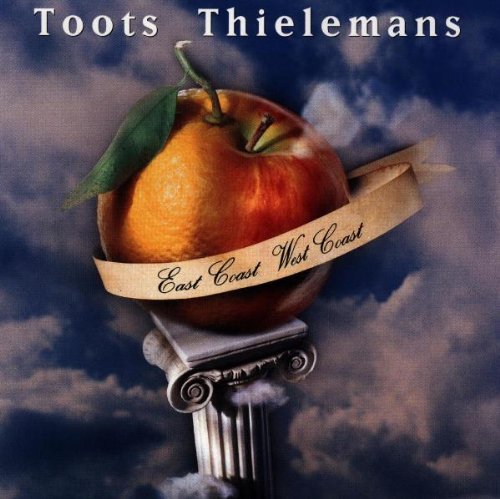
Toots Thieleman’s Solo on Con Alma East Coast West Coast 1994

This last month I have been a bit obsessed with Con Alma by Dizzy Gillespie. It took me a few days to really start to understand the changes. I found that playing the chords slowly on piano in the lowest register possible and really getting the counterpoint and voice-leading in my head, helped a lot. Then of course, being the compulsive, analytical creature that I am, I transcribed Toots Thieleman’s solo from his album East Coast West Coast (1994). This is another get Toots album with a stellar group of players from John Scofield to Mike Mainieri to Charlie Haden on bass, Peter Erskine on drums, Terrance Blanchard. I mean… how can you possibly go wrong with this album. 5 stars on Amazon.

Toots’ ability to milk the meaning out of ballads will always amaze me. Like some of his other work, he will bring an arrangers perspective to the tune. Con Alma starts as a ballad in 4/4 time. Two measures before the solos begin, the tune turns into a 6/8 waltz. When the tune ends we are back into a very rubato ballad. Brilliant!

Here is the Toots solo.

toots-con-alma-page1

Toots-Thielemans Solo on Con-Alma (pdf)

“Smoke” (1995) by Wayne Wang – Auggie Wren and his Philosophy of Time

It is not an objective task or even fair to review your favorite movie. “Smoke” (1995) by Wayne Wang and written by Paul Auster is a gem. It is a theatrical movie and could have been performed on stage across the land except for the fact that throughout the movie people smoke. They smoke cigarettes. They smoke cigars. They smoke more cigarettes. They smoke all the time. This is how people used to live. How do I know? I was there. There is no way local health ordinances would have allowed the play Smoke in a high school. But it matters not. Art for art sake. “Smoke is a great movie.

What is refreshing about the movie “Smoke” is that it takes place during that magical time period before the internet. The Twin Towers are seen in the skyline. People smoke in bars and restaurants. People watch baseball games on old analog televisions with antennas and sometimes even in black and white. People hang out. People interact with their neighbors. The late 1980s was the end of the old times. Before the internet. Before cellphones when life was great. “Smoke” is a very well told story, an excellent screenplay, great and interesting acting even by the incidental parts.  And by the time you get to the end, the movie it is but a wise and paradoxical Christmas story about kindness, truth and the power of stories and illusion.

The movie follows the lives of over a half dozen people and the main gathering place throughout the movie is a smoke shop in Brooklyn.  You are immersed into the working lives of ordinary people save for the main character, the somewhat famous author Paul Benjamin (William Hurt). He has a special relationship with the smoke shop owner Auggie Wren (Harvey Keitel).

The quote below really summarizes the humanity of the film.

Auggie Wren: You will never get it if you don’t slow down my friend.
Paul Benjamin: What do you mean?
Auggie Wren: You are going so fast you are hardly looking at the pictures.
Paul Benjamin: They are all the same.
Auggie Wren: They’re all the same, but each one is different than every other one. You got your bright mornings, your dark mornings. You got your summer light, your autumn light. You got your weekdays, your weekends. You got your people in overcoats and goulashes and you got your people in t-shirts and shorts. Sometimes the same people. Sometimes different ones. Sometimes the different ones become the same. The same ones disappear. The earth revolves around the sun and everyday the light from the sun hits the earth at a different angle.
Paul Benjamin: Slow down, huh?
Auggie Wren: That’s what I recommend. You know how it is. Tomorrow, and tomorrow, and tomorrow. Time creeps in its petty pace.

From the movie “Smoke” (1995) by Wayne Wang

And as the the movie progresses the plot thickens. There are crimes, murders  pregnancies, business deals that go south and serendipitous reparations There is an ingenious view into the  psychology of adolescence and the defense mechanism of  impersonation as Rashid reinvents himself many times thoughout the film.  It dives into the complexities of parenthood, tragedy and broken families.  By the end, through all the  unforgiving realism, we end up with a Christmas story and an simple act of kindness as Tom Waits, in his rusty voice, sings the closing theme You’re Innocent When You Dream.

This is a great movie not on anyone’s holiday movie list. 5 Stars.

NOTE: Review updated 12/9/2024

YouTube, Bob Marley and Following the Money Trail

Everyone likes cheap. Get a deal on something and you feel good. More money for maybe something else. The only thing better than cheap is free. And so I pondered the economics of YouTube videos, especially how you can listen to just about any track made since the beginning of recorded time on YouTube. For musicians and the public alike, this is simply amazing. For free, you have access to an amazing wealth of music. Download a YouTube to MP3 ripper, and you can claim to be a pirate way beyond the skills of Captain Jack Sparrow.


Ted calls Google, which owns YouTube, “a company that has done more to impoverish musicians and other creative professionals than any entity on the face of the planet.”

Ted Gioia from
http://www.artsjournal.com/culturecrash/2014/10/stop-working-for-free.html


For example, I was checking out the music of Bob Marley and noticed that just one of the YouTube videos had 15,514,525 views. 15 million views! I also noticed that before the video there was an advertisement. How does the licensing of this music on YouTube work and whom gets paid out? Does the estate of Bob Marley get a cut? Does the person who uploaded the video get something? How much does Google get paid?

https://www.youtube.com/watch?v=n6U-TGahwvs

After searching on the web for an answer I found very little. The best article states that the deals are private but one recent stat for a popular video got just $38.49 for the 2,118,200 views. Something seems terribly off here. Google is a company worth 78 billion dollars paying the creatives chump change.


Google/YouTube deals are covered by non-disclosure agreements – and do not allow independent labels to demand audits


http://www.theguardian.com/media/2012/oct/10/music-streaming-songwriters-youtube-pandora

So you really have to ask the question, who is the robber baron here? Much of Google’s acquiring of vast wealth is simply based on the exploitation of content and ridiculously low payouts. If the estate of Bob Marley got just one penny for each of that videos views, it would amount to $150,000 dollars. Larry Page. Seems like it is time to pay the band.

I would also like to add the copyright notice for this article. Seems like this is always on all the recordings and books I have purchased.

If anyone has more complete information, say how much does the estate of Bob Marley make on the vast amount of copyrighted material available on YouTube, please email me or add a comment below.

Copyright © 2014 by Paul Lyons

All rights reserved. No part of this publication may be reproduced, distributed, or transmitted in any form or by any means, including photocopying, recording, or other electronic or mechanical methods, without the prior written permission of the publisher, except in the case of brief quotations embodied in critical reviews and certain other noncommercial uses permitted by copyright law.

Hunter S. Thompson Music Quote

“The music business is a cruel and shallow money
trench, a long plastic hallway where thieves and
pimps run free, and good men die like dogs.
There’s also a negative side.”

― Hunter S. Thompson


What a great quote. Things have not changed at all but I thing now it would be a “long fiber optic trench.” Stay positive friends in the biz. The act of playing music, in the end, is the reward. The vultures are still in the suits, and be wary.